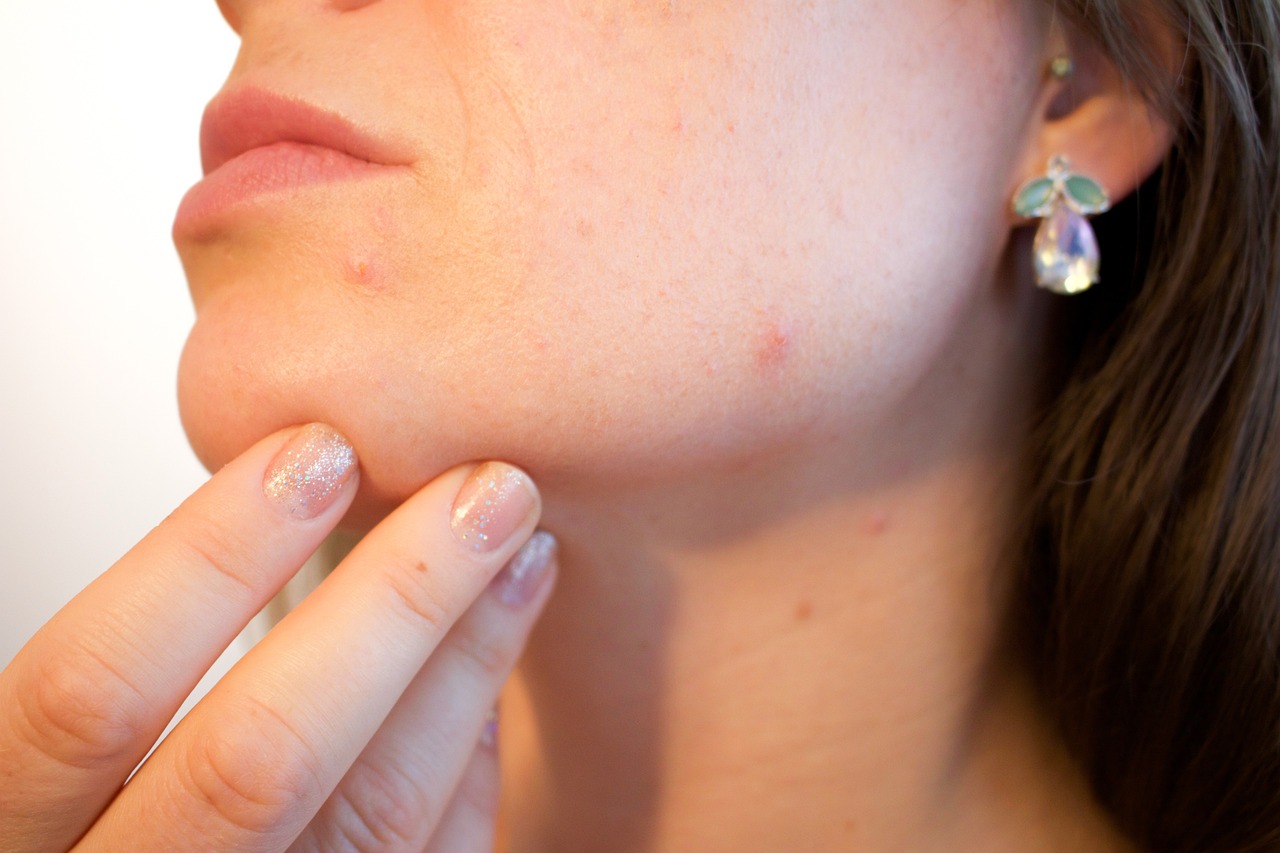
Are you tired of dealing with stubborn acne? Look no further, because we have the solution for you! In this article, we will share expert strategies on how to quickly and effectively get rid of acne. Say goodbye to those pesky blemishes and hello to clearer, healthier skin. Whether you’re struggling with occasional breakouts or chronic acne, these strategies are sure to help you achieve the flawless complexion you’ve always dreamed of. Say hello to a happier, more confident you, thanks to the fastest way to get rid of acne!
Understanding Acne
Acne is a common skin condition that affects many people, especially during their teenage years. It is characterized by the presence of pimples, blackheads, whiteheads, and sometimes deeper, painful cysts or nodules. Acne occurs when hair follicles become clogged with oil, dead skin cells, and bacteria. It can appear on various parts of the body, but is most commonly found on the face, chest, shoulders, and back.
What is acne?
Acne occurs when the hair follicles become blocked with excess oil, dead skin cells, and bacteria, resulting in the formation of pimples, blackheads, and whiteheads. The main factors contributing to the development of acne include the overproduction of oil by the sebaceous glands, an abnormal shedding of skin cells, the presence of bacteria called Propionibacterium acnes, and hormonal changes. Acne can be both physically and emotionally distressing, causing discomfort and affecting self-esteem.
Causes of acne
There are several factors that can contribute to the development of acne. Hormonal changes, especially during puberty, play a significant role in the formation of acne. When the body produces more androgen hormones, the sebaceous glands enlarge and produce more oil, leading to clogged pores. Other factors that can trigger or worsen acne include certain medications, such as corticosteroids or lithium, certain cosmetics and skincare products, stress, and a family history of acne.
Different types of acne
Acne can manifest in various forms, each requiring different treatment approaches. Common types of acne include:
-
Comedones: These are non-inflammatory acne lesions that are either open (blackheads) or closed (whiteheads) pores. They occur when excess oil, dead skin cells, and bacteria clog the hair follicles.
-
Papules: These are small, red, and raised bumps on the skin, which are typically tender to the touch. They form when the hair follicles become inflamed due to the presence of bacteria.
-
Pustules: Similar to papules, pustules are small, red bumps with a white or yellow center filled with pus. They indicate an infection within the hair follicles.
-
Nodules: Nodules are large, painful, deep-seated lumps beneath the skin. They occur when clogged hair follicles become further irritated, leading to the development of hard, tender masses.
-
Cystic acne: This severe form of acne is characterized by large, painful nodules filled with pus. Cystic acne can cause deep scarring and often requires intensive treatment.
Common misconceptions about acne
There are many misconceptions about acne that can hinder proper understanding and treatment. Some common misconceptions include:
-
Acne is caused by a dirty face: While proper hygiene is important, acne is not solely caused by a dirty face. In fact, excessive washing or harsh scrubbing can irritate the skin and worsen acne.
-
Acne is only a teenage problem: Acne can occur at any age, not just during the teenage years. Many adults also suffer from acne due to hormonal changes, stress, or other factors.
-
Popping pimples makes them go away faster: Popping pimples can actually worsen acne and increase the risk of scarring. It can also spread bacteria and lead to more breakouts.
-
Acne is a result of poor diet: While diet can influence overall skin health, there is no definitive evidence linking specific foods to acne. However, some individuals may find certain foods aggravate their acne, such as high glycemic index (GI) foods or dairy products.
Preventing Acne
Preventing acne begins with adopting a proper skincare routine, understanding your skin type, avoiding triggers and irritants, and making dietary considerations. Taking proactive steps to prevent acne can help maintain clear and healthy skin.
Maintaining a proper skincare routine
A consistent skincare routine is crucial for preventing and managing acne. The following steps can be incorporated into a daily routine:
-
Cleansing: Use a gentle cleanser to wash your face twice a day, in the morning and evening. Avoid scrubbing harshly as it can irritate the skin and worsen acne.
-
Moisturizing: Use a non-comedogenic moisturizer to keep the skin hydrated without clogging the pores. Even oily skin needs moisturization to maintain a healthy balance.
-
Exfoliating: Regular exfoliation can help remove dead skin cells and unclog pores. However, be cautious not to over-exfoliate, as it can cause skin irritation and inflammation.
-
Sun protection: Apply a broad-spectrum sunscreen with at least SPF 30 to protect your skin from harmful UV rays. Look for oil-free or non-comedogenic formulas to prevent pore clogging.
Understanding your skin type
Understanding your skin type is important in choosing the right products and treatments for acne prevention. The common skin types include:
-
Normal: Balanced skin that is neither too oily nor too dry.
-
Dry: Skin that lacks moisture and can feel tight or flaky.
-
Oily: Skin that produces excess oil, resulting in a shiny appearance and increased risk of clogged pores.
-
Combination: A mix of oily and dry areas on different parts of the face.
Identifying your skin type can help you select appropriate skincare products and adjust your routine accordingly.
Avoiding triggers and irritants
Identifying and avoiding triggers and irritants can help prevent acne flare-ups. Some common triggers include:
-
Certain skincare and hair products containing comedogenic ingredients that can clog pores.
-
Tight clothing or headgear that can trap sweat and oil against the skin.
-
Harsh chemicals or irritants, such as detergents or fabric softeners, that come into contact with the skin.
-
Friction or pressure on the skin from activities such as wearing tight-fitting helmets or constantly touching the face.
Dietary considerations for acne prevention
While there is no one-size-fits-all approach to diet and acne, making certain dietary considerations may contribute to improving overall skin health. Some tips include:
-
A balanced diet: Eat a variety of fruits, vegetables, whole grains, and lean proteins to support overall skin health.
-
Limiting high GI foods: Foods with a high glycemic index, such as sugary snacks and refined carbohydrates, may potentially worsen acne in some individuals.
-
Reducing dairy intake: Some people find that reducing dairy consumption can help improve their acne symptoms, but it may not be a trigger for everyone.
-
Staying hydrated: Drinking plenty of water helps keep the skin hydrated and promotes healthy cell turnover.
Making small adjustments to your diet and observing how your skin responds can help identify any dietary triggers that might contribute to acne.
Over-the-Counter (OTC) Remedies
Over-the-counter remedies are easily accessible and can be effective in treating mild to moderate acne. These products typically contain active ingredients that help unclog pores, reduce inflammation, and kill bacteria.
Topical creams and gels
OTC topical creams and gels often contain ingredients such as benzoyl peroxide, salicylic acid, or sulfur. These ingredients work by reducing oil production, unclogging pores, and killing bacteria, resulting in reduced acne breakouts.
Face washes and cleansers
Gentle face washes and cleansers formulated specifically for acne-prone skin can help remove excess oil, dirt, and bacteria. Look for products containing salicylic acid or benzoyl peroxide to effectively cleanse the skin without causing irritation.
Spot treatments and acne patches
Spot treatments and acne patches are designed to target individual pimples or blemishes. They typically contain ingredients like sulfur, benzoyl peroxide, or hydrocolloid to reduce inflammation and promote healing.
OTC oral medications
Some OTC oral medications, such as oral contraceptives for women, can help regulate hormones and reduce hormone-related acne. However, it is important to consult with a healthcare professional before starting any oral medication.
Prescription Medications
In cases of severe or persistent acne, prescription medications may be necessary. These medications are typically stronger and more targeted than OTC remedies, and should be prescribed by a dermatologist.
Topical prescription treatments
Topical prescription treatments often contain ingredients such as retinoids, antibiotics, or combination formulations. These medications work by reducing oil production, unclogging pores, and reducing inflammation, leading to fewer breakouts.
Oral prescription medications
Certain oral prescription medications, such as oral antibiotics or isotretinoin, are prescribed for severe or resistant cases of acne. Oral antibiotics help fight bacteria and reduce inflammation, while isotretinoin is a powerful medication that targets oil production and reduces the size of the sebaceous glands.
Antibiotics for acne
Oral or topical antibiotics may be prescribed to treat acne caused by bacteria. They work by killing bacteria and reducing inflammation. It is important to use antibiotics as directed and complete the full course of treatment to avoid antibiotic resistance.
Hormonal therapies for acne
For women with hormonal acne, hormonal therapies such as oral contraceptives or anti-androgen medications may be prescribed. These medications help regulate hormone levels and reduce the production of sebum, thereby improving acne symptoms.

Professional Treatments
In cases where OTC remedies and prescription medications are not providing sufficient results, professional treatments may be recommended by a dermatologist. These treatments are typically performed by skincare professionals and can help improve acne and reduce the risk of scarring.
Chemical peels
Chemical peels involve the application of a chemical solution to the skin, which exfoliates the top layer and promotes the growth of new, healthier skin. This treatment can improve the appearance of acne scars, reduce pigmentation, and unclog pores.
Microdermabrasion
Microdermabrasion is a non-invasive procedure that exfoliates the skin using a device with tiny crystals or a diamond-tipped wand. This process removes the outer layer of dead skin cells, unclogs pores, and promotes new skin cell growth.
Laser and light therapies
Laser and light therapies use targeted beams of light to reduce excess oil production, kill bacteria, and promote collagen production. Different types of lasers and lights can address specific acne concerns, such as redness, inflammation, or scarring.
Injections and extractions
In some cases, dermatologists may perform injections of corticosteroids directly into large, inflamed acne lesions to reduce inflammation and promote healing. They may also perform extractions to remove stubborn comedones or cysts.
Natural and Home Remedies
For those looking for natural or home remedies to complement their acne treatment, several options can be beneficial. While these remedies may not replace medical treatment, they can provide additional support for acne management.
Tea tree oil
Tea tree oil has natural antibacterial properties and can help reduce inflammation and kill bacteria. However, it is potent and should be diluted before use. Applying a small amount using a cotton swab to affected areas can help improve acne symptoms.
Honey and cinnamon
A combination of honey and cinnamon has been used in traditional medicine for its antibacterial and anti-inflammatory properties. Mixing equal parts honey and cinnamon and applying it as a face mask may help reduce acne symptoms.
Aloe vera
Aloe vera gel, derived from the leaves of the aloe vera plant, has soothing and anti-inflammatory properties. Applying a small amount of pure aloe vera gel to the affected area can help reduce redness and inflammation associated with acne.
Green tea
Green tea contains antioxidants and anti-inflammatory compounds that can benefit the skin. Applying brewed and cooled green tea using a cotton ball or using green tea extract in skincare products can help reduce acne inflammation.

Lifestyle Changes
In addition to skincare and medical treatments, certain lifestyle changes can contribute to preventing and managing acne.
Managing stress
Stress can contribute to acne flare-ups by triggering hormonal changes and increasing oil production. Engaging in stress-reducing activities such as exercise, relaxation techniques, or hobbies can help manage stress and improve acne symptoms.
Getting enough sleep
Adequate sleep is essential for overall skin health. Lack of sleep can increase inflammation and worsen acne symptoms. Aim for 7-9 hours of quality sleep every night to support healthy skin.
Exercise and physical activity
Regular exercise improves blood circulation, promotes the elimination of toxins, and reduces stress levels. However, be sure to cleanse your face after exercising to remove sweat and oil buildup that can clog pores.
Avoiding excessive touching of the face
Touching your face frequently can transfer bacteria and irritants from your hands to your skin, increasing the risk of acne breakouts. Try to avoid touching your face unnecessarily and make sure to keep your hands clean.
Holistic Approaches
Some individuals may prefer holistic approaches to managing acne. These approaches focus on the overall well-being of the body and mind, aiming to address the root causes of the condition.
Acupuncture
Acupuncture is a traditional Chinese medicine technique that involves the insertion of thin needles into specific points on the body. Some studies suggest that acupuncture may help reduce inflammation and regulate hormonal imbalances associated with acne.
Ayurvedic treatments
Ayurveda, an ancient Indian system of medicine, offers various herbal remedies and practices to balance the body and promote skin health. Ayurvedic treatments may include herbal supplements, dietary modifications, and stress management techniques.
Herbal supplements
Certain herbal supplements, such as turmeric, neem, or ginseng, are believed to have anti-inflammatory or antioxidant properties that may benefit acne-prone skin. However, it is essential to consult with a healthcare professional or herbalist before incorporating any supplements into your regimen.
Acne-fighting essential oils
Some essential oils, such as lavender, tea tree, or chamomile, have antibacterial and anti-inflammatory properties that can be beneficial for acne-prone skin. However, essential oils are potent and should be diluted before use.
Tips for Faster Results
While acne treatment can take time and patience, there are some tips to help speed up the process and achieve clearer skin.
Consistency and patience
Consistency is key when it comes to acne treatment. Stick to your skincare routine and follow prescribed medications or treatments consistently to see results. Be patient, as it may take several weeks or even months to notice a significant improvement.
Avoiding picking or popping pimples
Resist the urge to pick or pop your pimples. Picking can cause further inflammation and increase the risk of scarring. Let the acne lesions heal naturally or seek professional help for extraction if necessary.
Proper hygiene practices
Maintaining proper hygiene is important for acne prevention and management. Wash your face gently, avoid sharing towels or other personal items, and regularly clean items that come into contact with your skin, such as makeup brushes or phone screens.
Seeking professional advice
If over-the-counter remedies or home treatments are not providing satisfactory results, it is advisable to seek professional advice from a dermatologist. They can evaluate your skin condition and recommend appropriate treatments or adjustments to your skincare routine.
Dealing with Acne Scars
Acne scars can be a lasting reminder of past breakouts. Understanding the types of acne scars, exploring treatments, and taking preventative measures can help manage and minimize their appearance.
Types of acne scars
Acne scars are usually classified into four main types:
-
Rolling scars: These scars have a wave-like appearance and are caused by damage beneath the skin’s surface.
-
Boxcar scars: These scars appear as round or oval depressions with sharp edges.
-
Ice pick scars: Ice pick scars are deep, narrow, and resemble small puncture marks on the skin.
-
Hypertrophic scars: Hypertrophic scars are raised and firm, often forming after severe acne or inflammation.
Treatments for acne scars
Several treatments can help improve the appearance of acne scars:
-
Chemical peels: Light chemical peels can help reduce the appearance of superficial acne scars by promoting skin cell turnover.
-
Microdermabrasion: Microdermabrasion can help reduce the depth of acne scars by exfoliating the outer layer of the skin.
-
Microneedling: This treatment involves using small, fine needles to create controlled micro-injuries to the skin, stimulating collagen production and reducing the appearance of scars.
-
Laser resurfacing: Laser treatments can help improve the texture and appearance of acne scars by targeting the damaged skin cells and promoting new collagen production.
Post-inflammatory hyperpigmentation (PIH)
Post-inflammatory hyperpigmentation is a common condition that occurs after acne breakouts. It appears as flat, discolored patches on the skin, ranging from pink to dark brown. PIH typically resolves on its own over time, but treatments such as topical creams, chemical peels, or laser therapy can help speed up the fading process.
Preventing acne scars
Preventing acne scars starts with proper acne management and early treatment. Avoid picking or popping pimples, as this can increase the risk of scarring. Additionally, adopting a consistent skincare routine, protecting your skin from sun exposure with sunscreen, and seeking professional help for severe or persistent acne can all contribute to preventing scarring.
In conclusion, understanding acne, taking preventive measures, exploring over-the-counter and prescription treatments, making lifestyle changes, and adopting holistic approaches can all contribute to managing and improving acne. It is important to remember that everyone’s skin is unique, and what works for one person may not work for another. Consistency, patience, and seeking professional guidance when needed are key in achieving clearer, healthier skin.