Are acne holes on your face causing you to feel self-conscious? Don’t worry, there are effective techniques available to help you fill those pesky acne holes and achieve smoother, more even skin. In this article, we will explore various methods that you can easily incorporate into your skincare routine. By the end, you’ll have the knowledge and tools to confidently address and minimize the appearance of acne holes, giving you the clear, radiant complexion you’ve always desired. Say goodbye to insecurities and hello to a more vibrant you!
Understanding Acne Holes
Acne holes, also known as acne scars or pockmarks, are depressions or indentations that are left behind on the skin after a bout of acne. These holes can vary in size, shape, and depth and can have a significant impact on a person’s self-confidence. It is important to understand the different types of acne holes, their causes, and the factors that can worsen their appearance.
Different types of acne holes
There are several types of acne holes that can occur on the skin:
-
Ice pick scars: These are deep, narrow, and pitted scars that resemble the marks left by an ice pick. They are usually small in size but can be quite noticeable.
-
Boxcar scars: These are round or oval depressions with steep, defined edges. They are wider than ice pick scars and can give the skin a pitted or pockmarked appearance.
-
Rolling scars: These scars are characterized by wave-like or rolling undulations on the skin surface. They are caused by bands of scar tissue that pull the skin downwards, creating a wavy texture.
-
Hypertrophic scars: Unlike the other types of acne holes that are depressions, hypertrophic scars are raised and thickened areas of skin. They can be red or pink and tend to occur more commonly on the chest and back.
Causes of acne holes
Acne holes are typically a result of severe acne, especially if it is left untreated or if there is constant picking or popping of the pimples. When acne lesions become inflamed, they can damage the surrounding skin and tissues. This damage can lead to the formation of scars or holes as the skin heals.
The primary causes of acne holes include:
-
Inflammation: When the skin’s pores become clogged with excess oil, dirt, and dead skin cells, it can lead to the formation of acne. If the acne lesions become inflamed and rupture, they can cause damage to the skin tissue and result in scarring.
-
Genetics: Some individuals may be genetically predisposed to developing acne holes. If your parents or close relatives have a history of acne scars, you may be more likely to develop them as well.
-
Delayed or inadequate acne treatment: Prompt and proper treatment of acne can help minimize the risk of scarring. However, if acne is left untreated or if inappropriate skincare techniques are used, it can increase the likelihood of developing acne holes.
Factors that can worsen acne holes
While the severity and appearance of acne holes can vary from person to person, there are certain factors that can worsen their appearance:
-
Sun exposure: Prolonged exposure to the sun’s harmful UV rays can darken and make acne holes more noticeable. It is essential to protect your skin from the sun and to use a broad-spectrum sunscreen with a high SPF.
-
Smoking: Smoking can hinder the healing process of the skin and cause collagen breakdown, leading to more pronounced acne holes. Quitting smoking can help improve the overall health and appearance of your skin.
-
Age: As we age, the skin’s natural ability to repair itself diminishes. This can result in an increased visibility of acne holes and other types of scars. Taking proactive steps to prevent and treat acne holes is crucial as we get older.
-
Hormonal imbalances: Hormonal fluctuations, such as those that occur during puberty, pregnancy, or menopause, can exacerbate acne and potentially lead to the development of acne holes. Consulting with a healthcare professional can help address any underlying hormonal issues.
Preventing Acne Holes
Preventing the formation of acne holes is the ideal approach to preserving the smooth and even texture of your skin. By establishing a consistent skincare routine, avoiding picking or popping acne, using non-comedogenic products, and protecting your skin from sun damage, you can reduce the risk of developing acne holes.
Establishing a skincare routine
A proper skincare routine is crucial in maintaining healthy skin and preventing acne holes. It should include regular cleansing, exfoliating, and moisturizing. Cleansing helps remove dirt, excess oil, and impurities from the skin, while exfoliating helps slough off dead skin cells and promotes cell turnover. Moisturizing replenishes the skin’s hydration and helps maintain its natural protective barrier.
When choosing skincare products, look for those that are specifically formulated for acne-prone skin and non-comedogenic, meaning they won’t clog your pores. Additionally, incorporating ingredients such as salicylic acid or benzoyl peroxide can help prevent and treat acne.
Avoiding picking or popping acne
One of the most critical factors in preventing acne holes is avoiding the temptation to pick or pop your pimples. Picking at acne lesions can cause further inflammation and damage to the skin, leading to increased scarring. Instead, allow the pimples to heal naturally or seek professional advice for proper extraction techniques.
Using non-comedogenic products
Using non-comedogenic products, including cleansers, moisturizers, and makeup, is essential in preventing the formation of acne holes. Non-comedogenic products are formulated to not clog the pores, reducing the risk of developing acne. It is important to read product labels and look for the non-comedogenic claim.
Protecting your skin from sun damage
Sun exposure can worsen the appearance of acne holes and lead to darkening or discoloration. To protect your skin from the damaging effects of the sun, apply a broad-spectrum sunscreen with at least SPF 30 before going outside. Reapply every two hours or more frequently if you sweat or swim.
Wearing a wide-brimmed hat, seeking shade, and avoiding direct sunlight during peak hours can also help minimize sun damage. Protecting your skin from the sun not only prevents acne holes from worsening but also reduces the risk of skin cancer and premature aging.
Natural Remedies for Acne Holes
While natural remedies may not completely eliminate acne holes, they can help improve the overall texture and appearance of the skin. These remedies can be used in conjunction with professional treatments or as a standalone option, depending on the severity of the acne holes.
Aloe vera gel
Aloe vera gel has soothing and healing properties that can help reduce inflammation and promote skin regeneration. Apply a thin layer of pure aloe vera gel to the affected areas twice daily and leave it on for at least 30 minutes before rinsing off. Over time, aloe vera gel can help diminish the appearance of acne holes and improve overall skin texture.
Rosehip seed oil
Rosehip seed oil is rich in essential fatty acids and antioxidants, which can aid in skin repair and regeneration. Apply a few drops of rosehip seed oil to the acne holes and massage gently into the skin. Leave it on overnight and rinse off in the morning. Regular use of rosehip seed oil can help improve the appearance of acne holes over time.
Lemon juice
Lemon juice contains natural acids that can help exfoliate the skin and lighten dark spots. Squeeze fresh lemon juice and dilute it with equal parts water. Apply the mixture to the acne holes using a cotton pad and leave it on for 10-15 minutes before rinsing off. Be cautious as lemon juice can be drying, so it is essential to moisturize afterward and avoid exposure to sunlight.
Honey
Honey has antibacterial and moisturizing properties that can help improve the overall condition of the skin. Apply a thin layer of raw honey to the acne holes and leave it on for 15-20 minutes before rinsing off. Regular use of honey can help reduce inflammation, promote healing, and improve the texture of the skin.
It is important to note that natural remedies may work differently for each individual, and results may vary. It is always advisable to perform a patch test before using any new natural remedy, especially if you have sensitive skin or allergies.
Medical Treatments for Acne Holes
In cases where natural remedies do not provide significant improvement or for more severe acne holes, medical treatments may be necessary. These treatments are performed by healthcare professionals and aim to promote skin repair and collagen production to fill in the depressions caused by the acne holes.
Microdermabrasion
Microdermabrasion is a non-invasive procedure that involves using a device to gently exfoliate the skin and remove the topmost layer. This process helps stimulate collagen production and skin regeneration, leading to the improvement of acne holes over time. Multiple sessions are typically required for optimal results.
Chemical peels
Chemical peels involve the application of a chemical solution to the skin, which exfoliates and removes the outer layers. This process promotes cell turnover and stimulates collagen production, helping to minimize the appearance of acne holes. The strength and depth of the chemical peel will depend on the severity of the acne holes and the individual’s skin type.
Dermal fillers
Dermal fillers are injectable substances that can be used to fill in the depressions caused by acne holes. They can provide instant results and improve the overall smoothness and texture of the skin. Common dermal fillers used for acne hole treatment include hyaluronic acid, collagen, and fat grafting.
Laser resurfacing
Laser resurfacing is a procedure that uses laser technology to remove the outer layers of the skin and stimulate collagen production. This process helps minimize the appearance of acne holes and improves overall skin texture. The type of laser used will depend on the severity of the acne holes and the individual’s skin type.
Microneedling
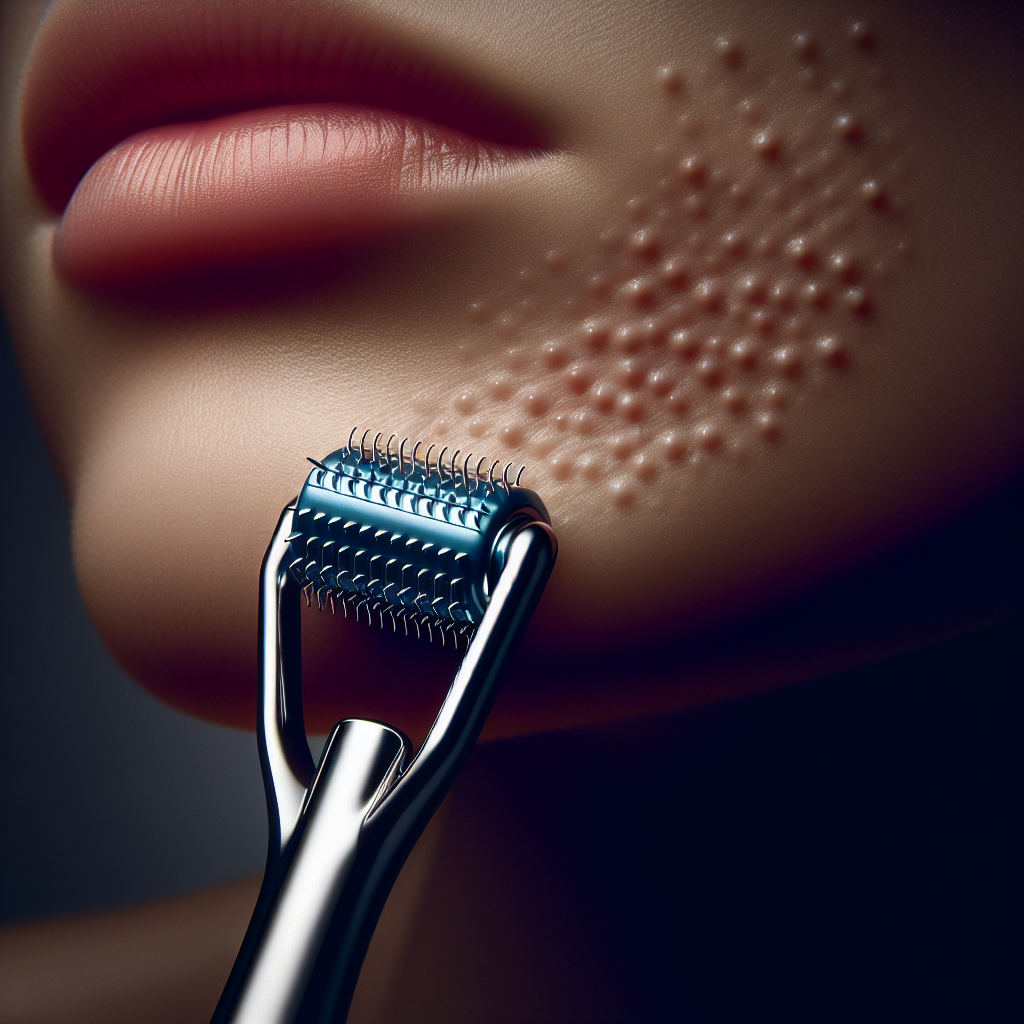
Microneedling, also known as collagen induction therapy, involves using a device with fine needles to create microscopic punctures in the skin’s surface. This process stimulates collagen production and promotes skin regeneration, leading to the improvement of acne holes. Multiple sessions are typically required for optimal results.
Medical treatments for acne holes should always be performed by trained professionals in a clinical setting. It is important to consult with a dermatologist or skincare specialist to determine the most suitable treatment option based on your individual needs and skin condition.
Over-the-Counter Products for Acne Holes
Over-the-counter (OTC) products can be a convenient and accessible option for managing and improving the appearance of acne holes. These products are readily available in pharmacies and drugstores and can complement professional treatments or be used as standalone options, depending on the severity of the acne holes.
Retinol creams
Retinol creams contain a derivative of vitamin A that helps promote collagen production and skin regeneration. Regular use of retinol creams can help improve the appearance of acne holes over time. It is important to start with a low concentration and gradually increase as tolerated to minimize the risk of skin irritation.
Scar removal creams
Scar removal creams are formulated with ingredients that help reduce the appearance of scars, including acne holes. These creams typically contain ingredients such as silicone, vitamin E, and onion extract, which help hydrate the skin, promote healing, and improve texture. Consistent application is key when using scar removal creams.
Silicone gel sheets
Silicone gel sheets are adhesive sheets that can be applied to the skin and are designed to flatten and soften scars, including acne holes. These sheets create a moist environment, which promotes healing and collagen production. They are easy to use and can be worn overnight or during the day, depending on personal preference.
Vitamin C serums
Vitamin C serums are packed with antioxidants that help protect the skin from free radicals and promote collagen synthesis. Regular use of vitamin C serums can help improve the overall texture and appearance of the skin. When selecting a vitamin C serum, opt for stable and highly concentrated formulations for optimal results.
It is important to note that OTC products may take longer to show visible results compared to professional treatments. Additionally, results may vary depending on individual factors such as skin type, severity of acne holes, and consistent use of the product.
Skin Resurfacing Techniques for Acne Holes
Skin resurfacing techniques are medical procedures that aim to improve the texture and appearance of the skin by removing the outer layers and stimulating collagen production. These techniques can be effective in reducing the visibility of acne holes and achieving smoother and more even skin.
Dermabrasion
Dermabrasion is a procedure that involves removing the outer layers of the skin using a rotating device with a wire brush or diamond wheel. This process stimulates collagen production and promotes skin healing, leading to the improvement of acne holes. Dermabrasion is typically performed under local anesthesia and may require downtime for recovery.
Fractional laser resurfacing
Fractional laser resurfacing uses laser technology to deliver targeted beams of light to the skin, creating microscopic treatment zones. This process triggers collagen production and skin regeneration, resulting in the improvement of acne holes. Fractional laser resurfacing can be performed with minimal downtime, but multiple sessions may be required for optimal results.
Radiofrequency microneedling
Radiofrequency microneedling combines microneedling with the application of radiofrequency energy to the skin. This process stimulates collagen production, promotes skin tightening, and improves overall skin texture. Radiofrequency microneedling can help reduce the appearance of acne holes and may require multiple sessions for best results.
Chemical peels
As previously mentioned, chemical peels can also be used as a skin resurfacing technique for acne holes. The depth and strength of the chemical peel will depend on the severity of the acne holes and the individual’s skin type. Chemical peels can be performed in different strengths, including superficial, medium, and deep peels, depending on the desired results.
Skin resurfacing techniques for acne holes should always be performed by trained professionals in a clinical setting. It is important to consult with a dermatologist or skincare specialist to determine the most suitable technique based on your individual needs and skin condition.
Home Remedies for Filling Acne Holes
In addition to natural remedies and medical treatments, there are several home remedies that can help fill in acne holes and improve the overall texture and appearance of the skin. These remedies use common household ingredients and can be easily incorporated into your skincare routine.
Exfoliating with baking soda
Baking soda has natural exfoliating properties that can help remove dead skin cells and promote skin regeneration. Create a paste by mixing baking soda with water and gently massage it onto the acne holes in circular motions. Rinse off with lukewarm water and follow with a moisturizer. It is important to avoid excessive scrubbing, as it can cause skin irritation.
Applying apple cider vinegar
Apple cider vinegar has antibacterial and exfoliating properties that can help improve the overall condition of the skin. Dilute apple cider vinegar with water and apply it to the acne holes using a cotton pad. Leave it on for a few minutes and rinse off with water. Apple cider vinegar can be drying, so it is important to moisturize afterward and avoid exposure to sunlight.
Using tomato pulp
Tomatoes contain antioxidants and natural acids that can help exfoliate the skin and promote cell turnover. Cut a tomato in half and scoop out the pulp. Apply the pulp to the acne holes and leave it on for 15-20 minutes before rinsing off. Regular use of tomato pulp can help improve the appearance of acne holes and brighten the skin.
Creating a cinnamon and honey mask
Cinnamon and honey both have antibacterial and healing properties that can help improve the texture and appearance of the skin. Mix equal parts cinnamon powder and honey to form a paste and apply it to the acne holes. Leave it on for 10-15 minutes before rinsing off. This mask can be used once a week to promote skin healing and reduction of acne holes.
It is important to note that home remedies may not provide the same level of effectiveness as professional treatments. Results may vary depending on individual factors such as skin type, severity of acne holes, and consistent use of the remedy. If irritation or adverse reactions occur, discontinue the use of the remedy and consult with a healthcare professional.
Camouflage Techniques for Acne Holes
Camouflage techniques can help conceal the appearance of acne holes and create a smoother and more even skin texture. These techniques involve the use of specific makeup products and application techniques to minimize the visibility of acne holes.
Applying color-correcting concealer
Color-correcting concealers can help neutralize discoloration and uneven skin tone caused by acne holes. For instance, green or yellow color correctors can counteract redness, while peach or orange color correctors can camouflage dark or purple marks. Apply a small amount of the color corrector to the acne holes and blend gently with a fingertip or makeup brush before applying foundation.
Using a high-coverage foundation
High-coverage foundations can help create a smoother and more even skin appearance by minimizing the visibility of acne holes. Choose a foundation that matches your skin tone and has a thicker consistency. Using a sponge or foundation brush, apply the foundation to the entire face, paying extra attention to the acne holes. Blend well for a natural-looking finish.
Opting for airbrush makeup
Airbrush makeup is a technique that involves spraying a fine mist of foundation onto the skin using an airbrush gun. This technique can provide a seamless and flawless finish, making acne holes less noticeable. Airbrush makeup is often used by professional makeup artists, but there are also at-home airbrush kits available for personal use.
Implementing contouring and highlighting
Contouring and highlighting techniques can help create the illusion of a smoother and more even skin texture. By using darker shades to contour and lighter shades to highlight specific areas, such as the cheeks and forehead, you can draw attention away from the acne holes. Practice blending techniques and use products that are specifically designed for contouring and highlighting.
When using makeup to camouflage acne holes, it is important to properly cleanse and moisturize the skin beforehand. Avoid applying heavy layers of makeup or using products that may clog the pores and worsen acne. Choose makeup products that are non-comedogenic and suitable for acne-prone skin.
Diet and Lifestyle Changes for Acne Hole Reduction
In addition to skincare and cosmetic techniques, certain diet and lifestyle changes can help reduce the appearance of acne holes and promote overall skin health. These changes focus on maintaining a balanced diet, staying hydrated, reducing sugar and processed food intake, engaging in regular exercise, and managing stress levels.
Eating a balanced diet
A balanced diet that includes a variety of fruits, vegetables, whole grains, lean proteins, and healthy fats can provide essential nutrients for skin health. Nutrients such as vitamins A, C, and E, as well as zinc and omega-3 fatty acids, can support collagen production, promote skin regeneration, and help improve the appearance of acne holes.
Drinking plenty of water
Staying hydrated is crucial for maintaining healthy skin. Drinking an adequate amount of water throughout the day helps flush out toxins and promotes skin hydration and elasticity. Additionally, water can help improve blood circulation, which can contribute to overall skin health and the reduction of acne holes.
Reducing sugar and processed food intake
High sugar and processed food intake can contribute to inflammation in the body and negatively impact skin health. These foods can cause spikes in insulin levels, which may increase oil production and lead to more severe acne. By reducing the consumption of sugary and processed foods, you can help prevent further acne breakouts and support skin healing.
Regular exercise
Engaging in regular exercise can help improve blood circulation, promote detoxification, and reduce stress levels. Increased blood circulation can deliver more nutrients and oxygen to the skin, aiding in its overall health and healing. Exercise also helps manage stress, which can be a contributing factor to acne breakouts and the appearance of acne holes.
Managing stress levels
Stress can worsen acne breakouts and the appearance of acne holes. Stress triggers the release of hormones that stimulate oil production, leading to clogged pores and inflammation. Implementing stress management techniques such as meditation, yoga, deep breathing exercises, or engaging in hobbies can help reduce stress levels and promote healthy skin.
When implementing diet and lifestyle changes, it is important to remember that results may take time and consistency. It is also crucial to consult with a healthcare professional before making any significant changes to your diet or exercise routine, especially if you have any underlying health conditions.
Professional Consultation and Advice
For individuals with persistent or severe acne holes, seeking professional consultation and advice is essential. Dermatologists and skincare specialists can provide personalized recommendations and develop customized treatment plans based on your specific needs and skin condition.
Dermatologist recommendations
Dermatologists are medical doctors who specialize in the diagnosis, treatment, and prevention of skin conditions, including acne holes. They can assess the severity of your acne holes, determine the underlying causes, and recommend appropriate treatment options. Dermatologists may combine medical treatments, such as laser resurfacing or dermal fillers, with skincare recommendations for optimal results.
Consulting with a skincare specialist
Skincare specialists, such as estheticians or skincare consultants, can provide expert advice on skincare routines and recommend products suitable for your skin type and concerns. They can evaluate your skin condition, provide professional treatments, and help create a customized skincare plan to address acne holes and improve overall skin health.
Customized treatment plans
Based on your individual needs and concerns, a healthcare professional can develop a customized treatment plan to address your acne holes. This plan may include a combination of medical treatments, professional skincare treatments, at-home remedies, dietary modifications, and lifestyle changes. By working closely with a healthcare professional, you can receive comprehensive and targeted care for your acne holes.
In conclusion, understanding acne holes is the first step in managing and improving their appearance. By exploring different treatment options, incorporating preventive measures, and considering lifestyle changes, you can take control of your skin’s health and reduce the visibility of acne holes. Whether you choose natural remedies, medical treatments, or over-the-counter products, it is important to consult with a healthcare professional for personalized advice and guidance. By working together, you can achieve smoother, more even skin and regain your confidence.