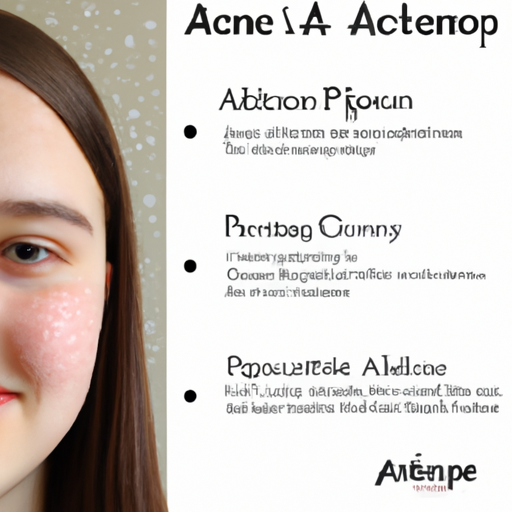
Have you ever wondered how long it takes for acne to go away? Dealing with acne can be frustrating, and we all crave clear and healthy skin. In this article, we will explore the journey of acne and discuss the essential elements of patience and care needed to achieve that blemish-free complexion. So, if you’re ready to take some steps towards a clearer future, let’s dive right in!
Factors that influence the duration of acne
Acne is a common skin condition that can affect individuals of all ages. While the exact duration of acne varies from person to person, there are several factors that can influence how long it takes for acne to go away. Understanding these factors is crucial for managing and treating acne effectively.
Severity of acne
The severity of acne plays a significant role in determining how long it takes for the condition to improve. Mild acne, characterized by the presence of whiteheads and blackheads, tends to resolve more quickly compared to moderate to severe acne, which includes papules, pustules, nodules, and cystic acne. Mild acne may take a few weeks to a few months to improve, while severe acne can persist for longer periods.
Age
Age is another factor that can influence the duration of acne. Acne commonly emerges during adolescence, as hormonal changes trigger an increase in sebum production. For many teenagers, acne tends to improve by the late teens or early twenties as hormone levels stabilize. However, some individuals may continue to experience acne into adulthood, which can prolong the duration of the condition.
Genetics
Genetics also play a role in the duration of acne. If you have a family history of acne, you may be more susceptible to developing the condition and experiencing a longer duration. Genetics can influence the underlying causes of acne, such as hormonal imbalances and sebum production, making it important to consider hereditary factors in managing acne effectively.
Hormonal factors
Hormonal factors, such as fluctuating hormone levels during the menstrual cycle or hormonal imbalances, can contribute to the duration of acne. Hormonal acne, often characterized by deep, painful cysts, can be persistent and may not improve until the underlying hormonal imbalance is addressed. Women may find that their acne improves or worsens depending on their hormonal fluctuations, while men may experience hormonal acne during puberty or due to certain medical conditions.
Timeline for acne improvement
While the duration of acne can vary greatly, understanding the general timeline for acne improvement can provide insight into what to expect during your acne treatment journey.
First few weeks
During the first few weeks of treatment, you may begin to notice small improvements in your acne. This is often the period where changes in skincare routine or medication start to take effect. You might experience a reduction in inflammation, and the number of whiteheads and blackheads may decrease. However, it is important to keep in mind that significant improvement may not be noticeable during this initial stage.
First few months
As you continue with your acne treatment, the first few months can bring more noticeable improvement. Papules and pustules may start to diminish, and the overall appearance of your skin may become smoother. However, it is crucial to be patient during this stage, as acne does not typically disappear overnight. Consistency with your treatment regimen is key to continuing the positive progress.
Six months to one year
By the six-month mark, you should start to see considerable improvement in your acne. The majority of active acne lesions should have cleared, leaving behind minimal scarring or hyperpigmentation. At this stage, it is important to maintain your skincare routine and treatment plan to prevent any new breakouts from occurring.
Beyond one year
For some individuals, acne may take longer than a year to fully improve. This is particularly true for those with more severe forms of acne, such as nodules or cystic acne. It is crucial to continue with your treatment plan and consult with a dermatologist if necessary. Remember, everyone’s acne journey is unique, and it is important to be patient and consistent with your efforts.
Types of acne and their respective durations
Understanding the different types of acne can provide insights into how long it may take for each type to improve.
Whiteheads and blackheads
Whiteheads and blackheads, known as non-inflammatory acne, are often the mildest forms of acne. These types of acne can typically clear within a few weeks to a few months with proper skincare and treatment. Consistent cleansing, exfoliating, and the use of over-the-counter acne products can help speed up the improvement process.
Papules and pustules
Papules and pustules are classified as inflammatory acne and may take a bit longer to clear compared to non-inflammatory acne. These types of acne are characterized by red, inflamed bumps and may leave behind slight pigmentation or scarring after healing. With diligent skincare and treatment, papules and pustules can improve within a few months.
Nodules
Nodular acne, characterized by large, painful bumps beneath the skin, can be more challenging to treat and may take several months to improve. The deep inflammation associated with nodular acne often requires targeted treatment options, such as prescription medications or professional treatments, to achieve significant improvement.
Cystic acne
Cystic acne is the most severe form of acne and tends to be the most persistent. Cysts are large, painful, and deeply inflamed lesions that often require intensive treatment to improve. It can take several months to over a year to effectively manage and clear cystic acne. A comprehensive approach, including prescription medications or professional treatments, may be necessary for long-term progress.
Skin care routine for acne
Establishing a consistent and effective skincare routine is essential for managing acne. The following steps can help improve your skin’s condition and reduce the duration of acne.
Cleansing
Start with a gentle cleanser that is suitable for acne-prone skin. Avoid harsh, abrasive cleansers, as they can strip the skin of moisture and exacerbate acne. Cleanse your face twice a day, in the morning and evening, to remove excess oil, dirt, and bacteria. Be sure to use lukewarm water and gentle motions when cleansing to avoid irritation.
Exfoliating
Exfoliation helps remove dead skin cells and unclog pores, preventing the formation of acne. Choose a gentle exfoliator that contains salicylic acid or glycolic acid, as these ingredients are effective in treating acne. However, be cautious not to over-exfoliate, as it can lead to dryness and irritation. Limit exfoliation to once or twice a week, and always follow with a moisturizer.
Moisturizing
Contrary to popular belief, moisturizing is crucial for acne-prone skin. Look for oil-free, non-comedogenic moisturizers that hydrate the skin without clogging pores. Moisturizing helps maintain the skin’s barrier function, preventing excessive dryness and promoting a healthy complexion. Apply moisturizer twice daily, after cleansing and exfoliating.
Applying acne treatments
Acne treatments, such as benzoyl peroxide, salicylic acid, or topical retinoids, can be beneficial in managing acne. Apply these treatments after cleansing and moisturizing to target specific acne lesions or to the entire affected area. Be consistent with your acne treatments, following the instructions provided by your dermatologist or the product packaging. However, avoid using multiple treatments simultaneously, as it can cause excessive dryness or irritation.
Lifestyle changes for acne management
In addition to a proper skincare routine, certain lifestyle changes can contribute to improved acne management. Consider incorporating the following adjustments into your daily life to help reduce the duration of acne.
Dietary adjustments
While there is no one-size-fits-all diet for acne, some studies suggest that certain dietary factors may influence acne severity. Limiting the intake of high-glycemic foods, dairy products, and foods high in saturated fats may be beneficial for acne-prone individuals. Additionally, staying hydrated and including a variety of fruits, vegetables, and lean proteins in your diet can promote overall skin health.
Stress reduction techniques
Stress can contribute to hormonal imbalances and exacerbate acne. Implementing stress reduction techniques, such as practicing mindfulness, engaging in regular exercise, or pursuing hobbies, can help manage stress levels and potentially improve acne. Find activities that bring you joy and make time for self-care to support both your mental well-being and your skin health.
Exercise
Regular exercise is not only beneficial for your overall health but can also positively impact acne. Physical activity promotes blood circulation and oxygenates the skin, helping to flush out toxins and reducing inflammation. Additionally, exercise can help manage stress levels, which can indirectly improve acne. Remember to cleanse your skin after exercising to remove sweat and bacteria that may clog pores.
Avoiding certain medications
In some cases, certain medications can exacerbate acne or interfere with its treatment. If you suspect that your acne is worsened by a particular medication, discuss it with your healthcare provider. They may be able to recommend alternative medications or adjust your dosage to minimize the impact on your skin.
Prescription medications for acne
For individuals with moderate to severe acne, prescription medications may be necessary to achieve significant improvement. The following are common prescription treatments that dermatologists may prescribe.
Topical retinoids
Topical retinoids, such as tretinoin, adapalene, or tazarotene, are derivatives of vitamin A and are effective in treating acne. They work by promoting cell turnover, unclogging pores, and reducing inflammation. Topical retinoids can take several weeks to months to show noticeable improvement, but they are often a mainstay of acne treatment due to their long-term benefits.
Oral antibiotics
Oral antibiotics, such as doxycycline or minocycline, are commonly prescribed for moderate to severe acne. These medications work by reducing acne-causing bacteria and decreasing inflammation. Improvement can be seen within a few weeks of starting treatment, but it is important to complete the prescribed course of antibiotics to prevent antibiotic resistance.
Oral contraceptives
For women with hormonal acne, oral contraceptives may be prescribed to help regulate hormone levels. Certain birth control pills can reduce androgen production, which can contribute to acne. Improvement in acne may be seen within a few months of starting oral contraceptives, but it is important to discuss the potential benefits and risks with your healthcare provider.
Isotretinoin
Isotretinoin, also known as Accutane, is a powerful oral medication reserved for severe acne that has not responded to other treatments. Isotretinoin works by reducing sebum production and shrinking the oil glands. It can result in significant improvement, but it requires close monitoring due to potential side effects. The duration of isotretinoin treatment varies but can last several months.
Natural remedies for acne
While prescription medications are often necessary for treating severe acne, some natural remedies can also assist in improving milder forms of acne. However, it is important to note that natural remedies may not work for everyone, and results may vary.
Tea tree oil
Tea tree oil has natural antibacterial properties and can help reduce inflammation associated with acne. Dilute tea tree oil with a carrier oil, such as jojoba oil, and apply it to the affected areas with a cotton swab. Be cautious not to use tea tree oil directly on the skin, as it can cause irritation. Use it once or twice daily as part of your skincare routine.
Honey and cinnamon
A mixture of honey and cinnamon can be applied as a spot treatment for acne. Honey has antibacterial properties, while cinnamon has anti-inflammatory properties. Mix a teaspoon of raw honey with a pinch of cinnamon and apply it directly to acne lesions. Leave it on for 10-15 minutes before rinsing off. Use this treatment once or twice a week.
Aloe vera
Aloe vera, known for its soothing properties, can help alleviate inflammation and promote healing in acne-prone skin. Apply a thin layer of pure aloe vera gel to the affected areas and leave it on for at least 20 minutes before rinsing off. Regular use can help reduce redness and calm irritated skin.
Zinc supplements
Zinc is an essential mineral that plays a role in skin health. Some studies suggest that zinc supplements may help improve acne symptoms, particularly in individuals with low zinc levels. Consult with a healthcare provider before starting any supplements, as they can interact with other medications or have side effects.
Professional treatments for acne
In addition to skincare routines, lifestyle changes, and medication, there are professional treatments available that can significantly improve acne.
Chemical peels
Chemical peels involve the application of a chemical solution to the skin, which exfoliates and removes the top layers of skin. Chemical peels can help improve acne by unclogging pores, reducing oil production, and promoting skin cell turnover. Multiple sessions may be required for optimal results, and downtime and recovery depend on the type and strength of the peel.
Microdermabrasion
Microdermabrasion is a non-invasive procedure that uses a device to gently exfoliate the outer layer of the skin. It helps remove dead skin cells, unclog pores, and stimulate collagen production. Microdermabrasion can provide immediate improvement in skin texture and is generally well tolerated. However, multiple treatments may be necessary to achieve long-term acne improvement.
Laser therapy
Laser therapy uses focused laser energy to target and destroy the sebaceous glands, which produce excess oil. It can help reduce inflammation, kill acne-causing bacteria, and promote skin healing. Laser therapy is often used in combination with other acne treatments and may require multiple sessions to achieve desired results. It is important to consult with a dermatologist to determine if laser therapy is suitable for your skin type and acne severity.
Cortisone injections
Cortisone injections are typically used for the treatment of large, painful acne cysts. A dermatologist injects a diluted corticosteroid directly into the cyst, reducing inflammation and promoting rapid healing. Cortisone injections provide quick relief and can significantly improve the appearance of cystic acne within a few days. However, multiple injections may be required for deep or recurring cysts.
Common mistakes that delay acne improvement
There are several common mistakes individuals make that can delay the improvement of acne. Being aware of these mistakes can help you avoid them and achieve better results in managing your acne.
Picking or squeezing acne
One of the most common mistakes is picking or squeezing acne lesions. This can lead to increased inflammation, the spread of bacteria, and potential scarring. Hands carry bacteria, and constantly touching your face can worsen acne. It is essential to resist the temptation to pick or squeeze acne and allow it to heal naturally or with proper treatment.
Using harsh and drying products
Many individuals mistakenly believe that drying out their skin will improve their acne. However, using harsh, drying products can strip the skin of essential moisture and disrupt the skin’s natural barrier, leading to increased oil production and irritation. It is crucial to use gentle, non-comedogenic products that are specifically formulated for acne-prone skin.
Inconsistency with treatments
Consistency is key when it comes to acne treatments. Skipping days or using treatments sporadically can delay the improvement of acne. Set a skincare routine and stick to it, using your prescribed medications or over-the-counter treatments consistently. It may take time for the treatments to take effect, and their efficacy is often dependent on consistent use.
Overuse of skincare products
While consistency is important, it is equally crucial not to overuse skincare products. Using multiple treatments or layering products excessively can lead to dryness, irritation, and even more breakouts. Follow the instructions provided with your acne treatments and consult with a dermatologist if you are unsure about the appropriate usage.
Conclusion
The duration of acne can vary greatly depending on several factors, including the severity of acne, age, genetics, hormonal factors, and the types of acne present. It is important to remember that acne is a complex skin condition that requires patience and care. Establishing a consistent skincare routine, making necessary lifestyle changes, and seeking appropriate professional care can significantly reduce the duration of acne and improve the overall health and appearance of your skin. Remember to consult with a dermatologist for personalized advice and recommendations to effectively manage your acne. With the right approach and a bit of patience, acne can gradually become a thing of the past, allowing you to embrace clear and healthy skin.