
Have you ever wondered how long it takes for a pimple to vanish from your face? Well, timing matters more than you may think! No one likes having a pesky pimple sticking around for longer than necessary, so understanding the timeline of its disappearance can be quite helpful. In this article, we will explore the different stages of a pimple’s life and discuss the factors that influence its healing process. So, let’s dive in and uncover the secrets behind bidding farewell to those unwanted blemishes!

Factors that affect pimple duration
Skin type
Your skin type plays a significant role in how long a pimple takes to heal. People with oily skin tend to have more active sebaceous glands, leading to increased oil production and a higher likelihood of clogged pores. As a result, pimples may take longer to heal in individuals with oily skin compared to those with dry or normal skin.
Severity of the pimple
The severity of a pimple also impacts its duration. Minor pimples like whiteheads and blackheads generally heal quicker compared to moderate and severe pimples. The presence of inflammation, redness, and pus in papules, pustules, nodules, and cysts can prolong the healing process and result in a longer duration.
Treatment method used
The treatment method used for pimples can affect their duration. Different treatment options, such as topical medications, oral medications, and home remedies, have varying levels of effectiveness and speed of action. Some treatments may work faster than others in reducing inflammation and promoting healing, leading to a shorter pimple duration.
Individual’s immune system
The strength of an individual’s immune system plays a crucial role in pimple healing. A robust immune system can effectively fight off bacteria and reduce inflammation, leading to quicker healing. On the other hand, a weakened immune system may struggle to combat infection and inflammation, prolonging the duration of pimples.
Lifestyle and habits
Lifestyle factors and habits can also impact the duration of pimples. Poor skincare routines, such as neglecting to cleanse and moisturize the skin, can contribute to prolonged pimple duration. Similarly, habits like picking or popping pimples can introduce more bacteria to the area and cause further inflammation, leading to a longer healing process.
Timeline of pimple development
Formation of a pimple
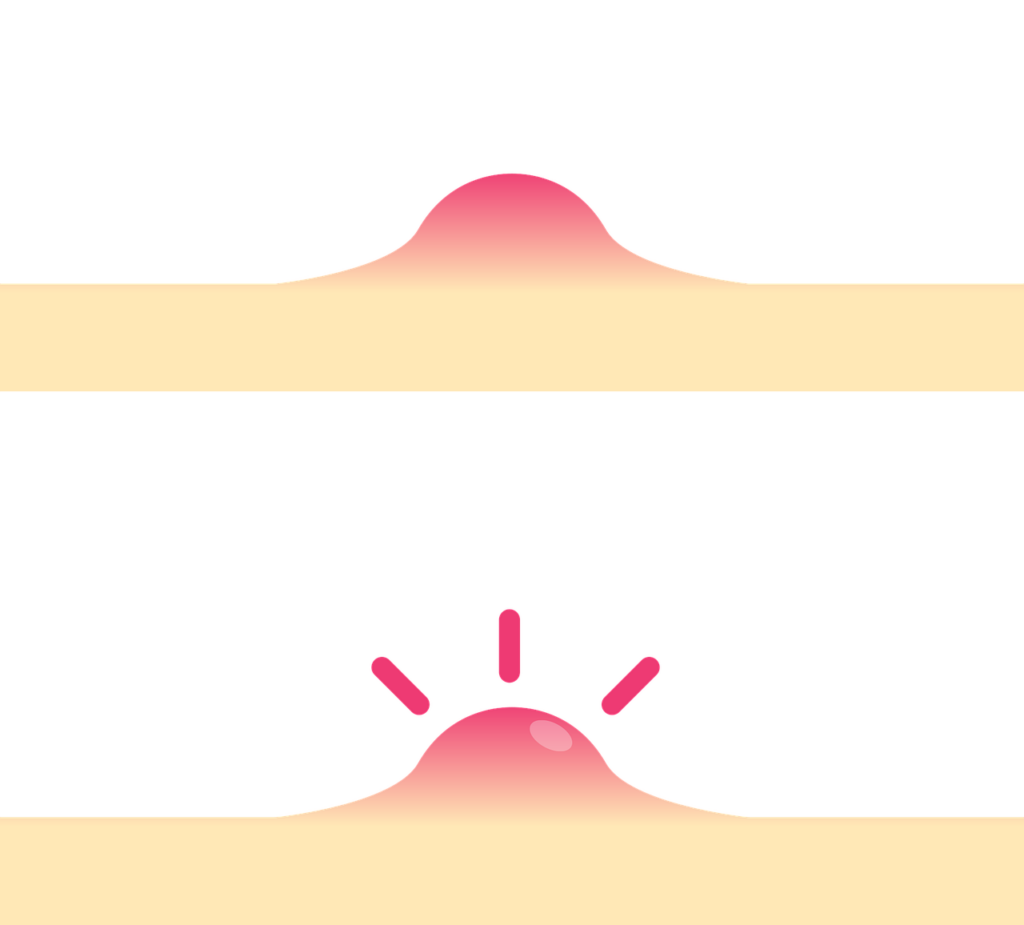
Pimples form when the skin’s oil glands become clogged with sebum, dead skin cells, and bacteria. This leads to the development of a small bump or lesion on the skin. The clogged pore can then become inflamed, resulting in redness, swelling, and tenderness.
Pimple lifecycle stages
Pimples go through several stages during their development and healing process. The first stage is the initial appearance of a small, inflamed bump on the skin, which gradually increases in size. This is followed by the formation of a white or yellow head, indicating the presence of pus. Eventually, the pimple dries out, the head may burst or be absorbed back into the skin, and the healing process begins.
Different types of pimples
There are various types of pimples that can occur on the skin. Minor pimples, such as whiteheads and blackheads, are relatively common and typically resolve within a few days. Moderate pimples, like papules and pustules, involve more inflammation and may take longer to heal. Severe pimples, such as nodules and cysts, are deeper and often require more intensive treatment for healing.
Minor pimples
Whiteheads
Whiteheads are small, raised bumps with a white or flesh-colored head. They occur when a pore becomes clogged with excess oil, dead skin cells, and bacteria, resulting in a closed comedo. Whiteheads typically heal within a few days or weeks without leaving significant marks or scars.
Blackheads
Blackheads are similar to whiteheads, but the pore remains open, exposing the clogged material to the air. This exposure causes the top of the comedo to darken, giving it a characteristic black appearance. Blackheads often take slightly longer to heal compared to whiteheads, but with proper skincare and treatment, they can be effectively managed.
Moderate pimples
Papules
Papules are small, red bumps on the skin that are often tender to the touch. They occur when the walls of a clogged pore break down, leading to inflammation and the formation of a solid, raised lesion. Papules can take several days or even weeks to fully heal, especially if they become further irritated or infected.
Pustules
Pustules are characterized by their pus-filled appearance. These pimples have a yellow or white head on top of a red base. They are formed when the immune system sends white blood cells to the affected area to combat the infection. Pustules may take a bit longer to heal compared to papules due to the presence of pus and the immune response involved.
Severe pimples
Nodules
Nodules are larger, painful pimples that develop deep within the skin. These hard, solid bumps are typically caused by a severe blockage of the hair follicle and oil gland. Nodules often require medical intervention and can persist for several weeks or even months before healing completely.
Cysts
Cysts are one of the most severe forms of acne and often result in scarring. These large, inflamed, fluid-filled lesions extend deep into the skin and can be extremely painful. Cysts may require professional medical treatment, including drainage and medication, and can take a significant amount of time to heal fully.
Treating pimples
Topical medications
Topical medications, such as creams, gels, and lotions, are often used to treat pimples. Over-the-counter options containing ingredients like benzoyl peroxide or salicylic acid can help reduce inflammation and kill bacteria. Prescription-strength topical treatments, such as retinoids or antibiotics, may be necessary for more severe cases.
Oral medications
Oral medications, like antibiotics or hormonal birth control pills, are sometimes prescribed for persistent or severe pimples. These medications work from within the body to target the underlying causes of acne, such as bacteria or hormonal imbalances. Oral medications can provide effective results but often require several weeks or months of consistent use to see improvement.
Home remedies
Many individuals also turn to home remedies to help treat and heal pimples. These may include natural ingredients like tea tree oil, aloe vera, or apple cider vinegar. While home remedies can be a convenient and cost-effective option, their effectiveness varies, and it’s important to use caution and perform a patch test before applying them to the entire face.
Expected duration of pimple healing
Minor pimples
Minor pimples, including whiteheads and blackheads, usually resolve within a few days to a week. With proper skincare and by avoiding picking or popping them, these types of pimples should heal relatively quickly without leaving scars or marks.
Moderate pimples
Moderate pimples like papules and pustules may take a bit longer to heal compared to minor ones. On average, they can persist for one to two weeks, but this can vary depending on individual factors and the chosen treatment method.
Severe pimples
Severe pimples like nodules and cysts often require more intensive treatment and care. The healing process for these types of pimples can range from a few weeks to months. It’s crucial to seek medical advice and follow professional guidance to manage and heal severe pimples effectively.
Factors that can expedite pimple healing
Proper skincare routine
Maintaining a consistent and proper skincare routine can significantly speed up the healing process of pimples. This includes using gentle cleansers, moisturizers suitable for your skin type, and non-comedogenic products that won’t clog pores further. Additionally, regular exfoliation can help remove dead skin cells, allowing for faster healing.
Avoiding picking or popping pimples
Picking or popping pimples can introduce more bacteria to the area and cause further inflammation, leading to extended healing times and an increased risk of scarring. It’s essential to resist the urge and allow pimples to heal naturally without interference.
Healthy diet and lifestyle
A healthy diet and lifestyle can contribute to faster healing of pimples. Consuming a balanced diet rich in fruits, vegetables, whole grains, and lean proteins can provide essential nutrients that promote skin health. Regular exercise, adequate sleep, and stress management can also help support the body’s natural healing processes.
Effective treatment
Choosing an effective treatment method tailored to your skin type and the severity of the pimple is crucial for expedited healing. Following a dermatologist’s recommendations and using prescribed medications or targeted treatments can help reduce inflammation, kill bacteria, and accelerate the healing process.
Reducing stress levels
High levels of stress can exacerbate acne and prolong the healing process of pimples. Finding healthy ways to manage stress, such as through exercise, meditation, or hobbies, can help reduce inflammation and promote quicker healing.
When to seek medical advice
Pimples that do not improve
If pimples do not show any improvement or continue to worsen despite proper skincare and home remedies, it may be time to seek medical advice. A dermatologist can assess your specific situation and recommend appropriate treatments for faster healing.
Increasing pain or discomfort
Pimples that become increasingly painful, tender, or uncomfortable should not be ignored. These symptoms may indicate an infection or other underlying issues that require professional attention.
Pimples with signs of infection
Pimples that exhibit signs of infection, such as excessive redness, warmth to the touch, or the presence of pus, should be examined by a healthcare professional. Infections may require medical intervention, including antibiotics or drainage, to promote healing and prevent complications.
Cystic or nodular acne
Cystic or nodular acne, characterized by deep, painful lesions, often requires medical treatment. These severe forms of acne can lead to scarring if not properly managed. A dermatologist can provide appropriate interventions and guide you through the healing process.
Preventing future breakouts
Keeping the skin clean
Maintaining clean skin is essential in preventing future breakouts. Regularly cleansing the face with a gentle, non-comedogenic cleanser can help remove excess oil, dirt, and bacteria, reducing the chances of clogged pores.
Avoiding pore-clogging products
Using non-comedogenic or oil-free skincare and cosmetic products can help prevent the formation of new pimples. These products are formulated to not block pores, reducing the risk of clogged follicles.
Using non-comedogenic skincare
Incorporating non-comedogenic moisturizers and sunscreen into your skincare routine can help keep the skin hydrated and protected without clogging pores. Look for products labeled as non-comedogenic or oil-free to prevent future breakouts.
Regular exfoliation
Regular exfoliation helps remove dead skin cells and unclog pores, reducing the risk of new pimples forming. However, it’s important not to over-exfoliate, as this can irritate the skin and potentially worsen acne. Stick to a gentle exfoliation routine, using products suitable for your skin type.
Maintaining a healthy lifestyle
Maintaining a healthy lifestyle can significantly impact your skin’s health and prevent future breakouts. This includes eating a balanced diet, staying hydrated, getting enough sleep, managing stress levels, and avoiding smoking and excessive alcohol consumption.
In conclusion, the duration of a pimple can vary depending on various factors such as skin type, pimple severity, treatment methods, immune system, and lifestyle habits. Understanding the timeline of pimple development and the different types of pimples can help manage expectations for healing. By implementing proper skincare routines, avoiding picking or popping pimples, and seeking medical advice when necessary, you can expedite the healing process and prevent future breakouts. Remember to prioritize a healthy diet and lifestyle to support your skin’s natural healing capabilities.