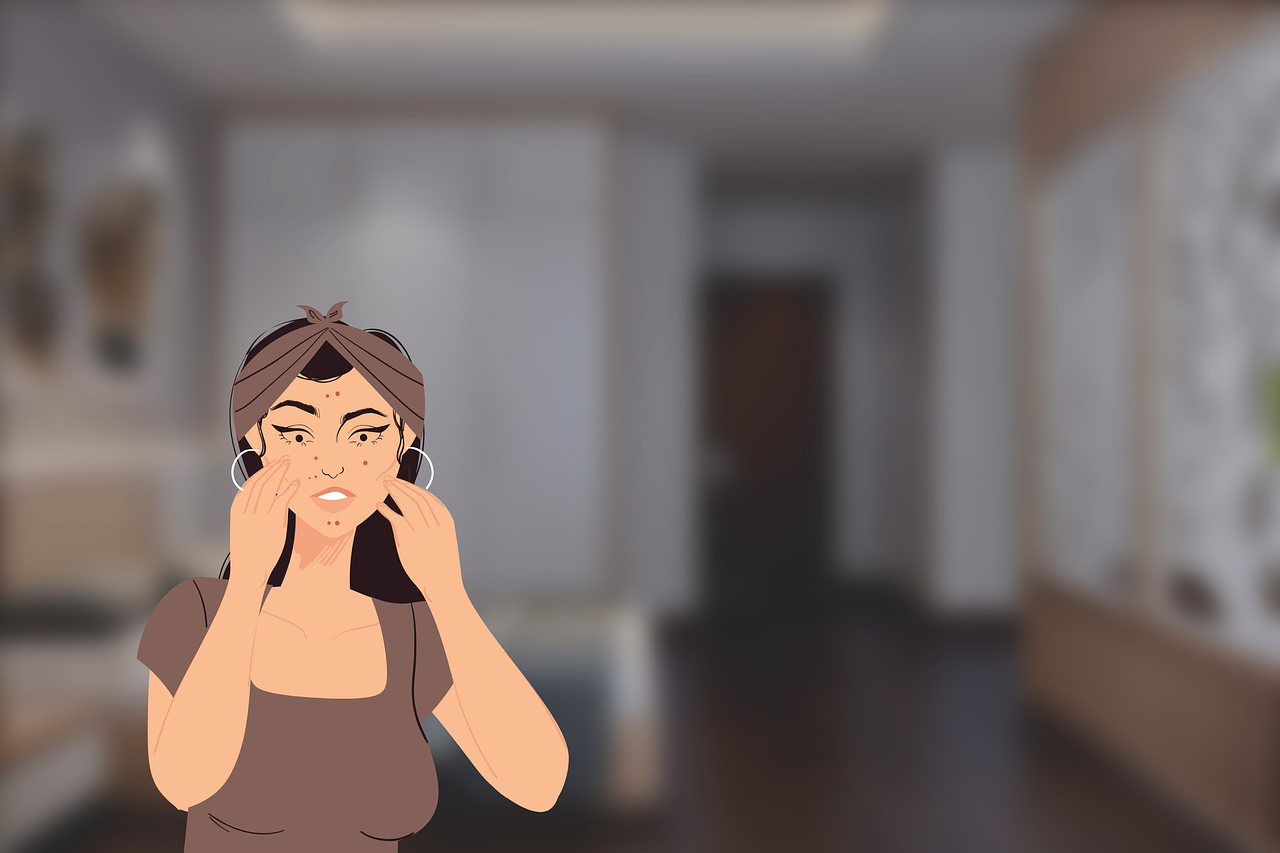
Have you ever wondered how long it takes for a pesky pimple to disappear on its own? We’ve all had those frustrating moments when a blemish pops up at the most inconvenient time. But fear not, because in this article, we’re going to explore the natural timeline of a pimple’s lifespan. From its initial appearance to its eventual disappearance, we’ll uncover the secrets behind this all-too-common skin issue. So, let’s get ready to bid farewell to those unwanted visitors on your face!
Factors Influencing the Length of Pimple Healing
Skin Type
Your skin type plays a significant role in how quickly a pimple will heal. People with oily and acne-prone skin tend to have a longer healing process compared to those with dry or normal skin. Oily skin produces excess sebum, which can clog the pores and lead to the formation of pimples. Additionally, oily skin is more prone to inflammation and bacterial growth, which can prolong the healing process.
Severity of the Pimple
The severity of a pimple also affects the healing time. Pimples can range from mild to severe, with the severity determined by factors such as size, redness, and pain. Mild pimples, such as whiteheads or blackheads, tend to heal more quickly compared to larger and more inflamed acne lesions. Severe pimples, like cystic acne, may take much longer to fully heal due to their deep and painful nature.
Location of the Pimple
The location of a pimple on your face or body can impact how long it takes to heal. Pimples that are closer to the surface and have easy access to oxygen tend to heal faster than those in deeper layers of the skin. For example, a pimple on your forehead might heal quicker than one on your chin, which is a common area for hormonal breakouts. Pimples in areas with more oil glands, such as the T-zone, may also take longer to heal.
Skincare Routine
Your skincare routine can significantly influence the healing time of a pimple. Consistent and appropriate skincare practices can expedite the healing process, while improper routines can exacerbate the problem. Cleansing your face twice a day, using gentle exfoliators, and applying suitable acne treatments can help clear up pimples faster. Additionally, using non-comedogenic moisturizers and sunscreen can ensure that your skin remains healthy during the healing process.
Diet and Lifestyle
Your diet and lifestyle choices can impact the health of your skin and thus affect the healing time of pimples. Consuming a diet high in processed foods, sugary snacks, and dairy products may worsen acne and prolong the healing process. On the other hand, a balanced diet with plenty of fruits, vegetables, and whole grains can promote healthy skin and faster healing. Furthermore, maintaining a healthy lifestyle that includes regular exercise and sufficient sleep can also contribute to quicker pimple healing.
Hormonal Factors
Hormonal imbalances can contribute to the formation of pimples and influence their healing time. Fluctuations in hormone levels, particularly during puberty, menstruation, pregnancy, or menopause, can increase sebum production and result in more frequent breakouts. Hormonal acne tends to be deeper and more stubborn, often taking longer to heal. In such cases, consulting a healthcare professional or dermatologist may be beneficial in managing and treating hormonal acne effectively.
Different Stages of Pimple Development
Formation of a Pimple
The development of a pimple begins with the formation of a clogged pore. This occurs when the skin’s natural oils, dirt, and dead skin cells block the hair follicles, creating an ideal environment for bacteria to grow. This stage is usually not noticeable and may take a few days to progress to the next stage.
Inflammatory Stage
During the inflammatory stage, the body’s immune response kicks in to fight the infection caused by the bacteria present in the clogged pore. As the immune system activates, the affected area becomes red, swollen, and may appear as a small, raised bump. This stage typically lasts for about 1 to 3 days, depending on the severity of the pimple.
Pus-filled Stage
In the pus-filled stage, the pimple becomes more prominent and may develop a white or yellowish head consisting of pus. This occurs when the immune system sends white blood cells to the affected area to combat the infection. The presence of pus indicates that the body is actively fighting the bacteria within the pimple. This stage can last for a few days to a week, depending on the size and severity of the pimple.
Healing Stage
Once the body successfully eliminates the infection, the pimple enters the healing stage. During this phase, the inflammation subsides, and the pimple gradually shrinks in size. The body works to repair any damage caused by the pimple, and the skin’s natural healing processes, such as collagen production, help to fade any residual redness or discoloration. The length of the healing stage can vary significantly, ranging from a few days to several weeks, depending on the individual and the specific pimple.
Timeline for Pimple Healing
Whiteheads and Blackheads
Whiteheads and blackheads, also known as non-inflammatory acne, typically heal more quickly compared to other types of pimples. With proper skincare and hygiene practices, whiteheads and blackheads can disappear within a few days to a week. Regular exfoliation, gentle extraction, and using products containing salicylic acid or benzoyl peroxide can speed up the healing process.
Mild to Moderate Pimples
Mild to moderate pimples, such as papules and pustules, usually take longer to heal compared to whiteheads and blackheads. These types of pimples are characterized by redness and pus-filled heads. With consistent skincare and suitable treatments, such as topical creams or gels containing antibiotics or retinoids, mild to moderate pimples can heal within 1 to 2 weeks.
Severe Acne
Severe acne, which includes nodules and cysts, can take a significant amount of time to heal due to their deep and painful nature. These types of pimples often require medical intervention and may not resolve on their own. Dermatological treatments such as oral medications, corticosteroid injections, or professional extraction may be necessary to expedite the healing process. Severe acne can take several weeks to months to completely heal.
Cystic Acne
Cystic acne is the most severe form of acne and can have a prolonged healing time. Cystic pimples are large, inflamed, and deeply embedded in the skin. They can cause significant pain and often leave behind scars if not treated properly. Due to the severe nature of cystic acne, it is important to consult a dermatologist for appropriate treatment options, which may include oral medications or isotretinoin. The healing time for cystic acne can range from several weeks to several months.
Tips to Speed Up Pimple Healing
Maintain a Consistent Skincare Routine
To speed up pimple healing, it is essential to establish and maintain a consistent skincare routine. Cleanse your face twice a day with a gentle cleanser suitable for acne-prone skin. Follow up with a non-comedogenic moisturizer and apply acne treatments, such as benzoyl peroxide or salicylic acid, as recommended by a dermatologist. Consistency is key to ensuring the effectiveness of your skincare routine.
Avoid Picking or Popping Pimples
While it may be tempting to pick or pop a pimple, doing so can lead to further inflammation, infection, and potential scarring. Picking at a pimple can introduce more bacteria into the affected area, prolonging the healing process. It is best to let pimples heal naturally and resist the urge to squeeze or pick at them.
Use Topical Treatments
Topical treatments, such as over-the-counter creams or gels containing acne-fighting ingredients like benzoyl peroxide or salicylic acid, can help speed up pimple healing. These products work by reducing inflammation, clearing clogged pores, and killing bacteria. Follow the instructions provided and apply the topical treatment to the affected area as directed.
Apply Warm Compress
Applying a warm compress to a pimple can help reduce inflammation, increase blood circulation, and promote healing. Soak a clean washcloth in warm water, wring out the excess moisture, and gently place it on the pimple for a few minutes. Repeat this process a few times a day to aid in the healing process.
Keep the Affected Area Clean
Keeping the affected area clean is crucial for promoting pimple healing. Avoid excessive touching or rubbing of the pimple, as this can introduce more bacteria and cause further irritation. Wash your face regularly with a gentle cleanser and avoid harsh scrubbing. Additionally, avoid using heavy makeup or products that can clog the pores and prolong the healing process.
Follow a Balanced Diet
Your diet plays a role in overall skin health and healing. Incorporate a balanced diet rich in fruits, vegetables, whole grains, and lean proteins. Avoid or limit the consumption of processed foods, sugary snacks, and dairy products, as these can potentially exacerbate acne. Drinking plenty of water and staying hydrated also contributes to healthy skin.
Manage Stress Levels
Stress can impact your hormonal balance and contribute to the development and worsening of pimples. Incorporate stress-reducing activities into your daily routine, such as exercise, meditation, or engaging in hobbies. Getting enough restful sleep and practicing relaxation techniques can also help manage stress levels and promote faster pimple healing.
When to Seek Medical Help
Persistent or Worsening Acne
If you have tried various at-home treatments and your acne persists or worsens, it may be time to seek medical help. A dermatologist can evaluate your skin condition, provide appropriate medical interventions, and recommend stronger treatments that can help expedite pimple healing.
Severe Pain or Discomfort
If you experience severe pain or discomfort associated with a pimple, especially cystic acne, it is important to consult a healthcare professional. Severe pain may indicate an infection or a more severe underlying issue that requires medical attention and specialized treatment.
Risk of Scarring
If you are concerned about the development of scars as a result of pimples, it is advisable to consult a dermatologist. They can recommend treatments and interventions to minimize the risk of scarring and help you achieve smoother, blemish-free skin.
In conclusion, the duration for a pimple to heal naturally can vary depending on several factors, including skin type, pimple severity, location, skincare routine, diet, lifestyle, and hormonal factors. Understanding the different stages of pimple development and their respective healing times can help manage expectations. By following a consistent skincare routine, avoiding picking or popping pimples, using topical treatments, applying warm compresses, keeping the affected area clean, maintaining a balanced diet, managing stress levels, and seeking medical help when necessary, you can optimize the healing process and achieve clear, healthy skin.