
Are pesky pimples getting in the way of achieving the flawless skin you desire? Look no further! In this article, you will discover the best practices for pimple removal that will help you achieve clearer and healthier skin. Say goodbye to those annoying blemishes and embrace a fresh and confident complexion. So, let’s dive into these effective tips and tricks to banish pimples and welcome clearer, smoother skin!
Understanding Pimples
Pimples, also known as acne, are a common skin condition that affects many people, especially during adolescence. Understanding the causes and types of pimples can help in effectively managing and preventing their formation.
Causes of Pimples
Pimples are primarily caused by an excess production of oil and the accumulation of dead skin cells, which block the pores of the skin. This leads to the formation of pimples. Hormonal changes, particularly during puberty, can contribute to increased oil production and the development of acne. Other causes include excessive sebum production, bacterial growth, and inflammation.
Types of Pimples
There are several different types of pimples, each with distinct characteristics. These include whiteheads, blackheads, papules, pustules, nodules, and cysts. Whiteheads are small, closed bumps that occur when the pore becomes clogged with sebum and dead skin cells. Blackheads, on the other hand, result from a pore being partially blocked and the buildup of sebum and dead skin cells oxidizing, giving them a dark appearance.
Papules are small, raised bumps that can be red or pink and occur when the walls around the pores break down due to inflammation. Pustules, commonly referred to as “pimples,” are similar to papules but also contain pus. Nodules are larger, solid bumps that develop beneath the surface of the skin and can be painful. Cysts are the most severe form of acne and are characterized by large, painful bumps filled with pus. Understanding the different types of pimples can help determine the appropriate treatment methods.
Factors that Contribute to Pimple Formation
While the specific causes of pimples vary from person to person, there are certain factors that can contribute to their formation. Hormonal fluctuations, such as those experienced during puberty or menstrual cycles, can increase the likelihood of developing pimples. Other factors include genetics, certain medications, stress levels, and environmental factors like humidity and pollution. Understanding these factors can help individuals identify potential triggers and take steps to prevent the formation of pimples.
Preventing Pimple Formation
Preventing pimple formation is possible with a few simple steps incorporated into your daily routine. By establishing a skincare routine, keeping your face clean, avoiding harsh products, managing stress levels, and maintaining a healthy diet, you can significantly reduce the occurrence of pimples.
Establishing a Skincare Routine
Establishing a regular skincare routine is essential for maintaining clear skin. Start by cleansing your face twice a day to remove excess oil, dirt, and impurities. Choose a gentle cleanser suited for your skin type, whether it’s dry, oily, or combination skin. Follow up with a toner to remove any residual debris and balance your skin’s pH levels.
Exfoliating your skin once or twice a week can help remove dead skin cells and unclog pores, reducing the likelihood of pimple formation. Be sure to use a gentle exfoliator appropriate for your skin type to avoid irritating your skin.
Keeping Your Face Clean
Keeping your face clean throughout the day is crucial to prevent the buildup of oil, dirt, and bacteria, which can lead to pimple formation. Avoid touching your face with unwashed hands, as this can transfer bacteria and irritate your skin.
If you have oily skin, use oil-free products and blotting papers to control excess oil. It’s also important to wash your face immediately after sweating, as sweat can contribute to clogged pores.
Avoiding Harsh Products
Using harsh products on your face can strip away natural oils, leading to dryness and potentially triggering an increase in oil production. Avoid products with harsh ingredients or fragrances, as they can irritate the skin and exacerbate pimple formation. Look for non-comedogenic, gentle, and hypoallergenic products that won’t clog your pores.
Managing Stress Levels
Stress can play a significant role in the development of pimples. When you’re stressed, your body produces more cortisol, a hormone that can increase oil production and the likelihood of developing acne. Engaging in stress-reducing activities such as exercise, meditation, and deep breathing exercises can help manage stress levels and minimize the occurrence of pimples.
Maintaining a Healthy Diet
Maintaining a healthy diet can positively impact your skin’s health and reduce the likelihood of pimple formation. Consuming a balanced diet rich in fresh fruits, vegetables, whole grains, and lean proteins provides the essential nutrients your skin needs to stay healthy.
Avoiding excess sugar and processed foods is also vital, as they can contribute to inflammation and exacerbate acne. Opt for foods rich in antioxidants, such as berries, leafy greens, and nuts, as they help fight free radicals and promote overall skin health. Additionally, include omega-3 fatty acids in your diet, found in fish, flaxseeds, and walnuts, as they have anti-inflammatory properties that can benefit your skin.

Effective Pimple Removal Techniques
While prevention is crucial, dealing with existing pimples effectively is equally important for clearer skin. Several techniques can be employed to remove pimples and help heal the skin.
Using Topical Treatments
Topical treatments containing ingredients such as benzoyl peroxide, salicylic acid, retinoids, sulfur, and tea tree oil can effectively target and eliminate pimples. Benzoyl peroxide works by killing bacteria and reducing inflammation, making it particularly effective for inflammatory acne. Salicylic acid helps unclog pores and exfoliate the skin, preventing new pimples from forming. Retinoids promote the turnover of skin cells, reducing the formation of new pimples. Sulfur-based products have antibacterial properties and help dry out existing pimples. Tea tree oil has antimicrobial properties that can kill bacteria and reduce inflammation.
For severe cases, prescription-strength topical treatments may be necessary. These can include topical antibiotics, stronger retinoids, or combination treatments prescribed by a dermatologist.
Applying Natural Remedies
Natural remedies can also provide effective pimple removal without the use of harsh chemicals. Tea tree oil, known for its antibacterial properties, can be applied topically to reduce inflammation and kill acne-causing bacteria. Aloe vera has soothing properties and can help calm redness and inflammation. Honey, with its antimicrobial properties, can be used as a spot treatment to reduce pimple size and redness. Turmeric, apple cider vinegar, and witch hazel are other natural remedies that can be used topically to target pimples and promote healing.
Undergoing Professional Treatments
In some cases, professional treatments may be required to effectively remove pimples. These treatments are often performed by dermatologists and can provide more intensive solutions.
Chemical peels involve the application of a chemical solution to the skin, which exfoliates and peels off the top layer, revealing smoother skin and reducing the appearance of pimples. Microdermabrasion uses a special device to exfoliate the skin and remove dead cells, helping to unclog pores and diminish pimples. Laser therapy is another option, which can target and destroy bacteria, reduce oil production, and stimulate collagen production for healthier skin. Cortisone injections can be used for large, inflamed cystic acne, helping to reduce inflammation and speed up the healing process. Extraction is a manual process performed by a dermatologist, where they carefully remove the contents of a pimple using specialized tools.
Lifestyle Changes to Support Clearer Skin
In addition to skincare techniques, certain lifestyle changes can promote clearer skin and a reduction in pimple formation.
Maintaining Good Hygiene
Maintaining good hygiene is key to preventing the spread of bacteria and keeping your skin clean. Wash your hands regularly and avoid touching your face to minimize the transfer of bacteria and other impurities to your skin.
Avoiding Touching the Face
Touching your face throughout the day can introduce dirt, oil, and bacteria that can clog your pores and lead to pimple formation. It may be challenging at first, but conscious effort to avoid touching your face can significantly reduce the occurrence of pimples.
Using Oil-Free Products
Using oil-free products, particularly those formulated for acne-prone skin, can help control oil production and prevent clogged pores. Look for labels that indicate “non-comedogenic” or “oil-free” to ensure the products won’t contribute to pimple formation.
Washing Pillowcases Regularly
Pillowcases can accumulate dirt, oil, and bacteria, making them potential culprits for pimple formation. To prevent these impurities from transferring onto your skin, wash your pillowcases regularly using fragrance-free, gentle detergents.
Avoiding Excessive Sun Exposure
While some sun exposure is beneficial for vitamin D production, excessive exposure can be detrimental to your skin. UV rays can damage the skin, increase oil production, and potentially worsen acne. It’s crucial to use sunscreen with at least SPF 30 and seek shade during peak sun hours to protect your skin.
Getting Enough Sleep
Adequate sleep plays a vital role in maintaining overall health, as well as clear skin. Lack of sleep can lead to increased stress levels, hormone imbalances, and inflammation, which are all factors that contribute to pimple formation. Aim for seven to nine hours of quality sleep each night to support healthy skin.

Dietary Considerations for Clearer Skin
Maintaining a healthy diet can have a significant impact on the clarity of your skin. Certain dietary considerations can help reduce inflammation, regulate hormone levels, and promote the overall health of your skin.
Eating a Balanced Diet
A balanced diet that includes a variety of fruits, vegetables, whole grains, lean proteins, and healthy fats is essential for clear skin. These foods provide a wide range of vitamins, minerals, and antioxidants that support skin health.
Avoiding Sugar and Processed Foods
High-sugar and processed foods can contribute to inflammation in the body and increase oil production, leading to pimple formation. Opt for natural sugars found in fruits and avoid processed snacks, sugary beverages, and desserts to maintain clearer skin.
Consuming Foods Rich in Antioxidants
Foods rich in antioxidants, such as berries, leafy greens, and nuts, can help fight free radicals and reduce inflammation. Including these foods in your diet can support overall skin health and reduce the occurrence of pimples.
Drinking Plenty of Water
Staying hydrated is essential for maintaining healthy skin. Drinking an adequate amount of water helps flush out toxins, keeps the skin moisturized, and aids in the elimination of waste. Aim to drink at least eight glasses of water per day.
Including Omega-3 Fatty Acids in Your Diet
Omega-3 fatty acids found in fatty fish, flaxseeds, and walnuts have anti-inflammatory properties that can help reduce inflammation and promote clearer skin. Including these foods in your diet can provide the necessary nutrients to support healthy skin.
Developing a Skincare Routine
Developing a personalized skincare routine is crucial for maintaining clear and healthy skin. By incorporating cleansing, exfoliating, toning, moisturizing, using sunscreen, and choosing the right skincare products, you can effectively protect your skin from pimples.
Cleansing
Cleansing your face twice a day, in the morning and before bed, is a fundamental step in any skincare routine. Use a gentle cleanser suited for your skin type to remove dirt, oil, and impurities without stripping away natural oils. Massage the cleanser into your skin using circular motions, then rinse thoroughly with lukewarm water.
Exfoliating
Exfoliating your skin once or twice a week can help remove dead skin cells, unclog pores, and promote cell turnover. Use a gentle exfoliator suited for your skin type and avoid harsh scrubbing, as it can irritate the skin and worsen pimples. Be sure to follow up with toning and moisturizing after exfoliating.
Toning
Toning is an important step to balance your skin’s pH levels, remove any residual debris, and prepare your skin for further skincare products. Choose a toner that suits your skin type and apply it using a cotton pad or by gently patting it onto your skin.
Moisturizing
Moisturizing is crucial for keeping your skin hydrated and preventing dryness, which can lead to increased oil production and clogged pores. Choose a moisturizer suited for your skin type, whether it’s lightweight for oily skin or more emollient for dry skin. Apply the moisturizer evenly onto your face, focusing on areas prone to dryness or pimples.
Using Sunscreen
Sunscreen is an essential step in any skincare routine, as it protects your skin from harmful UV rays that can damage and irritate the skin. Choose a broad-spectrum sunscreen with at least SPF 30 and apply it generously to all exposed areas of your skin. Make sure to reapply every two hours if you’re spending time outdoors.
Choosing the Right Skincare Products
Choosing the right skincare products for your skin type and concerns is crucial to achieve and maintain clear skin. Look for non-comedogenic, oil-free, and hypoallergenic products that won’t clog your pores. If you have specific concerns such as acne, oily skin, or sensitive skin, opt for products formulated to target those issues.
When to Seek Professional Help
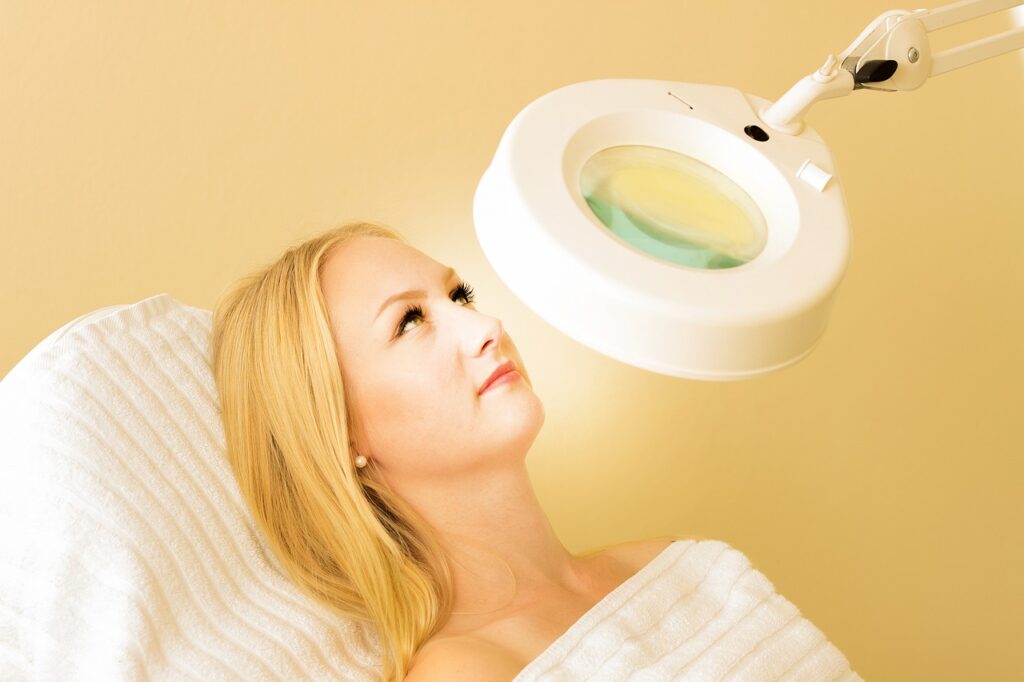
While many cases of pimples can be effectively managed with over-the-counter treatments and lifestyle changes, there are instances where professional help may be necessary.
Persistent or Severe Acne
If you have persistent or severe acne that doesn’t respond to at-home remedies or over-the-counter treatments, it’s advisable to seek professional help. A dermatologist can assess your skin, determine the best course of treatment, and prescribe medication, such as oral antibiotics or topical retinoids, if necessary.
Scarring from Acne
Acne can sometimes leave behind scars, especially when severe or aggressive picking occurs. If you’re concerned about scarring from acne, consult with a dermatologist who can recommend appropriate treatments, such as chemical peels, laser therapy, or microneedling, to reduce the appearance of scars and improve skin texture.
Negative Impact on Self-esteem
Pimples can take a toll on one’s self-esteem and confidence. If acne is causing significant emotional distress or impacting your mental well-being, it’s important to seek professional help. A dermatologist can provide guidance, support, and recommend appropriate treatments to help manage acne and boost self-esteem.
Difficulty Managing Acne on Your Own
If you find it challenging to manage your acne on your own, despite following a skincare routine and making necessary lifestyle changes, it’s crucial to consult with a dermatologist. They can evaluate your skin, identify any underlying causes or contributing factors, and create a personalized treatment plan to effectively manage your acne.
In conclusion, understanding the causes, types, and factors that contribute to pimple formation is crucial in effectively preventing and managing acne. By following skincare best practices, incorporating lifestyle changes, and seeking professional help when necessary, you can achieve clearer skin and boost your self-confidence. Remember, everyone’s skin is unique, so finding a routine and treatment plan that works for you may require some experimentation. Be patient, and with time and consistent effort, you can achieve the clear and healthy skin you desire.