In “Removing Acne Scars: Your Comprehensive Guide to Clear Skin”, you’ll discover a treasure trove of information on how to effectively tackle those pesky acne scars and achieve the clear, radiant skin you’ve always dreamed of. From tried-and-true remedies to cutting-edge treatments, this comprehensive guide will equip you with the knowledge and tools necessary to reclaim your confidence and say goodbye to acne scars once and for all. Say hello to a fresh start with clearer, smoother skin as you embark on this transformative journey.
Understanding Acne Scars
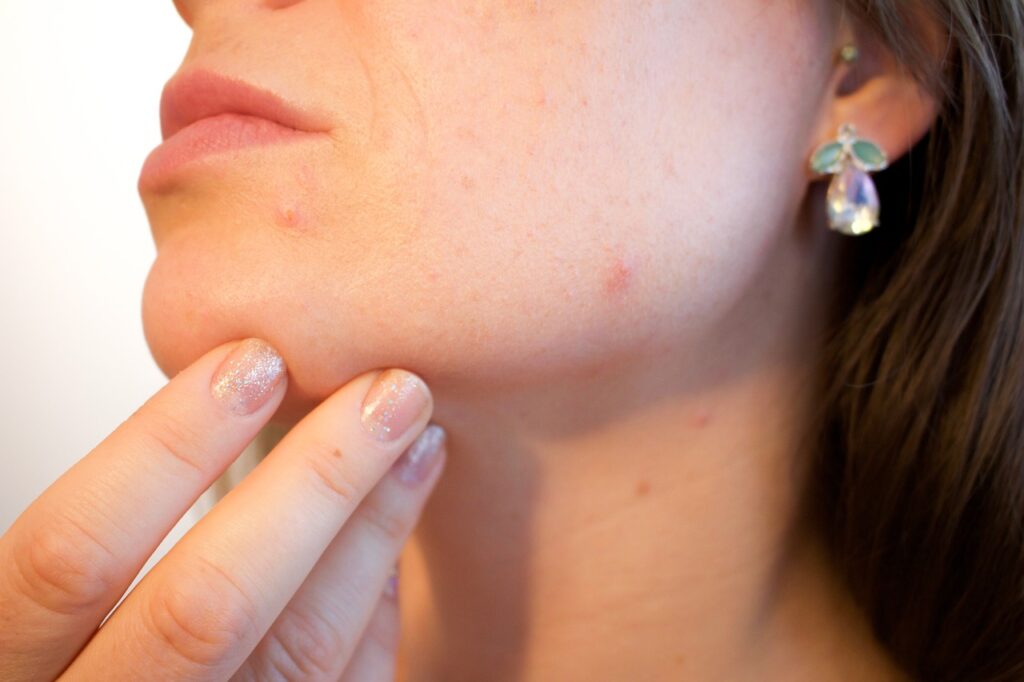
Acne scars can be an unfortunate lasting reminder of past acne breakouts. Understanding the different types of acne scars, the causes behind them, and the factors that affect their development can help you make informed decisions about treatment options and prevention strategies.
Types of Acne Scars
Acne scars come in various forms, including ice pick scars, boxcar scars, and rolling scars. Ice pick scars are deep and narrow, while boxcar scars have sharp edges and resemble depressions or craters. Rolling scars, on the other hand, are characterized by undulations or wave-like formations on the skin. Each type of scar requires a specific approach for effective treatment.
Causes of Acne Scars
Acne scars are primarily caused by inflammatory acne, a type of acne that affects the deeper layers of the skin. When the skin experiences a breakout, inflammation occurs, leading to the destruction of collagen and the formation of scars. Factors such as the severity of acne, the depth of the inflammation, and the individual’s skin type can influence the likelihood of developing acne scars.
Factors Affecting Acne Scarring
Several factors can affect the extent and severity of acne scarring. One crucial factor is the delay in treating acne. The longer acne goes untreated or is inadequately treated, the higher the chances of scarring. Genetic predispositions and individual healing capabilities can also influence scar formation. Additionally, manipulating or picking at acne lesions can worsen scarring, as can exposure to excessive sunlight without proper protection.
Preventing Acne Scars
While preventing acne entirely may not always be possible, there are steps you can take to minimize the risk of developing acne scars.
Proper Acne Treatment
Treating acne effectively and promptly is crucial in preventing scars. Consult with a dermatologist to devise a personalized treatment plan tailored to your specific skin condition. Depending on the severity of your acne, your dermatologist may recommend topical medications, oral medications, or a combination of both. Consistency and adherence to the prescribed treatment plan are vital for preventing scar formation.
Avoiding Picking or Squeezing
Resist the urge to pick or squeeze your acne lesions, as this can lead to increased inflammation and damage to the surrounding tissue. Picking can prolong healing time and increase the risk of scarring. Instead, practice gentle cleansing techniques and use non-comedogenic skincare products to keep your skin clean without causing further irritation.
Protecting the Skin from Sun Damage
Sun exposure can exacerbate acne scars, as ultraviolet (UV) radiation can darken and prolong the appearance of scars. To protect your skin from sun damage, always apply a broad-spectrum sunscreen with at least SPF 30 before going outside. Seek shade during peak sunlight hours and wear protective clothing, such as hats and long sleeves, when possible.
Home Remedies for Acne Scars
While home remedies may not completely eradicate acne scars, they can help improve their appearance and promote overall skin health.
Lemon Juice
Lemon juice is a natural bleaching agent that can help lighten acne scars over time. Gently apply fresh lemon juice to your scars using a cotton swab or your fingertips. Leave it on for a few minutes before rinsing with warm water. Be cautious while using lemon juice, as it may cause skin irritation for some individuals. It is always recommended to perform a patch test before applying it to your entire face.
Aloe Vera
Aloe vera has soothing and healing properties that can aid in reducing the visibility of acne scars. Apply fresh aloe vera gel directly to your scars and leave it on for 30 minutes before rinsing off. Regular application of aloe vera can help improve the texture and tone of your skin.
Honey and Cinnamon Mask
Combining honey and cinnamon creates a nourishing face mask that can promote skin healing and reduce the appearance of acne scars. Mix equal parts of honey and cinnamon powder to form a paste. Apply the mixture to your face and let it sit for 10-15 minutes before rinsing off with lukewarm water. This mask can be used once or twice a week for optimal results.
Over-the-Counter Products for Acne Scars
Several over-the-counter products can help improve the appearance of acne scars. These products often contain active ingredients that promote collagen production and exfoliate the skin.
Topical Retinoids
Topical retinoids, such as retinol or adapalene, can enhance skin cell turnover, unclog pores, and stimulate collagen production. Regular use of topical retinoids can help fade acne scars and improve overall skin texture. However, retinoids can cause skin redness and irritation, so it’s important to start with a low concentration and gradually increase usage as tolerated.
Alpha Hydroxy Acids
Alpha hydroxy acids (AHAs), such as glycolic acid, lactic acid, or mandelic acid, are chemical exfoliants that can help remove the top layer of dead skin cells, revealing fresher and smoother skin beneath. Regular use of AHAs can improve the appearance of acne scars and reduce hyperpigmentation. Start with a lower concentration and gradually increase usage to avoid skin irritation.
Silicone Gel Sheets
Silicone gel sheets provide a protective barrier that helps soften and flatten raised scars over time. These sheets can be applied directly to the affected area and should be worn consistently for optimal results. Silicone gel sheets are a non-invasive and convenient option for improving the appearance of acne scars.
Medical Procedures for Acne Scars
For more severe or persistent acne scars, medical procedures performed by qualified professionals can provide significant improvement.
Chemical Peels
Chemical peels involve applying a chemical solution to the skin, which exfoliates the outer layer, promoting the growth of new, healthy skin. Superficial chemical peels can help reduce the appearance of minor acne scars, while deeper peels can address more severe scarring. However, chemical peels may require multiple sessions and some downtime for recovery.
Microneedling
Microneedling, also known as collagen induction therapy, uses tiny needles to create controlled micro-injuries in the skin. This process stimulates collagen production and improves the texture and appearance of acne scars. Microneedling treatments are typically performed in a dermatologist’s office and may require multiple sessions for optimal results.
Laser Therapy
Laser therapy uses targeted beams of light to resurface the skin and stimulate collagen production. Different laser treatments, such as fractional laser therapy or pulsed dye laser therapy, can effectively reduce the appearance of acne scars. Laser therapy requires professional expertise and may involve a period of redness and swelling post-treatment.
Prescription Treatments for Acne Scars
In some cases, prescription medications or treatments may be necessary to effectively treat acne scars.
Corticosteroid Injections
Corticosteroid injections are commonly used to reduce inflammation and flatten raised scars, such as keloid scars or hypertrophic scars. A dermatologist injects a corticosteroid solution directly into the scar, which helps break down excess collagen and improves the scar’s appearance. Multiple injections may be required over several weeks to achieve the desired results.
Dermabrasion
Dermabrasion involves gently exfoliating the top layers of the skin to diminish the appearance of acne scars. This procedure uses a high-speed rotating brush or diamond wheel to remove the damaged skin. Dermabrasion is typically performed under local anesthesia by a dermatologist or plastic surgeon and may require a few days of downtime for recovery.
Filler Injections
Dermal fillers, such as hyaluronic acid or collagen-based fillers, can be injected into depressed acne scars to temporarily plump and smooth the skin. The injected filler fills in the indentation, making the scar less noticeable. Results typically last several months to a year, depending on the specific filler used.
Diet and Lifestyle Changes for Acne Scars
While diet and lifestyle changes alone may not directly remove acne scars, they can contribute to overall skin health and support the healing process.
Increasing Water Intake
Staying hydrated is essential for proper skin function and overall health. Drinking an adequate amount of water daily can help keep your skin hydrated and support its natural healing processes. Aim to consume at least 8 glasses of water per day and adjust based on your individual needs.
Consuming Antioxidant-rich Foods
Adding antioxidant-rich foods to your diet can help protect your skin from free radicals and promote collagen production. Include foods such as berries, citrus fruits, leafy greens, and nuts, which are rich in vitamins A, C, and E. These vitamins play a crucial role in maintaining healthy skin and may aid in reducing the appearance of acne scars.
Reducing Stress Levels
Stress can exacerbate acne breakouts and impair the healing process of acne scars. Implementing stress reduction techniques such as exercise, meditation, or engaging in activities you enjoy can help manage stress and improve your overall well-being. Prioritizing self-care and finding healthy outlets for stress can contribute to healthier skin.
Natural Supplements for Acne Scars
Certain natural supplements may support the healing process of acne scars and promote overall skin health.
Vitamin E
Vitamin E is known for its antioxidant properties and its ability to support skin healing. Taking vitamin E supplements or applying vitamin E oil topically to the affected area may help reduce inflammation and promote scar healing. However, it is important to consult with a healthcare professional before starting any new supplements to ensure safety and effectiveness.
Zinc
Zinc plays a crucial role in collagen synthesis, making it an essential nutrient for skin health. Incorporating zinc-rich foods such as seafood, lean meats, nuts, and seeds into your diet can support the healing process of acne scars. If needed, zinc supplements can also be taken under the guidance of a healthcare professional.
Fish Oil
Omega-3 fatty acids found in fish oil possess anti-inflammatory properties that may help reduce inflammation associated with acne and acne scars. Including fish oil supplements or incorporating fatty fish, such as salmon or mackerel, into your diet can provide these beneficial nutrients. As always, consult with a healthcare professional before starting any new supplements.
Combining Treatments for Acne Scars
In many cases, combining different treatments and strategies can yield the best results in addressing acne scars.
Creating a Personalized Treatment Plan
Consulting with a dermatologist or skincare professional is essential in creating a personalized treatment plan that targets your specific acne scars and skin type. They can recommend a combination of treatments, medications, and lifestyle adjustments tailored to your unique needs.
Professional Guidance and Consultation
Regular follow-ups with a dermatologist or skincare professional throughout your acne scar treatment journey can help monitor progress and make necessary adjustments. Professional guidance ensures that you receive optimal care and that any concerns or questions you may have are addressed promptly.
Monitoring Progress
Keep track of your progress throughout your treatment journey. Take photographs of your acne scars before initiating treatment and periodically during the course of your chosen interventions. Comparing these images over time will help you determine the effectiveness of the treatments and allow you to make informed decisions regarding further interventions.
Dealing with Emotional Impact
Acne scars can have a significant emotional impact, affecting self-confidence and overall well-being. It is important to address these emotional aspects and seek support when needed.
Building Self-confidence
Focus on building self-confidence and self-acceptance. Understand that acne scars do not define your worth, and that it is a common condition that many people experience. Embrace your unique qualities and engage in activities that make you feel good about yourself.
Counseling Support
If the emotional impact of acne scars becomes overwhelming, seeking counseling support from a mental health professional can be beneficial. A counselor or therapist can help you navigate the emotional challenges, build resilience, and develop coping mechanisms to effectively deal with any negative emotions.
Support Groups
Joining support groups or online communities for individuals with acne scars can provide a sense of belonging and an opportunity to share experiences. Hearing others’ stories and connecting with people who have overcome similar challenges can be empowering and help you feel less alone in your journey towards clear skin.
Removing acne scars requires a comprehensive approach, combining understanding, prevention, treatment, and emotional support. With the variety of treatment options available, there is hope for achieving clearer, healthier skin. Remember to consult with a medical professional or dermatologist to create a personalized plan that is tailored to your individual needs. Stay consistent in your treatment and be patient as healing and improvement take time. With perseverance and the right guidance, you can regain your confidence and enjoy the benefits of clear and rejuvenated skin.