
Are you tired of dealing with the frustrating aftermath of acne scars? Look no further than your own skin for the perfect ally in your journey to find the best treatment. With a plethora of options available, it can be overwhelming to decide which treatment is best for you. But fear not, as this article will guide you through the process of finding the most effective treatment for your acne scars, so you can embrace clearer, smoother skin and boost your confidence. Say goodbye to acne scars and hello to your skin’s new best friend.
Understanding Acne Scars
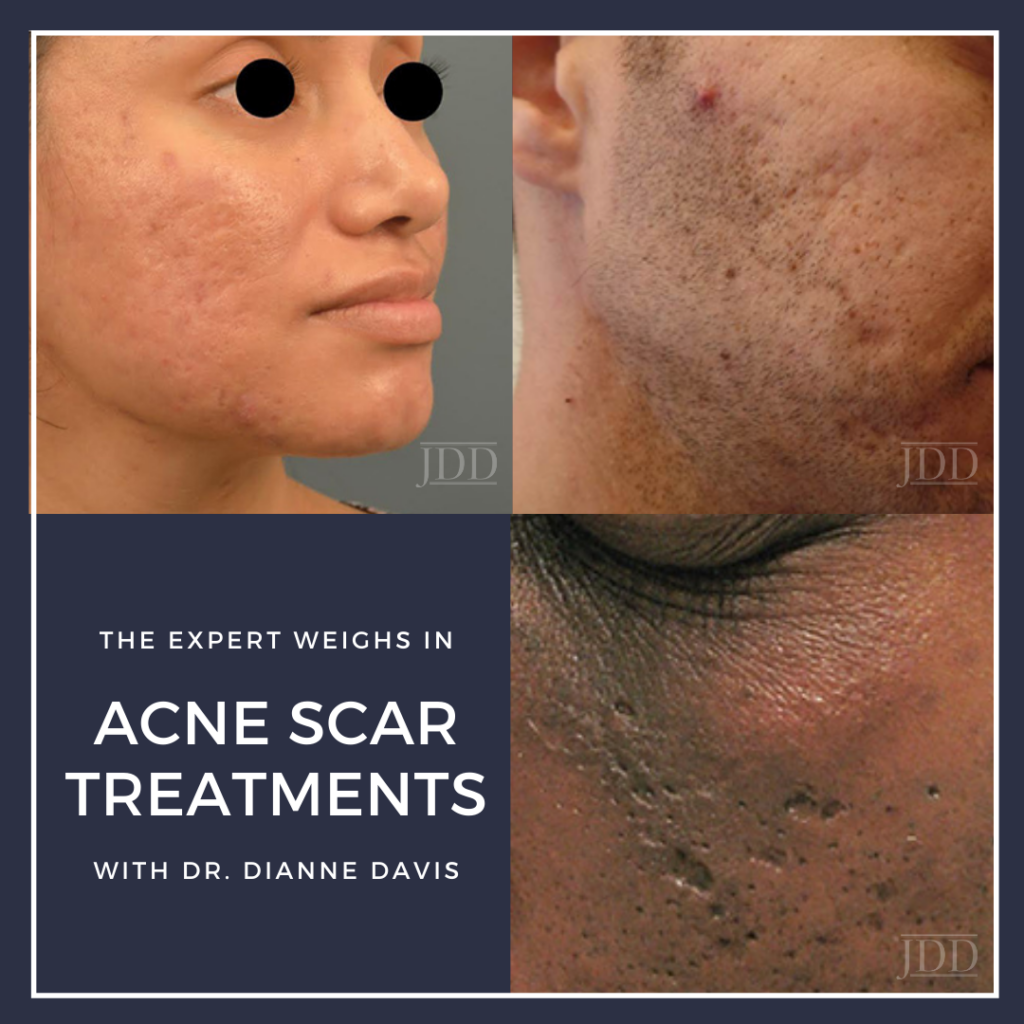
Acne scars can be a persistent reminder of past breakouts, affecting not only your physical appearance but also your self-esteem. Understanding the different types of acne scars is crucial in finding the best treatment for your specific needs. There are two primary types of acne scars: atrophic scars and hypertrophic scars. Atrophic scars are characterized by depressions or indentations in the skin, while hypertrophic scars are raised and often have a thick, bumpy texture. By identifying the type of acne scars you have, you can better navigate the various treatment options available to you.
Causes of Acne Scars
Acne scars are a result of an inflammatory response by the body to acne. When a pimple forms, the skin’s natural healing process can sometimes lead to the formation of scars. Picking or squeezing acne can exacerbate the risk of scarring, as can more severe forms of acne such as cystic acne. It is important to address acne breakouts promptly and effectively to reduce the likelihood of scarring. By understanding the causes of acne scars, you can take steps to prevent them and minimize their impact on your skin.
Impact of Acne Scars on Self-esteem
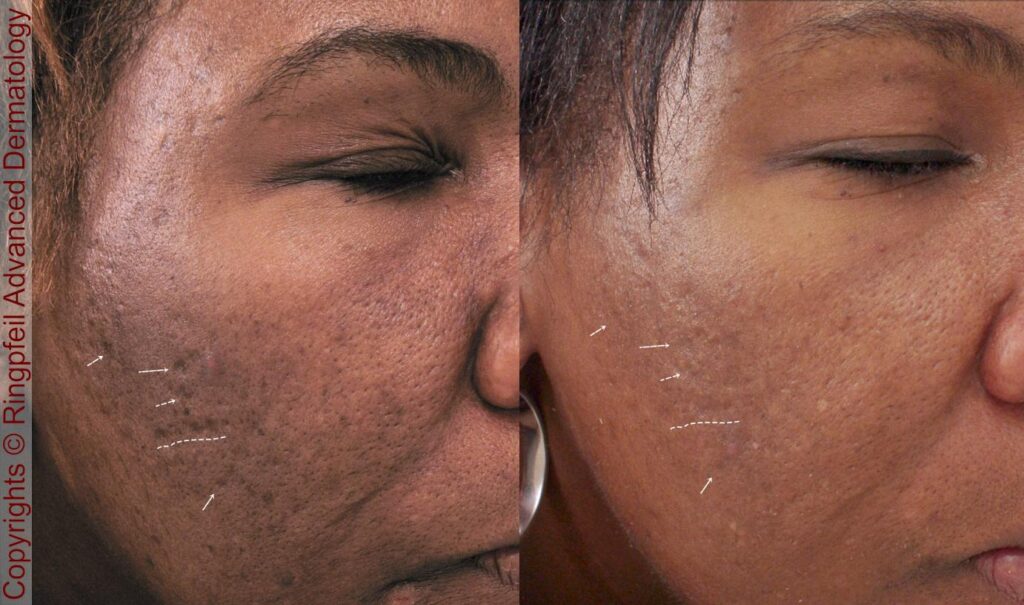
Acne scars can have a profound impact on an individual’s self-esteem. These scars can affect not only how you see yourself but also how others perceive you. Skin imperfections can make you feel self-conscious, leading to a decrease in self-confidence and a reluctance to engage in social activities. It is important to address acne scars not only for the physical improvement of your skin but also for the improvement of your mental well-being. By seeking effective treatment for your acne scars, you can regain your self-esteem and feel more comfortable in your own skin.
Consulting with a Dermatologist
When it comes to treating acne scars, consulting with a dermatologist is crucial. A dermatologist is a qualified medical professional who specializes in treating skin conditions, including acne scars. Their expertise and knowledge can help guide you towards the most suitable treatment options for your specific needs. Seeking professional advice ensures that you receive accurate information and personalized recommendations, increasing the likelihood of achieving desirable results.
Importance of Professional Advice
While there are numerous over-the-counter treatments for acne scars, the guidance of a dermatologist is invaluable. Acne scars can vary greatly in severity and type, and a dermatologist can assess your specific situation to determine the most effective treatment options. They can also provide guidance on potential risks and side effects of various treatments, ensuring your safety throughout the process. Additionally, a dermatologist can monitor your progress and make necessary adjustments to your treatment plan, maximizing your chances of achieving optimal results.
Finding a Qualified Dermatologist
Finding a qualified dermatologist is essential to receiving the best care for your skin. Start by researching dermatologists in your area, reading reviews, and checking their credentials. Look for dermatologists who specialize in acne scar treatment and have a track record of successful outcomes. It is also important to consider factors such as their experience, qualifications, and the comfort level you feel during the initial consultation. Finding a dermatologist who understands your concerns and individualizes your treatment plan can make a significant difference in your overall experience and results.
Preparing for the Appointment
To make the most of your dermatologist appointment, it is essential to come prepared. Before your visit, make a list of any questions or concerns you have about your acne scars. This can help ensure that all your doubts are addressed and that you have a clear understanding of the proposed treatment options. It is also helpful to bring any previous medical records or relevant information about your skin condition to the appointment. By being prepared, you can engage in a meaningful discussion with your dermatologist and work together to develop a tailored treatment plan.
Topical Treatments for Acne Scars
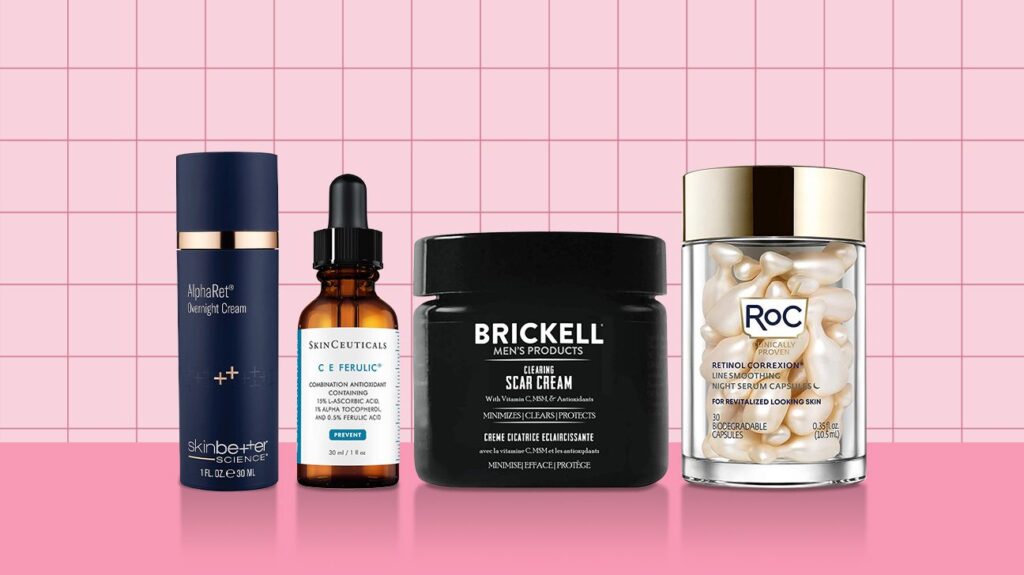
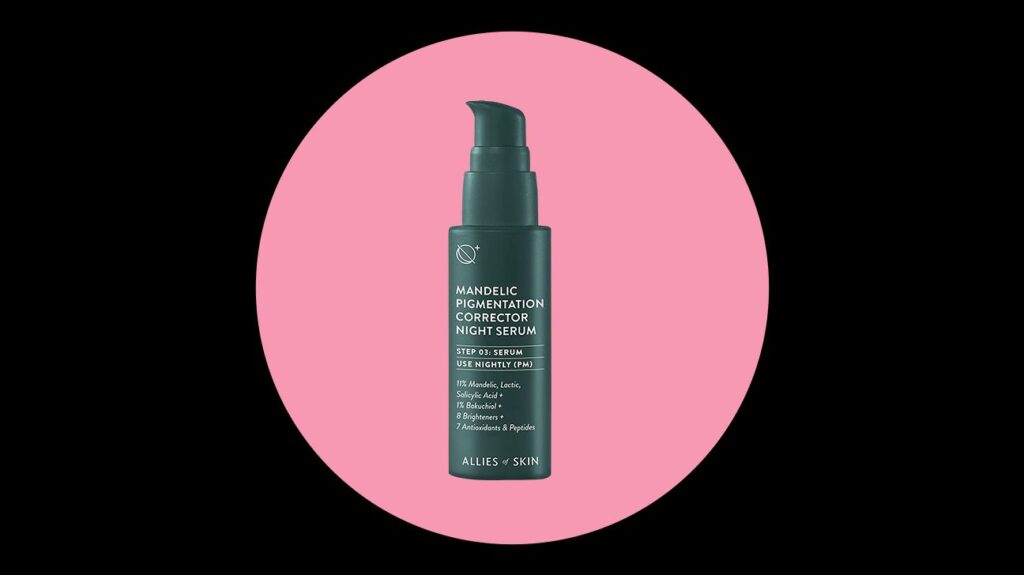
Topical treatments are a common approach to treating acne scars and can be used alone or in combination with other treatments. Retinoids, such as tretinoin or adapalene, are commonly prescribed topical treatments for acne scars. They work by increasing cell turnover and promoting collagen production, leading to smoother skin texture and reduced scarring. Vitamin C serums also play a role in reducing the appearance of acne scars by stimulating collagen synthesis and brightening the skin. Hydroquinone creams can be effective in fading hyperpigmented acne scars by inhibiting melanin production. Azelaic acid is another topical treatment that can improve both acne and acne scars by reducing inflammation and hyperpigmentation. Silicone-based products, such as gels or sheets, can help flatten raised scars and improve their appearance.
Oral Medication Options
In some cases, oral medication may be recommended to effectively treat acne scars. Antibiotics, such as tetracycline or erythromycin, may be prescribed for inflammatory acne scars to reduce inflammation and control bacteria. Oral isotretinoin, also known as Accutane, is a potent medication primarily used for severe cases of acne and scarring. It works by reducing oil production, preventing clogged pores, and promoting skin healing. Hormonal pills, such as oral contraceptives, can be prescribed for individuals with hormonal acne scars. These pills regulate hormone levels and can help reduce the occurrence of breakouts, minimizing the risk of further scarring.
Procedures and Treatments
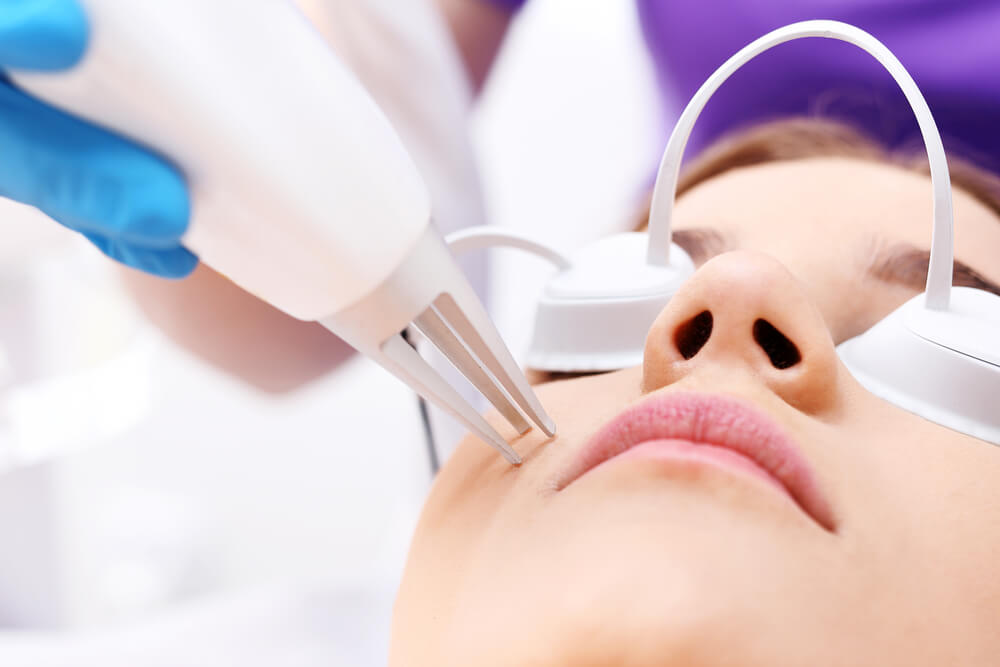
For more severe or deeply-pitted acne scars, a range of procedures and treatments are available. Chemical peels involve applying a chemical solution to the skin, which exfoliates and removes the top layers, revealing smoother and healthier skin underneath. Microdermabrasion is a non-invasive procedure that uses a handheld device to exfoliate the skin, stimulating collagen production and improving the appearance of acne scars. Dermabrasion is a more aggressive form of exfoliation that involves removing the top layers of skin using a rotating brush or diamond wheel. Microneedling uses a device with tiny needles to create controlled micro-injuries in the skin, promoting collagen production and reducing the appearance of scars. Laser therapy can target specific areas of scarring by delivering intense pulses of light, stimulating collagen production and improving the skin’s texture. Filler injections can be used to elevate depressed acne scars, providing a smoother surface. Subcision is a surgical procedure that uses a needle to break up scar tissue and release it from the underlying layers of skin. Punch excision involves removing individual deep acne scars and suturing the surrounding skin together. Cryosurgery uses extreme cold to destroy scar tissue, encouraging new tissue growth. Radiofrequency microremodeling delivers controlled radiofrequency energy to the skin, stimulating collagen production and improving the appearance of acne scars.
Natural Remedies for Acne Scars
If you prefer natural alternatives or want to supplement medical treatments, there are several natural remedies that can help reduce the appearance of acne scars. Aloe vera gel is known for its soothing and healing properties and can be applied topically to reduce inflammation and promote skin healing. Rosehip seed oil is rich in vitamins A and C, which can aid in collagen production and skin rejuvenation. Honey has antibacterial and healing properties, and can be applied topically as a mask to promote healing and reduce scarring. Tea tree oil has antimicrobial properties and can be diluted and applied to scars to reduce inflammation and promote healing. Lemon juice, rich in vitamin C and alpha hydroxy acids, can help lighten dark spots and minimize the appearance of scars. Baking soda can be used as an exfoliant to remove dead skin cells and improve the texture of acne scars. Coconut oil has moisturizing properties and can be used to hydrate the skin, potentially reducing the appearance of scars. Apple cider vinegar can be diluted and used as a toner to balance the skin’s pH and improve the appearance of scars. Turmeric, a natural anti-inflammatory, can be mixed with other ingredients to make a face mask to reduce redness and inflammation.
Preventing Acne Scars
Prevention is always better than treatment when it comes to acne scars. By taking proactive steps to prevent the formation of scars, you can minimize the long-term impact on your skin. Early and effective acne treatment is crucial in preventing scars from forming. By addressing breakouts promptly and using appropriate skincare products, you can reduce the risk of scarring. Avoid the temptation to pick or squeeze acne, as this can worsen inflammation and increase the likelihood of scarring. Opt for non-comedogenic products, which are less likely to clog pores and lead to breakouts. Protecting your skin from sun damage is also important, as UV exposure can worsen the appearance of acne scars. Finally, maintaining a healthy skincare routine that includes gentle cleansing, regular exfoliation, and adequate hydration can promote overall skin health and reduce the risk of scarring.
Considering Your Skin Type
When choosing a treatment for acne scars, it is important to consider your skin type. Different skin types have varying sensitivities and react differently to treatments. For those with oily skin, it is important to choose treatments that regulate oil production without causing excessive dryness. Dry skin may benefit from treatments that provide hydration and promote skin renewal. Sensitive skin requires extra caution, as certain treatments may cause irritation or further inflammation. Combination skin, which has a mix of oily and dry areas, may require a tailored approach, targeting specific areas differently. By considering your skin type, you can select treatments that are gentle yet effective, ensuring optimal results and minimizing the risk of adverse reactions.
Managing Expectations
It is important to have realistic expectations when treating acne scars. While significant improvements can often be achieved, complete eradication of scars is unlikely. Each individual’s response to treatment varies, and it may take time to see noticeable results. Patient compliance is crucial, as consistency and adherence to recommended treatments will greatly impact the outcome. Some treatments may require multiple sessions or a combination of approaches to achieve desired results, so patience is key. By understanding and managing expectations, you can approach your acne scar treatment journey with a positive mindset and realistic goals.
Cost of Acne Scar Treatments
The cost of acne scar treatments can vary widely depending on the type and severity of the scars, the chosen treatment method, and the geographic location. Insurance coverage for acne scar treatments may vary, with some procedures and medications considered cosmetic and not covered by insurance. Factors affecting treatment costs include consultations, medications, procedures, follow-up visits, and any additional products or services recommended by your dermatologist. It is important to discuss costs with your dermatologist during the consultation to ensure you have a clear understanding of the financial commitment involved. Your dermatologist may also be able to provide information on any available payment plans or financing options to make the treatments more manageable.
In conclusion, understanding acne scars is the first step towards finding the best treatment for your specific needs. By consulting with a qualified dermatologist, exploring different treatment options, and considering your skin type, you can make informed decisions and embark on a journey towards clearer, smoother skin. With the right combination of professional advice, personalized treatments, and appropriate skincare, acne scars can become a thing of the past, allowing you to regain your self-confidence and embrace your skin’s natural beauty. Remember, every journey is unique, and with patience and perseverance, you can achieve the results you desire.