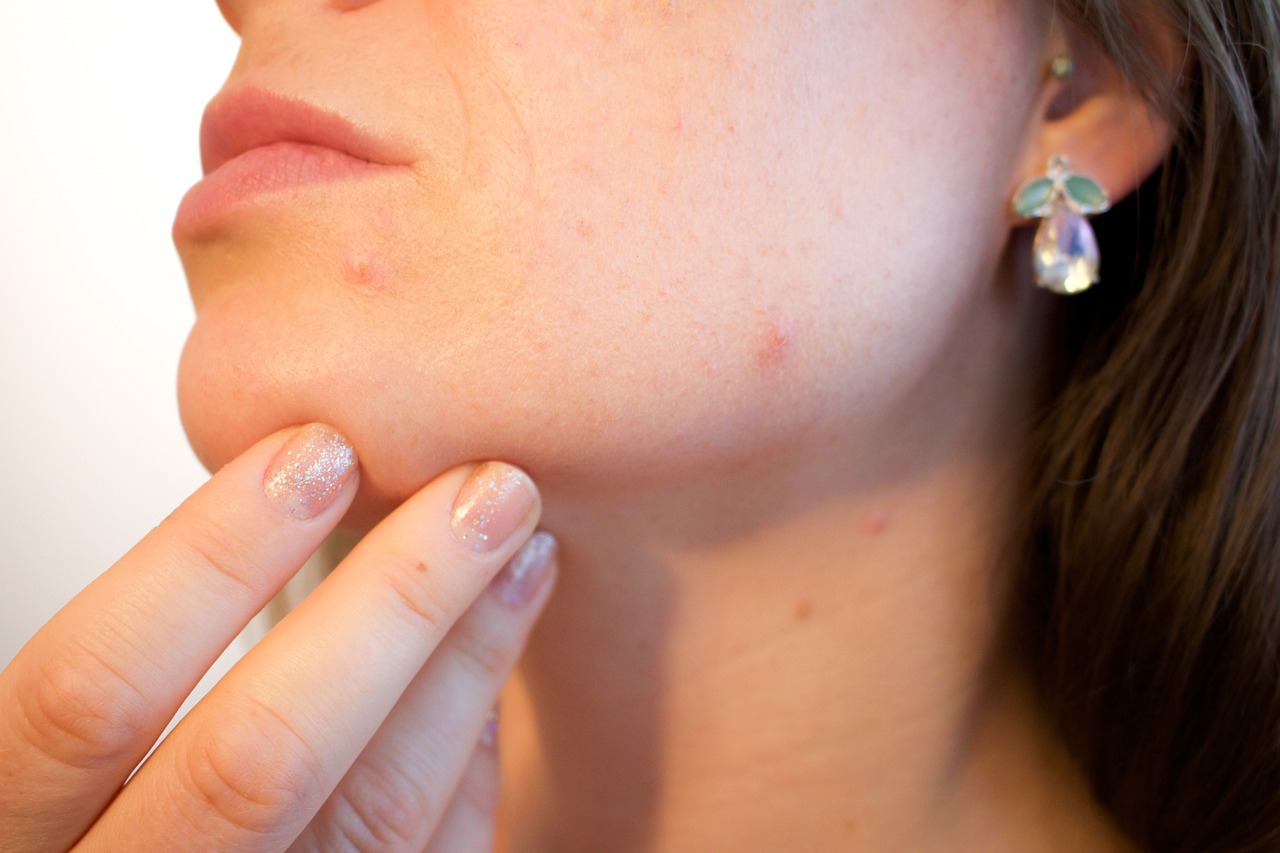
Looking to find the ultimate solution for those pesky acne scars? Look no further! In this article, we have compiled a list of expert picks that will guide you in discovering the bestest acne scar treatment for your unique needs. Bid farewell to those reminders of past breakouts and say hello to smoother, clearer skin. Whether you’re dealing with dark spots, uneven texture, or persistent marks, this comprehensive guide has got you covered. Get ready to rejuvenate your complexion and regain your confidence in no time.
Topical Treatments
Retinoids
Retinoids are a popular choice for treating acne scars due to their ability to promote cell turnover and stimulate collagen production. This class of medications includes ingredients like tretinoin, adapalene, and tazarotene, which work by speeding up the skin’s natural exfoliation process. As a result, they can help fade acne scars over time and improve the overall texture and tone of your skin.
Hydroquinone
Hydroquinone is a widely used ingredient in many topical treatments for acne scars. It works by inhibiting the production of melanin, the pigment responsible for darkening the skin. By reducing the melanin production, hydroquinone can effectively lighten acne scars and even out the skin tone. However, it’s important to note that hydroquinone should be used under a dermatologist’s guidance and for a limited duration, as long-term use can have potential side effects.
Corticosteroids
Corticosteroids are powerful anti-inflammatory medications that can be used topically to treat certain types of acne scars, such as hypertrophic scars and keloids. These medications work by reducing inflammation and suppressing the immune response in the affected area. Corticosteroids can help flatten raised scars and reduce redness, making them less noticeable. However, it’s important to use corticosteroids under the guidance of a dermatologist, as they can have potential side effects when used improperly or for extended periods of time.
Vitamin C
Vitamin C is not only essential for overall health, but it can also be beneficial in treating acne scars. As an antioxidant, vitamin C helps to neutralize free radicals and promote collagen synthesis, which can improve the appearance of scars over time. Vitamin C also has brightening properties and can help fade hyperpigmentation caused by acne scars. Look for topical treatments that contain stabilized forms of vitamin C, such as ascorbic acid or magnesium ascorbyl phosphate, for best results.
Alpha Hydroxy Acids (AHAs)
Alpha hydroxy acids, such as glycolic acid and lactic acid, are commonly used in skincare products for their exfoliating properties. They work by loosening the bonds between dead skin cells, allowing them to slough off more easily. This exfoliation helps to improve the texture of the skin and fade acne scars over time. AHAs can also promote collagen production and increase skin hydration, leading to a smoother and more even complexion.
Salicylic Acid
Salicylic acid is a beta hydroxy acid (BHA) that is often used in topical treatments for acne scars. It works by exfoliating the skin and unclogging pores, preventing new acne breakouts and reducing the appearance of existing scars. Salicylic acid has anti-inflammatory properties, which can help to calm redness and swelling associated with acne scars. It’s important to note that salicylic acid can be drying, so it’s best to start with a lower concentration and gradually increase as tolerated.
Tea Tree Oil
Tea tree oil is a natural remedy that has been used for centuries to treat various skin conditions, including acne scars. It has antimicrobial properties, which can help to prevent new acne breakouts and reduce inflammation. Tea tree oil can also promote wound healing and reduce the appearance of scars. However, it’s important to use tea tree oil with caution, as it can cause skin irritation in some individuals. It’s best to dilute tea tree oil with a carrier oil before applying it to the skin and to do a patch test before using it on larger areas.
Silicone Gel
Silicone gel is a topical treatment that is often recommended for treating raised acne scars, such as keloids and hypertrophic scars. It forms a protective barrier over the scar, preventing excessive moisture loss and creating a more favorable environment for wound healing. Silicone gel can help flatten raised scars and reduce redness and itching. It’s important to note that silicone gel needs to be applied consistently for several months to see noticeable improvements.
Onion Extract
Onion extract is an ingredient commonly found in scar treatment creams and gels. It is believed to have anti-inflammatory and antibacterial properties, which can help reduce redness and inflammation associated with acne scars. Onion extract also contains compounds that may stimulate collagen production and promote wound healing. While more research is needed to fully understand the benefits of onion extract for acne scars, some individuals have reported positive results with its use.
Licorice Extract
Licorice extract is a natural ingredient that has been used in traditional medicine for its anti-inflammatory properties. It can help reduce redness and inflammation associated with acne scars. Licorice extract also contains compounds that inhibit the production of melanin, making it effective in lightening dark spots and hyperpigmentation caused by acne scars. Look for products that contain licorice extract or licorice root extract to harness these benefits.
Dermatological Procedures
Chemical Peels
Chemical peels are dermatological procedures that involve the application of a chemical solution to the skin, which causes controlled exfoliation and peeling. This process helps to remove the damaged outer layers of the skin, revealing new, healthier skin underneath. Chemical peels can be customized to target specific types of acne scars, such as shallow scars or hyperpigmentation. They can also help to improve overall skin texture and tone.
Microdermabrasion
Microdermabrasion is a non-invasive procedure that uses a handheld device to exfoliate the outermost layer of the skin. This process helps to remove dead skin cells and stimulate collagen production, leading to a smoother and more even complexion. Microdermabrasion can be effective in reducing the appearance of superficial acne scars and improving the overall texture of the skin. It may require multiple sessions to achieve the desired results.
Microneedling
Microneedling, also known as collagen induction therapy, is a procedure that involves using a device with fine needles to create tiny punctures in the skin. These micro-injuries stimulate the skin’s natural healing response, leading to increased collagen production and skin remodeling. Microneedling can help improve the appearance of acne scars by promoting the growth of new, healthy skin cells. It may require multiple sessions to achieve optimal results.
Laser Resurfacing
Laser resurfacing is a procedure that uses laser technology to remove the outer layers of the skin, allowing new skin cells to grow in their place. This process helps to stimulate collagen production and improve the overall texture and tone of the skin. Laser resurfacing can be effective in reducing the appearance of acne scars, particularly deep scars or those that have a structural component. Multiple treatment sessions may be needed for optimal results.
Dermabrasion
Dermabrasion is a surgical procedure that involves using a high-speed rotating brush to remove the outer layers of the skin. This process helps to smooth out the skin’s surface and reduce the appearance of acne scars. Dermabrasion is typically reserved for more severe acne scars or scars that have not responded to other treatments. It may require a longer recovery period compared to less invasive procedures.
Punch Excision
Punch excision is a surgical procedure that involves removing individual acne scars using a small circular punch tool. This method is commonly used for deep acne scars, such as icepick scars or boxcar scars. After the scar is removed, the wound is closed with sutures or a skin graft, depending on the size and depth of the scar. Punch excision can lead to smoother skin and improved texture in the treated area.
Subcision
Subcision is a minimally invasive procedure that is used to treat certain types of acne scars, such as rolling scars or tethered scars. It involves using a needle or a blade to break up the fibrous bands that are pulling the scar downward, allowing the skin to lift and smooth out. Subcision can improve the appearance of depressed acne scars and create a more even skin surface. Multiple treatment sessions may be required to achieve optimal results.
Fillers
Fillers, such as hyaluronic acid or collagen, can be injected into acne scars to temporarily fill in depressions and create a smoother skin surface. This can help to improve the appearance of atrophic scars, such as rolling scars or boxcar scars. Fillers provide immediate results, but the effects are temporary and may last for several months to a year, depending on the type of filler used. Repeat treatments are typically needed to maintain the results.
Intense Pulsed Light (IPL) Therapy
Intense pulsed light (IPL) therapy is a non-invasive procedure that uses broad-spectrum light to target and reduce the appearance of acne scars. The light energy is absorbed by the pigmented cells in the skin, breaking down the excess melanin and reducing hyperpigmentation. IPL therapy can also stimulate collagen production and improve overall skin texture. Multiple treatment sessions may be required for optimal results.
Radiofrequency Microneedling
Radiofrequency microneedling combines the benefits of microneedling and radiofrequency energy to treat acne scars. The procedure involves using a device with tiny needles that deliver controlled radiofrequency energy to the deeper layers of the skin. This stimulates collagen production and remodeling, leading to improved skin texture and reduced appearance of acne scars. Radiofrequency microneedling can be customized to target specific types of scars and may require multiple sessions for optimal results.
Natural Remedies
Aloe Vera
Aloe vera is a natural ingredient that has soothing and healing properties. It can help reduce inflammation and redness associated with acne scars. Aloe vera also contains vitamins and minerals that can nourish the skin and promote cell regeneration. Applying aloe vera gel directly to acne scars can help fade them over time and improve the overall appearance of the skin.
Coconut Oil
Coconut oil is a natural moisturizer that can help hydrate and soften the skin. It contains lauric acid, which has antibacterial properties that can help prevent acne breakouts. Coconut oil can also promote wound healing and reduce inflammation. Applying a thin layer of coconut oil to acne scars can help improve their appearance and prevent further damage to the skin.
Rosehip Seed Oil
Rosehip seed oil is rich in essential fatty acids and antioxidants, which can help repair damaged skin and reduce the appearance of scars. It has regenerative properties that can promote collagen production and improve skin elasticity. Rosehip seed oil also contains vitamins A and C, which are known for their skin-rejuvenating properties. Applying a few drops of rosehip seed oil to acne scars daily can help fade them over time and improve the overall texture of the skin.
Honey
Honey is a natural ingredient that has antibacterial and anti-inflammatory properties. It can help reduce redness and inflammation associated with acne scars. Honey also has moisturizing properties that can hydrate the skin and promote wound healing. Applying a thin layer of honey to acne scars and leaving it on for 10-15 minutes before rinsing can help improve their appearance over time.
Apple Cider Vinegar
Apple cider vinegar is a natural remedy that has acidic properties, which can help exfoliate the skin and reduce the appearance of acne scars. It also has antibacterial properties that can help prevent new acne breakouts. However, it’s important to dilute apple cider vinegar with water before applying it to the skin, as it can be too strong and cause irritation if used undiluted. Using a cotton ball, apply a mixture of one part apple cider vinegar and three parts water to acne scars and rinse off after a few minutes.
Lemon Juice
Lemon juice is a natural remedy that contains citric acid, which can help lighten dark spots and hyperpigmentation caused by acne scars. It also has exfoliating properties that can remove dead skin cells and promote cell turnover. However, lemon juice can be too acidic and may cause irritation if used undiluted. It’s important to dilute lemon juice with water or a carrier oil before applying it to the skin. Using a cotton ball, apply the diluted lemon juice to acne scars and rinse off after a few minutes.
Olive Oil
Olive oil is a natural moisturizer that can help hydrate and nourish the skin. It contains antioxidants, such as vitamins A and E, which can help repair damaged skin and reduce the appearance of scars. Olive oil also has anti-inflammatory properties that can help calm redness and inflammation associated with acne scars. Applying a small amount of olive oil to acne scars and gently massaging it into the skin can help improve their appearance over time.
Green Tea
Green tea is a natural remedy that contains antioxidants and anti-inflammatory compounds, which can help reduce inflammation and promote healing. It also has astringent properties that can help tighten the skin and reduce the appearance of acne scars. Applying cooled green tea to acne scars using a cotton ball or using green tea-infused skincare products can help fade scars over time and improve the overall texture of the skin.
Baking Soda
Baking soda is a natural exfoliant that can help remove dead skin cells and promote cell turnover. It has antibacterial properties that can help prevent new acne breakouts. However, baking soda can be harsh on the skin if used undiluted, so it’s important to mix it with water or a gentle cleanser before applying it to the skin. Using a small amount, gently massage the mixture onto acne scars and rinse off after a few minutes.
Turmeric
Turmeric is a natural ingredient that has anti-inflammatory and antioxidant properties. It can help reduce redness and inflammation associated with acne scars. Turmeric also contains curcumin, which has been shown to promote wound healing and reduce scarring. Applying a paste of turmeric powder and water to acne scars and leaving it on for 10-15 minutes before rinsing can help improve their appearance over time.
Combination Therapies
Topical Treatments + Dermatological Procedures
Combining topical treatments with dermatological procedures can provide enhanced results in treating acne scars. Topical treatments can help prepare the skin by improving its texture and tone, while dermatological procedures can target specific types of acne scars and provide more dramatic improvements. For example, using retinoids or vitamin C serums as part of your skincare routine can help improve the overall condition of your skin, while undergoing microneedling or laser resurfacing can effectively reduce the appearance of acne scars.
Natural Remedies + Dermatological Procedures
Combining natural remedies with dermatological procedures can provide a holistic approach to treating acne scars. Natural remedies can complement the effects of dermatological procedures by promoting skin healing and reducing inflammation. For example, using aloe vera gel or rosehip seed oil after undergoing microneedling or laser resurfacing can help soothe the skin and enhance the healing process. However, it’s important to consult with your dermatologist before combining natural remedies with dermatological procedures to ensure compatibility and avoid potential interactions.
Topical Treatments + Natural Remedies
Combining topical treatments with natural remedies can help optimize the effectiveness of both approaches in treating acne scars. Topical treatments can provide targeted ingredients that can fade scars and improve skin texture, while natural remedies can nourish and heal the skin from within. For example, using a salicylic acid serum or hydroquinone cream in conjunction with applying honey or coconut oil to acne scars can provide a comprehensive approach to scar treatment. However, it’s important to introduce new products and ingredients gradually to minimize the risk of skin irritation or adverse reactions.
Topical Treatments + Dermatological Procedures + Natural Remedies
Combining topical treatments, dermatological procedures, and natural remedies can offer a comprehensive and multi-dimensional approach to treating acne scars. This combination therapy can address various aspects of scar formation, including inflammation, pigmentation, and skin remodeling. For example, incorporating retinoids or corticosteroids in your skincare routine, complemented by microneedling or chemical peels, and using natural remedies like aloe vera or rosehip seed oil, can provide a synergistic effect in treating acne scars. However, it’s important to consult with a dermatologist to determine the most suitable combination therapy for your specific needs and skin condition.
Expert Recommendations for Combination Therapies
When considering combination therapies for acne scars, it’s important to seek the advice of a dermatologist. They can assess your skin condition, determine the type and severity of your acne scars, and recommend the most appropriate combination therapy for you. Your dermatologist may suggest a combination of topical treatments, dermatological procedures, and natural remedies based on their expertise and experience. They can also provide guidance on the proper use and timing of each treatment and monitor your progress to ensure optimal results.
Considerations for Combination Therapies
Combination therapies for acne scars can be highly effective, but they require careful consideration and planning. Before embarking on any combination therapy, it’s important to have a thorough understanding of the potential risks, benefits, and limitations of each treatment modality. Some considerations to keep in mind include:
-
Skin Sensitivity: Certain acne scar treatments, such as chemical peels or retinoids, can cause skin sensitivity or irritation. It’s important to start with lower concentrations or shorter treatment durations and gradually increase as tolerated. Patch testing new products or ingredients is also recommended to check for any adverse reactions.
-
Treatment Timing: Combination therapies often involve using multiple treatments concurrently or in a sequential manner. It’s important to follow the recommended timing and intervals provided by your dermatologist. Applying treatments too frequently or in the wrong order can disrupt the skin’s natural healing process and compromise the overall effectiveness of the therapy.
-
Individual Differences: Everyone’s skin is unique, and what works for one person may not work for another. It’s important to listen to your skin and adjust your treatment plan accordingly. If you experience excessive dryness, redness, or any other adverse reactions, consult your dermatologist for guidance.
-
Professional Supervision: Combination therapies for acne scars are best performed under the guidance of a dermatologist. They can customize a treatment plan based on your individual needs, monitor your progress, and make any necessary adjustments. Regular follow-up appointments with your dermatologist are essential to ensure optimal results and address any concerns or questions you may have.
Prevention and Maintenance
Skincare Routine
Maintaining a consistent skincare routine is essential in preventing and managing acne scars. This includes cleansing the skin twice daily with a gentle cleanser, exfoliating regularly to remove dead skin cells, and moisturizing to keep the skin hydrated. Incorporating suitable topical treatments, such as retinoids or AHAs, can also help prevent acne breakouts and minimize the risk of scarring.
Sun Protection
Protecting your skin from the sun is crucial in preventing and reducing the appearance of acne scars. Prolonged sun exposure can cause hyperpigmentation and worsen the visibility of scars. Always apply a broad-spectrum sunscreen with SPF 30 or higher before going outside, even on cloudy days. Wearing protective clothing, such as hats and long sleeves, can also provide additional sun protection.
Avoiding Picking or Squeezing
Resist the temptation to pick or squeeze acne lesions, as this can increase the risk of scarring. Picking or popping pimples can cause further inflammation and damage to the skin, leading to more noticeable scars. Instead, be patient and let the acne lesions heal naturally. If you struggle with this, consider seeking help from a dermatologist or therapist to address underlying issues, such as skin-picking disorder or anxiety.
Balanced Diet
Maintaining a balanced diet can promote healthy skin and prevent acne scars. A diet rich in fruits, vegetables, whole grains, and lean proteins provides essential nutrients that support skin health and healing. Avoiding excessive consumption of sugary foods, processed foods, and dairy products may also help reduce the risk of acne breakouts and the subsequent development of scars.
Stress Management
Chronic stress can worsen acne breakouts and impair the skin’s healing process, increasing the risk of scarring. Practicing stress management techniques, such as regular exercise, meditation, deep breathing exercises, or engaging in hobbies, can help reduce stress levels and promote overall well-being. It’s important to find activities that help you relax and unwind, as this can positively impact your skin health.
Regular Exercise
Regular exercise not only improves overall health but can also benefit the skin. Exercise helps increase blood circulation, which delivers oxygen and nutrients to the skin cells, promoting healing and regeneration. Additionally, physical activity can help reduce stress levels and balance hormone levels, which can contribute to acne prevention. Remember to cleanse your skin after exercising to remove sweat and oil buildup that can clog pores.
Positive Lifestyle Habits
Incorporating positive lifestyle habits can support overall skin health and reduce the risk of acne scars. Getting enough sleep, managing alcohol consumption, and avoiding smoking can promote optimal skin functioning. It’s also important to practice good hygiene, such as regularly washing pillowcases and avoiding sharing personal items that may harbor bacteria.
Monitoring Hormonal Imbalances
Hormonal imbalances, such as those associated with puberty, menstrual cycles, or polycystic ovary syndrome (PCOS), can contribute to acne breakouts and subsequent scarring. If you suspect a hormonal imbalance may be contributing to your acne, it’s important to consult with a healthcare professional, such as a dermatologist or endocrinologist. They can evaluate your hormone levels and recommend appropriate treatments or interventions.
Consistent Follow-up with Dermatologist
Regular follow-up appointments with your dermatologist are essential in monitoring the progress of your acne scar treatment and making any necessary adjustments. Your dermatologist can assess the effectiveness of the treatments, address any concerns or questions, and recommend additional therapies if needed. They can also provide guidance on maintaining healthy skin and preventing future acne breakouts.
Best Practices for Prevention and Maintenance
In conclusion, preventing and managing acne scars requires a comprehensive approach that includes a combination of topical treatments, dermatological procedures, natural remedies, and lifestyle modifications. It’s important to work closely with a dermatologist to develop a customized treatment plan that suits your individual needs and skin condition. Consistency, patience, and proper skincare practices, such as sun protection and avoiding picking or squeezing acne lesions, are essential in preventing and reducing the appearance of acne scars. With the right approach and guidance, you can improve the appearance of your skin and regain your confidence.