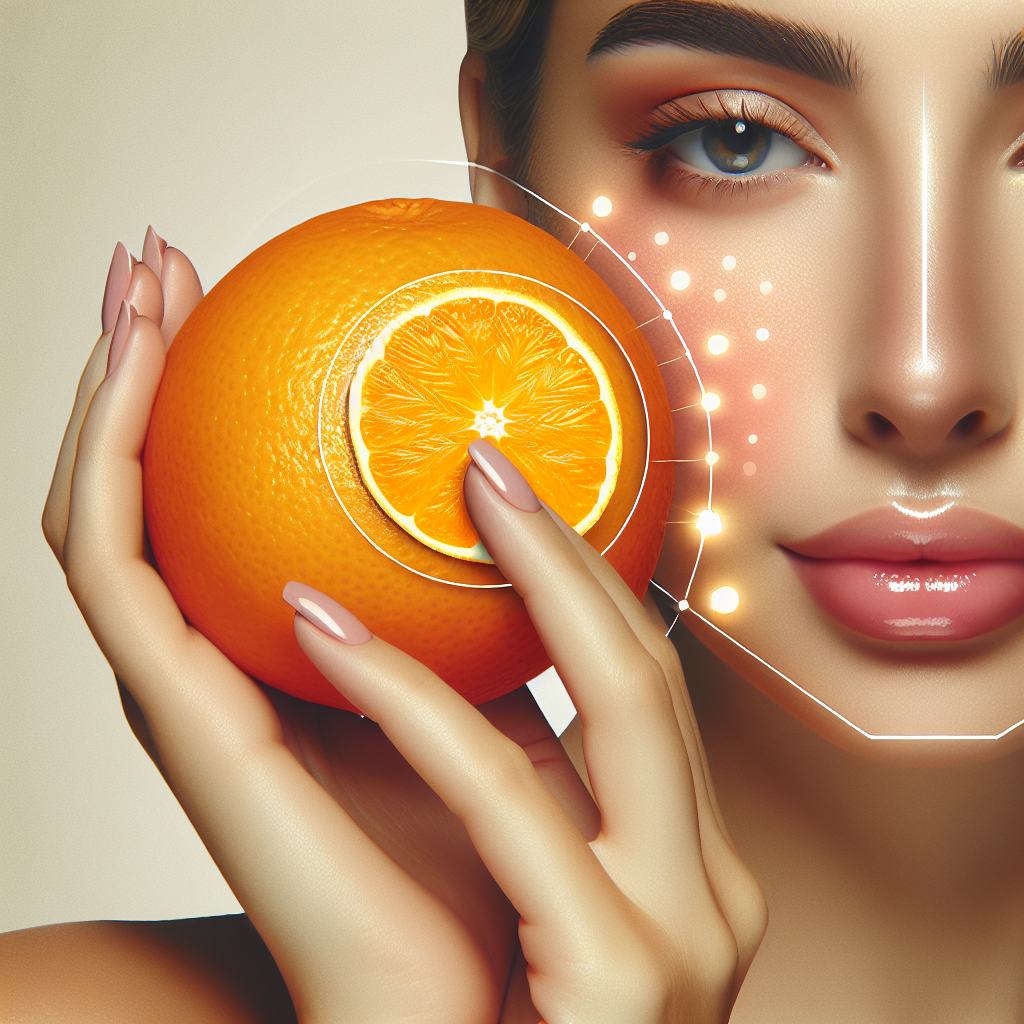
Are you tired of dealing with stubborn acne and the toll it takes on your self-esteem? Look no further than our article, “Acne Removal Strategies: Clearing Skin And Boosting Confidence.” We’ve compiled a comprehensive guide to help you combat those pesky blemishes and regain your confidence. From expert skincare tips to tried and tested remedies, we’ll equip you with the knowledge and tools you need to achieve clear, radiant skin. Say goodbye to acne and hello to a newfound sense of self-assurance.
Understanding Acne
The basics of acne
Acne is a common skin condition that affects people of all ages. It occurs when hair follicles become clogged with oil and dead skin cells, resulting in the formation of pimples, blackheads, whiteheads, and even cysts. Acne typically appears on the face, chest, back, and shoulders, areas with a higher density of oil glands. It can be mild, moderate, or severe, and can have a significant impact on self-esteem and confidence.
Different types of acne
There are different types of acne, each characterized by specific characteristics. Non-inflammatory acne includes blackheads and whiteheads, which appear when hair follicles are partially blocked. Inflammatory acne, on the other hand, is more severe and involves red, swollen, and painful pimples or cysts. Nodular acne occurs when larger, solid, and painful nodules develop beneath the skin’s surface.
Common causes of acne
While the exact cause of acne is not fully understood, there are several common factors that contribute to its development. Hormonal changes, especially during puberty or menstrual cycles, can increase oil production and lead to acne breakouts. Certain medications, such as corticosteroids and lithium, can also trigger acne. Additionally, factors like genetics, stress, and certain skincare products or cosmetics can play a role in the development of acne.
Importance of Clear Skin
Boosting self-esteem and confidence
Acne can have a significant impact on a person’s self-esteem and confidence. It can make you feel self-conscious, leading to social anxiety and even depression. Clear skin helps boost self-esteem and allows you to feel more comfortable and confident in your own skin. By effectively managing and treating acne, you can improve your overall well-being and enjoy a more positive self-image.
Improving overall appearance
Clear skin plays a vital role in improving your overall appearance. Acne can cause redness, inflammation, and blemishes, which can significantly affect your complexion. By taking steps to care for your skin and effectively manage acne, you can achieve a smoother, healthier-looking complexion. This can enhance your natural beauty and make you feel more confident in your appearance.
Reducing the risk of acne scars
One of the major concerns associated with acne is the risk of permanent scarring. Acne scars can be deep and visible, leaving a lasting reminder of the skin condition. By properly managing and treating your acne, you can reduce the risk of scarring and promote the healing of existing acne scars. Taking proactive steps to prevent acne and minimize its impact can help you maintain a clear and smooth complexion.
Healthy Lifestyle Habits
A balanced diet
Maintaining a balanced diet is crucial for overall health, including the health of your skin. Consuming a variety of fruits, vegetables, lean proteins, whole grains, and healthy fats can provide your body with essential nutrients and antioxidants, which can promote healthy skin. Avoiding processed foods, excessive sugar, and greasy foods may also help prevent acne breakouts.
Hydration and water intake
Staying hydrated is essential for the health of your skin. Drinking an adequate amount of water can help flush out toxins, maintain skin elasticity, and promote a clear complexion. Aim to drink at least eight glasses of water per day and consider incorporating hydrating foods like watermelon, cucumber, and citrus fruits into your diet.
Regular exercise
Regular exercise offers numerous benefits for your overall health, including your skin. Engaging in physical activity helps increase blood flow to the skin, delivering oxygen and nutrients while removing toxins. Exercise also helps reduce stress levels, which can contribute to acne breakouts. Additionally, sweating during exercise helps cleanse the pores and improve skin clarity. Just remember to cleanse your skin after exercising to remove any sweat or dirt that may have accumulated.
Skincare Routine
Cleansing the face
A proper skincare routine is essential for effectively managing acne. Cleansing your face twice a day, once in the morning and once before bedtime, helps remove excess oil, dirt, and bacteria that can clog your pores and contribute to acne breakouts. Choose a gentle, non-comedogenic cleanser that is suited for your skin type and be sure to avoid harsh scrubbing or using hot water, as this can irritate the skin.
Choosing the right products
Choosing the right skincare products is crucial for maintaining clear skin. Look for products labeled as non-comedogenic, meaning they won’t clog your pores. Ingredients like salicylic acid and benzoyl peroxide are effective in treating acne and preventing breakouts. However, be cautious not to overuse these products, as they can cause dryness and irritation. It’s always a good idea to consult with a dermatologist to determine the most suitable products for your specific skin concerns.
Moisturizing and sunscreen
Contrary to popular belief, moisturizing is an important step in managing acne-prone skin. Choose a lightweight, oil-free moisturizer that won’t clog your pores. Moisturizing helps maintain the skin’s natural moisture balance, preventing it from producing excess oil. Additionally, don’t forget to apply sunscreen daily, as acne-prone skin can be more sensitive to sun damage. Opt for a non-comedogenic sunscreen with an SPF of 30 or higher to protect your skin.
Natural Remedies
Tea tree oil
Tea tree oil is a natural remedy that has antimicrobial and anti-inflammatory properties, making it effective in treating acne. It helps reduce bacteria on the skin, alleviate redness and inflammation, and promote healing. However, it’s essential to dilute tea tree oil before applying it to your skin to prevent irritation. Apply a small amount to the affected areas using a cotton swab or pad.
Aloe vera
Aloe vera is another natural remedy often used to alleviate acne symptoms. It has soothing and anti-inflammatory properties that can help reduce redness and inflammation associated with acne. Aloe vera gel can be applied directly to the skin and left on for about 15 minutes before rinsing off. Repeat this process a few times a week for best results.
Apple cider vinegar
Apple cider vinegar has antibacterial and exfoliating properties that can help unclog pores and reduce acne breakouts. However, it’s important to dilute apple cider vinegar before applying it to your skin to prevent irritation. Mix equal parts of apple cider vinegar and water, then apply the mixture to the affected areas using a cotton pad. Leave it on for a few minutes before rinsing off and moisturizing.
Over-the-Counter Products
Benzoyl peroxide creams
Benzoyl peroxide is a common ingredient found in over-the-counter acne creams and gels. It works by killing acne-causing bacteria and helping to clear clogged pores. Start with a low concentration (2.5% or 5%) and gradually increase if necessary. Apply a thin layer to the affected areas once or twice a day after cleansing.
Salicylic acid cleansers
Salicylic acid is a beta-hydroxy acid that can penetrate the skin and exfoliate the inside of pores. It helps unclog pores, reduce inflammation, and promote the shedding of dead skin cells. Look for cleansers containing salicylic acid and gently massage them onto the skin for about 30 seconds before rinsing off. Start with a lower concentration and increase if needed.
Topical retinoids
Topical retinoids, such as adapalene and tretinoin, are derived from vitamin A and are effective in treating acne. They help unclog pores, reduce inflammation, and promote cell turnover. Apply a thin layer of retinoid cream or gel to the affected areas before bedtime, as they can make the skin more sensitive to sunlight.
Prescription Medications
Oral antibiotics
For more severe cases of acne, oral antibiotics may be prescribed by a dermatologist. Antibiotics such as doxycycline, minocycline, or tetracycline help reduce bacteria and inflammation. They are typically taken for a few months and may be combined with other topical treatments for optimal results. It’s important to follow your dermatologist’s instructions and complete the full course of antibiotics to avoid antibiotic resistance.
Topical antibiotics
Topical antibiotics, such as clindamycin or erythromycin, can be prescribed to treat moderate acne. They work by killing acne-causing bacteria and reducing inflammation. Apply a thin layer of the antibiotic cream or lotion to the affected areas as directed by your dermatologist.
Hormonal therapies
Hormonal therapies, such as oral contraceptives (birth control pills) or spironolactone, may be recommended for females with hormonal acne. These therapies help regulate hormone levels, reduce excess oil production, and prevent acne breakouts. It’s important to discuss the potential side effects and risks with your healthcare provider before starting hormonal therapies.
Professional Treatments
Chemical peels
Chemical peels are a professional treatment option that involves applying a chemical solution to the skin to remove the top layer and reveal smoother, clearer skin. They help unclog pores, reduce acne breakouts, and improve the overall texture and tone of the skin. Chemical peels should be performed by a qualified dermatologist or skincare professional.
Microdermabrasion
Microdermabrasion is a non-invasive procedure that uses a handheld device to exfoliate the skin’s surface and remove dead skin cells. It helps unclog pores, reduce fine lines, and improve acne scars. Microdermabrasion can be performed by a dermatologist or aesthetician and may require multiple sessions for optimal results.
Laser therapy
Laser therapy is a treatment option that uses laser technology to target and destroy the bacteria that cause acne, as well as reduce oil production and promote collagen production. It can help improve acne breakouts, minimize acne scars, and improve overall skin texture and appearance. Laser therapy should be performed by a qualified dermatologist or laser specialist.
Preventing Acne Scars
Avoiding picking or squeezing acne
Picking or squeezing acne can lead to further inflammation and increase the risk of scarring. It’s important to resist the urge to touch or manipulate your skin and allow acne to heal naturally. If necessary, consult with a dermatologist who can offer professional extraction or treatment options.
Early treatment of acne
Early treatment of acne is essential in preventing the formation of acne scars. The sooner you start managing and treating your acne, the less likely it is to leave permanent marks on your skin. Maintain a consistent skincare routine and seek professional help if your acne is not improving or if it’s causing significant distress.
Protecting the skin from sun damage
Sun exposure can worsen acne and increase the risk of acne scars. Protect your skin by applying a broad-spectrum sunscreen with an SPF of 30 or higher every day, even on cloudy days. Choose non-comedogenic sunscreens to prevent clogged pores, and wear protective clothing and hats when you’re outside for extended periods.
Seeking Dermatological Help
When to see a dermatologist
If over-the-counter products and natural remedies do not effectively manage your acne or if your acne is severe, it’s time to consult with a dermatologist. They can assess your skin, evaluate the underlying causes of your acne, and provide appropriate treatment options. Additionally, if acne is significantly impacting your self-esteem and quality of life, a dermatologist can offer guidance and support to improve your skin health.
Professional advice and guidance
A dermatologist’s expertise can provide invaluable guidance in effectively managing and treating acne. They can recommend personalized skincare routines, prescribe medication or topical treatments, and offer professional treatments that can significantly improve your skin’s condition. A dermatologist is also an excellent resource for addressing any concerns or questions you may have about acne and its treatment.
Treatment options
A dermatologist can provide a range of treatment options tailored to your specific needs. They may recommend oral medications, topical treatments, hormonal therapies, or professional treatments like chemical peels or laser therapy. The dermatologist will consider factors such as the severity of your acne, your medical history, and personal preferences when developing a treatment plan. Regular check-ups and follow-up appointments with the dermatologist are essential to monitor your progress and make any necessary adjustments to your treatment.
By understanding acne, adopting healthy lifestyle habits, following a consistent skincare routine, considering natural remedies, utilizing over-the-counter products, exploring prescription medications, preventing acne scars, and seeking dermatological help when needed, you can effectively manage acne and achieve clearer, healthier skin. Remember, each person’s skin is unique, and what works for one may not work for another. Experimenting with different strategies and seeking professional guidance can help you find the best acne removal strategies for your skin type and concerns.