You might have battled acne in the past, but now you’re left with unsightly reminders – acne scars. No need to worry, because in this article, you’ll discover expert-backed strategies on how to reduce those stubborn acne scars. Say goodbye to those reminders and regain your confidence with these simple yet effective tips. So, let’s get started on your journey towards smoother and scar-free skin!
Understanding Acne Scars
Acne scars are a common skin concern that many people face. Understanding the different types of acne scars, their causes, and the factors that affect their severity is crucial in finding the right treatments and preventive measures.
Different types of acne scars
Acne scars can be categorized into several types, including atrophic scars, hypertrophic scars, and keloid scars. Atrophic scars are depressions or indentations in the skin, while hypertrophic scars and keloid scars are raised and often have a thick, fibrous texture. It’s important to identify the type of acne scars you have in order to determine the most effective treatments.
Causes of acne scars
Acne scars are typically a result of severe acne lesions, such as cysts, nodules, or deep pustules. When the skin is inflamed due to acne, excess production of collagen can lead to the formation of scars. Poor wound healing, genetics, and a history of acne can also contribute to the development of acne scars.
Factors that affect the severity of acne scars
Several factors can influence the severity of acne scars. The depth and extent of the acne lesions, the individual’s skin type and texture, and the way the skin heals all play a role in determining how severe the scars may be. Additionally, delaying or improper treatment of acne can increase the risk of scarring.
Preventing Acne Scars
While it may not be possible to completely avoid acne scars, there are steps you can take to minimize their appearance and reduce the likelihood of their formation.
Establishing a skincare routine
A consistent skincare routine is essential for preventing acne and reducing the chances of scarring. Cleanse your face twice a day using a gentle cleanser suitable for your skin type. Follow it up with a moisturizer to keep your skin hydrated.
Avoiding picking or squeezing pimples
One of the worst things you can do for your skin is to pick or squeeze pimples. This can lead to further inflammation, increased risk of infection, and greater chances of scarring. Instead, resist the temptation and allow pimples to heal naturally.
Using non-comedogenic skincare products
Using non-comedogenic skincare products can help prevent clogged pores and reduce the risk of acne breakouts. These products are formulated to not block the pores, allowing the skin to breathe and prevent the formation of new acne lesions.
Home Remedies for Acne Scars
If you’re looking for natural and affordable ways to treat acne scars, try incorporating some of these home remedies into your skincare routine:
Exfoliating with natural ingredients
Regular exfoliation can help remove dead skin cells and promote cell turnover, which can improve the appearance of acne scars. Try using natural exfoliants like sugar, coffee grounds, or oatmeal mixed with honey for a gentle yet effective exfoliating treatment.
Applying lemon juice
Lemon juice contains citric acid, which has been found to have skin brightening properties and can help reduce the appearance of acne scars. Dilute fresh lemon juice with water and apply it to the scars using a cotton ball. Leave it on for a few minutes before rinsing it off. Be cautious as lemon juice can be drying, so it’s essential to moisturize your skin afterward.
Using aloe vera gel
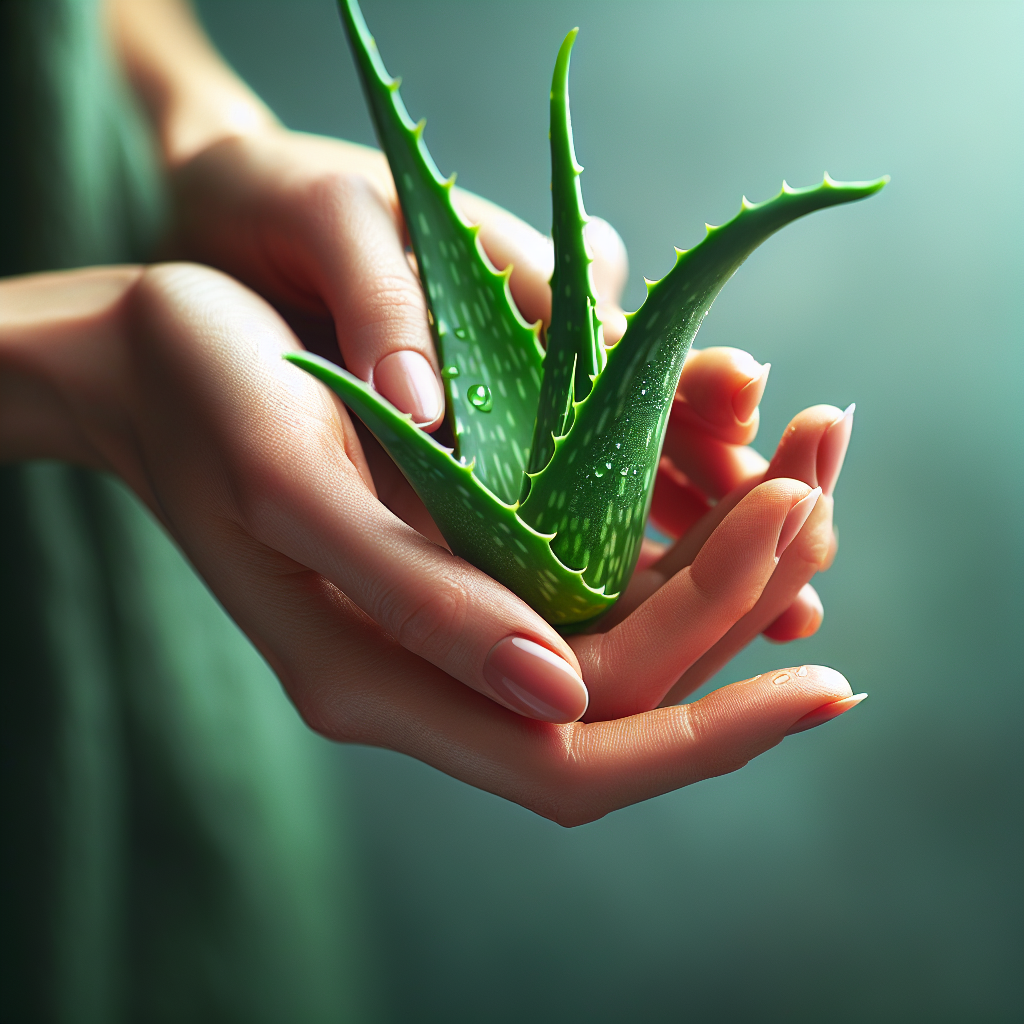
Aloe vera is known for its soothing and healing properties, making it an excellent natural remedy for acne scars. Apply a thin layer of pure aloe vera gel to the affected areas and leave it on overnight. Rinse off in the morning and repeat this process regularly for best results.
Trying honey as a face mask
Honey has antibacterial and anti-inflammatory properties that can help heal acne scars. Apply a thin layer of raw honey to your face and leave it on for 15-20 minutes before rinsing off. Regular use can promote skin healing and reduce the appearance of scars.
Massaging with rosehip oil
Rosehip oil is rich in vitamins and essential fatty acids, which can help regenerate the skin and improve the appearance of acne scars. Gently massage a few drops of rosehip oil into the affected areas twice daily to see potential improvements over time.
Professional Treatments for Acne Scars
When home remedies are not sufficient to address your acne scars, professional treatments can offer more targeted and effective solutions.
Chemical peels
Chemical peels involve the application of a chemical solution to the skin, which exfoliates the outer layers and promotes cell turnover. This can help improve the appearance of acne scars by revealing fresher, more even-toned skin.
Microdermabrasion
Microdermabrasion is a non-invasive procedure that uses a handheld device to exfoliate the outer layer of the skin. By removing dead skin cells and promoting collagen production, it can significantly reduce the appearance of acne scars.
Laser therapy
Laser therapy involves the use of laser technology to target and treat acne scars. Fractional laser resurfacing, for example, can stimulate collagen production and improve skin texture, while vascular lasers can help reduce redness and inflammation associated with acne scars.
Dermabrasion
Dermabrasion involves the use of a specialized instrument to sand down the top layers of the skin, allowing smoother, fresher skin to emerge. This procedure is often used for deeper acne scars and requires a longer recovery time compared to other treatments.
Microneedling
Microneedling, also known as collagen induction therapy, involves the use of tiny, sterile needles to create controlled micro-injuries in the skin. This stimulates collagen production and promotes skin rejuvenation, reducing the appearance of acne scars over time.
Corticosteroid injections
For hypertrophic or keloid acne scars, corticosteroid injections can be an effective treatment option. These injections help to shrink and flatten raised scars by reducing inflammation and preventing collagen production.
Medical Procedures for Acne Scars
In more severe cases of acne scars, medical procedures may be necessary to achieve optimal results.
Punch excision
In punch excision, a small punch tool is used to surgically remove individual acne scars. The resulting wound is then closed with sutures, allowing the skin to heal and create a smoother, scar-free appearance.
Punch grafting
Punch grafting involves the removal of acne scars using punch excision, followed by the transplantation of small pieces of skin, usually from behind the ear, into the affected areas. This can help to fill in depressed scars and improve overall skin texture.
Subcision
Subcision is a minimally invasive procedure that involves the insertion of a small needle or blade beneath the skin to break up the fibrous tissue that’s causing the depressed acne scars. This treatment encourages collagen production and can lead to significant improvement in scar appearance.
Autologous fat transfer
Autologous fat transfer, also known as fat grafting, involves the transfer of fat from one part of the body to the acne scar site. This can help to restore volume and smooth out depressed scars, resulting in a more even skin surface.
Dermal fillers
Dermal fillers can be used to temporarily fill in and smooth out depressed acne scars. The fillers are injected into the scars, providing immediate results that can last for several months or longer, depending on the type of filler used.
Laser resurfacing
Laser resurfacing uses laser technology to remove the outer layer of the skin, allowing new, healthy skin to grow in its place. This procedure can effectively reduce the appearance of acne scars and improve skin texture.
Over-the-Counter Products for Acne Scars
Over-the-counter products can provide a more accessible and affordable way to address acne scars in some cases.
Topical retinoids
Topical retinoids, such as tretinoin or adapalene, can help promote cell turnover and collagen production, leading to smoother, more evenly toned skin. These products are available in gel or cream form and can be applied directly to the acne scars.
Scar creams and gels
Scar creams and gels, containing ingredients like onion extract or silicone, can help soften and flatten acne scars over time. These products are typically applied topically and are available over the counter.
Silicone sheets or gels
Silicone sheets or gels can create a protective barrier over acne scars, helping to reduce redness, itching, and the overall appearance of scars. These products are easy to use and can be worn discreetly under clothing.
Vitamin C serums
Vitamin C serums contain antioxidants that can promote skin healing and collagen production, making them a popular choice for improving the appearance of acne scars. Apply a few drops of serum to clean skin daily for best results.
Alpha hydroxy acids (AHAs)
AHAs, such as glycolic acid or lactic acid, can help exfoliate the skin and improve the appearance of acne scars. These products are available in a variety of formulations, including cleansers, toners, and serums.
Skin lightening creams
Skin lightening creams containing ingredients like hydroquinone or kojic acid can help fade the pigmentation associated with acne scars. These products should be used with caution and under the guidance of a dermatologist.
Maintaining Healthy Skin to Reduce Scarring
Maintaining healthy skin is crucial for preventing and reducing the appearance of acne scars. Here are some essential tips to keep in mind:
Eating a balanced diet
A well-balanced diet rich in fruits, vegetables, whole grains, and lean proteins can provide the necessary nutrients for healthy skin. Include foods that are rich in vitamins A, C, and E, as these can support skin healing and reduce the risk of scarring.
Staying hydrated
Drinking an adequate amount of water each day is essential for maintaining skin health. Hydration helps to keep the skin moisturized, promotes proper healing, and can minimize the appearance of acne scars.
Avoiding excessive sun exposure
Exposure to the sun’s harmful UV rays can not only increase the risk of skin damage but also exacerbate the appearance of acne scars. Protect your skin by seeking shade, wearing protective clothing, and using a broad-spectrum sunscreen with an SPF of 30 or higher.
Using sunscreen regularly
Sunscreen should be a part of your daily skincare routine, even on cloudy days. Apply a generous amount of sunscreen to all exposed areas of your skin, paying particular attention to areas with acne scars. Reapply every two hours or as directed by the product instructions.
Managing stress levels
Chronic stress has been linked to increased skin inflammation and acne breakouts. Finding healthy ways to manage stress, such as through exercise, meditation, or hobbies, can reduce the risk of acne and minimize scarring.
Getting enough sleep
Adequate sleep is essential for skin repair and regeneration. Aim for 7-9 hours of quality sleep each night to support overall skin health and reduce the risk of acne scars.
Professional Guidance for Acne Scars
If you’re struggling with severe or persistent acne scars, it’s important to seek professional guidance. Dermatologists and skincare experts can provide personalized advice and recommend treatments tailored to your specific needs.
Consulting a dermatologist
A dermatologist is a medical professional specializing in the diagnosis and treatment of skin conditions. They can assess the severity of your acne scars, recommend appropriate treatments, and monitor your progress over time.
Seeking advice from a skincare expert
Skincare experts, such as aestheticians or skincare consultants, can provide valuable advice on managing acne scars and improving overall skin health. They can recommend products, skincare routines, and professional treatments that may be suitable for your specific skin type and concerns.
Receiving personalized treatment recommendations
Each individual’s acne scars are unique, and what works for one person may not work for another. By consulting with a professional, you can receive personalized treatment recommendations to address your specific acne scars and achieve optimal results.
Combination Therapies for Acne Scars
For stubborn or severe acne scars, a combination of different treatments may be necessary to achieve the best possible outcome.
Combining multiple professional treatments
Combining multiple professional treatments, such as laser therapy, microdermabrasion, and chemical peels, can target different aspects of acne scars and maximize results. Your dermatologist or skincare expert can create a customized treatment plan incorporating various modalities.
Combining professional treatments with at-home remedies
Combining professional treatments with at-home remedies can enhance the effectiveness of both approaches. For example, using a scar cream or gel recommended by your dermatologist alongside regular exfoliation with natural ingredients can provide a comprehensive approach to scar reduction.
Sequential approach for optimal results
In some cases, a sequential approach to treating acne scars may be necessary. This involves starting with less invasive treatments, such as topical products or chemical peels, and gradually progressing to more intensive procedures, such as laser therapy or medical procedures. This allows for maximum results while minimizing potential risks and side effects.
Dealing with Emotional Impact of Acne Scars
Acne scars can have a significant emotional impact on individuals, affecting self-confidence and self-esteem. Here are some strategies for navigating the emotional aspect of acne scars:
Building self-confidence and self-acceptance
Remember that acne scars do not define your worth or beauty. Focus on building self-confidence and self-acceptance by practicing positive self-talk, surrounding yourself with supportive people, and engaging in activities that make you feel good about yourself.
Exploring makeup techniques to conceal scars
Makeup can be a powerful tool to help conceal acne scars and boost your confidence. Experiment with different techniques and products, such as color-correcting concealers and setting powders, to find a routine that works for you.
Seeking support from acne support groups or therapy
If the emotional impact of acne scars becomes overwhelming, consider seeking support from acne support groups or therapy. Connecting with others who have experienced similar challenges can provide a sense of solidarity, while therapy can offer a safe space to explore and process your feelings.
Reducing and managing acne scars requires patience, consistency, and professional guidance. By understanding the different types of acne scars, adopting preventive measures, exploring home remedies and professional treatments, maintaining healthy skin, seeking professional guidance, considering combination therapies, and addressing the emotional impact, you can take steps towards minimizing the appearance of acne scars and improving your overall skin health. Remember, you are not alone in your journey, and there are effective strategies and support available to help you along the way.