
Are you tired of dealing with pesky pimples that always seem to pop up at the most inconvenient times? Well, fret no more! In this article, we will explore a variety of effective strategies that can help you achieve the blemish-free skin you’ve always dreamed of. From natural remedies to skincare routines and professional treatments, we’ve got you covered. Say goodbye to those unwanted blemishes and hello to radiant, clear skin. So, let’s not waste any more time and dive right into the world of pimple removal!
Causes of Pimples
Hormonal Imbalances
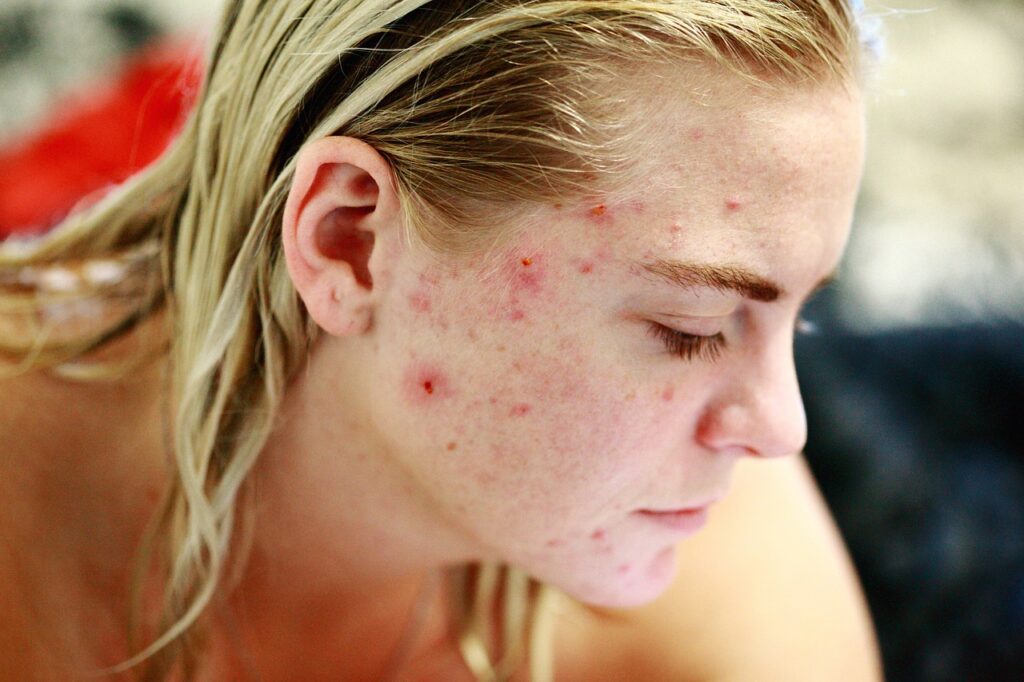
Hormonal imbalances, especially during puberty, can lead to the development of pimples. These imbalances can cause an overproduction of sebum, or oil, which can clog pores and lead to acne breakouts. Hormonal fluctuations can also occur during menstrual cycles, pregnancy, and menopause, triggering the formation of pimples.
Excessive Oil Production
Excessive oil production, known as sebum, is another common cause of pimples. When the sebaceous glands produce too much oil, it can mix with dead skin cells and bacteria, leading to clogged pores and the formation of acne. This is why individuals with oily skin are more prone to developing pimples.
Clogged Pores
Clogged pores occur when dead skin cells, bacteria, and sebum accumulate and block the hair follicles. This can result in the formation of blackheads, whiteheads, and pimples. Factors such as inadequate cleansing, sweat, and certain cosmetics can contribute to pore congestion.
Bacterial Infection
The presence of bacteria on the skin, particularly Propionibacterium acnes, can contribute to the development of pimples. These bacteria can thrive in the hair follicles and cause inflammation, leading to the formation of red, swollen pimples.
Stress and Lifestyle Factors
Stress and certain lifestyle habits can play a role in the development of pimples. Stress can increase sebum production and inflammation in the skin, making acne more likely to occur. Additionally, factors such as poor diet, inadequate sleep, and lack of exercise can also contribute to the formation of pimples.
Prevention Tips
Maintain a Consistent Skincare Routine
Establishing a consistent skincare routine is crucial for preventing pimples. Cleanse, tone, and moisturize your skin every day using products suitable for your skin type. Incorporate acne-fighting ingredients, such as salicylic acid or benzoyl peroxide, into your routine to keep your skin clean and clear.
Cleanse Your Face Twice a Day
Regularly cleansing your face is essential for removing dirt, oil, and impurities that can clog your pores. Use a gentle cleanser that suits your skin type, and make sure to cleanse morning and night. Avoid harsh scrubbing, as it can irritate the skin and worsen acne.
Avoid Touching Your Face
Touching your face frequently can transfer bacteria and oil from your hands to your skin, potentially leading to the development of pimples. Avoid touching your face unnecessarily, and be mindful of keeping your hands clean, especially when you’re prone to breakouts.
Keep Your Hair Clean
Oily and dirty hair can contribute to the formation of pimples, especially along the hairline and forehead. Wash your hair regularly to remove excess oil and dirt, and avoid using heavy styling products that can clog your pores.
Limit Makeup Usage
While makeup can enhance your appearance, it can also clog your pores and contribute to the development of pimples. If you’re prone to breakouts, try to limit your makeup usage or opt for non-comedogenic products that won’t clog your pores. Make sure to thoroughly remove your makeup before bed to prevent pore congestion.
Avoid Excessive Sun Exposure
Although some sun exposure is beneficial for the skin, excessive exposure can lead to skin damage and increase the risk of acne. Protect your skin by using a broad-spectrum sunscreen with at least SPF 30, wearing protective clothing, and seeking shade during peak sun hours.
Manage Stress Levels
Stress can worsen acne by triggering hormonal imbalances and inflammation in the body. Find healthy ways to manage stress, such as practicing relaxation techniques, exercising regularly, getting enough sleep, and engaging in activities you enjoy.
Maintain a Healthy Diet
A well-balanced diet can support overall skin health and help prevent pimples. Incorporate plenty of fruits, vegetables, whole grains, lean proteins, and healthy fats into your diet. Avoid excessive consumption of processed foods, sugary snacks, and high glycemic index foods, as they can increase inflammation and acne risk.
Stay Hydrated
Drinking an adequate amount of water is essential for maintaining healthy skin. Proper hydration helps flush out toxins from the body and keeps your skin hydrated. Aim to drink at least eight glasses of water a day to support clear and blemish-free skin.
Change Pillowcases and Towels Regularly
Pillowcases and towels can harbor bacteria, oil, and dirt that can transfer to your face when you sleep or dry your skin. Change your pillowcases and towels regularly, at least once a week, to ensure you’re not constantly exposing your skin to potentially acne-causing substances.
Home Remedies
Tea Tree Oil
Tea tree oil has natural antibacterial properties that can help reduce acne-causing bacteria on the skin. Dilute tea tree oil with a carrier oil and apply it to pimples as a spot treatment.
Honey and Cinnamon Mask
A mixture of honey and cinnamon can help soothe inflammation and reduce redness associated with pimples. Mix equal parts honey and cinnamon powder to create a paste, and apply it to the affected areas. Leave it on for 10 to 15 minutes before rinsing off.
Apple Cider Vinegar
Apple cider vinegar has antimicrobial properties that can help kill bacteria on the skin. Dilute apple cider vinegar with water and apply it to the skin using a cotton pad. Leave it on for a few minutes, then rinse off with water.
Aloe Vera
Aloe vera is known for its soothing and anti-inflammatory properties. Apply pure aloe vera gel to pimples to reduce redness and inflammation. Leave it on for 10 to 15 minutes before rinsing off.
Baking Soda
Baking soda can help exfoliate the skin and unclog pores. Create a paste by mixing baking soda with water, and gently massage it onto the affected areas. Rinse off with water after a few minutes.
Green Tea
Green tea contains antioxidants that can help reduce inflammation and fight acne. Brew green tea, allow it to cool, and apply it to the skin using a cotton pad or as a face mask.
Lemon Juice
Lemon juice has natural antimicrobial properties that can help kill bacteria on the skin. Dilute lemon juice with water and apply it to pimples using a cotton pad. Leave it on for a few minutes, then rinse off.
Turmeric Paste
Turmeric has anti-inflammatory and antibacterial properties that can help reduce pimples. Create a paste by mixing turmeric powder with water or honey, and apply it to the affected areas. Leave it on for 10 to 15 minutes before rinsing off.
Ice Cubes
Applying ice cubes to pimples can help reduce inflammation and redness. Wrap an ice cube in a thin cloth and gently press it onto the affected areas for a few minutes.
Steam Treatment
Steam treatment can help unclog pores and remove excess oil and impurities from the skin. Boil water and transfer it to a bowl. Place your face over the bowl, covering your head with a towel to trap the steam. Steam your face for about 5 to 10 minutes, then rinse with lukewarm water.
Over-the-counter Treatments
Topical Creams and Gels
Topical creams and gels containing ingredients like benzoyl peroxide, salicylic acid, or sulfur can help treat and prevent pimples. These ingredients work by reducing oil production, unclogging pores, and killing acne-causing bacteria.
Benzoyl Peroxide
Benzoyl peroxide is an effective acne-fighting ingredient that works by killing bacteria and reducing inflammation. It is available in different strengths and formulations, including cleansers, creams, and spot treatments.
Salicylic Acid
Salicylic acid is a beta hydroxy acid that exfoliates the skin and helps unclog pores. It is commonly found in cleansers, toners, and spot treatments for acne-prone skin.
Retinoids
Retinoids, such as adapalene or tretinoin, are derived from vitamin A and are effective in treating acne. They work by unclogging pores, reducing inflammation, and promoting skin cell turnover. Retinoids are available in prescription-strength formulations as well as over-the-counter versions.
Sulfur-based Products
Sulfur has antibacterial and anti-inflammatory properties that can help treat acne. Sulfur-based products, such as cleansers, masks, and spot treatments, are often used to target pimples and reduce their size and redness.
Antibacterial Cleansers
Antibacterial cleansers containing ingredients like triclosan or chlorhexidine can help kill acne-causing bacteria. These cleansers are often used as part of an acne treatment regimen.
Spot Treatments
Spot treatments are concentrated formulations designed to be applied directly to individual pimples. They often contain acne-fighting ingredients like benzoyl peroxide, salicylic acid, or sulfur to target and treat blemishes.
Oil-Free Moisturizers
Using oil-free moisturizers can help hydrate the skin without clogging pores. Look for lightweight, non-comedogenic formulas specifically designed for acne-prone skin.
Non-Comedogenic Makeup
When choosing makeup products, opt for non-comedogenic formulas that won’t clog your pores. Look for labels that indicate the product is oil-free and won’t exacerbate acne.
Professional Treatments
Extraction
Extraction involves the manual removal of pimples, blackheads, and whiteheads using sterile instruments. It is typically performed by a dermatologist or esthetician and can be an effective treatment for clearing congested pores.
Chemical Peels
Chemical peels involve the application of a chemical solution to the skin, which causes the top layer to peel off. This process helps exfoliate the skin, unclog pores, and reduce the appearance of acne. Chemical peels can be customized based on the severity of acne and individual skin type.
Microdermabrasion
Microdermabrasion is a non-invasive procedure that uses a device to exfoliate the outer layer of the skin. It helps remove dead skin cells, unclog pores, and improve the texture and appearance of acne-prone skin.
Laser Therapy
Laser therapy uses focused beams of light to target and destroy acne-causing bacteria. It also helps reduce sebum production and improve overall skin appearance.
Light Therapy
Light therapy, also known as phototherapy, uses different wavelengths of light to treat acne. Blue light targets acne-causing bacteria, while red light helps reduce inflammation and promote skin healing.
Cortisone Injections
Cortisone injections are used to treat large, painful pimples or cystic acne. The injection contains a corticosteroid that reduces inflammation and helps speed up the healing process.
Prescription Medications
In severe cases of acne, dermatologists may prescribe oral medications, such as antibiotics, hormonal treatments, or isotretinoin, to treat acne from within the body. These medications are typically used when other treatments have not been effective.
Dermaplaning
Dermaplaning is a procedure that uses a surgical scalpel to gently remove the top layer of dead skin cells from the face. It also helps remove fine facial hair and promotes smoother, brighter skin.
Microneedling
Microneedling involves using a small device with fine needles to create tiny puncture wounds in the skin. This stimulates the production of collagen and helps improve acne scars and overall skin texture.
Fractional Laser Resurfacing
Fractional laser resurfacing is a more aggressive laser treatment that creates controlled damage to the skin, promoting collagen production and skin rejuvenation. It can effectively treat acne scars and uneven skin texture.
Skin Care Tips
Cleanse Gently
When cleansing your face, avoid harsh scrubbing or using abrasive products that can irritate the skin. Instead, opt for gentle cleansers that won’t strip away natural oils or disrupt the skin’s barrier.
Exfoliate Regularly
Exfoliating your skin regularly helps remove dead skin cells and unclog pores. However, be cautious not to over-exfoliate, as it can irritate the skin and lead to more breakouts. Choose gentle exfoliants and limit exfoliation to once or twice a week.
Moisturize Appropriately
Even if you have oily or acne-prone skin, moisturizing is crucial. Look for lightweight, oil-free moisturizers that won’t clog your pores. Hydrated skin is less prone to irritation and better able to fight off breakouts.
Use Non-Comedogenic Products
Non-comedogenic products are specifically formulated to not clog pores. Choose makeup, sunscreen, and skincare products that are labeled as non-comedogenic to reduce the risk of acne breakouts.
Protect Your Skin from the Sun
Excessive sun exposure can worsen acne and lead to hyperpigmentation. Protect your skin by wearing a broad-spectrum sunscreen with at least SPF 30, seeking shade during peak hours, and wearing protective clothing.
Avoid Excessive Scrubbing or Picking
Scrubbing your face vigorously or picking at pimples can worsen inflammation, increase the risk of infection, and potentially cause scarring. Be gentle with your skin and avoid unnecessary touching or picking.
Keep Hair and Accessories Clean
Dirty hair and accessories, such as hats or headbands, can transfer oil, dirt, and bacteria to your skin, leading to breakouts. Keep your hair clean and avoid letting it touch your face. Regularly clean your accessories to prevent pore congestion.
Avoid Tight-Fitting Clothing
Wearing tight-fitting clothing, especially on areas prone to breakouts, can trap sweat, dirt, and oil against the skin, leading to acne. Opt for loose-fitting clothing made from breathable fabrics, especially during warmer weather.
Wash Workout Gear Regularly
If you exercise regularly, make sure to wash your workout gear after each use. Sweat, dirt, and bacteria can accumulate on your clothes and transfer to your skin, potentially causing breakouts.
Avoid Over-Washing or Over-Drying Your Face
While it’s important to cleanse your face regularly, over-washing or over-drying can strip the skin of its natural oils and disrupt its moisture balance. Limit cleansing to twice a day and choose gentle, pH-balanced products.
Dietary Considerations
Avoid High Glycemic Index Foods
High glycemic index foods, such as white bread, sugary snacks, and processed foods, can cause blood sugar spikes, leading to increased sebum production and acne breakouts. Opt for lower glycemic index foods like whole grains, fruits, and vegetables.
Eat a Balanced Diet
A well-balanced diet that includes a variety of fruits, vegetables, lean proteins, whole grains, and healthy fats can support overall skin health. Nutrient-rich foods provide essential vitamins and minerals necessary for clear and blemish-free skin.
Consume Foods Rich in Antioxidants
Antioxidant-rich foods, such as berries, leafy greens, and nuts, can help reduce inflammation and protect the skin cells from oxidative stress. Including these foods in your diet can promote healthier skin.
Reduce Dairy Intake
Some studies suggest a link between dairy consumption and acne breakouts. If you suspect that dairy may be contributing to your pimples, consider reducing your intake or switching to dairy alternatives.
Limit Sugar and Processed Foods
Sugary snacks and processed foods can cause spikes in blood sugar and promote inflammation in the body, potentially worsening acne. Limit your consumption of these foods and focus on whole, unprocessed options.
Include Omega-3 Fatty Acids
Omega-3 fatty acids, found in fatty fish, walnuts, and flaxseeds, have anti-inflammatory properties that can help reduce acne inflammation. Including these foods in your diet can support clearer and healthier skin.
Stay Hydrated
Drinking enough water is important for maintaining overall health, including the health of your skin. Adequate hydration helps flush out toxins and keeps your skin hydrated from within.
Limit Alcohol and Caffeine Consumption
Excessive alcohol and caffeine consumption can dehydrate the body and potentially worsen acne. Limit your intake of alcohol and caffeine, and make sure to balance them with adequate hydration.
Avoid Food Allergens
If you suspect that certain foods may be triggering your acne, consider eliminating common food allergens like gluten, dairy, or soy. Keep a food diary to track any potential correlations between your diet and breakouts.
Consider Supplements
Certain supplements, like zinc, omega-3 fatty acids, and probiotics, may help support clearer skin. Consult with a healthcare professional before starting any supplements to determine if they are suitable for you.
Lifestyle Changes
Manage Stress Levels
Stress can contribute to hormonal imbalances and exacerbate acne breakouts. Find healthy ways to manage your stress levels, such as practicing relaxation techniques, exercising regularly, and engaging in activities you enjoy.
Get Enough Sleep
Adequate sleep is crucial for overall well-being, including skin health. Lack of sleep can increase stress levels, trigger hormonal imbalances, and worsen acne. Aim for 7 to 9 hours of quality sleep per night.
Exercise Regularly
Regular exercise helps improve blood circulation, reduce stress levels, and support healthy skin. Engage in activities you enjoy, such as walking, jogging, or yoga, to promote overall health and well-being.
Avoid Smoking and Excessive Alcohol Consumption
Both smoking and excessive alcohol consumption can have detrimental effects on your skin. Smoking narrows blood vessels and restricts oxygen flow to the skin, while excessive alcohol consumption dehydrates the body and promotes inflammation. Quit smoking and limit alcohol intake for healthier skin.
Maintain a Clean Environment
A clean environment can help prevent the buildup of dirt, oil, and bacteria that can contribute to pimples. Keep your living space clean, change your bedding regularly, and avoid sharing personal items that come into contact with your face.
Wash Pillowcases, Sheets, and Towels Regularly
Pillowcases, sheets, and towels can harbor bacteria, oil, and dirt that can transfer to your skin. Wash them regularly, ideally every week, to prevent acne-causing substances from coming into contact with your face.
Avoid Excessive Use of Electronic Devices
Excessive use of electronic devices can contribute to acne breakouts, especially along the jawline and cheeks. Clean your devices regularly, avoid resting them directly on your face, and take frequent breaks to give your skin a rest.
Manage Hormonal Fluctuations
If you experience hormonal fluctuations that contribute to recurrent breakouts, consult with a healthcare professional to explore hormonal management options. Birth control pills, hormone-balancing medications, or lifestyle adjustments may be considered.
Avoid Excessive Sweating
Excessive sweating can contribute to clogged pores and acne breakouts. Take steps to manage sweat, such as showering after workouts, wearing breathable clothing, and using oil-absorbing products as needed.
Practice Good Hygiene
Maintaining good hygiene is essential for preventing pimples. Wash your face regularly, shower after sweating, and avoid sharing personal items that come into contact with your face.
When to Seek Professional Help
Severe or Persistent Acne
If you have severe or persistent acne that isn’t improving with over-the-counter treatments, it’s time to seek professional help. A dermatologist can assess your condition and provide appropriate treatment options.
Painful and Inflamed Pimples
Painful, inflamed pimples can be a sign of a more severe form of acne, such as cystic acne. A dermatologist can provide targeted treatments to alleviate pain and inflammation.
Scarring or Hyperpigmentation
If pimples have left behind scars or hyperpigmentation, professional treatments like chemical peels, laser therapy, or microneedling may be recommended to improve the appearance of your skin.
Psychological Distress
If acne is causing significant psychological distress, such as low self-esteem, anxiety, or depression, it’s important to seek professional help. A dermatologist or mental health professional can provide support and guidance.
Non-Responsive to Over-the-Counter Treatments
If your acne is not responding to over-the-counter treatments after several weeks of consistent use, it’s advisable to consult a dermatologist for a customized treatment plan.
Suspected Hormonal Imbalance
If you suspect a hormonal imbalance may be contributing to your pimples, it’s important to consult with a healthcare professional. They can evaluate your symptoms, perform necessary tests, and recommend appropriate treatment options.
Underlying Health Conditions
Sometimes, pimples can be a symptom of an underlying health condition. If you’re experiencing other unexplained symptoms alongside your acne, it’s important to seek professional medical advice.
Sudden Onset of Adult Acne
If you’re experiencing a sudden onset of acne as an adult, it’s worth consulting with a dermatologist. Adult acne can have different underlying causes and may require a different approach to treatment.
Negative Impact on Daily Life
If pimples are significantly affecting your daily life, such as your self-confidence, relationships, or performance at work or school, it’s important to seek professional help. A dermatologist can provide guidance and treatment options tailored to your needs.
Pimples Accompanied by Other Symptoms
If you’re experiencing pimples along with other symptoms, such as fever, joint pain, or fatigue, it’s important to consult with a healthcare professional. These symptoms may indicate an underlying health condition that requires medical attention.
Post-Pimple Care
Avoid Picking or Popping Pimples
Resist the urge to pick or pop pimples, as it can lead to further inflammation, infection, and scarring. Allow pimples to heal naturally.
Use Gentle Skincare Products
After a breakout, it’s essential to use gentle skincare products that won’t irritate or further damage your skin. Choose products specifically formulated for sensitive or acne-prone skin.
Apply Spot Treatments or Creams
If you have lingering redness or inflammation after a pimple has healed, spot treatments or creams containing ingredients like niacinamide or hydrating serums can help soothe and hydrate the skin.
Protect Against Sun Exposure
After a pimple has healed, protect your skin from sun exposure to prevent darkening of any post-inflammatory hyperpigmentation. Apply a broad-spectrum sunscreen with SPF 30 or higher daily.
Avoid Touching or Rubbing the Affected Area
To prevent the spread of bacteria and avoid further irritation, avoid touching or rubbing the area where the pimple was. Keep your hands away from your face and avoid picking at any residual scabs.
Consider Scar Management Techniques
If pimples have left behind scars, hyperpigmentation, or texture irregularities, consult with a dermatologist for scar management techniques such as laser treatments, chemical peels, or microneedling.
Maintain a Healthy Skincare Routine
After a pimple has healed, it’s important to maintain a healthy skincare routine to prevent future breakouts. Keep your skin clean, exfoliate regularly, and maintain proper hydration and sun protection.
Seek Professional Advice If Necessary
If you’re unsure of how to care for your skin after a breakout or if you have concerns about the healing process, it’s always best to seek professional advice from a dermatologist.
Practice Patience for Natural Healing
Healing takes time, and it’s important to be patient with your skin. Avoid trying too many new products or treatments at once and allow your skin to naturally heal and regenerate.
Promote Skin Regeneration with Proper Care
By following a consistent and appropriate skincare routine, protecting your skin from the sun, and practicing good overall health habits, you can support the natural regeneration and healing process of your skin.