Have you ever wondered why some people have small craters or indentations on their face? These imperfections, known as post-acne indentations or face craters, can be a source of frustration for many individuals. But fear not! In this article, we will delve into the world of post-acne indentations, exploring the causes behind these facial irregularities. Whether you have personally experienced these indentations or are simply curious about what causes them, read on to learn more about this common skin issue and how it can be treated.
Definition of Face Craters
What are face craters?
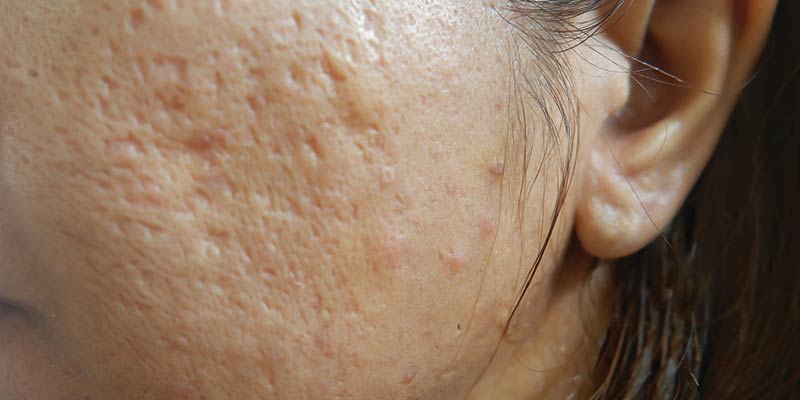
Face craters, also known as post-acne indentations, are depressions or indentations that form on the skin surface as a result of severe or prolonged acne. These indentations can range in size, shape, and depth, and they often give the skin a rough, uneven texture. Face craters can be emotionally distressing, as they can affect a person’s self-esteem and confidence.
Types of face craters
There are several types of face craters that can form as a result of post-acne scarring. These include:
-
Ice pick scars: These are deep, narrow scars that resemble small puncture marks on the skin’s surface. They are usually smaller in diameter and deeper than other types of scars.
-
Boxcar scars: Boxcar scars are characterized by their broad and shallow depressions with sharply defined edges. They often have a round or oval shape and can give the skin a pitted appearance.
-
Rolling scars: Rolling scars have a wave-like appearance and give the skin a rolling or undulating texture. They are caused by the pulling of fibrous bands of tissue beneath the skin, resulting in a wavy surface.
-
Hypertrophic scars: Hypertrophic scars are raised and thickened scars that can develop as a result of excessive collagen production during the healing process. Unlike other types of scars, hypertrophic scars do not result in depressions but rather appear as raised bumps on the skin.
-
Keloid scars: Keloid scars are similar to hypertrophic scars but extend beyond the original boundary of the wound. They can be raised, itchy, and have a tendency to grow larger over time.
Understanding the different types of face craters is crucial in determining the most appropriate treatment options for individuals seeking to improve the appearance of their skin.
Understanding Post-Acne Indentations
What are post-acne indentations?
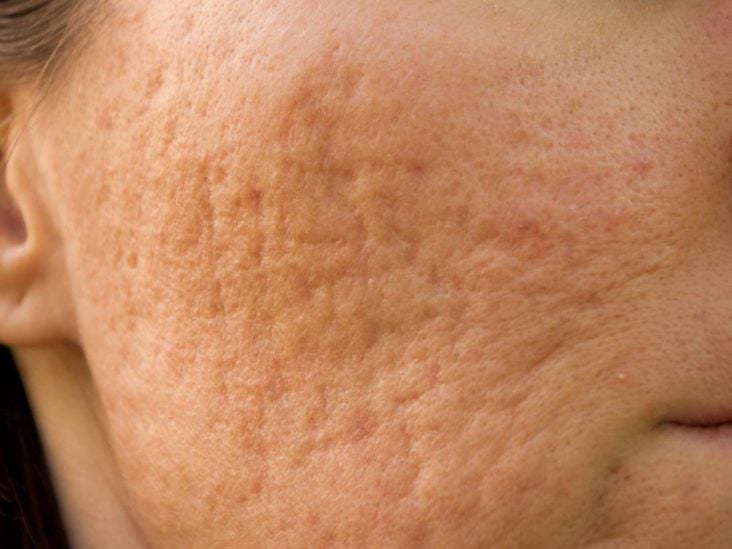
Post-acne indentations, as the name suggests, refer to the depressions or indentations that occur on the skin after acne has healed. Acne is a common skin condition characterized by the presence of comedones (“blackheads” and “whiteheads”), papules, pustules, and in severe cases, cysts and nodules. When acne lesions become inflamed and cause damage to the underlying tissue, the healing process can lead to the formation of scars and indentations.
Differentiating post-acne indentations from other types of scarring
It is important to differentiate post-acne indentations from other types of scarring, as the treatment options may vary. While post-acne indentations result from acne breakouts, other types of scarring may arise from injuries, surgery, or other skin conditions.
Post-acne indentations are unique in their appearance and texture. They often have a depressed or pitted appearance, whereas other scars may be raised, thickened, or have a different color. By understanding the specific characteristics of post-acne indentations, individuals can seek appropriate treatment options to improve the appearance of their skin.
Prevalence of post-acne indentations
Post-acne indentations are a common consequence of severe or persistent acne. Studies have shown that approximately 30-40% of individuals with acne will develop some form of scarring, including post-acne indentations. The risk of developing these indentations increases with the severity and duration of acne.
Unfortunately, post-acne indentations can occur in individuals of all ages and skin types, resulting in a significant impact on their physical appearance and emotional well-being. Understanding the causes and treatment options for post-acne indentations is essential in helping individuals manage and improve these skin imperfections.
Causes of Post-Acne Indentations
Inflammation and tissue damage
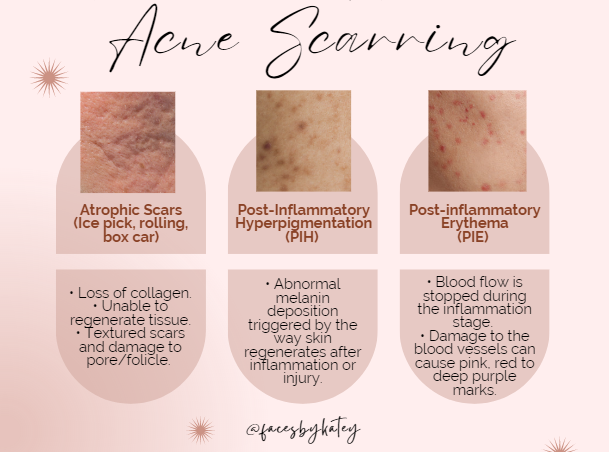
One of the primary causes of post-acne indentations is inflammation and damage to the skin tissue. When acne lesions become inflamed, the immune system responds by releasing inflammatory mediators that cause swelling and redness. The prolonged presence of inflammation can result in the breakdown of collagen and elastin fibers in the skin, leading to the formation of indentations as the tissue heals.
Loss of collagen and elastin
Collagen and elastin are essential proteins that provide structure, elasticity, and support to the skin. During the healing process, the body attempts to repair the damaged tissue by producing collagen. However, in some cases, there may be inadequate collagen production or excessive collagen degradation, leading to a loss of volume and the formation of indentations.
Excessive oil production
Excessive oil production, known as sebum, is a common characteristic of acne-prone skin. When the sebaceous glands produce an excess amount of oil, it can clog the hair follicles and contribute to the formation of acne lesions. The accumulation of oil and the subsequent inflammatory response can damage the surrounding tissue, resulting in the formation of post-acne indentations.
Post-acne cysts and nodules
In severe cases of acne, the presence of cysts and nodules can significantly increase the likelihood of developing post-acne indentations. Cysts and nodules are deep, painful acne lesions that extend into the deeper layers of the skin. The inflammation and damage caused by these lesions can lead to extensive tissue destruction and the subsequent formation of scars and indentations.
Improper acne treatment
Using inappropriate or harsh acne treatments can also contribute to the development of post-acne indentations. Aggressive scrubbing or picking at acne lesions can cause further damage to the skin, exacerbating inflammation and increasing the risk of scarring. It is important to seek professional guidance and use gentle, acne-specific treatments to minimize the risk of post-acne indentations.
Understanding the underlying causes of post-acne indentations is crucial in implementing effective treatment strategies and preventive measures to improve the appearance of the skin and minimize the risk of further scarring.
Risk Factors for Developing Post-Acne Indentations
Severe acne
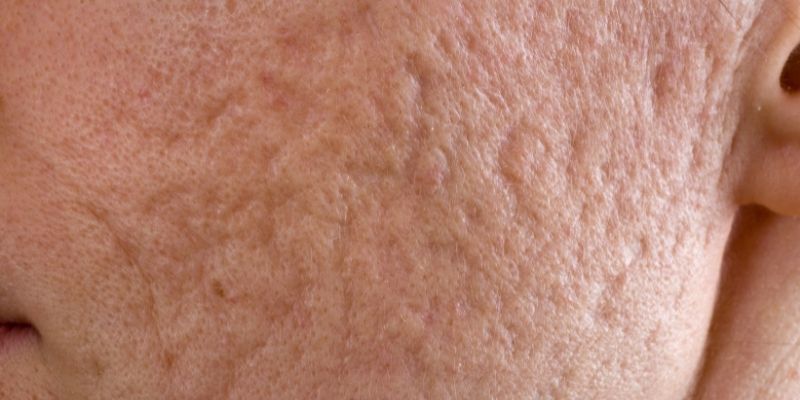
The severity of acne plays a significant role in the development of post-acne indentations. Individuals with severe acne, characterized by cysts, nodules, and widespread inflammation, are more likely to experience extensive tissue damage and scarring. Prompt and appropriate acne treatment is essential to minimize the risk of long-term indentations.
Delayed or inadequate acne treatment
Delaying or inadequately treating acne can increase the risk of scarring and indentations. Acne lesions that are left untreated or not properly managed can lead to prolonged inflammation and tissue damage, making individuals more susceptible to post-acne indentations. Seeking early and appropriate treatment for acne is crucial in preventing long-term scarring.
Picking or popping pimples
Picking or popping pimples can cause further damage to the skin and increase the risk of post-acne indentations. The pressure and trauma inflicted on the skin during these actions can result in tissue destruction, inflammation, and the subsequent formation of scars. It is important to resist the urge to pick or pop pimples and instead adopt gentle skincare practices.
Genetic predisposition
Genetics can also influence the likelihood of developing post-acne indentations. Some individuals may be genetically predisposed to excessive scarring and a delayed healing response. If there is a family history of post-acne indentations or other types of scarring, individuals should be vigilant in their acne management and seek professional advice to minimize the risk of scarring.
Skin type and ethnicity
Certain skin types and ethnicities are more prone to developing post-acne indentations. Individuals with darker skin types, such as those of African, Asian, or Hispanic descent, have a higher risk of developing hyperpigmentation or dark spots after acne breakouts. These dark spots can often accompany post-acne indentations and affect the overall appearance of the skin.
Understanding the risk factors associated with post-acne indentations can help individuals take proactive measures to prevent and minimize the development of these skin imperfections.