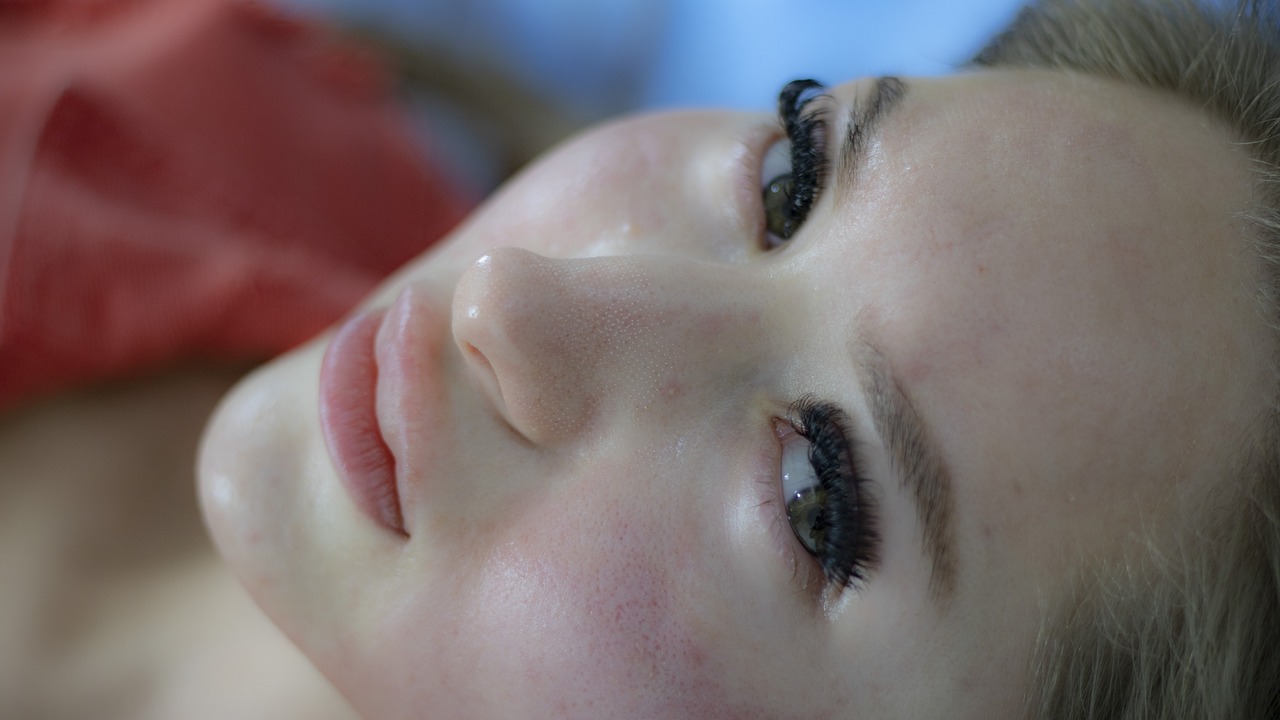
In this article, you will find everything you need to know about acne scars: the different types, the various treatments available, and effective prevention methods. Whether you have struggled with acne in the past or are currently dealing with it, understanding the causes and possible solutions for acne scars is important for achieving smooth and healthy skin. From atrophic scars to hypertrophic scars, we will explore the various forms of acne scars and discuss the best approaches to treating and preventing them. Say goodbye to those pesky reminders of past breakouts and hello to a clearer, more confident you!
Types of Acne Scars
Atrophic Scars
Atrophic scars are one of the most common types of acne scars. These scars appear as depressions or indentations in the skin and are caused by a loss of collagen during the healing process. They can be further categorized as ice pick scars, boxcar scars, or rolling scars, depending on their shape and appearance.
Ice pick scars are narrow, deep scars that resemble puncture marks. They are usually smaller in size and can be challenging to treat. Boxcar scars, on the other hand, have flat, angular edges and appear wider than ice pick scars. They usually occur on the cheeks and temples and are relatively easier to treat. Rolling scars create a wave-like appearance on the skin and are caused by fibrous bands pulling down the skin’s surface.
Hypertrophic Scars
Hypertrophic scars are characterized by raised and thickened tissue at the site of acne injury. Unlike keloid scars, which extend beyond the initial wound, hypertrophic scars remain within the boundaries of the original injury. They are caused by an overproduction of collagen during the healing process and are more commonly found on the chest, shoulders, and back.
Keloid Scars
Keloid scars are similar to hypertrophic scars but have a more pronounced and irregular growth pattern. These scars extend beyond the boundaries of the initial wound and can be itchy and uncomfortable. Keloid scars occur when the body produces an excess amount of collagen during the healing process. They are more common in individuals with darker skin tones and tend to occur on the chest, shoulders, and earlobes.
Boxcar Scars
Boxcar scars, as mentioned earlier, are a type of atrophic scar with flat, angular edges. These scars usually have a wide base and appear as shallow depressions on the skin. They can be round or oval in shape and vary in size. Boxcar scars are commonly found on the cheeks and temples.
Ice Pick Scars
Ice pick scars, also a type of atrophic scar, are characterized by narrow, deep pits in the skin. These scars resemble puncture marks left by an ice pick or needle. Ice pick scars can be challenging to treat due to their depth, and they often give the impression of large pores on the skin’s surface.
Rolling Scars
Rolling scars, another type of atrophic scar, create a wave-like or undulating appearance on the skin. These scars are caused by fibrous bands pulling the skin downwards, creating a distorted texture. Rolling scars are often wider in diameter than ice pick scars and boxcar scars, making them more noticeable on the skin.
Hyperpigmentation Scars
Hyperpigmentation scars are not technically scars but rather areas of increased pigmentation left behind after acne lesions have healed. These scars appear as dark patches or spots on the skin and are caused by an overproduction of melanin during the inflammatory process. Hyperpigmentation scars commonly affect individuals with darker skin tones and can take months or even years to fade naturally.
Hypopigmentation Scars
Hypopigmentation scars, on the other hand, result in areas of reduced pigmentation compared to the surrounding skin. These scars appear as lighter patches and are more common in individuals with lighter skin tones. The loss of melanocytes, cells responsible for producing melanin, leads to hypopigmentation scars. They can be a result of severe inflammation during the acne healing process.
Post-Inflammatory Erythema Scars
Post-inflammatory erythema (PIE) scars are red or purplish marks that are left behind after acne lesions have healed. Unlike hyperpigmentation, these scars are caused by damaged capillaries near the surface of the skin. PIE scars can take weeks or months to fade naturally but can be treated with certain interventions.

Treatments for Acne Scars
Topical Treatments
Topical treatments for acne scars typically consist of creams or gels containing ingredients like retinoids, hydroquinone, or corticosteroids. These products help to reduce inflammation, promote collagen production, and lighten pigmentation in the affected areas. When used consistently and as directed, topical treatments can significantly improve the appearance of acne scars over time.
Chemical Peels
Chemical peels involve the application of a chemical solution to the skin, which causes controlled exfoliation and shedding of the top layers. This process helps to improve the texture and tone of the skin, thereby reducing the appearance of acne scars. Chemical peels can range from superficial to deep, depending on the individual’s specific needs and the severity of their scars.
Microdermabrasion
Microdermabrasion is a non-invasive procedure that uses tiny crystals to exfoliate the skin’s surface. This process helps to remove dead skin cells, promote cell turnover, and stimulate collagen production. Microdermabrasion can improve the appearance of mild acne scars and give the skin a smoother, more polished look.
Laser Resurfacing
Laser resurfacing is an effective treatment option for moderate to severe acne scars. It involves the use of laser technology to remove the outer layers of damaged skin and stimulate collagen production. This process helps to reduce the appearance of scars, improve skin texture, and promote overall skin rejuvenation. Different types of lasers, such as fractional lasers or ablative lasers, may be used depending on the specific needs of the individual.
Dermal Fillers
Dermal fillers, such as hyaluronic acid or collagen injections, can be used to plump up atrophic scars and improve their appearance. These fillers are injected beneath the scar to raise it to the level of the surrounding skin, creating a smoother surface. Dermal fillers provide temporary results and may need to be repeated periodically to maintain the desired effect.
Microneedling
Microneedling, also known as collagen induction therapy, involves the use of a device with fine needles to create tiny punctures in the skin. This process triggers the skin’s natural healing response, stimulating collagen production and promoting scar remodeling. Microneedling can help improve the appearance of acne scars, reduce hyperpigmentation, and enhance overall skin texture.
Punch Techniques
Punch techniques, including punch excision, punch elevation, and punch grafting, are surgical procedures used to treat specific types of acne scars, such as ice pick scars. These techniques involve the removal or elevation of individual scars using a circular tool called a punch. The treated area is then sutured or filled with a graft to create a more even skin surface.
Subcision
Subcision is a minimally invasive procedure that involves the insertion of a small needle or blade under the skin to break up fibrous bands that are pulling down the skin’s surface. This process helps to release the scar tissue, allowing the skin to regenerate and fill in the depressed areas. Subcision can be an effective treatment option for rolling scars and certain types of atrophic scars.
Cryotherapy
Cryotherapy, also known as freezing therapy, involves the application of extreme cold temperatures to destroy the scar tissue. This treatment is particularly effective for keloid scars and hypertrophic scars. Cryotherapy can be performed using liquid nitrogen or a specialized cryoprobe, which freezes the scar tissue and stimulates the body’s natural healing response.
Dermabrasion
Dermabrasion is a surgical procedure that involves the removal of the top layers of the skin using a rotating brush or diamond wheel. This process helps to smooth out irregularities and improve the texture of the skin. Dermabrasion is often recommended for deep acne scars and may require several sessions for optimal results.

Prevention of Acne Scars
Effective Acne Management
One of the most crucial steps in preventing acne scars is effective acne management. This includes adopting a consistent skincare routine that involves cleansing the skin twice a day, using non-comedogenic products, and avoiding excessive scrubbing or harsh treatments. Regularly treating acne breakouts and preventing new ones from forming can minimize the risk of developing acne scars.
Avoiding Picking and Squeezing
Picking or squeezing acne lesions can significantly increase the chances of scarring. When you squeeze or pick at a pimple, you risk rupturing the follicle wall, which can lead to further inflammation and damage. It is essential to resist the urge to touch or pop pimples and allow them to heal naturally to minimize scarring.
Early Intervention
Treating acne as soon as it appears can help prevent it from worsening and reduce the risk of scarring. Early intervention can involve the use of over-the-counter acne treatments, visiting a dermatologist for prescription medications or therapies, or seeking professional advice on managing acne breakouts effectively.
Sun Protection
Protecting your skin from the damaging effects of the sun is crucial in preventing acne scars. Excessive sun exposure can lead to inflammation, hyperpigmentation, and delayed wound healing. It is recommended to use a broad-spectrum sunscreen with an SPF of 30 or higher daily, even on cloudy days, and to seek shade during peak hours of sun exposure.
Proper Wound Care
When an acne lesion has ruptured or formed a scab, it is essential to practice proper wound care to minimize scarring. Keeping the area clean by gently cleansing it with mild soap and warm water can prevent infection and promote healing. Avoid picking at the scab, as this can prolong the healing process and increase the chances of scarring.
Avoiding Harsh Products
Using harsh skincare products or treatments can irritate the skin and potentially worsen acne breakouts. It is crucial to choose gentle, non-comedogenic products that are suitable for your skin type. Harsh ingredients, such as alcohol or fragrances, can strip the skin’s natural moisture barrier and disrupt its healing process.
Regular Exfoliation
Regular exfoliation can help prevent acne scars by removing dead skin cells and promoting cell turnover. However, it is important to choose a gentle exfoliating method that suits your skin type. Over-exfoliating or using abrasive scrubs can cause skin irritation and inflammation, leading to potential scarring.
Scar Prevention Products
Using scar prevention products, such as silicone sheets or gels, can aid in minimizing the appearance of acne scars. These products create a protective barrier over the scar, helping to retain moisture and promote collagen synthesis. Scar prevention products should be used consistently as directed to achieve optimal results.
Seeking Professional Help
If you have severe or persistent acne that is causing scarring, it is essential to seek professional help from a dermatologist. A dermatologist can assess your skin condition, recommend appropriate treatments, and provide guidance on how to prevent further scarring. They may suggest a combination of treatments tailored to your specific needs to achieve the best results.
Maintaining a Healthy Lifestyle
Maintaining a healthy lifestyle can contribute to preventing acne scars. Eating a balanced diet, exercising regularly, managing stress levels, and getting enough sleep can positively impact overall skin health. Adequate hydration is also important, as it helps keep the skin hydrated and promotes the natural healing process. Remember that healthy skin is less prone to scarring.
In conclusion, understanding the different types of acne scars, available treatment options, and preventive measures can significantly help in managing and minimizing the appearance of acne scars. By adopting proper skincare routines, seeking professional advice when needed, and practicing good wound care, you can take control of your skin’s health and reduce the impact of acne scars on your self-confidence. Remember, every individual’s skin is unique, so it’s important to consult with a dermatologist to determine the best approach for your specific needs.
