
Hey there! If you’ve ever dealt with acne, you know that it can be a real pain – both literally and figuratively. But what happens after the pimples are gone? Well, that’s when acne scars can become a concern. In this article, we’ll take a closer look at the causes of acne scars, the different types you may encounter, and some potential removal options. So, if you’re curious about saying goodbye to those pesky reminders of your past breakouts, keep on reading!
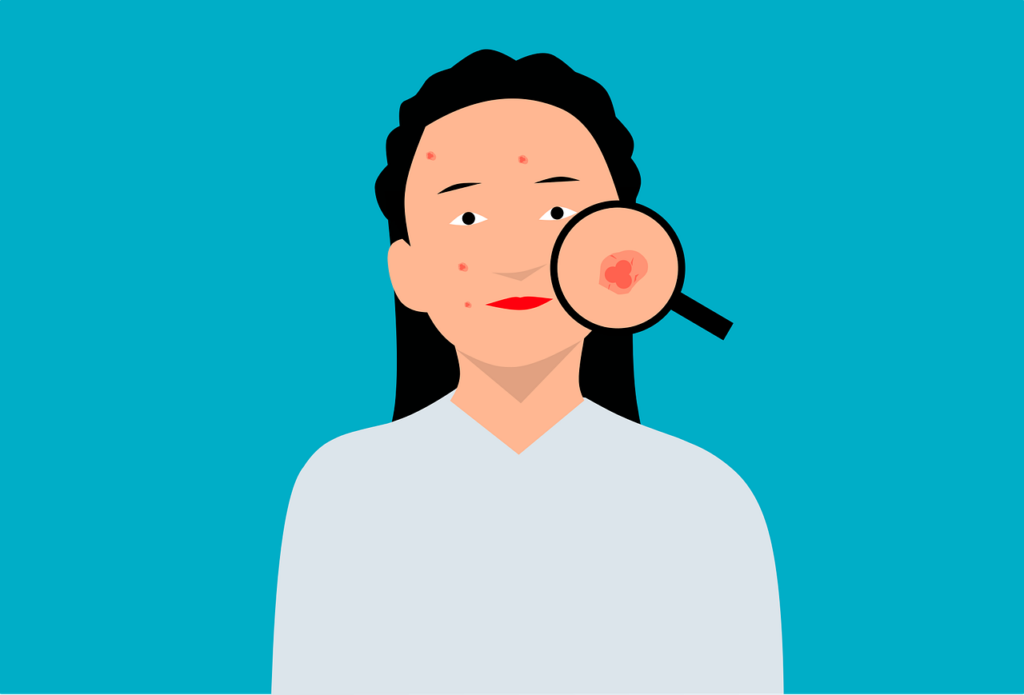
Causes of Acne Scars
Inflammatory Acne
Inflammatory acne, such as papules, pustules, and cysts, can often lead to the formation of acne scars. When these types of acne occur, the body’s immune response kicks in, causing an inflammatory reaction. As a result, the skin tissues surrounding the acne become damaged, leading to the formation of scars.
Genetics
Genetics play a significant role in determining an individual’s predisposition to developing acne scars. If you have a family history of acne scarring, you are more likely to experience scarring yourself. Certain genes can influence the way your skin heals and forms scars, making some individuals more prone to developing acne scars than others.
Picking or Squeezing Acne
We all know the temptation to pick or squeeze a pimple when it appears, but this act can have long-lasting consequences. When you pick at a pimple, you risk introducing bacteria deeper into the skin and causing further inflammation. This increases the chances of developing acne scars as the healing process is disrupted and the skin tissue is damaged.
Delay in Treatment
Delaying the treatment of acne or not treating it properly can increase the risk of developing acne scars. When acne is left untreated, it can worsen and become more inflammatory, causing deeper damage to the skin. Seeking timely treatment and adopting a consistent skincare routine can help prevent the formation of acne scars.
Hormonal Changes
Hormonal changes, such as those that occur during puberty, pregnancy, or hormonal disorders, can increase the likelihood of developing acne scars. Hormonal fluctuations can stimulate the production of excess sebum, leading to clogged pores and the formation of acne. Additionally, hormonal changes can affect the skin’s healing process, making it more difficult for scars to fade.
Post-Inflammatory Hyperpigmentation
Post-inflammatory hyperpigmentation (PIH) is a condition where discoloration or dark spots occur after an inflammatory skin condition, such as acne. While not technically a scar, PIH can still linger long after the acne has healed. These dark spots occur due to an overproduction of melanin in the affected area and can take several months to fade. In some cases, PIH can lead to persistent pigmentation changes that resemble acne scars.
Types of Acne Scars
Ice Pick Scars
Ice pick scars are shallow but deep, narrow indentation scars that resemble small puncture wounds. These scars are typically the result of inflammatory acne, as well as the loss of collagen and elastin in the skin. Ice pick scars can be challenging to treat due to their depth, but various procedures can help improve their appearance.
Boxcar Scars
Boxcar scars are characterized by their broad and deep depressions with defined edges. These scars often occur due to the destruction of collagen in the skin, resulting in a depressed, box-like appearance. Boxcar scars can be treated effectively using different treatment options, which will be discussed later.
Rolling Scars
Rolling scars appear as gentle, rolling undulations on the skin’s surface. These scars occur when fibrous bands of tissue develop between the skin’s surface and the underlying subcutaneous tissue. Rolling scars often give the skin a wave-like appearance and can be improved with specific treatments.
Hypertrophic Scars
Hypertrophic scars are raised, thickened scars that develop due to an overproduction of collagen during the healing process. Unlike keloid scars, hypertrophic scars do not extend beyond the boundary of the original wound. These types of scars can be treated using a variety of approaches to reduce their prominence.
Keloid Scars
Keloid scars are characterized by their raised, thickened appearance and extend beyond the boundaries of the original acne lesion. Keloids result from excessive collagen production during the healing process, often reaching heights that are disproportionate to the size of the original wound. Treating keloid scars can be challenging, and a combination of treatments may be necessary to achieve satisfactory results.
Atrophic Scars
Atrophic scars are depressed scars that appear sunken and pitted. These scars are the result of the loss of tissue, including collagen and fat, during the healing process. Atrophic scars can take on various forms, including ice pick scars, boxcar scars, and rolling scars. Treating atrophic scars often requires a customized approach based on the specific type and severity of the scar.
Diagnosing Acne Scars
Physical Examination
Diagnosing acne scars often begins with a thorough physical examination by a dermatologist. The dermatologist will visually inspect the skin, examining the texture and appearance of any remaining acne lesions and scars. They may also ask about your medical history and skincare routine to better understand the potential causes and contributing factors behind your acne scars.
Skin Biopsy
In some cases, a skin biopsy may be necessary to determine the exact type of acne scar and guide the appropriate treatment plan. During a skin biopsy, a small sample of skin tissue is taken and examined under a microscope to identify any abnormalities and make an accurate diagnosis.
Laser Scanning
Laser scanning techniques, such as optical coherence tomography (OCT), can also be used to diagnose and evaluate acne scars. OCT uses light waves to create high-resolution, cross-sectional images of the skin, providing detailed information about the scar’s depth and characteristics. This technology helps dermatologists assess the severity of the scars and determine the most suitable treatment options.
Dermatoscopy
Dermatoscopy is a non-invasive, magnifying technique that allows dermatologists to visualize the skin’s surface more closely. By examining the acne scars with a dermatoscope, the dermatologist can assess the scar’s texture, pigmentation, and vascularity. This information helps them devise a personalized treatment plan for each individual.
Non-Invasive Treatments for Acne Scars
Topical Creams
Topical creams containing ingredients such as retinoids, hydroquinone, corticosteroids, or Vitamin C can be helpful in reducing the appearance of acne scars. These creams work by promoting cell turnover, reducing inflammation, and lightening hyperpigmentation. However, it is important to consult with a dermatologist before using these creams to determine the most appropriate formulation for your skin type and scar severity.
Chemical Peels
Chemical peels involve the application of a chemical solution to the skin, which causes controlled exfoliation and regeneration. By removing the damaged outer layer of skin, chemical peels can help improve the appearance of acne scars. The type and strength of the chemical peel will depend on the individual’s specific needs and the severity of their scars.
Microdermabrasion
Microdermabrasion is a minimally invasive procedure that uses fine crystals or a diamond-tipped device to exfoliate the skin’s surface. This process helps remove dead skin cells and stimulate collagen production, resulting in smoother, more even-toned skin. While microdermabrasion may not completely eliminate deep acne scars, it can improve their appearance over time with multiple treatments.
Microneedling
Microneedling, also known as collagen induction therapy, involves creating small microchannels in the skin using a device with fine needles. These micro-punctures stimulate the skin’s natural healing process, promoting collagen and elastin production. Over time, this increased collagen production can help reduce the appearance of acne scars and improve overall skin texture.
Dermabrasion
Dermabrasion is a more aggressive form of exfoliation, involving the use of a high-speed rotating brush or diamond-encrusted wheel to remove the outermost layers of skin. This procedure is often performed under local anesthesia to minimize discomfort. Dermabrasion can effectively improve the appearance of acne scars, but it may require a longer recovery time compared to other non-invasive treatments.
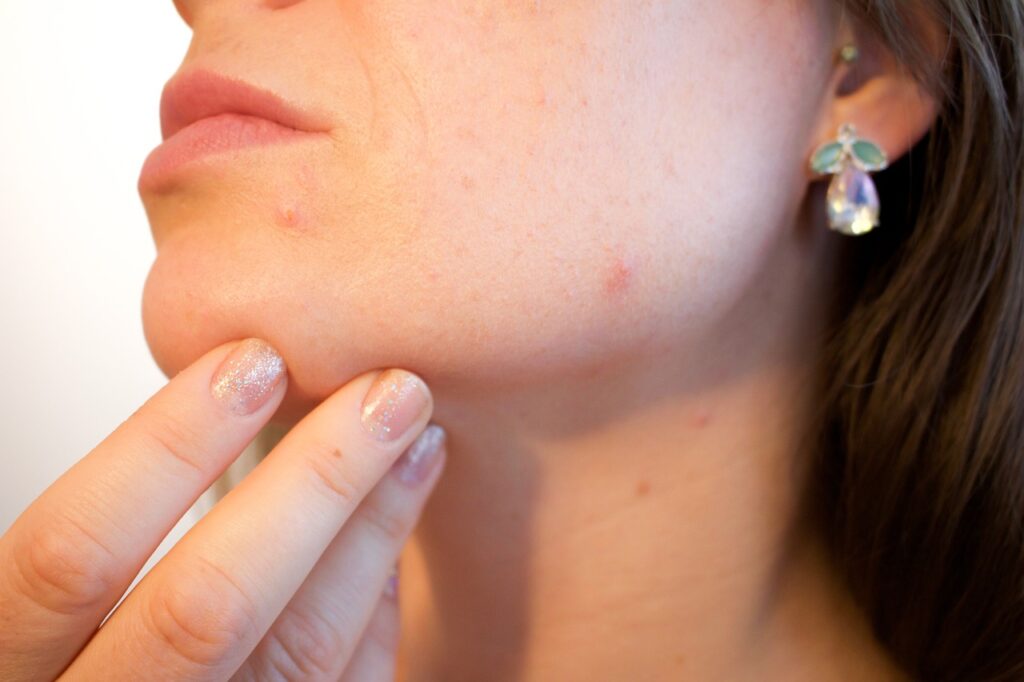
Minimally Invasive Procedures for Acne Scars
Laser Resurfacing
Laser resurfacing is a popular treatment option for acne scars that uses concentrated beams of light to remove the damaged outer layers of skin. This process stimulates collagen production and encourages the growth of new, healthier skin cells. Laser resurfacing can be tailored to each individual’s specific scar type and severity, making it a versatile and effective treatment option.
Radiofrequency Microneedling
Radiofrequency microneedling combines the benefits of microneedling with the application of radiofrequency energy. The tiny needles create micro-injuries to the skin while delivering heat energy, promoting collagen production and remodeling. This minimally invasive procedure can significantly improve acne scars, particularly those with a deeper or more severe appearance.
Dermal Fillers
Dermal fillers, such as hyaluronic acid or collagen-based fillers, can help fill in depressed acne scars and restore volume to the skin. These fillers are injected directly into the scar, providing immediate results. While the effects of dermal fillers are temporary, they can be a valuable option for individuals seeking quick improvement in the appearance of their acne scars.
Subcision
Subcision is a minor surgical procedure that involves inserting a special needle into the skin to break up the fibrous bands causing rolling or depressed scars. By releasing these bands, subcision allows the skin to lift and fill gradually, reducing the appearance of the scars. Subcision is often performed alongside other treatments to achieve optimal results.
Punch Techniques
Punch techniques are surgical procedures that involve removing acne scars using a small punch tool. There are various types of punch techniques, including punch excision, punch elevation, and punch grafting. These techniques are typically used to treat ice pick scars and can help improve their appearance by removing the scarred tissue and allowing new skin to grow in its place.
Surgical Procedures for Acne Scars
Skin Grafting
Skin grafting is a surgical procedure that involves removing healthy skin from one part of the body and transferring it to the area with acne scars. This technique is commonly used for treating larger scars or areas of the skin that have lost a significant amount of tissue. Skin grafting can provide a more permanent solution to severe acne scars but may require a longer recovery period.
Punch Excision
Punch excision is a surgical procedure where the individual acne scars are excised using a small circular cutting tool. The excised scar is then either sutured closed or left to heal naturally, depending on the size and depth of the scar. Punch excision is commonly used for ice pick scars and can be an effective way to remove the scar completely.
Dermabrasion
Dermabrasion, as mentioned earlier, can also be considered a surgical procedure when performed at a more aggressive level. This technique involves removing the superficial layers of skin using a high-speed rotating brush or diamond-encrusted wheel. Dermabrasion is typically performed under local anesthesia and requires a longer recovery period compared to non-invasive treatments.
Excision and Closure
Excision and closure is a surgical technique where the entire scar is surgically removed, and the wound edges are carefully sutured together. This procedure is often utilized for larger or more irregularly shaped scars that cannot be effectively treated with other methods. Excision and closure can provide significant improvement in the appearance of acne scars, albeit with a longer recovery time.
Autologous Fat Transfer
Autologous fat transfer involves harvesting fat cells from one part of the body and injecting them into areas with acne scars to improve their appearance. This procedure can effectively fill in depressed scars and restore volume and contour to the skin. The results of autologous fat transfer can be long-lasting, although multiple sessions may be required to achieve the desired outcome.
Post-Treatment Care for Acne Scars
Protective Measures
After undergoing any treatment for acne scars, it is crucial to take protective measures to ensure proper healing and prevent further damage. Protecting the treated area from excessive sun exposure, wearing sunscreen, and avoiding picking or scratching at the scars are essential steps to maintain the results of the treatment.
Avoiding Sun Exposure
Exposure to the sun’s harmful UV rays can worsen the appearance of acne scars and inhibit the healing process. It is essential to minimize sun exposure, especially during peak hours, and wear sun-protective clothing and sunscreen with a high SPF. This will help protect your skin and prevent hyperpigmentation, which can make acne scars more noticeable.
Regular Moisturizing
Moisturizing the treated area can promote skin hydration and enhance the healing process. Choose a moisturizer that is suitable for your skin type and contains ingredients that nourish and soothe the skin. Regularly applying moisturizer can help improve the overall texture and health of the skin, reducing the visibility of acne scars.
Healthy Lifestyle
Adopting a healthy lifestyle can significantly contribute to the healing and prevention of acne scars. Eating a balanced diet, staying hydrated, getting enough sleep, and managing stress levels can all improve your skin’s health and resilience. These lifestyle factors support the body’s natural healing processes, aiding in the reduction of acne scars.
Follow-Up Appointments
Attending scheduled follow-up appointments with your dermatologist is crucial for monitoring your progress and making any necessary adjustments to your treatment plan. Regular check-ups allow your dermatologist to evaluate the success of the treatment and address any concerns or questions you may have.
Home Remedies for Reducing Acne Scars
Aloe Vera
Aloe vera is known for its soothing and healing properties, making it a popular home remedy for acne scars. Applying aloe vera gel directly to the scars can have a calming effect on the skin and promote faster healing. Its moisturizing properties can also help reduce the appearance of scars over time.
Lemon Juice
Lemon juice contains natural alpha hydroxy acids (AHAs) that can exfoliate the skin and fade acne scars. However, it is important to use lemon juice sparingly and dilute it with water, as its acidity can cause skin irritation. Applying lemon juice to the scars for a short period and rinsing it off thoroughly can help lighten their appearance.
Honey
Honey has antibacterial and anti-inflammatory properties that can help improve the healing process of acne scars. Applying a thin layer of honey to the scars and leaving it on for around 20 minutes before rinsing off can promote skin regeneration and reduce redness and swelling.
Coconut Oil
Coconut oil is well-known for its moisturizing and nourishing properties. Applying coconut oil to acne scars can help soften and hydrate the skin, reducing the visibility of the scars. It is important to choose unrefined, organic coconut oil and apply it in moderation to avoid clogging the pores.
Vitamin E Oil
Vitamin E oil is often recommended for its potential benefits in reducing the appearance of scars. Applying vitamin E oil to acne scars can help improve the overall texture and color of the scars. However, it is essential to perform a patch test first, as some individuals may be allergic to vitamin E oil.
Cucumber
Cucumber contains anti-inflammatory properties and can help soothe and cool the skin. Placing cucumber slices or applying cucumber juice to acne scars can provide relief and promote skin healing. Cucumber can also help improve overall skin tone and reduce redness, making acne scars less noticeable.
Preventing Acne Scars
Early and Effective Treatment of Acne
The best defense against acne scars is early and effective treatment of acne itself. Seeking professional guidance from a dermatologist and following their recommended treatment plan can help prevent acne from worsening and minimize the chances of developing scars. Proper skincare, regular cleansing, and avoiding harsh products can also contribute to controlling acne breakouts.
Avoiding Picking or Squeezing
Resist the urge to pick or squeeze your acne lesions, as it can lead to increased inflammation and damage to the skin. Picking at acne can also introduce bacteria from your hands into the open acne lesion, increasing the likelihood of infection and scarring. Instead, opt for gentle cleansing and the use of spot treatments recommended by your dermatologist.
Gentle Skin Care Routine
Adopting a gentle skincare routine is key to preventing acne scars. Avoid using harsh scrubs, cleansers, or abrasive products that can irritate the skin and worsen acne lesions. Choose products that are non-comedogenic and suitable for your skin type to minimize clogged pores and prevent further breakouts.
Avoiding Harsh Products
Harsh skincare products, such as those containing alcohol or fragrances, can irritate and dry out the skin. This can disrupt the skin’s natural barrier and make it more vulnerable to inflammation and scarring. Opt for gentle, non-irritating products that are specifically formulated for sensitive or acne-prone skin.
Limiting Sun Exposure
Protection from the sun is essential in preventing acne scars, as sun exposure can worsen existing acne scars and cause hyperpigmentation. Sunscreen application, wearing sun-protective clothing, and seeking shade during peak hours can all help protect your skin from harmful UV rays and minimize the risk of developing acne scars.
Maintaining a Healthy Diet
While diet alone may not directly prevent acne scars, maintaining a healthy diet can support overall skin health and reduce the risk of developing severe acne. Consuming a balanced diet rich in fruits, vegetables, whole grains, and lean proteins can provide the necessary nutrients for maintaining clear and healthy skin. Drinking plenty of water to stay hydrated is also important for optimal skin function and healing.
Professional Advice for Acne Scars
Consulting a Dermatologist
If you are struggling with acne scars, it is essential to seek professional advice from a qualified dermatologist. Dermatologists specialize in diagnosing and treating various skin conditions, including acne scars. They can assess the severity and type of your scars and recommend the most suitable treatment options based on your individual needs and goals.
Customized Treatment Plan
Each person’s acne scars are unique, requiring an individualized treatment plan. A dermatologist will take into account factors such as scar type, severity, skin type, and individual preferences when creating a customized treatment plan. This tailored approach maximizes the chances of achieving desired results and minimizes the risk of complications.
Considerations for Different Skin Types
Different skin types require different approaches when it comes to treating acne scars. Individuals with darker skin tones may be more prone to developing certain types of scars, such as post-inflammatory hyperpigmentation. Dermatologists take into account these considerations and adjust the treatment plan accordingly to ensure optimal results for every skin type.
Understanding Treatment Risks
Before undergoing any treatment for acne scars, it is important to understand the potential risks and side effects. Each treatment option comes with its own set of risks, such as skin irritation, redness, or temporary pigmentation changes. A dermatologist will explain these risks thoroughly and address any concerns you may have before proceeding with treatment.
Managing Expectations
Managing expectations is crucial when it comes to treating acne scars. While many treatments can significantly improve the appearance of scars, it is important to understand that complete scar removal may not be possible in all cases. A dermatologist will provide realistic expectations and help set achievable goals based on the specific type and severity of your scars.
Patient Testimonials and Reviews
Reading patient testimonials and reviews can provide valuable insights into the experiences of others who have undergone treatment for acne scars. While everyone’s journey is unique, hearing about the success stories and positive outcomes can instill confidence and help you make informed decisions about your own treatment plan.
In conclusion, acne scars can be emotionally distressing, but with advancements in dermatology, there are various treatment options available to improve their appearance. Understanding the causes and types of acne scars is essential for selecting the most appropriate treatment approach. Whether opting for non-invasive, minimally invasive, or surgical procedures, consulting with a dermatologist is crucial for personalized advice and achieving optimal results. Additionally, practicing good skincare habits, protecting against sun damage, and following a healthy lifestyle can help prevent the formation of acne scars in the first place. Remember, every individual and their acne scars are unique, so it’s important to take the time to find the right treatment plan that suits your specific needs and goals.