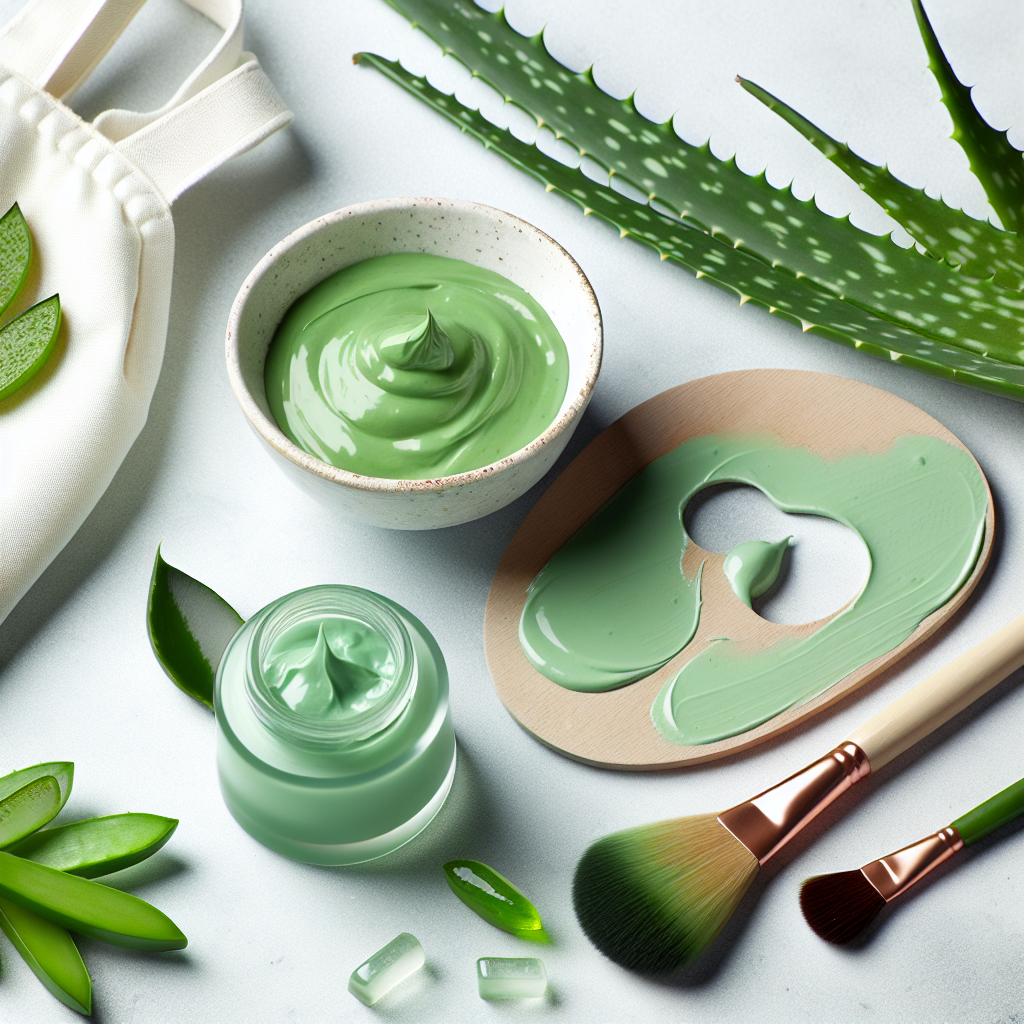
If you’ve ever fought the battle against unsightly acne, then you know how frustrating it can be to deal with the lingering redness it leaves behind. But fret not, as we bring you expert-backed solutions to help you bid adieu to acne redness once and for all. Say hello to a clearer, blemish-free complexion as we delve into the tried-and-true remedies that will have you saying goodbye to acne redness in no time.
Understanding Acne Redness
Acne redness is a common concern for many individuals dealing with acne. It occurs as a result of inflammation and irritation caused by the acne breakout. The redness is often caused by increased blood flow to the affected area, leading to a visibly flushed appearance. Understanding the root causes of acne redness is crucial in addressing and managing this issue effectively.
What causes acne redness?
There are several factors that contribute to the development of acne redness. One of the primary causes is the presence of bacteria on the skin, specifically the Propionibacterium acnes (P. acnes) bacteria. These bacteria thrive in the clogged pores of acne-prone skin and trigger an immune response, leading to inflammation and redness.
Additionally, the overproduction of sebum, which is the skin’s natural oil, can contribute to acne redness. Excess sebum production can clog the pores, providing an ideal environment for bacteria to thrive and cause inflammation.
Hormonal imbalances, particularly during puberty, can also play a significant role in the development of acne and subsequent redness. Hormonal fluctuations can increase oil production and lead to acne breakouts, resulting in red and inflamed skin.
Differentiating between acne redness and other types of redness
It is essential to distinguish acne redness from other types of redness to determine the appropriate treatment. Acne redness typically appears in areas where acne breakouts are present, such as the face, neck, chest, and back. The redness is concentrated around the active acne lesions and is often accompanied by raised bumps or pustules.
On the other hand, other types of redness, such as rosacea or allergic reactions, may have different characteristics. Rosacea tends to cause more generalized redness and can be accompanied by visible blood vessels, bumps, and flushing. Allergic reactions can also lead to redness, but they are often associated with itching, swelling, and a sudden onset of symptoms.
If you are unsure about the cause of your redness, it is best to consult a dermatologist for a proper diagnosis and guidance on the most appropriate treatment options.
Preventative Measures
While treating existing acne redness is crucial, taking preventative measures can help minimize its occurrence. By adopting a consistent skincare routine and making certain lifestyle adjustments, you can significantly reduce the likelihood of developing acne redness.
Maintaining a consistent skincare routine
Establishing a consistent skincare routine tailored to your skin type is essential for preventing acne redness. This routine should include gentle cleansing, toning, and moisturizing. Cleansing the skin twice a day with a mild cleanser helps remove dirt, oil, and impurities, preventing clogged pores and reducing the chance of inflammation and redness.
Using a toner after cleansing can help balance the skin’s pH levels and remove any residual impurities. Look for toners that contain ingredients like witch hazel or tea tree oil, known for their soothing and anti-inflammatory properties.
Moisturizing is another crucial step in any skincare routine, as it helps maintain the skin’s barrier function and prevents excessive dryness, which can exacerbate redness. Opt for oil-free, non-comedogenic moisturizers to ensure they don’t clog your pores or contribute to acne breakouts.
Using non-comedogenic skincare products
When choosing skincare products, it is vital to opt for non-comedogenic formulations. Non-comedogenic products are specifically designed not to clog pores, reducing the likelihood of acne breakouts and associated redness. Look for labels that indicate the product is non-comedogenic or oil-free.
Additionally, consider using products that contain calming and anti-inflammatory ingredients, such as aloe vera, chamomile, or green tea extract. These ingredients can help soothe the skin and reduce redness.
Avoiding excessive sun exposure
While some people believe that sun exposure can improve acne and redness, this is actually a misconception. Prolonged exposure to the sun can lead to increased inflammation and redness in acne-prone skin. The sun’s UV rays can also damage the skin and result in hyperpigmentation or post-inflammatory erythema (PIE).
To protect your skin, always apply a broad-spectrum sunscreen with an SPF of 30 or higher. Look for sunscreens specifically formulated for acne-prone skin, as they are less likely to clog pores.
Managing stress levels
Stress can have a significant impact on your skin’s health, including the development of acne and associated redness. When you’re stressed, your body produces more stress hormones, which can trigger an increase in sebum production and inflammation.
Finding healthy and effective ways to manage stress can help reduce the occurrence of acne breakouts and subsequent redness. Consider incorporating stress-relieving activities into your daily routine, such as exercise, meditation, or engaging in hobbies you enjoy. Additionally, ensuring you get enough quality sleep can also contribute to stress reduction and overall skin health.
Topical Treatments for Acne Redness
Topical treatments can be effective in reducing acne redness and promoting healing. Whether you prefer over-the-counter options or prescription strength treatments, there are various options available to suit your needs.
Over-the-counter options
Over-the-counter (OTC) topical treatments can help minimize acne redness and inflammation. One common ingredient found in many OTC acne treatments is benzoyl peroxide. Benzoyl peroxide works by killing bacteria on the skin’s surface and reducing excess oil production.
Salicylic acid is another ingredient commonly found in OTC acne treatments. It helps exfoliate the skin, unclog pores, and reduce inflammation, all of which can contribute to reducing redness.
When using OTC treatments, it is essential to start with lower strengths and gradually increase as tolerated. Additionally, it is advisable to use them as directed and be consistent with application for best results.
Prescription strength treatments
If OTC treatments do not effectively address your acne redness, your dermatologist may recommend prescription strength treatments. These treatments contain higher concentrations of active ingredients that can effectively target inflammation and redness.
One commonly prescribed medication is topical retinoids. Retinoids work by increasing cell turnover, unclogging pores, and reducing inflammation. However, retinoids can be irritating to the skin, so it is essential to follow your dermatologist’s instructions and monitor your skin’s response.
Topical antibiotics may also be prescribed for acne redness. These antibiotics help reduce the population of P. acnes bacteria and minimize inflammation. They are typically used in combination with other treatment options to prevent antibiotic resistance.
Recommended ingredients for reducing redness
When choosing topical treatments for acne redness, it is beneficial to look for specific ingredients known for their anti-inflammatory and calming properties. Ingredients such as niacinamide, green tea extract, and chamomile can help soothe the skin and reduce redness.
Niacinamide, also known as vitamin B3, is a popular ingredient in skincare products due to its multiple benefits. It has anti-inflammatory properties and can help improve the skin’s barrier function, reducing redness and preventing moisture loss.
Green tea extract contains antioxidants that can help reduce inflammation and soothe irritated skin. It also has antimicrobial properties, making it beneficial for acne-prone skin.
Chamomile is known for its calming properties and can help alleviate redness and irritation. It has anti-inflammatory effects and can soothe sensitive skin.
When incorporating new products into your skincare routine, it is advisable to patch test them first to ensure compatibility with your skin and minimize the risk of adverse reactions.
Home Remedies for Acne Redness
If you prefer natural remedies, there are several home remedies that can help reduce acne redness and promote healing.
Aloe vera gel
Aloe vera gel has been used for centuries to soothe and heal various skin conditions, including acne redness. It has anti-inflammatory properties and can help reduce redness and inflammation. Apply a thin layer of pure aloe vera gel to the affected areas and leave it on for 15-20 minutes before rinsing off. Repeat this process twice a day for best results.
Green tea compress
Green tea is rich in antioxidants and has anti-inflammatory effects. Applying a warm green tea compress to the affected areas can help reduce redness and promote healing. Steep a green tea bag in hot water for a few minutes, then let it cool down slightly. Place the warm tea bag on the red and inflamed skin for 10-15 minutes. Repeat this process once or twice a day.
Ice therapy
Ice therapy can help reduce inflammation and soothe acne redness. Wrap an ice cube in a clean cloth and apply it to the affected areas for a few minutes. The cold temperature will help constrict blood vessels and reduce redness. Do not apply ice directly to the skin to avoid ice burns.
Honey and cinnamon mask
Honey and cinnamon have antimicrobial and anti-inflammatory properties, making them an excellent combination for reducing acne redness. Mix one tablespoon of raw honey with half a teaspoon of cinnamon powder to form a paste. Apply the mixture to the red and inflamed areas and leave it on for 10-15 minutes before rinsing off. Use this mask once or twice a week.
While home remedies can be effective for some individuals, it’s important to note that results may vary. If you experience any adverse reactions or your symptoms worsen, discontinue use and consult a healthcare professional.
Natural Antioxidants for Soothing Redness
Natural antioxidants can play a significant role in reducing acne redness and promoting overall skin health. Incorporating these ingredients into your skincare routine can provide soothing and calming effects.
Rosehip oil
Rosehip oil is rich in essential fatty acids and antioxidants, making it an excellent choice for soothing acne redness. It has anti-inflammatory properties and can help reduce hyperpigmentation and promote skin healing. Apply a few drops of rosehip oil to the affected areas and gently massage it into the skin.
Chamomile extract
Chamomile extract has anti-inflammatory and calming effects, making it an ideal ingredient for soothing redness. Look for skincare products that contain chamomile extract or brew a chamomile tea and use it as a face mist or compress.
Calendula cream
Calendula cream is derived from the marigold flower and has long been used for its healing properties. It has anti-inflammatory effects and can help reduce redness and irritation. Apply a thin layer of calendula cream to the affected areas and massage it into the skin.
Tea tree oil
Tea tree oil is known for its antibacterial and anti-inflammatory properties. It can help reduce redness and inflammation associated with acne breakouts. Dilute tea tree oil with a carrier oil, such as jojoba or coconut oil, and apply it to the affected areas with a cotton swab. Be cautious when using tea tree oil, as it can be irritating to some individuals, and it should not be ingested.
When using natural antioxidants, it is crucial to choose high-quality products and patch test them first to ensure compatibility with your skin.
Dietary Changes to Reduce Acne Redness
Making dietary changes can have a significant impact on your skin’s health and help reduce acne redness. By incorporating certain foods and avoiding potential triggers, you can support your skin’s healing process and minimize inflammation.
Increasing intake of anti-inflammatory foods
Foods rich in antioxidants and omega-3 fatty acids have been shown to have anti-inflammatory effects, which can help reduce acne redness. Include foods such as berries, leafy greens, fatty fish (like salmon or sardines), turmeric, and green tea in your diet. These foods can help promote overall skin health and support the healing process.
Avoiding triggers like dairy and processed sugars
Certain foods can trigger or worsen acne breakouts and subsequent redness. Dairy products and foods with a high glycemic index, such as processed sugars and refined carbohydrates, have been associated with increased acne severity. Consider limiting your intake of these foods and monitoring your skin’s response.
Hydrating properly for skin health
Proper hydration is crucial for maintaining healthy skin and reducing inflammation. Drink an adequate amount of water daily to ensure proper hydration. Additionally, consider incorporating foods with high water content, such as watermelon, cucumbers, and tomatoes, into your diet to support skin health.
While diet can play a role in managing acne redness, it is important to remember that everyone’s skin is unique. What works for one person may not work for another. If you have concerns about your diet and its impact on your skin, consult with a healthcare professional or registered dietitian for personalized advice.
Professional Treatments for Acne Redness
In some cases, professional treatments may be necessary to effectively manage acne redness. Dermatologists can provide various treatments that target the underlying causes of redness and inflammation.
Chemical peels
Chemical peels involve applying a solution to the skin that exfoliates and removes the top layers. This process stimulates cell turnover, unclogs pores, and reduces redness. Chemical peels can be customized to address specific concerns, such as acne redness. It is important to follow your dermatologist’s instructions and recommendations for recovery and aftercare.
Microdermabrasion
Microdermabrasion is a non-invasive procedure that exfoliates the skin and removes dead skin cells. It can help improve the appearance of acne redness and promote a smoother complexion. This treatment is typically performed in a dermatologist’s office and may require multiple sessions for optimal results.
Laser therapy
Laser therapy utilizes focused light energy to target and destroy specific components in the skin. Laser treatments can help reduce redness, inflammation, and the appearance of acne scars. Multiple sessions may be needed, and it is essential to protect the treated areas from excessive sun exposure during the healing process.
Photodynamic therapy
Photodynamic therapy (PDT) involves applying a photosensitizing agent to the skin, followed by exposure to a specific wavelength of light. PDT can help minimize inflammation, kill P. acnes bacteria, and reduce redness. Your dermatologist will guide you through the procedure and provide recommendations for recovery and aftercare.
Professional treatments should always be performed by qualified healthcare professionals. Consult with a dermatologist to determine the most suitable treatment options for your specific needs.
Lifestyle Adjustments for Managing Acne Redness
In addition to skincare and professional treatments, making lifestyle adjustments can contribute to managing acne redness effectively.
Adopting a gentle cleansing routine
Avoid aggressive scrubbing or over-cleansing, as this can irritate the skin and exacerbate redness. Opt for gentle cleansers and use lukewarm water. Pat the skin dry with a soft towel instead of rubbing it, which can cause irritation.
Avoiding harsh exfoliants and physical scrubbing
While exfoliating can be beneficial for removing dead skin cells, using harsh exfoliants or physically scrubbing the skin can worsen acne redness. Look for gentle exfoliating products that contain chemical exfoliants like salicylic acid or fruit enzymes.
Using SPF daily for sun protection
Protecting your skin from the sun is crucial, even if you have acne. Sun exposure can lead to increased inflammation and redness, so it is essential to use broad-spectrum sunscreen with an SPF of 30 or higher. Apply sunscreen generously and reapply every two hours, especially if you are spending time outdoors.
Wearing breathable, non-irritating fabrics
Certain fabrics, such as synthetic materials, can trap heat and moisture against the skin, potentially worsening acne redness. Opt for breathable fabrics like cotton or linen, which allow the skin to breathe and minimize irritation. Additionally, avoid tight-fitting clothes that can rub against the skin and exacerbate redness.
Camouflaging Techniques for Acne Redness
While it’s important to address the underlying causes of acne redness, there may be times when you want to conceal it temporarily. Camouflaging techniques can help reduce the visibility of redness and boost your confidence.
Choosing the right color correcting products
Color correcting products can be effective in neutralizing redness. For acne redness, look for color correctors with a green tint. The green hue counteracts the redness, creating a more even-toned complexion. Apply a small amount of color corrector to the red areas and blend it gently with clean fingers or a makeup brush before applying foundation or concealer.
Application tips for concealing redness
When applying foundation or concealer to cover acne redness, it is essential to use a light hand and build coverage gradually. Opt for products that offer full coverage and are formulated for acne-prone or sensitive skin. Using a clean makeup brush or sponge, gently dab the product onto the red areas and blend it into the surrounding skin. Avoid rubbing or dragging the brush or sponge, as this can disrupt the healing process and irritate the skin.
Avoiding makeup ingredients that exacerbate redness
Certain makeup ingredients can aggravate acne redness and irritate the skin further. It is advisable to avoid products that contain fragrances, alcohol, or potential irritants. Look for non-comedogenic and oil-free makeup products that are specifically formulated for acne-prone or sensitive skin.
Remember that makeup can be a temporary solution for concealing redness, but it is important to prioritize skincare and address the underlying causes to achieve long-term improvement.
When to Seek Professional Help
While many cases of acne redness can be effectively managed with home remedies and over-the-counter treatments, there are instances where professional help may be necessary.
Persistent or severe redness
If your acne redness persists despite your efforts to manage it, or if it becomes increasingly severe, it is advisable to consult with a dermatologist. They can assess your specific situation, identify any underlying causes, and recommend appropriate treatment options.
Redness accompanied by pain or swelling
If your acne redness is accompanied by pain, swelling, or other concerning symptoms, it is crucial to seek professional help. These symptoms may be indicative of an underlying infection or more severe skin condition that requires medical intervention.
Acne redness affecting self-esteem or mental health
If your acne redness is negatively impacting your self-esteem, confidence, or mental health, it is important to reach out for support. Consult with a dermatologist or mental health professional who can provide guidance, resources, and personalized care to address your concerns effectively.
Unsuccessful attempts at at-home treatments
If your acne redness does not improve or continues to worsen despite your attempts at at-home treatments, it may be time to seek professional help. Dermatologists have the knowledge and expertise to tailor treatment plans to your specific needs and can guide you through the most effective options for managing your acne redness.
In conclusion, acne redness can be a distressing condition, but with the right understanding and comprehensive approach, it can be effectively managed. By adopting preventative measures, utilizing topical treatments, incorporating natural remedies and antioxidants, making dietary changes, and seeking professional help when needed, you can minimize acne redness and achieve clearer, calmer skin. Remember to be patient, consistent with your skincare routine, and consult with healthcare professionals for personalized guidance. Say goodbye to acne redness and embrace a more confident, vibrant you!