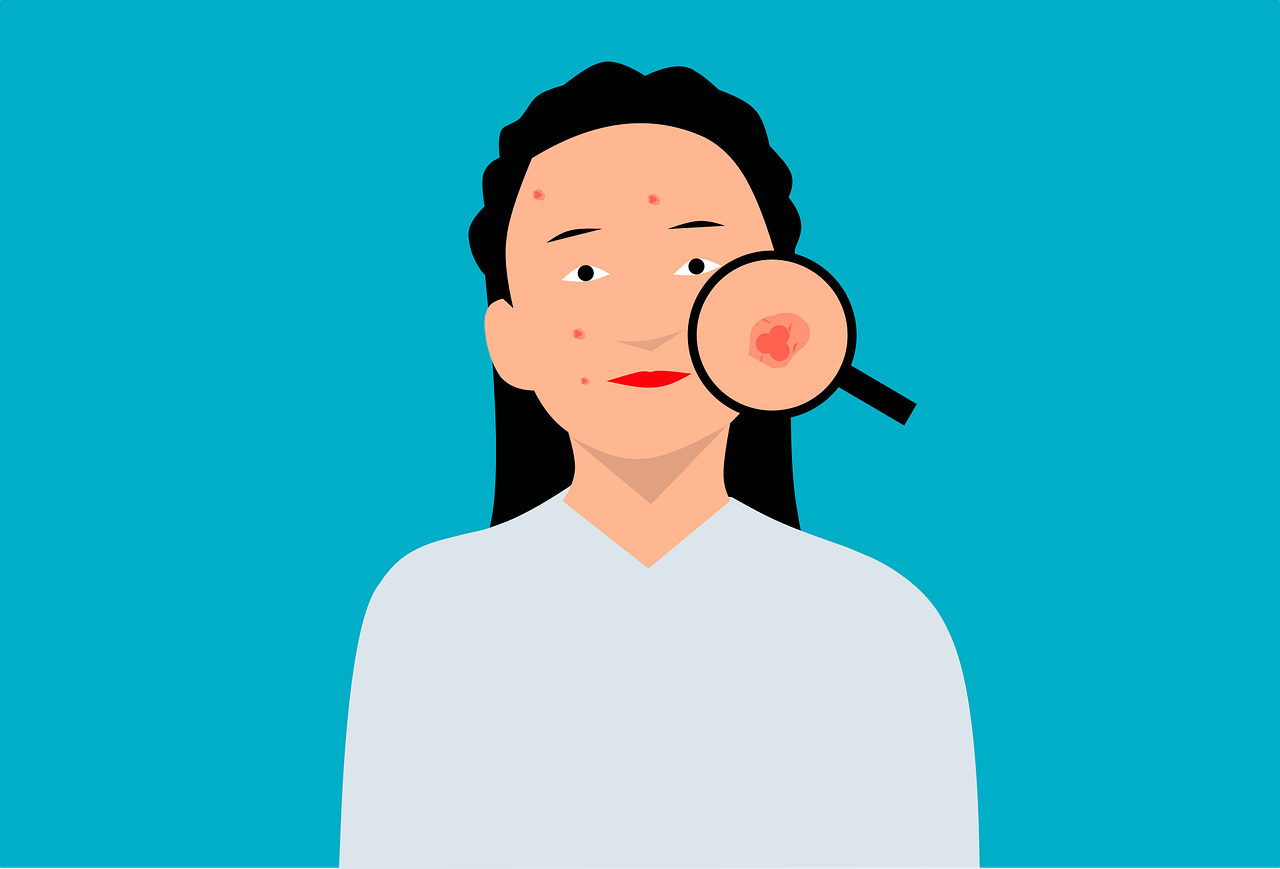
Are you tired of dealing with pesky acne that just won’t go away? Look no further! In this article, we will explore effective and natural ways to banish acne for good. Say goodbye to expensive creams and harsh chemicals – we’ve got you covered with holistic approaches that truly work. From diet and lifestyle changes to herbal remedies and DIY skincare routines, you’ll discover a variety of techniques that will help you achieve clear and radiant skin. Get ready to say hello to a blemish-free complexion with our simple and friendly guide on how to get rid of acne naturally.
Understanding Acne
What is Acne?
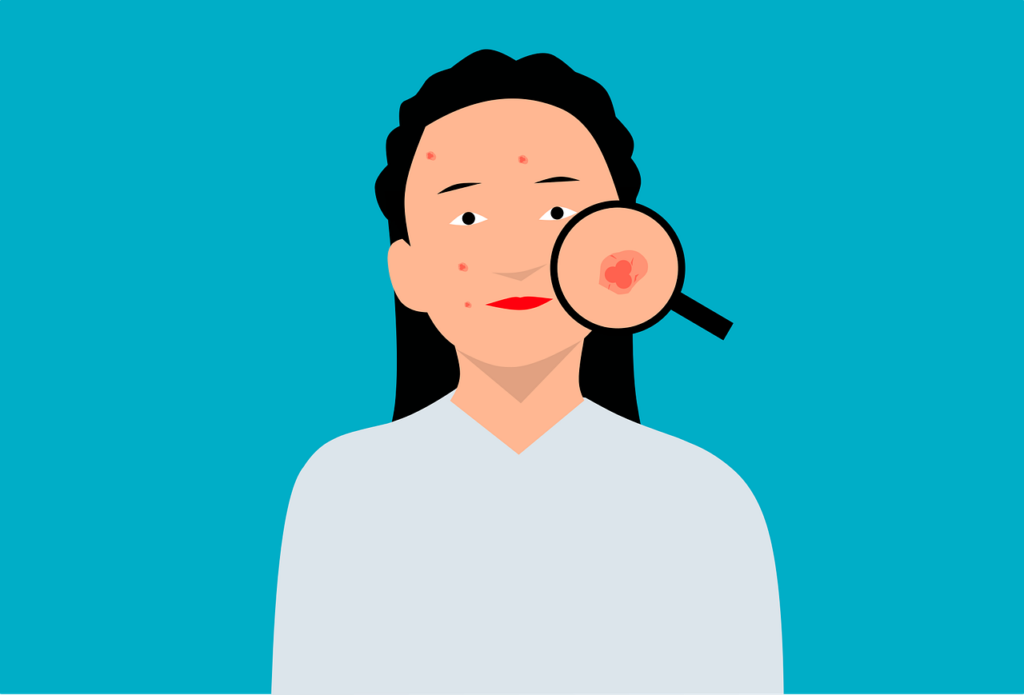
Acne is a common skin condition that affects many individuals, particularly adolescents and young adults. It is characterized by the appearance of pimples, blackheads, whiteheads, and sometimes even cysts and nodules on the face, chest, back, and shoulders. Acne occurs when the hair follicles in the skin become clogged with dead skin cells, oil, and bacteria. This leads to inflammation, redness, and the formation of various types of acne lesions.
Causes of Acne
The exact cause of acne is not fully understood, but it is believed to be a combination of factors. Hormonal changes, especially during puberty, play a significant role in the development of acne. Increased production of sebum, the skin’s natural oil, can lead to clogged pores. Bacteria called Propionibacterium acnes, which naturally reside on the skin, can also contribute to acne when they multiply excessively. Other factors that may contribute to acne include genetics, certain medications, and lifestyle choices.
Types of Acne
There are several types of acne lesions that can appear on the skin. These include:
-
Whiteheads: These are small, closed comedones that appear as flesh-colored bumps on the skin’s surface. They form when follicles become plugged with oil and dead skin cells.
-
Blackheads: These are open comedones that appear as black dots on the skin’s surface. The dark color is not due to dirt but rather to the oxidation of melanin when it comes into contact with air.
-
Papules: These are small, raised, red bumps on the skin. They are a result of inflammation and can be tender to touch.
-
Pustules: These are similar to papules but contain pus, giving them a yellow or white tip. They are generally larger and often referred to as “pimples”.
-
Nodules: These are larger, solid, and painful lumps that develop deep within the skin. They can be a severe form of acne and may leave behind scars.
-
Cysts: These are large, painful, pus-filled lumps that develop deep within the skin. They can cause significant scarring if not properly treated.
Understanding the different types of acne lesions is important for determining the most effective treatment approach.
Importance of Holistic Approaches
Addressing Underlying Causes
Taking a holistic approach to treating acne means considering not only the symptoms but also the underlying causes of the condition. While topical treatments and medications may provide temporary relief, addressing the root causes can lead to long-term results. Hormonal imbalances, poor diet, stress, and lifestyle factors can all contribute to acne. By addressing these underlying factors through holistic approaches, you can effectively manage and reduce the occurrence of acne.
Maintaining Overall Skin Health
A holistic approach to acne treatment also focuses on maintaining the overall health of the skin. This includes adopting a regular skincare routine, adhering to a healthy lifestyle, and using natural remedies and ingredients that promote skin health. By nourishing your skin from within and providing it with the care it needs, you can create an environment that is less prone to acne breakouts.
Lifestyle Changes
Dietary Modifications
Making dietary modifications can be an effective strategy for managing acne. Certain foods, such as those high in refined sugars, saturated fats, and dairy products, have been linked to an increased risk of acne. On the other hand, a diet rich in fruits, vegetables, whole grains, and lean proteins can provide essential nutrients that support healthy skin. Additionally, staying hydrated by drinking an adequate amount of water each day can help flush out toxins and keep your skin hydrated.
Stress Management
Stress has been associated with increased inflammation and hormonal imbalances, both of which can contribute to acne breakouts. Finding effective stress management techniques, such as practicing meditation, engaging in regular exercise, and getting enough sleep, can help reduce stress levels and promote healthier skin.
Exercise and Regular Physical Activity
Engaging in regular exercise and physical activity can have numerous benefits for overall health, including the health of your skin. Exercise helps increase blood circulation, reduce stress, and promote the elimination of toxins through sweating. This can contribute to clearer, healthier skin and reduce the likelihood of acne breakouts.
Skin Care Routine
Cleansing
Cleansing your skin is an essential step in any skincare routine, especially for acne-prone individuals. Use a gentle cleanser that is suitable for your skin type to effectively remove oil, dirt, and impurities without stripping the skin of its natural moisture. Avoid using harsh or abrasive cleansers, as they can exacerbate acne and irritate the skin.
Exfoliating
Exfoliation helps to remove dead skin cells that can contribute to clogged pores and acne. However, it is important to choose a gentle exfoliant to avoid causing excessive irritation. Chemical exfoliants containing ingredients like salicylic acid or glycolic acid can be effective in unclogging pores and promoting cell turnover.
Moisturizing
Contrary to popular belief, moisturizing is still essential for acne-prone skin. Look for oil-free, non-comedogenic moisturizers that provide hydration without clogging the pores. Properly moisturized skin can maintain its protective barrier and be less prone to inflammation and acne breakouts.
Using Natural Remedies
Several natural remedies have been found to be beneficial in managing acne. Tea tree oil, for example, has antimicrobial properties that can help fight acne-causing bacteria. Applying a diluted solution of tea tree oil to affected areas can reduce inflammation and promote healing. Honey is another natural ingredient with antibacterial and anti-inflammatory properties. Applying raw honey as a mask or spot treatment can help soothe acne-prone skin. Aloe vera, known for its soothing and healing properties, is also effective in reducing inflammation and promoting skin regeneration.
Avoiding Harmful Ingredients
When selecting skincare products, it is important to avoid ingredients that can irritate the skin or clog the pores. Common culprits include fragrances, mineral oil, and certain types of alcohols. Instead, opt for products labeled as non-comedogenic and free from potentially harmful ingredients. Taking a closer look at the ingredient list can make a significant difference in managing acne and maintaining the health of your skin.
Home Remedies for Acne
Tea Tree Oil
Tea tree oil has natural antimicrobial properties that can help inhibit the growth of acne-causing bacteria. It also has anti-inflammatory properties that can reduce redness and swelling associated with acne breakouts. Diluting tea tree oil with a carrier oil, such as jojoba oil, and applying it directly to the affected areas can provide relief and promote healing.
Honey
Honey is a natural ingredient with antibacterial and anti-inflammatory properties. Applying raw honey directly to the skin can help reduce acne-causing bacteria, soothe inflammation, and promote healing. Leave the honey on for 10-15 minutes before rinsing off gently with warm water.
Aloe Vera
Aloe vera is well-known for its soothing and healing properties. It can help reduce inflammation, redness, and swelling associated with acne breakouts. Apply pure aloe vera gel directly to the affected areas and leave it on for 10-15 minutes before rinsing off. Repeat this process regularly for best results.
Apple Cider Vinegar
Apple cider vinegar can be used as an effective home remedy for acne due to its antibacterial and exfoliating properties. Dilute apple cider vinegar with water, dip a cotton ball into the mixture, and apply it to the affected areas. Leave it on for a few minutes before rinsing off. It is important to note that apple cider vinegar should be used in moderation and should always be diluted to avoid skin irritation.
Nutritional Supplements
Vitamin A
Vitamin A plays a crucial role in maintaining healthy skin. It helps regulate oil production, promotes skin cell turnover, and supports the immune system. Taking vitamin A supplements or consuming foods rich in vitamin A, such as carrots, sweet potatoes, and leafy green vegetables, can help manage acne and promote skin health.
Zinc
Zinc is an essential mineral that has been found to have anti-inflammatory and antimicrobial properties. It helps regulate sebum production, reduce inflammation, and support wound healing. Taking zinc supplements or consuming foods rich in zinc, such as oysters, legumes, and pumpkin seeds, can aid in the management of acne.
Probiotics
Probiotics are beneficial bacteria that can help maintain a healthy balance in the gut microbiome. Research suggests that an imbalance in gut bacteria may contribute to acne development. Taking probiotic supplements or consuming probiotic-rich foods, such as yogurt and fermented vegetables, can promote gut health and potentially improve acne symptoms.
Herbal Remedies
Green Tea
Green tea is rich in antioxidants and has anti-inflammatory properties that can benefit acne-prone skin. Drinking green tea regularly or applying cooled brewed green tea directly to the skin can help reduce inflammation, fight bacteria, and soothe acne breakouts.
Chamomile
Chamomile has calming and anti-inflammatory properties that make it beneficial for acne-prone skin. Preparing chamomile tea and using it as a facial rinse or applying it to affected areas can help reduce inflammation and promote healing.
Burdock Root
Burdock root is a traditional herbal remedy that has been used for centuries to address various skin conditions, including acne. It has antibacterial and anti-inflammatory properties that can help reduce acne breakouts. Consuming burdock root supplements or drinking burdock root tea can be beneficial for managing acne.
Alternative Therapies
Acupuncture
Acupuncture is an ancient Chinese therapy that involves the insertion of fine needles into specific points on the body. It is believed to help balance the flow of energy and restore harmony in the body. Acupuncture has been found to be effective in treating various skin conditions, including acne. By targeting specific acupoints related to skin health, acupuncture can help alleviate acne symptoms and promote overall well-being.
Ayurveda
Ayurveda is an ancient Indian system of medicine that focuses on achieving balance and harmony in the body through diet, lifestyle, and herbal remedies. Ayurvedic treatments for acne typically involve dietary modifications, the use of specific herbs and oils, and lifestyle recommendations. Ayurveda takes into account an individual’s unique constitution, or dosha, and tailors treatments accordingly.
Homeopathy
Homeopathy is a holistic system of medicine that uses highly diluted substances to stimulate the body’s natural healing response. Homeopathic remedies for acne are selected based on an individual’s overall symptoms and constitutional makeup. By addressing the underlying imbalances in the body, homeopathy can effectively manage acne and promote skin health.
Essential Oils for Acne
Lavender Oil
Lavender oil has gentle antibacterial and anti-inflammatory properties that can help soothe and heal acne-prone skin. Dilute a few drops of lavender oil with a carrier oil, such as jojoba or coconut oil, and apply it to affected areas. This can help reduce inflammation, calm redness, and promote skin rejuvenation.
Tea Tree Oil
Tea tree oil is a potent natural remedy for acne due to its antimicrobial properties. It can effectively kill acne-causing bacteria and reduce inflammation. However, it is important to dilute tea tree oil before applying it to the skin to avoid skin irritation.
Frankincense Oil
Frankincense oil has astringent and anti-inflammatory properties that can help regulate sebum production and reduce inflammation associated with acne. Dilute a few drops of frankincense oil with a carrier oil, such as argan or jojoba oil, and apply it to the affected areas. This can help calm the skin, promote healing, and prevent future breakouts.
Daily Habits for Prevention
Keeping Skin Clean
Keeping your skin clean is essential for preventing acne breakouts. Wash your face twice a day using a gentle cleanser and lukewarm water. Avoid using hot water, as it can strip the skin of its natural oils and lead to dryness. Be gentle when cleansing, avoiding scrubbing or rubbing the skin too aggressively, as this can irritate the skin and worsen acne.
Avoiding Touching/Popping Pimples
It is tempting to touch or pop pimples, but it can worsen inflammation and lead to scarring. Avoid touching your face unnecessarily and refrain from popping pimples. Instead, allow them to heal naturally or seek professional help from a dermatologist for safe extraction.
Using Non-Comedogenic Products
When choosing skincare and cosmetic products, opt for non-comedogenic options. Non-comedogenic products are specifically formulated not to clog the pores and are less likely to contribute to acne breakouts. Look for products labeled as non-comedogenic or oil-free to minimize the risk of pore blockage.
By adopting a holistic approach to acne treatment, addressing the underlying causes, making lifestyle changes, following a proper skincare routine, and incorporating natural remedies and supplements, you can effectively manage and even prevent acne breakouts. Remember to be patient and consistent with your efforts, as it may take time for results to become apparent. Consult with a healthcare professional or dermatologist for personalized advice and guidance on managing acne holistically.