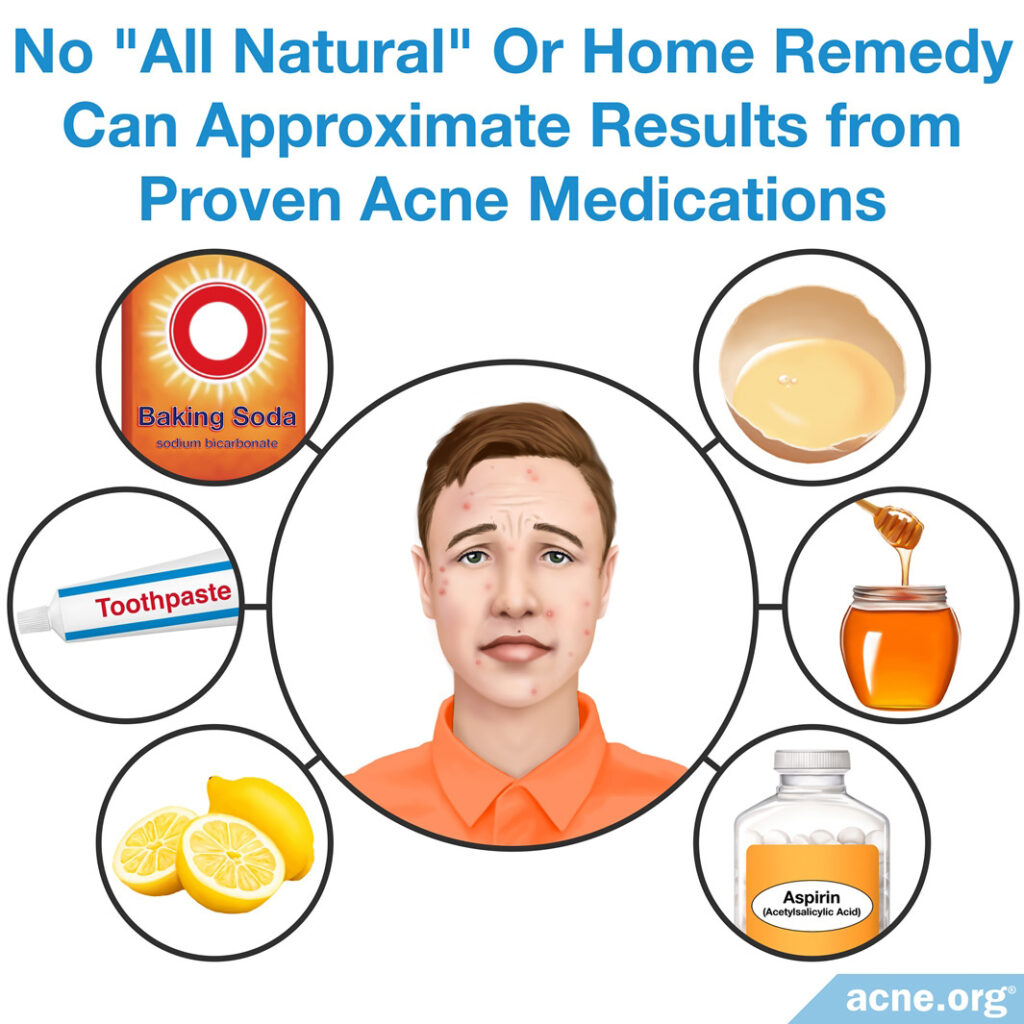
Looking for effective ways to combat acne without the use of harsh chemicals or expensive products? Look no further! This article explores a range of natural treatments for acne that can easily be done at home. From simple homemade face masks to dietary adjustments, these remedies have been proven to deliver results. Say goodbye to those pesky breakouts and hello to clear, glowing skin.
Understanding Acne
What is acne?
Acne is a common skin condition that affects people of all ages, but it is most commonly experienced during adolescence. It occurs when the hair follicles on the skin become clogged with oil, dead skin cells, and bacteria. This can result in the formation of pimples, blackheads, whiteheads, or even cysts. Acne can appear on various parts of the body, including the face, chest, back, and shoulders.
Causes of acne
There are several factors that can contribute to the development of acne. Hormones play a significant role, especially during puberty when the body undergoes hormonal changes. Increased oil production by the sebaceous glands, which are attached to the hair follicles, can lead to clogged pores. Bacteria on the skin, such as Propionibacterium acnes, can also contribute to the inflammation and formation of acne. Other factors include certain medications, dietary choices, and genetic predisposition.
Types of acne
Acne can manifest in different forms, each with its own characteristics and severity. Some common types of acne include:
- Whiteheads: These are small, flesh-colored bumps that appear on the skin’s surface. They occur when the hair follicles are clogged with oil and dead skin cells, but remain closed, causing a white or yellowish appearance.
- Blackheads: These are similar to whiteheads but have an open pore, allowing the clogged material to oxidize and turn black.
- Papules: These are small, red bumps that can be tender to touch. They are a result of inflammation in the hair follicles.
- Pustules: These are similar to papules but contain pus at the tips, giving them a white or yellow center.
- Nodules: These are larger, painful bumps deep beneath the skin. They are often accompanied by inflammation and can cause scarring if not treated properly.
- Cysts: These are the most severe form of acne and can be painful and filled with pus. They often leave deep scars and require medical intervention.
Impact of acne on self-esteem
Having acne can take a toll on one’s self-esteem and overall well-being. The visible nature of acne can lead to self-consciousness and social anxiety. Individuals with acne may feel embarrassed or become withdrawn, affecting their confidence and relationships. It is important to recognize the emotional impact of acne and seek support to maintain a positive mindset during the treatment process.
Benefits of Natural Treatments
Why choose natural treatments?
Natural treatments for acne have gained popularity due to their effectiveness, affordability, and minimal side effects. Unlike commercial products, natural remedies often utilize ingredients that are readily available and free from harsh chemicals. By choosing natural treatments, you can take a holistic approach to your skincare routine and support the overall health of your skin.
Avoidance of harsh chemicals
Many over-the-counter acne treatments contain harsh chemicals and synthetic ingredients that can further irritate the skin and disrupt its natural balance. Natural remedies, on the other hand, rely on gentle and nourishing ingredients that work with your skin, rather than against it. This reduces the risk of skin irritation, dryness, and inflammation commonly associated with conventional acne treatments.
Decreased risk of side effects
Conventional acne treatments, such as prescription medications, can sometimes cause unwanted side effects ranging from dryness and redness to more severe reactions. Natural treatments, with their milder ingredients, are less likely to cause adverse effects. However, it is important to note that individual reactions may vary, and it is always advisable to patch test any new product or ingredient before use.
Affordability and accessibility
Natural treatments for acne are often more affordable than commercial products, making them accessible to a wide range of individuals. Ingredients for homemade remedies can be easily found in most kitchens or local grocery stores, reducing the need for expensive and specialized skincare products. Additionally, natural treatments can be incorporated into your daily skincare routine without the need for prescription or medical supervision.
Essential Skincare Routine
Cleansing the skin
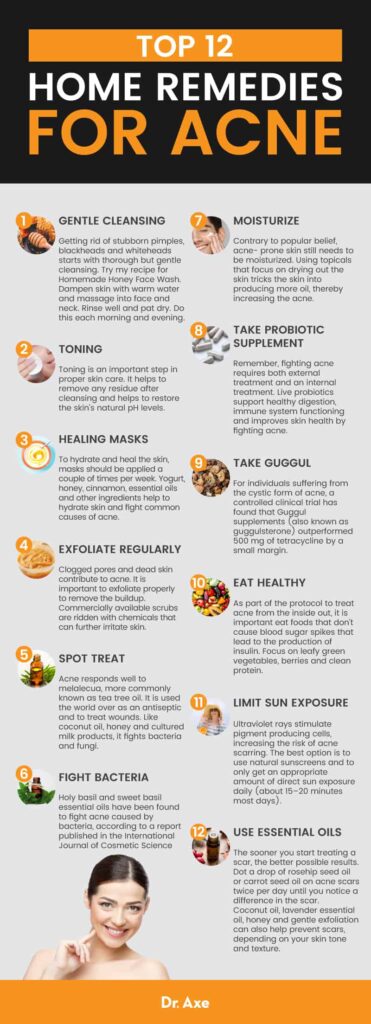
A crucial step in any skincare routine, cleansing helps remove dirt, oil, and impurities from the surface of the skin. For acne-prone skin, it is essential to choose a gentle cleanser that does not strip the skin of its natural oils. Look for cleansers with ingredients like tea tree oil, salicylic acid, or benzoyl peroxide, which have antibacterial properties and help control oil production.
Exfoliating regularly
Exfoliation is necessary to remove dead skin cells and unclog pores, preventing the formation of acne. However, it is important to exfoliate gently to avoid irritating the skin further. Look for exfoliants with natural ingredients, such as ground apricot kernels, sugar, or oatmeal, which provide a gentle scrubbing action without causing damage or inflammation.
Applying a toner
Toning is an often overlooked but important step in a skincare routine, especially for acne-prone skin. A toner helps balance the skin’s pH levels, removes any remaining traces of dirt or makeup, and tightens the pores. Natural toners, such as witch hazel or rose water, can be particularly beneficial as they soothe and calm irritated skin.
Moisturizing the skin
Contrary to popular belief, moisturizing is essential for all skin types, including acne-prone skin. Moisturizers help maintain the skin’s hydration levels and prevent excessive oil production, which can contribute to breakouts. Opt for lightweight, oil-free moisturizers with non-comedogenic ingredients, such as aloe vera or hyaluronic acid.
Using sunscreen daily
Protecting the skin from harmful UV rays is crucial, even for acne-prone skin. Sunscreen helps prevent sunburn, premature aging, and potential skin damage that can worsen acne. Look for oil-free and non-comedogenic sunscreens with a high SPF, and remember to reapply throughout the day, especially if you are spending extended periods of time outdoors.
Topical Natural Remedies
Tea tree oil
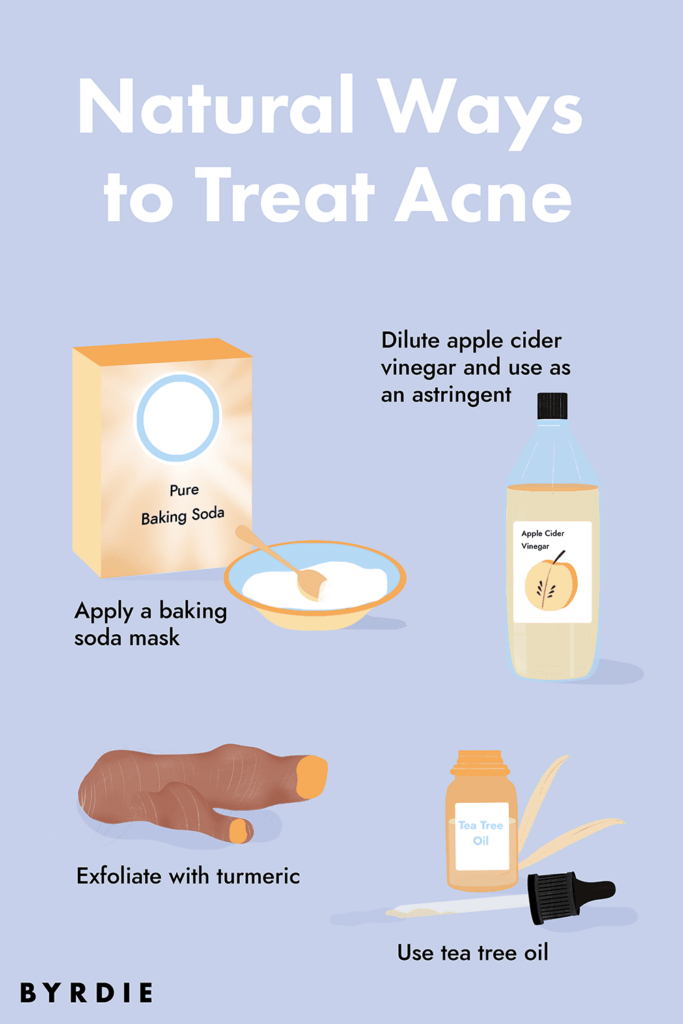
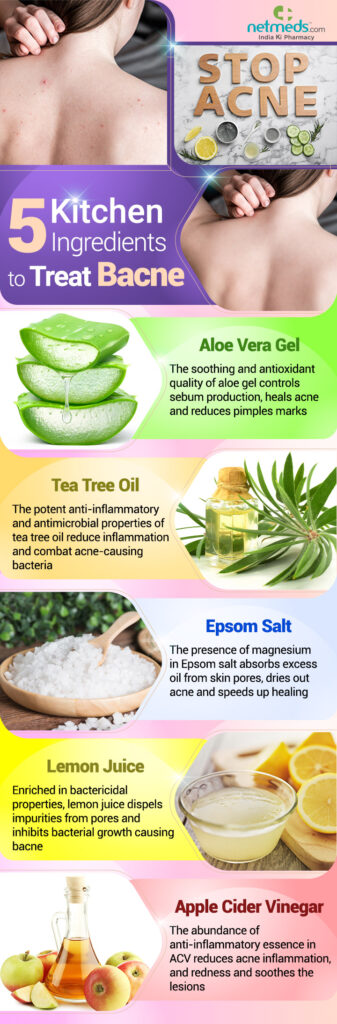
Tea tree oil is a popular natural remedy for acne due to its antibacterial properties. It can help reduce inflammation, kill acne-causing bacteria, and unclog pores. Dilute tea tree oil with a carrier oil, such as coconut oil or jojoba oil, before applying it to the affected areas with a cotton swab. Avoid using tea tree oil directly on the skin as it can cause irritation.
Aloe vera gel
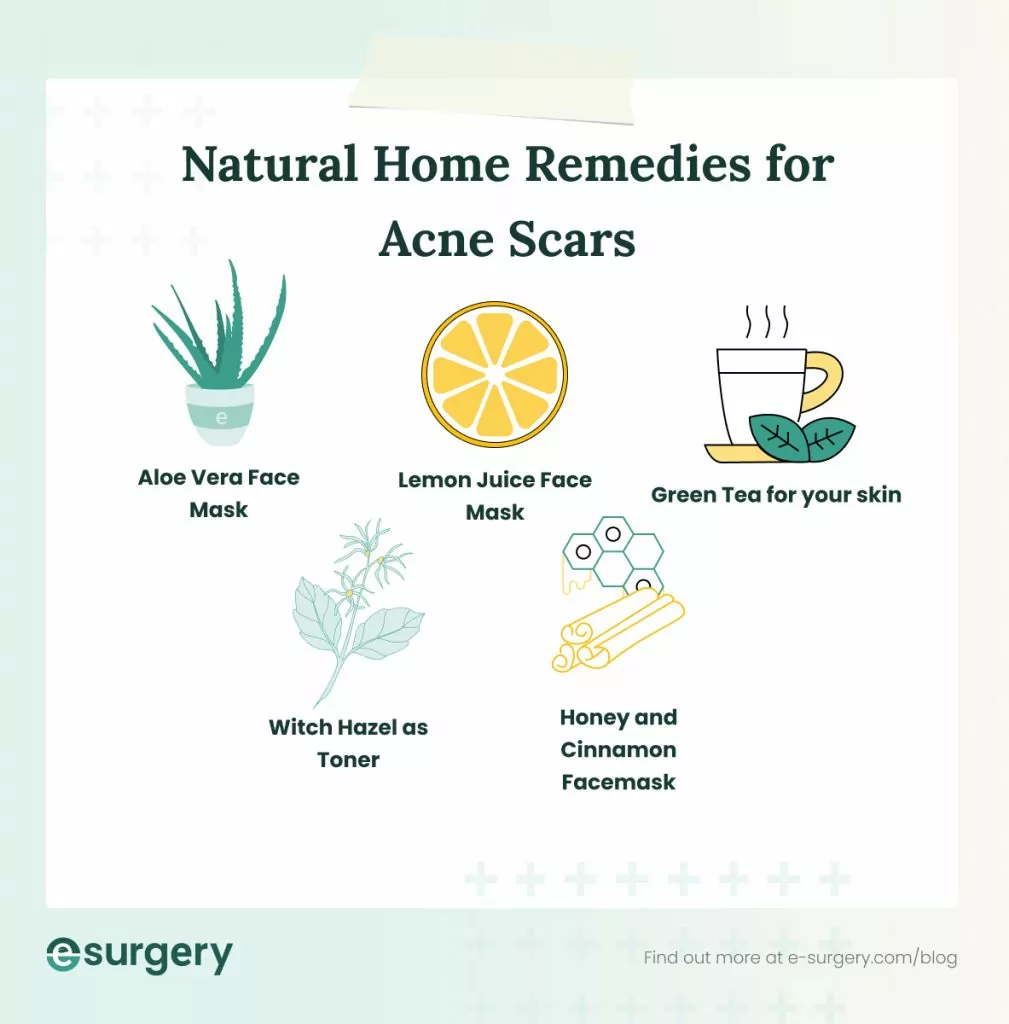
Aloe vera gel is known for its soothing and anti-inflammatory properties. It can help reduce redness, inflammation, and promote healing of acne lesions. Apply pure aloe vera gel directly to the affected areas and leave it on for 10-15 minutes before rinsing off. You can also find aloe vera gel in various commercial skincare products.
Honey
Honey has natural antibacterial properties and can help fight acne-causing bacteria. It also has moisturizing and soothing effects on the skin. Apply a thin layer of raw honey to the affected areas and leave it on for 15-20 minutes before rinsing off. Repeat this process a few times a week for best results.
Green tea
Green tea contains antioxidants and anti-inflammatory compounds that can help reduce acne inflammation and control oil production. Brew a cup of green tea and allow it to cool. Dip a cotton ball into the tea and apply it to the affected areas or use it as a gentle toner after cleansing. Green tea extract can also be found in some skincare products.
Apple cider vinegar
Apple cider vinegar has antimicrobial properties and can help balance the skin’s pH levels. Dilute apple cider vinegar with water in a 1:3 ratio and apply it to the skin using a cotton pad. Leave it on for a few minutes before rinsing off. Start with a lower concentration and gradually increase if your skin tolerates it well.
Dietary Changes
Importance of a balanced diet
Maintaining a balanced diet plays a vital role in promoting healthy skin. Consuming a variety of nutrient-rich foods helps support the body’s natural healing processes and boosts overall skin health. Focus on incorporating fruits, vegetables, lean proteins, whole grains, and healthy fats into your daily meals.
Foods to eat to support healthy skin
Certain foods are particularly beneficial for promoting clear and healthy skin. Include foods rich in antioxidants, such as berries, leafy greens, and citrus fruits, as they help reduce inflammation and protect against oxidative stress. Omega-3 fatty acids found in fatty fish, walnuts, and flaxseeds can also help reduce acne-related inflammation.
Foods to avoid that can trigger acne
While there is no direct causal link between certain foods and acne, some individuals may find that certain foods exacerbate their breakouts. It can be helpful to limit or avoid foods high in refined sugars, processed carbohydrates, and saturated fats, as they may trigger inflammation and increase oil production. Dairy products and foods with a high glycemic index may also have an impact on acne-prone skin in some individuals.
The role of hydration
Drinking an adequate amount of water is essential for maintaining hydrated and healthy skin. Water helps flush out toxins from the body and keeps the skin cells functioning optimally. Aim to drink at least 8 glasses of water per day and consider incorporating hydrating foods, such as cucumbers and watermelon, into your diet.
Lifestyle Adjustments
Managing stress levels
Stress can have a direct impact on the severity of acne breakouts. When you are stressed, your body releases hormones, such as cortisol, which can increase the production of oil and lead to breakouts. Engage in stress-reducing activities such as yoga, meditation, or spending time in nature to help manage stress levels and promote clear skin.
Getting enough sleep
Adequate sleep is crucial for the body to repair and regenerate, including the skin. Lack of sleep can disrupt the body’s hormonal balance, leading to increased oil production and inflammation. Aim for 7-9 hours of quality sleep every night to support overall skin health and reduce the likelihood of breakouts.
Avoiding touching or picking at the skin
Touching or picking at acne lesions can worsen inflammation, lead to infections, and potentially cause scarring. Avoid the temptation to touch or squeeze pimples, as this can introduce bacteria into the skin and delay the healing process. Instead, focus on gentle skincare practices and allow the natural healing process to take place.
Regular exercise
Engaging in regular physical activity promotes circulation, boosts immune function, and helps manage stress levels, all of which contribute to healthy skin. Exercise also supports the detoxification process, helping to eliminate toxins through sweat. Choose activities that you enjoy and make them a part of your regular routine for optimal skin health.
Herbal Supplements
Zinc
Zinc is an essential mineral that plays a crucial role in skin health and immune function. It has been shown to reduce inflammation and control oil production, making it beneficial for acne-prone skin. Consult with a healthcare professional to determine the appropriate dosage of zinc supplements for your individual needs.
Vitamin A
Vitamin A, in the form of retinoids, is commonly used in prescription treatments for acne. However, it can also be obtained naturally through food or supplements. Vitamin A helps regulate skin cell production, reduce inflammation, and promote healing. It is important to note that high doses of Vitamin A can be toxic, so consult with a healthcare professional before starting any supplementation.
Fish oil
Fish oil, rich in omega-3 fatty acids, has anti-inflammatory properties that can benefit acne-prone skin. It helps reduce inflammation, control oil production, and maintain overall skin health. Incorporate fish oil supplements into your daily routine, or consume fatty fish such as salmon and mackerel regularly to obtain the necessary omega-3 fatty acids.
Evening primrose oil
Evening primrose oil is derived from the seeds of the evening primrose plant and contains gamma-linolenic acid (GLA), an omega-6 fatty acid. GLA has been shown to have anti-inflammatory properties that can help alleviate symptoms of acne. Consider incorporating evening primrose oil supplements into your routine, following the recommended dosage.
Probiotics
Probiotics are beneficial bacteria that support gut health and immune function. Research suggests that imbalances in gut bacteria may contribute to acne development. Consuming probiotic-rich foods, such as yogurt and fermented foods, or taking probiotic supplements, can help restore a healthy balance of gut bacteria and potentially improve acne symptoms.
Creating DIY Face Masks
Clay masks
Clay masks can help draw out impurities, absorb excess oil, and exfoliate the skin. Combine bentonite clay or kaolin clay with water or apple cider vinegar to form a paste. Apply the mask to clean, dry skin and leave it on for 10-15 minutes before rinsing off with warm water. Clay masks can be used once or twice a week to help reduce acne breakouts.
Oatmeal masks
Oatmeal has soothing and exfoliating properties that can help calm inflamed skin and remove dead skin cells. Mix finely ground oatmeal with water or honey to create a paste. Apply the mask to clean skin and leave it on for 10-15 minutes before rinsing off. Oatmeal masks can be used regularly to promote overall skin health and reduce acne.
Turmeric masks
Turmeric has anti-inflammatory and antibacterial properties that can help reduce acne inflammation and kill acne-causing bacteria. Mix turmeric powder with honey or yogurt to form a paste. Apply the mask to clean skin and leave it on for 10-15 minutes before rinsing off. Turmeric may temporarily stain the skin, so use caution and remove any residue thoroughly.
Yogurt masks
Yogurt contains lactic acid, which helps exfoliate dead skin cells and promote a healthy skin barrier. Apply plain yogurt directly to clean skin and leave it on for 10-15 minutes before rinsing off. Yogurt masks can be used regularly to improve skin texture, reduce inflammation, and prevent acne breakouts.
Manuka honey masks
Manuka honey, derived from the Manuka tree in New Zealand, has antibacterial and healing properties that can benefit acne-prone skin. Apply a thin layer of Manuka honey to clean skin and leave it on for 15-20 minutes before rinsing off. Manuka honey masks can be used regularly to promote healing, reduce inflammation, and prevent future breakouts.
Consulting a Dermatologist
When to seek professional help
While natural treatments can be effective for many individuals, there are cases where professional help may be necessary. If your acne is severe, persistent, or causing significant emotional distress, it is important to consult a dermatologist. They can assess your skin condition, provide personalized recommendations, and prescribe appropriate medication if needed.
Combining natural treatments with medical advice
Natural treatments can be used as complementary therapies in conjunction with medical advice from a dermatologist. It is important to communicate openly with your dermatologist about any natural remedies you are using, as some ingredients may interact with prescribed medications or have individual sensitivities. Working together with a healthcare professional ensures a comprehensive approach to managing acne.
Prescription treatments for severe acne
In cases of severe acne that do not respond well to natural or over-the-counter treatments, dermatologists may prescribe stronger medications. These can include oral antibiotics, hormonal therapies, retinoids, or isotretinoin (Accutane). These medications should be used under the supervision of a healthcare professional, as they may have potential side effects that need to be monitored.
Preventing Acne Scarring
Avoiding picking or squeezing acne
One of the most important steps in preventing acne scarring is to resist the urge to pick, squeeze, or pop acne lesions. Manipulating acne can cause trauma to the skin, lead to further inflammation, and increase the risk of scarring. Practice gentle skincare techniques and allow acne lesions to heal naturally.
Using gentle scar-fading products
Various scar-fading products can help reduce the appearance of acne scars over time. Look for products containing ingredients such as vitamin C, niacinamide, hydroquinone, or alpha hydroxy acids (AHAs). These ingredients can help lighten hyperpigmentation and promote skin cell turnover. It is important to be consistent with their use and patient as results may take time.
Protecting skin from UV damage
UV radiation can worsen the appearance of acne scars and lead to darkening or pigmentation changes. Protect your skin from the sun by wearing a broad-spectrum sunscreen with a high SPF every day, even on cloudy or rainy days. Additionally, consider wearing protective clothing, such as hats and sunglasses, when spending time outdoors.
Considering professional treatments
For more persistent or severe acne scarring, professional treatments may be necessary. These can include chemical peels, microdermabrasion, laser therapy, or microneedling. It is essential to consult with a dermatologist or licensed skincare professional to determine the most suitable treatment option for your specific type and severity of acne scars.
In conclusion, understanding acne is the first step to effectively managing and treating it. Natural treatments offer a safe and holistic approach to skincare, focusing on gentle ingredients and a balanced lifestyle. By incorporating natural remedies, following a proper skincare routine, making dietary changes, and consulting dermatologists when necessary, you can take control of your acne and achieve healthier, clearer skin. Remember, self-care and patience are key on the journey to combating acne and improving self-esteem.