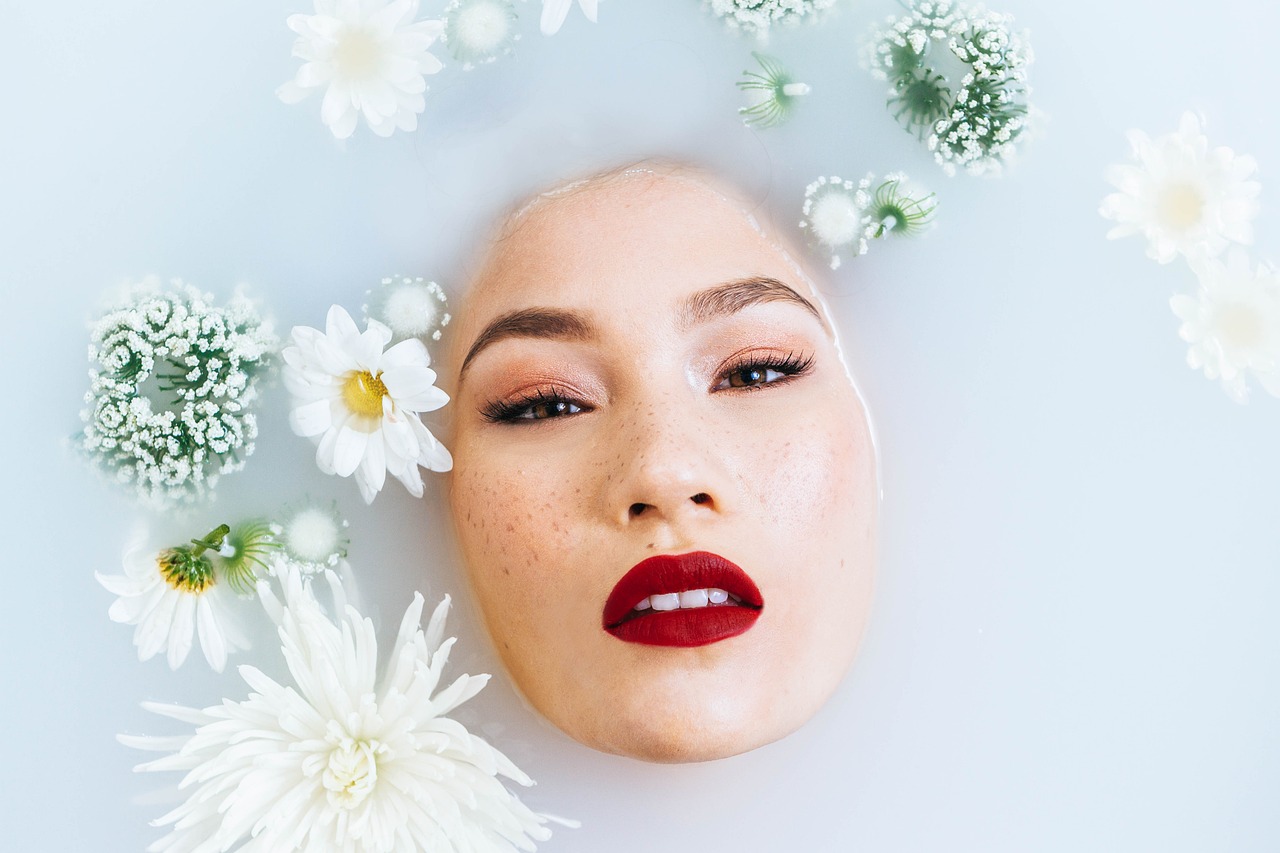
You want to have clear, smooth skin that is free from any blemishes or scars. When it comes to pimple scars, finding natural remedies that actually work can be a challenge. Luckily, there are a few simple and effective home remedies that can help fade away those unsightly marks left behind by acne. From using lemon juice to applying aloe vera gel, these natural methods are gentle on your skin and can provide noticeable results over time. Say goodbye to pimple scars and hello to a more confident, radiant complexion with these tried and tested remedies.
Causes of Pimple Scars
Acne breakouts
Acne breakouts are one of the leading causes of pimple scars. When the pores on our skin become clogged with excess oil, dead skin cells, and bacteria, it can result in the development of acne. If these acne lesions are not treated properly or if they are repeatedly picked or popped, they can lead to scarring.
Picking or popping pimples
Although it may be tempting to pop or pick at a pimple, this can actually exacerbate the problem and increase the chances of scarring. When you pop a pimple, you are essentially forcing the contents of the pimple deeper into the skin, which can cause inflammation and damage to the surrounding tissues.
Lack of proper skincare
Not following a proper skincare routine can also contribute to the development of pimple scars. Without regular cleansing and exfoliation, excess oil and dead skin cells can build up on the surface of the skin, leading to clogged pores and acne breakouts. Additionally, inadequate moisturization can impede the skin’s healing process, making it more prone to scarring.
Genetic factors
While not directly under your control, genetic factors can play a role in the development of pimple scars. Some individuals may naturally have a higher propensity for scarring due to their skin’s unique healing response. If you have a family history of scarring or if you have noticed that you scar easily from even minor injuries, you may be more predisposed to developing pimple scars.
Preventing Pimple Scars
Keep your face clean
To prevent pimple scars, it is crucial to keep your face clean. Wash your face twice a day using a gentle cleanser to remove excess oil, dirt, and bacteria. Avoid using harsh scrubs or cleansing brushes as they can potentially aggravate the skin and increase the risk of scarring.
Avoid picking or popping pimples
Resist the temptation to pick or pop your pimples. Instead, allow them to heal naturally or seek professional treatment if needed. Picking or popping can break the skin and lead to inflammation and scarring. If you feel the need to extract a pimple, seek assistance from a dermatologist who can perform the procedure safely.
Avoid sun exposure
Excessive sun exposure can worsen the appearance of pimple scars and hinder the skin’s healing process. Always apply a broad-spectrum sunscreen with a high SPF before going outdoors, and wear protective clothing to shield your skin from harmful UV rays.
Moisturize your skin
Proper moisturization is essential for maintaining a healthy skin barrier and promoting the healing of pimple scars. Choose a non-comedogenic moisturizer that suits your skin type and apply it regularly to keep your skin hydrated and supple.

Natural Remedies for Pimple Scars
Lemon juice
Lemon juice is a popular natural remedy for pimple scars due to its skin-lightening and exfoliating properties. The citric acid present in lemon juice acts as a natural bleaching agent, helping to fade scars and even out skin tone.
Why lemon juice works?
The high concentration of vitamin C in lemon juice promotes collagen production, which can help repair damaged skin tissue and reduce the appearance of scars. Additionally, the acidic nature of lemon juice aids in exfoliating the top layer of the skin, promoting cell turnover and fading scars over time.
How to use lemon juice for pimple scars
To use lemon juice for pimple scars, take freshly squeezed lemon juice and apply it directly to the affected areas using a cotton ball or your fingertips. Leave it on for 10-15 minutes, then rinse off with lukewarm water. Remember to moisturize afterward, as lemon juice can be drying.
Precautions and tips
Lemon juice may cause skin irritation or dryness in some individuals. If you have sensitive skin, be cautious when using lemon juice and perform a patch test on a small area of your skin before applying it to your face. Additionally, avoid sun exposure after applying lemon juice, as it can make your skin more sensitive to UV rays.
Aloe vera
Aloe vera is a well-known natural ingredient with soothing and healing properties. It can help reduce inflammation, minimize the appearance of scars, and promote overall skin health.
Why aloe vera works?
Aloe vera contains compounds that can stimulate the growth of healthy skin cells and enhance collagen production, which can aid in scar reduction. Its moisturizing properties can also help keep the skin hydrated and prevent excessive dryness that can make scars more noticeable.
How to use aloe vera for pimple scars
To use aloe vera for pimple scars, extract the gel from an aloe vera leaf and apply it directly to the affected areas. Massage it into the skin gently and leave it on for 30 minutes to an hour before rinsing off with water. Repeat this process daily for best results.
Precautions and tips
Some individuals may be allergic to aloe vera, so it is advisable to perform a patch test before using it on your face. Additionally, make sure to use pure and natural aloe vera gel without any added chemicals or fragrances.
Honey
Honey has antibacterial and anti-inflammatory properties, making it an effective natural remedy for pimple scars. It can help reduce redness, promote wound healing, and improve the overall texture of the skin.
Why honey works?
The enzymes and antioxidants present in honey can help repair damaged skin cells, reduce inflammation, and fade scars. It also acts as a gentle exfoliant, promoting the removal of dead skin cells and stimulating the growth of new, healthy cells.
How to use honey for pimple scars
To use honey for pimple scars, apply a thin layer of raw, organic honey to the affected areas. Leave it on for 20-30 minutes, then rinse off with warm water. For added benefits, mix honey with other natural ingredients such as lemon juice or aloe vera gel.
Precautions and tips
Make sure to use pure, raw honey without any added sugars or artificial ingredients. If you have a known allergy to bee products, avoid using honey on your skin.
Coconut oil
Coconut oil is a versatile natural remedy that can be used for various skin concerns, including pimple scars. It is rich in antioxidants and fatty acids that can nourish the skin, promote healing, and reduce the appearance of scars.
Why coconut oil works?
Coconut oil contains lauric acid, which has antimicrobial and anti-inflammatory properties that can help prevent infection and reduce redness associated with pimple scars. Its moisturizing properties can also help soften the skin and improve its texture.
How to use coconut oil for pimple scars
To use coconut oil for pimple scars, melt a small amount of coconut oil in your hands and gently massage it onto the affected areas. Leave it on overnight, or if preferred, rinse it off after 30 minutes. Repeat this process daily until you see improvement in your scars.
Precautions and tips
Coconut oil is generally safe for most skin types, but it can potentially clog pores and cause breakouts in some individuals. If you have acne-prone or oily skin, it is recommended to do a patch test before applying coconut oil to your face.
Other Home Remedies for Pimple Scars
Apart from lemon juice, aloe vera, honey, and coconut oil, there are several other home remedies that can help reduce the appearance of pimple scars.
Apple cider vinegar
Apple cider vinegar contains acetic acid, which has exfoliating properties that can help fade scars. Dilute apple cider vinegar with water and apply it to the affected areas using a cotton ball. Leave it on for a few minutes, then rinse off thoroughly.
Turmeric powder
Turmeric powder has anti-inflammatory and skin-lightening properties, which can help reduce the appearance of scars. Mix turmeric powder with a small amount of water or honey to form a paste, then apply it to the scarred areas. Leave it on for 15-20 minutes before rinsing off.
Rosehip seed oil
Rosehip seed oil is rich in essential fatty acids and antioxidants that promote skin regeneration and repair. Apply a few drops of rosehip seed oil to the affected areas and massage it into the skin until fully absorbed. Leave it on overnight for best results.
Tea tree oil
Tea tree oil has antimicrobial and anti-inflammatory properties that can help prevent infection and reduce inflammation. Dilute tea tree oil with a carrier oil, such as coconut oil or jojoba oil, and apply it sparingly to the scarred areas. Leave it on overnight, and rinse off in the morning.

Diet and Lifestyle Tips for Scar Reduction
Eating a balanced diet
A healthy diet plays a crucial role in promoting skin health and scar reduction. Include foods rich in vitamins A, C, and E, zinc, and omega-3 fatty acids, as they support collagen production and skin regeneration. Also, minimize the consumption of processed foods and sugary snacks, as they can contribute to inflammation and hinder the healing process.
Staying hydrated
Drinking an adequate amount of water is essential for maintaining healthy skin and aiding in scar reduction. Water helps flush out toxins from the body and keeps the skin hydrated, improving its overall appearance and texture.
Getting enough sleep
Adequate sleep is essential for skin rejuvenation and repair. During sleep, the body undergoes a process of cell turnover and regeneration, which can help fade scars and improve skin health. Aim for 7-9 hours of quality sleep every night.
Reducing stress
Chronic stress can affect the body’s healing process and the skin’s ability to repair itself. Engage in stress-relieving activities such as exercise, meditation, or hobbies to help reduce stress levels and promote scar reduction.
When to Seek Medical Help
Persistent or severe scarring
If you have pimple scars that are persistent, deep, or significantly affecting your self-confidence, it is recommended to consult a dermatologist. They can assess your scars and recommend professional treatments such as laser therapy, chemical peels, or microdermabrasion.
Sudden changes in the appearance of scars
If you notice sudden changes in the color, size, or texture of your pimple scars, it is essential to consult a healthcare professional. This could be a sign of an underlying skin condition or infection that requires medical attention.
Scarring from non-acne-related issues
If you have scars from injuries, surgeries, or other non-acne-related issues, it is advisable to seek medical help for appropriate treatment options. Depending on the severity and location of the scars, a dermatologist or plastic surgeon may recommend surgical procedures or other interventions to improve their appearance.
In conclusion, pimple scars can be bothersome, but with proper care and the use of natural remedies, you can effectively reduce their appearance. Remember to maintain a consistent skincare routine, avoid picking or popping pimples, protect your skin from sun exposure, and nourish your body through a balanced diet and healthy lifestyle choices. If your scars persist or cause significant distress, do not hesitate to seek medical help for professional guidance and treatment options. With patience and a proactive approach, you can achieve smoother, more even-toned skin and regain your confidence.
