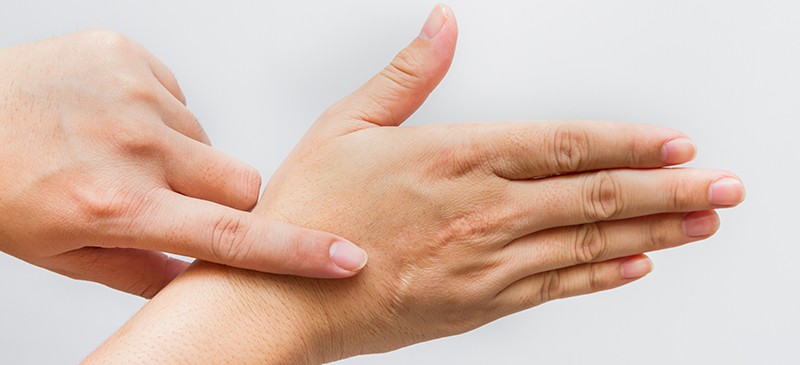
If you’re tired of those stubborn scars that seem to linger forever, then this article is just for you. Discover proven techniques for scar reduction that can help fade those unwanted marks and restore your confidence. From natural remedies to advanced medical treatments, we’ll explore a variety of options that can effectively diminish the appearance of scars. Whether it’s acne scars, surgical scars, or scars from injuries, you’ll find practical advice and expert tips to help you achieve smoother, more even-looking skin. Are you ready to say goodbye to scars? Let’s get started!
Understanding Scars
Scars are a natural part of the body’s healing process and can appear as a result of various factors such as injuries, surgeries, or medical conditions. Understanding the different types of scars is crucial in determining the most effective treatment options.
Types of scars
There are several types of scars that can occur depending on the severity of the injury and the individual’s healing process. Common types of scars include:
-
Keloid Scars: These are raised, thickened scars that extend beyond the original wound site. Keloid scars are caused by an overproduction of collagen during the healing process and may require medical intervention.
-
Hypertrophic Scars: Similar to keloid scars, hypertrophic scars are raised and red in appearance. However, unlike keloid scars, they do not extend beyond the boundaries of the original wound.
-
Atrophic Scars: These scars appear sunken or depressed and are caused by a loss of tissue during the healing process. Acne scars are a common example of atrophic scars.
-
Contracture Scars: Contracture scars occur when the skin tightens and forms a constricted, often thickened area due to burns or significant skin loss. These scars can restrict mobility and may require specialized treatment.
Causes of scars
Scars can be the result of various causes, including:
-
Accidental injuries: Cuts, burns, or puncture wounds from accidents can lead to the formation of scars.
-
Surgical procedures: Scars are common after surgical interventions such as appendectomies, C-sections, or cosmetic surgeries.
-
Medical conditions: Certain conditions like acne, chickenpox, or even insect bites can leave behind scars.
-
Genetic predisposition: Some individuals are more prone to developing scars due to their genetic makeup.
The healing process
When the skin is injured, the body’s natural response is to initiate the healing process, which involves several stages:
-
Inflammation: The body’s immune system responds to the injury by sending blood flow and nutrients to the area, resulting in redness, swelling, and warmth.
-
Cell proliferation: New cells are generated to replace the damaged tissue, leading to the formation of granulation tissue.
-
Remodeling: Over time, the newly formed tissue starts to mature and remodel, resulting in the final appearance of the scar. This process can take several months to years.
It is important to note that scars cannot be completely removed, but their appearance can be improved through various treatment options.
Over-the-Counter Remedies
Over-the-counter remedies offer accessible and affordable options for scar management. These treatments are readily available and can be used in the comfort of your own home.
Silicone gel sheets
Silicone gel sheets have been proven to be effective in reducing the appearance of scars. These sheets create a protective barrier over the scar, improving hydration and creating an optimal environment for healing. The pressure exerted by the sheets also helps flatten and fade the scar over time.
Scar creams and ointments
Scar creams and ointments typically contain ingredients such as vitamin E, onion extract, or hyaluronic acid, which promote collagen production and reduce inflammation. Applying these creams regularly can soften and lighten scars, making them less noticeable.
Onion extract products
Products containing onion extract have been found to have scar-reducing properties. Onion extract helps to inhibit fibroblast activity, which can contribute to scar formation. Regular application of these products can help fade scars and improve overall skin texture.

Home Remedies for Scar Reduction
If you prefer natural alternatives, several home remedies have shown promise in reducing the appearance of scars.
Aloe vera gel
Aloe vera gel has long been used for its soothing and healing properties. When applied to scars, aloe vera can moisturize the skin, reduce inflammation, and promote skin regeneration. Regular application of aloe vera gel can help fade scars over time.
Coconut oil
Coconut oil is known for its moisturizing properties and can help improve the appearance of scars. The oil helps keep the skin hydrated, stimulates collagen production, and has antibacterial properties that can prevent infections in healing wounds.
Honey
Honey has been used for centuries for its healing properties. When applied to scars, honey can help reduce inflammation, promote tissue regeneration, and improve overall skin texture. Regular use of honey on scars can lead to noticeable improvements in their appearance.
Medical Treatments for Scars
In more severe cases, medical treatments performed by healthcare professionals may be necessary to effectively reduce the appearance of scars.
Chemical peels
Chemical peels involve the application of a chemical solution to the skin, which causes controlled damage and encourages new skin growth. This procedure can help minimize the appearance of scars by removing the top layers of damaged skin and revealing fresher, smoother skin underneath.
Microdermabrasion
Microdermabrasion is a non-invasive procedure that involves exfoliating the outer layer of the skin with tiny crystals, removing dead skin cells and promoting skin renewal. This treatment can help improve the texture and appearance of scars by stimulating collagen production and revealing healthier skin.
Laser therapy
Laser therapy uses focused beams of light to target and break down scar tissue, stimulating the growth of new collagen fibers. This treatment can be effective in reducing scar redness and improving overall skin texture. Multiple sessions may be required to achieve desired results.

Surgical Options for Scar Removal
In cases where scars are particularly deep or large, surgical procedures may be necessary to remove or improve their appearance.
Scar revision surgery
Scar revision surgery involves removing the scarred tissue and rejoining the healthy skin in a way that minimizes the visibility of the scar. This procedure can be used to improve the appearance of scars caused by accidents, surgeries, or previous treatments.
Dermabrasion
Dermabrasion is a surgical procedure that involves scraping away the top layers of the skin using a high-speed rotating brush or diamond wheel. This removes the damaged skin and encourages the growth of new, healthier skin. Dermabrasion can be effective in reducing the appearance of deep or stubborn scars.
Skin grafting
Skin grafting involves removing healthy skin from one area of the body and transplanting it onto the scarred area. This procedure can be effective in treating scars that are too large or extensive to be treated by other methods. The transplanted skin helps to cover and heal the scarred area, resulting in improved appearance.
Natural Remedies for Scar Reduction
If you prefer using natural remedies, there are several options that have shown promise in reducing the appearance of scars.
Lemon juice
Lemon juice contains natural acids that act as a mild exfoliant, helping to remove dead skin cells and promote the growth of new skin. Applying lemon juice to scars can help lighten their appearance over time. However, caution should be exercised, as lemon juice can cause skin irritation in some individuals.
Apple cider vinegar
Apple cider vinegar has been used for its antibacterial and exfoliating properties. When applied to scars, it can help reduce redness and promote skin regeneration. Dilute apple cider vinegar with water before applying it to the skin to minimize the risk of irritation.
Rosehip oil
Rosehip oil is rich in essential fatty acids, vitamins, and antioxidants, making it an excellent option for scar reduction. Regularly massaging rosehip oil onto scars can help fade them over time and improve skin texture. It is important to choose pure, cold-pressed rosehip oil for the best results.

Diet and Lifestyle Changes
Certain diet and lifestyle changes can also contribute to scar reduction and promote overall skin health.
Collagen-boosting foods
Including foods rich in vitamin C, zinc, and protein in your diet can help promote collagen production, which is essential for healthy skin. Citrus fruits, leafy greens, lean meats, and legumes are excellent sources of these nutrients.
Hydration and scar healing
Staying hydrated is crucial for maintaining healthy skin. Drinking an adequate amount of water throughout the day helps keep the skin hydrated and aids in the healing process. Proper hydration can also help reduce the risk of developing dry or itchy scars.
Smoking and scar formation
Smoking has been found to impede the healing process and increase the risk of developing more pronounced scars. Quitting smoking or avoiding exposure to secondhand smoke can significantly improve the healing of scars and overall skin health.
Preventing Scars
While it may not always be possible to prevent scars, there are certain measures you can take to minimize their appearance.
Wound care techniques
Proper wound care is crucial for preventing excessive scarring. Cleaning the wound, applying an appropriate dressing, and keeping it moist can promote optimal healing and reduce the risk of infection.
Avoiding sun exposure
Protecting scars from sun exposure is essential, as UV rays can cause them to darken and become more pronounced. Apply sunscreen with a high SPF to scarred areas and consider using physical barriers such as hats or clothing to shield them from the sun.
Protective clothing and bandages
When engaging in activities that may pose a risk of injury, wearing protective clothing and using bandages can help prevent scars. This is particularly important for individuals who are prone to keloid or hypertrophic scar formation.

Dealing with Emotional Impact
Scars can have a significant emotional impact on individuals, affecting their self-esteem and overall well-being. It is important to address these emotional aspects along with scar reduction.
Coping with self-esteem issues
If you are experiencing self-esteem issues due to your scars, remember that scars are a natural part of life and do not define your worth. Focus on self-acceptance and embrace your scars as a testament to your strength and resilience.
Seeking support
Sharing your feelings and experiences with loved ones or support groups can provide a valuable outlet for emotional healing. Surround yourself with understanding and supportive individuals who can offer empathy and encouragement.
Therapy and counseling
In some cases, professional therapy or counseling may be beneficial for individuals struggling with emotional distress caused by scars. Therapists can provide guidance and support in navigating through the emotional challenges associated with scarring.
Tips and Precautions
When it comes to scar reduction, it is important to keep a few tips and precautions in mind.
Consulting a dermatologist
Before starting any scar treatment, it is recommended to consult with a dermatologist. They can evaluate your specific situation, recommend suitable treatment options, and provide personalized guidance based on your needs.
Patch testing
Before using any new over-the-counter or natural remedies, perform a patch test on a small area of skin to check for any adverse reactions or allergies. Discontinue use if any irritation or discomfort occurs.
Patience and consistency
Scar reduction takes time, so it is important to be patient and consistent with your chosen treatment methods. Results may vary, and it may take weeks or months to see noticeable improvements. Stay committed to your chosen treatment plan and follow the instructions provided.
By understanding the types of scars, their causes, and the various treatment options available, you can make informed decisions on how to reduce their appearance. Whether you opt for over-the-counter remedies, home remedies, medical treatments, or surgical options, remember that scar reduction is a process that requires patience and consistency. Embrace your scars as a part of your unique journey and don’t let them define you. With time and proper care, you can improve the appearance of your scars and regain confidence in your skin.
