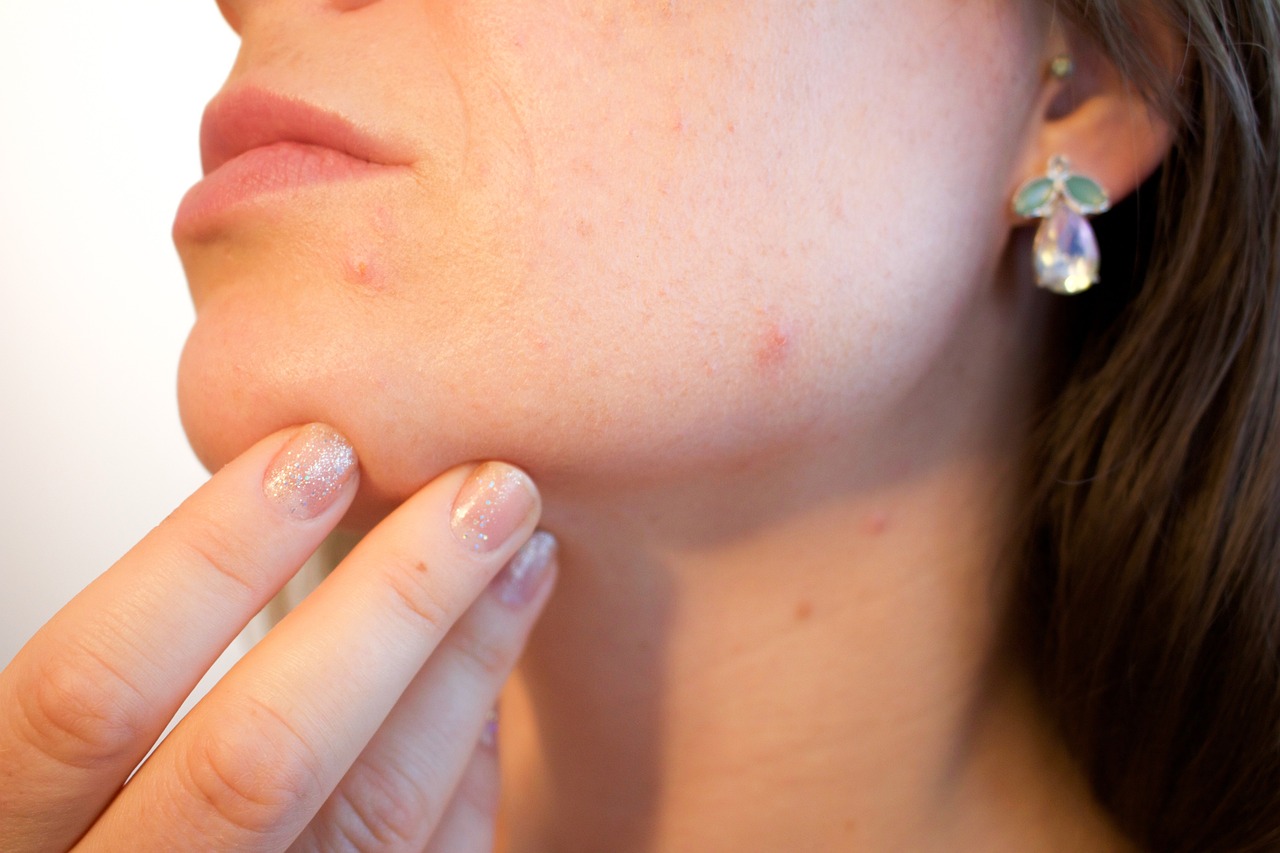
If you’ve ever dealt with pesky pimples, you know that they can leave unsightly scars behind. It’s natural to wonder if these scars will eventually fade away on their own without any intervention. In this article, we’ll explore the question: do pimple scars go away on their own? We’ll also dive into what you can expect in terms of their fading process, giving you a better understanding of how to tackle those lingering reminders of past breakouts. So, sit back and let’s explore the world of pimple scars together!

Types of Pimple Scars
1. Ice Pick Scars
Ice pick scars are characterized by deep, narrow, and pitted scars that resemble small puncture marks on the skin. These scars are usually a result of severe acne and can be difficult to treat. They occur when the skin’s collagen is damaged, leading to the formation of permanent scars.
2. Boxcar Scars
Boxcar scars are wider and more shallow than ice pick scars, and they have sharp, defined edges. They often appear as round or oval depressions on the skin and are commonly caused by inflammatory acne. Boxcar scars can make the skin look uneven and may affect your self-confidence.
3. Rolling Scars
Rolling scars are characterized by their wave-like appearance on the skin. They form due to the tethering of underlying scar tissue to the deeper layers of the skin. These scars may cause the skin to have a wavy or uneven texture, making it difficult to achieve a smooth complexion.
4. Hypertrophic Scars
Hypertrophic scars are raised and thickened scars that occur when there is an overproduction of collagen during the healing process. They are typically red or pink in color and can be itchy or uncomfortable. Unlike keloid scars, hypertrophic scars do not extend beyond the boundaries of the original wound.
5. Atrophic Scars
Atrophic scars are sunken or depressed scars that are often caused by a loss of tissue. They can be further categorized into two subtypes: boxcar atrophic scars and ice pick atrophic scars. These scars are common in individuals who have had severe or cystic acne.
Factors Affecting Scar Healing
1. Skin Type
Different skin types have varying abilities to heal scars. Those with darker skin tones may be more prone to developing pigmented scars, such as post-inflammatory hyperpigmentation. On the other hand, individuals with lighter skin tones may be more susceptible to developing visible textural changes after acne scars.
2. Severity of Acne
The severity of your acne plays a significant role in the type of scars that may form. Severe acne, such as cystic acne, is more likely to result in deep, pitted scars like ice pick scars. However, even mild to moderate acne can leave behind atrophic or hypertrophic scars if not properly treated.
3. Treatment
The type of treatment you receive for your acne can impact the healing process of scars. Prompt and effective treatment of acne can help minimize the risk of developing scars or prevent existing scars from worsening. Procedures performed by dermatologists, such as chemical peels or laser treatments, can also aid in scar reduction.
4. Individual Healing Process
Each individual’s healing process is unique, and factors such as age, genetics, and overall health can affect how quickly and effectively scars heal. Some individuals may naturally have a faster healing process, while others may require more time and intervention to see improvement in their scars.
Can Pimple Scars Fade on Their Own?
1. The Healing Process
Pimple scars have the potential to fade over time as the natural healing process of the skin takes place. When you have a pimple or acne breakout, your skin works to repair itself. During this process, collagen is produced to rebuild the damaged areas. Over time, as new collagen is formed, the appearance of scars may diminish.
2. Timeframe for Scar Healing
The actual timeframe for pimple scars to fade on their own can vary significantly depending on the individual and the type of scars. It can take several months or even years for scars to fade naturally. It’s essential to be patient and understand that scar healing is a gradual process.
3. Factors That Impact Natural Healing
Several factors can impact the natural healing of pimple scars. Skin type, severity of acne, and individual healing process, as discussed earlier, all play a role. Other factors include lifestyle choices, diet, and skincare routine. Taking care of your overall health and practicing good skincare habits can contribute to the natural fading of scars.
4. Expectations
While pimple scars may fade on their own, it’s important to manage expectations. Some scars may fade significantly, while others may not fade completely. Deep, severe scars may require professional intervention to see significant improvement. It’s always best to consult with a dermatologist to determine the most suitable treatment options for your specific scars.
Home Remedies to Help Fade Pimple Scars
1. Lemon Juice
Lemon juice is a natural remedy that is believed to have skin lightening properties. Its high acidity can help exfoliate the skin, remove dead cells, and reduce the appearance of scars. However, it is essential to dilute lemon juice with water before applying it to the skin to avoid irritation or damage.
2. Aloe Vera
Aloe vera has soothing and moisturizing properties that can help promote skin healing and reduce the appearance of scars. Applying pure aloe vera gel directly to the scarred areas can help moisturize the skin and potentially improve its texture over time.
3. Honey
Honey has been used for centuries for its antibacterial and wound-healing properties. Applying raw honey to pimple scars can help moisturize the skin, reduce inflammation, and promote scar healing. However, it’s important to note that not all types of honey have the same benefits, so choosing raw, organic honey is recommended.
4. Onion Extract
Onion extract contains compounds that have been found to improve collagen production and reduce the appearance of scars. Applying a topical gel or cream containing onion extract to pimple scars may help lighten them over time. However, it is advisable to do a patch test before using onion extract products to ensure there are no adverse reactions.
5. Rosehip Seed Oil
Rosehip seed oil is rich in essential fatty acids and antioxidants that can hydrate the skin, promote cell regeneration, and improve the appearance of scars. Applying a few drops of rosehip seed oil to the scarred areas and gently massaging it into the skin can help fade pimple scars over time.
Professional Treatments for Pimple Scars
1. Chemical Peels
Chemical peels involve the application of a chemical solution to the skin, which helps remove the top layer of damaged skin cells. This process stimulates collagen production and can improve the appearance of pimple scars. The type and depth of the peel will depend on the severity of your scars and your skin’s tolerance.
2. Microdermabrasion
Microdermabrasion is a non-invasive procedure that uses tiny crystals or a diamond-tipped wand to gently exfoliate the skin. This exfoliation process helps remove the outermost layer of dead skin cells, promoting collagen production and reducing the appearance of pimple scars. Multiple sessions may be required for optimal results.
3. Laser Treatments
Laser treatments, such as fractional laser resurfacing, can target specific areas of the skin and stimulate collagen production. The heat from the laser promotes skin remodeling and improves the texture and tone of the treated area. Laser treatments can be effective for various types of pimple scars, but multiple sessions may be needed for optimal results.
4. Dermal Fillers
Dermal fillers are injectable substances that can help fill in atrophic or indented scars, such as boxcar or rolling scars. They work by adding volume to the depressed areas, making the skin appear more even and smooth. Dermal fillers are a temporary solution and may require periodic touch-ups to maintain results.
5. Microneedling
Microneedling, also known as collagen induction therapy, involves using a device with tiny needles to create controlled micro-injuries in the skin. This process stimulates collagen production and enhances the skin’s natural healing response. Microneedling can help improve the appearance of pimple scars, but multiple sessions are usually needed for noticeable results.
Over-the-Counter Products for Scar Healing
1. Silicone Gel Sheets
Silicone gel sheets are thin, flexible sheets made from medical-grade silicone that can be applied to the skin to help flatten and fade scars. These sheets create a protective barrier over the scarred area, trapping moisture and allowing the skin to heal more effectively. Silicone gel sheets are a popular over-the-counter option for scar healing.
2. Scar Creams
Scar creams often contain ingredients such as onion extract, vitamin E, and hyaluronic acid, which can help moisturize the skin and promote scar healing. These creams are usually applied topically to the scarred areas and can be an affordable and convenient option for scar treatment.
3. Vitamin E
Vitamin E is a fat-soluble vitamin that has antioxidant properties and is believed to aid in scar healing. Applying vitamin E oil or using products that contain vitamin E can help moisturize the skin and potentially improve the appearance of pimple scars. However, it’s important to note that vitamin E may not be suitable for all individuals and can sometimes cause skin irritation.
4. Salicylic Acid
Salicylic acid is a beta-hydroxy acid that is commonly used in skincare products for acne treatment. It can also be beneficial in fading pimple scars by exfoliating the skin and promoting the removal of dead skin cells. Over-the-counter products containing salicylic acid, such as cleansers or toners, may help improve the overall texture and appearance of scars.
5. Retinol
Retinol is a derivative of vitamin A and is known for its ability to stimulate collagen production and promote skin cell turnover. Using skincare products that contain retinol can help improve the appearance of pimple scars over time. It’s important to start with a low concentration and gradually increase as tolerated to avoid skin irritation.
Tips to Prevent Further Scarring
1. Avoid Picking or Squeezing Pimples
Picking or squeezing pimples can cause further damage to the skin and increase the risk of scarring. Avoid touching your face with dirty hands and resist the urge to pop pimples. Instead, use gentle cleansing products and spot treatments to help reduce inflammation and speed up the healing process.
2. Protect Your Skin from Sun Exposure
Exposure to the sun’s harmful UV rays can cause pigmentation changes in scars and make them more noticeable. Protect your skin by applying a broad-spectrum sunscreen with an SPF of 30 or higher, wearing protective clothing, and seeking shade during peak sun hours. Sunscreen should be applied even on cloudy days or when indoors near windows.
3. Adopt a Consistent Skincare Routine
A consistent skincare routine can help maintain healthy skin and reduce the risk of new breakouts and scarring. Cleanse your face twice daily with a gentle cleanser, exfoliate regularly to remove dead skin cells, and moisturize to keep the skin hydrated. Incorporate acne-fighting ingredients, such as salicylic acid or benzoyl peroxide, into your routine as needed.
4. Be Gentle with Your Skin
Treating your skin gently can help prevent further irritation and scarring. Avoid using harsh scrubbing motions or abrasive exfoliants that can damage the skin. Use lukewarm water when cleansing, pat your skin dry with a clean towel, and avoid rubbing or tugging on the skin. Opt for soft, non-comedogenic products that are suitable for your skin type.
5. Avoid Harsh Products
Some skincare products, such as those containing alcohol or fragrances, can be harsh and irritating to the skin, potentially leading to further acne and scarring. Choose products labeled as non-comedogenic, oil-free, and suitable for acne-prone skin. It’s also advisable to patch test new products before applying them to your entire face.
When to Seek Medical Help
1. Persistent Scarring
If your pimple scars do not show any improvement over an extended period or worsen despite home remedies or over-the-counter treatments, it may be time to seek medical help. A dermatologist can evaluate your scars and recommend appropriate treatment options based on their severity and type.
2. Heavy Emotional Impact
Pimple scars can have a significant emotional impact on individuals, affecting their self-esteem and confidence. If your scars are causing significant distress or affecting your quality of life, it’s important to reach out to a healthcare professional for support and guidance.
3. Scar Disfigurement
If your pimple scars are causing noticeable disfigurement or affecting the natural contour of your face, it’s essential to consult with a dermatologist. They can assess the extent of the scarring and suggest options, such as cosmetic procedures, to help improve your appearance and boost your self-confidence.
4. Worsening of Scars
If you notice that your pimple scars are becoming more prominent, red, or painful, it may indicate an underlying issue that requires medical attention. Certain conditions, such as keloid scars or hypertrophic scars, may require specialized treatment to prevent further worsening and manage symptoms effectively.
5. Excessive Pain or Discomfort
While mild discomfort or sensitivity around pimple scars can be common, excessive pain or discomfort may signal an infection or other complications. If you experience intense pain, unusual swelling, or discharge from the scarred area, it’s crucial to seek immediate medical assistance.
Consulting a Dermatologist
1. Assessment and Diagnosis
When you consult a dermatologist for your pimple scars, they will evaluate the type, severity, and characteristics of your scars. They may examine your medical history, conduct a visual examination, and ask you questions about your skincare routine and previous treatments to form an accurate diagnosis.
2. Customized Treatment Plan
Based on their assessment, a dermatologist will recommend a personalized treatment plan for your pimple scars. This may involve a combination of professional treatments, over-the-counter products, lifestyle modifications, and skincare recommendations tailored to your specific needs.
3. Monitoring Progress
During your treatment journey, a dermatologist will monitor the progress of your pimple scars and make any necessary adjustments to the treatment plan. Regular follow-up appointments will allow them to assess the efficacy of the treatments and provide guidance on maintaining optimal scar healing.
4. Expert Advice and Guidance
One of the significant benefits of consulting a dermatologist is gaining access to their expertise and knowledge. They can provide valuable advice on scar prevention, recommend suitable products, and answer any questions or concerns you may have about your pimple scars.
5. Follow-up Appointments
Follow-up appointments are essential for tracking your progress and ensuring the effectiveness of the recommended treatments. Your dermatologist may schedule regular check-ups to assess the improvements in your pimple scars, provide additional treatments if needed, or make any necessary modifications to your skincare routine.
Final Thoughts
While pimple scars may be a common concern, there are several treatment options available to help fade or improve their appearance. From home remedies to professional treatments, and over-the-counter products, finding the most appropriate solution depends on the type and severity of your scars. Remember to consult with a dermatologist to receive personalized advice and guidance on the best course of action for your pimple scars. With patience, persistence, and the right treatment approach, you can achieve smoother, more even-looking skin and regain your confidence.