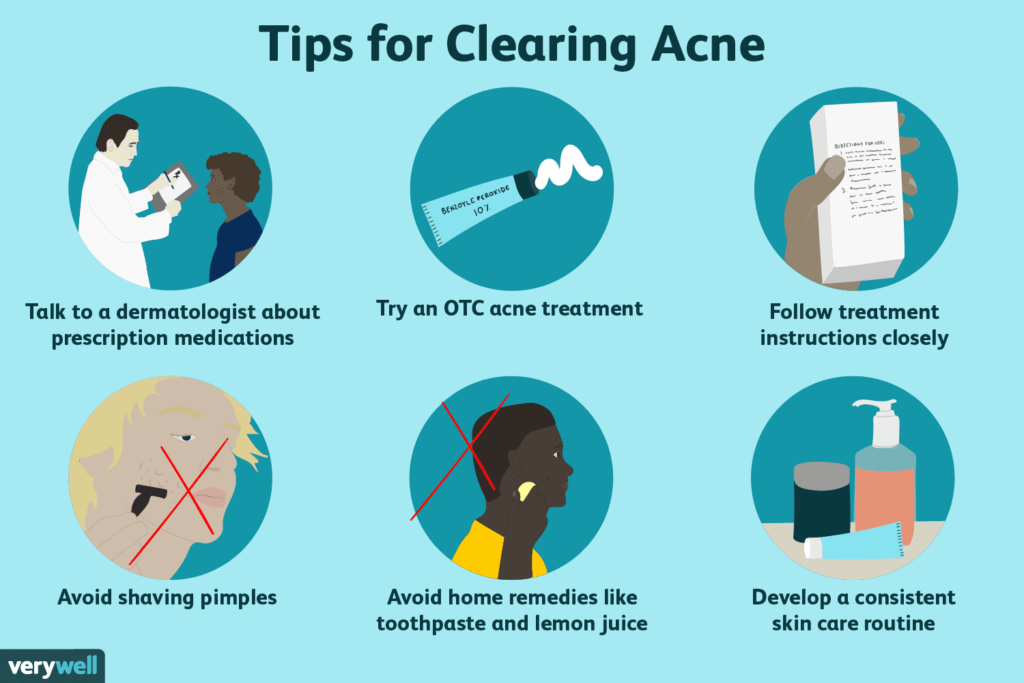
So you’ve finally won the battle against pesky pimples, but unfortunately, their scars are here to remind you of the war. Don’t fret! In this article, we’ll guide you through a range of expert-backed strategies to help you bid farewell to those stubborn pimple scars. From tried-and-true home remedies to cutting-edge dermatological treatments, you’ll discover a variety of techniques to reclaim your flawless complexion. Say goodbye to those reminders of past breakouts and hello to smooth, radiant skin!
1. Home Remedies
When it comes to getting rid of pimple scars, you don’t always have to look far – sometimes the solution is right in your own kitchen! Here are a few home remedies that can help fade those stubborn scars and promote smoother, more even-toned skin.
1.1 Lemon Juice
Lemon juice is a natural bleaching agent that can help lighten pimple scars over time. The citric acid in lemon juice can exfoliate dead skin cells and promote the growth of new, healthier skin. Simply apply fresh lemon juice to the affected areas using a cotton ball and leave it on for 10-15 minutes before rinsing off. Be sure to moisturize afterward, as lemon juice can be drying.
1.2 Aloe Vera Gel
Known for its soothing properties, aloe vera gel can also help reduce the appearance of pimple scars. Apply a thin layer of pure aloe vera gel directly to the scars and leave it on for around 30 minutes before rinsing off. Aloe vera helps to moisturize and heal the skin, reducing inflammation and promoting scar fading.
1.3 Honey
Honey is not only deliciously sweet but also possesses antimicrobial and anti-inflammatory properties. These properties make it an excellent natural remedy for pimple scars. Apply a thin layer of raw honey to the scars and leave it on for 15-20 minutes before gently rinsing off. Regular use of honey can help fade scars and improve overall skin texture.
1.4 Coconut Oil
Coconut oil is well-known for its moisturizing properties, but did you know that it can also help fade pimple scars? The fatty acids present in coconut oil can help nourish the skin and promote cell regeneration, resulting in a reduction of scar appearance. Gently massage a small amount of coconut oil onto the scars and leave it on overnight. Rinse off in the morning and repeat regularly for best results.
1.5 Tea Tree Oil
Tea tree oil is a powerful antiseptic and anti-inflammatory agent that can help reduce pimple scars. Mix a few drops of tea tree oil with a carrier oil, such as coconut or jojoba oil, and apply it to the scars using a cotton ball. Leave it on for a few hours or overnight before rinsing off. The antibacterial properties of tea tree oil can also help prevent future breakouts, making it a versatile remedy for pimple scars.
2. Over-the-Counter Products
If home remedies aren’t providing the desired results, you may want to consider over-the-counter products specifically formulated to target pimple scars. These products often contain ingredients that promote scar healing and reduce redness. Here are a few options worth exploring:
2.1 Topical Creams
There are numerous scar-fading creams available over the counter that contain ingredients like vitamin C, niacinamide, or hyaluronic acid. These ingredients can help improve the appearance of pimple scars over time when applied regularly. Look for creams with natural or gentle ingredients that are suitable for your skin type.
2.2 Silicone Gel Sheets
Silicone gel sheets are a popular choice for scar treatment. These sheets adhere to the skin and provide a protective barrier that hydrates the scar and helps it heal. They can be applied directly to pimple scars and left on for a few hours or overnight. Silicone gel sheets are often reusable and can be an effective option for reducing the appearance of scars.
2.3 Medicated Patches
Medicated patches, like hydrocolloid patches, are another option for treating pimple scars. These patches create a moist environment that helps speed up the healing process and prevents scarring. They work by drawing out impurities and excess oil from the skin, reducing inflammation and promoting scar fading.
2.4 Scar Fading Gels
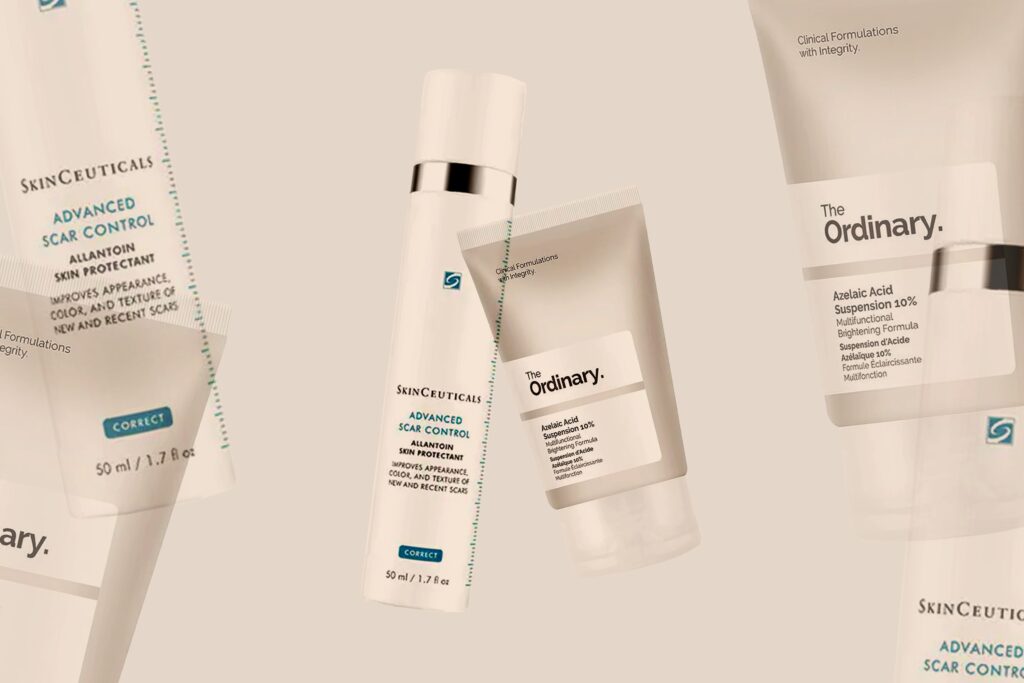
Scar fading gels often contain ingredients like onion extract, allantoin, or vitamin E, which can help improve the appearance of pimple scars. These gels are typically applied directly to the scars and left on for a specified period, depending on the product instructions. Regular use of scar fading gels can help fade scars and improve skin texture.
2.5 Microdermabrasion Kits
Microdermabrasion is a non-invasive cosmetic procedure that exfoliates the skin and promotes the production of collagen. Some microdermabrasion kits are available for home use, allowing you to achieve similar results at a fraction of the cost. These kits typically include a handheld device that gently exfoliates the skin, helping to reduce the appearance of pimple scars with regular use.

3. Prescription Medications
For severe or persistent pimple scars, you may need to consult a dermatologist who can prescribe medications that target scar healing and skin rejuvenation. Here are a few prescription options that are commonly used:
3.1 Retinoids
Retinoids are derivatives of vitamin A and are often prescribed for various skin conditions, including pimple scars. They work by speeding up cell turnover and promoting the growth of new skin cells. Regular use of retinoids can help fade scars and improve overall skin texture, but these medications may cause dryness and irritation, so it’s important to follow your dermatologist’s instructions.
3.2 Steroid Creams
Steroid creams are commonly prescribed to reduce inflammation and redness associated with pimple scars. These creams work by suppressing the immune response, which can help fade scars and make them less noticeable. However, long-term use of steroid creams may have potential side effects, so it’s essential to use them under medical supervision.
3.3 Corticosteroid Injections
Corticosteroid injections are another option for treating raised and hypertrophic pimple scars. Injections are administered directly into the scars, helping to reduce inflammation and flatten the scar tissue. This treatment is typically performed in a dermatologist’s office and may require multiple sessions for optimal results.
3.4 Dermal Fillers
Dermal fillers are injectable substances that can help fill in depressed pimple scars and create a smoother skin surface. Fillers typically contain hyaluronic acid, which helps add volume and lift to the skin. Results are temporary, and regular touch-ups may be necessary to maintain the desired outcome.
3.5 Laser Therapy
Laser therapy is a common treatment option for moderate to severe pimple scars. Different types of lasers can be used, depending on the scar type and severity. Laser treatments work by targeting the scar tissue, stimulating collagen production, and promoting scar remodeling. Multiple sessions are usually required to achieve significant improvement.
4. Dermatological Procedures
In addition to prescription medications, there are several dermatological procedures that can help improve the appearance of pimple scars. These procedures are typically performed by trained professionals and can provide more aggressive and targeted treatment options. Here are a few commonly used procedures:
4.1 Chemical Peels
Chemical peels involve the application of a chemical solution to the skin, which causes controlled exfoliation. This process helps remove damaged outer layers of skin, revealing healthier skin underneath. Chemical peels can help fade pimple scars and improve overall skin texture and tone. It’s important to follow post-peel care instructions provided by your dermatologist.
4.2 Dermabrasion
Dermabrasion is a procedure that involves the mechanical exfoliation of the skin using a rotating brush or diamond-tipped tool. This process helps remove the upper layers of skin, allowing new skin to regenerate. Dermabrasion can effectively reduce the appearance of pimple scars, but it may require a longer recovery period compared to other treatments.
4.3 Microneedling
Microneedling, also known as collagen induction therapy, involves the use of a specialized device with tiny needles that create controlled micro-injuries on the skin’s surface. These micro-injuries stimulate collagen production and promote scar remodeling. Microneedling can be a highly effective treatment for pimple scars when performed by a trained professional.
4.4 Punch Excision
Punch excision is often recommended for deep, ice-pick type pimple scars. During this procedure, a small and deep area of the scar is surgically removed, and the edges are closed with stitches. This technique helps to flatten the scar and stimulates healing, resulting in a smoother skin surface. Punch excision may require a healing period and proper aftercare.
4.5 Subcision
Subcision is a procedure used to treat rolling and tethered pimple scars. It involves the insertion of a special needle beneath the skin’s surface to release the scar tissue, allowing the skin to lift and even out. Subcision can be performed as a standalone treatment or in combination with other scar treatments for improved results.
5. Natural Remedies
Natural remedies are an increasingly popular option for treating pimple scars, as they often utilize ingredients derived from plants and have fewer potential side effects. Here are some natural remedies that can help reduce the appearance of pimple scars:
5.1 Rosehip Seed Oil
Rosehip seed oil is rich in vitamins and essential fatty acids that can help fade pimple scars over time. This oil is known for its skin-regenerating properties and can improve overall skin texture and tone. Gently massage a few drops of rosehip seed oil onto the scars and leave it on overnight for optimal results.
5.2 Onion Extract
Onion extract is a natural remedy that has been used for centuries to promote wound healing and reduce the appearance of scars. The extract contains compounds that can inhibit collagen production, which can help flatten and fade pimple scars. Apply onion extract gel to the scars regularly and follow the product instructions for best results.
5.3 Apple Cider Vinegar
Apple cider vinegar has natural antibacterial and exfoliating properties that can help reduce inflammation and fade pimple scars. Dilute apple cider vinegar with water and apply it to the scars using a cotton ball. Leave it on for a few minutes before rinsing off. Apple cider vinegar may cause skin dryness, so be sure to moisturize afterward.
5.4 Turmeric
Turmeric has long been used in traditional medicine for its anti-inflammatory and antioxidant properties. Applying a paste made from turmeric powder and water can help reduce redness and inflammation associated with pimple scars. Leave the paste on for 10-15 minutes before rinsing off. Be cautious, as turmeric can stain the skin and clothing.
5.5 Green Tea
Green tea is rich in antioxidants that can help promote scar healing and reduce the appearance of pimple scars. Brew a cup of green tea and allow it to cool. Apply the cooled tea to the scars using a cotton ball or spritz it onto the skin. You can also freeze the green tea as ice cubes and gently rub them on the scars for a soothing effect.
6. Healthy Lifestyle Changes
In addition to topical treatments and procedures, making certain lifestyle changes can help improve the overall health and appearance of your skin. These changes focus on promoting skin health from within and can help support the effectiveness of other treatments. Here are a few healthy lifestyle habits to consider:
6.1 Balanced Diet
A balanced diet rich in fruits, vegetables, lean proteins, and healthy fats can help nourish your skin and promote healing. Include foods high in antioxidants and vitamins, such as berries, leafy greens, and fish. Avoid excessive sugar and processed foods, as they can contribute to inflammation and breakouts.
6.2 Hydration
Proper hydration is essential for maintaining healthy skin. Drinking an adequate amount of water every day can help flush out toxins, support skin cell regeneration, and promote overall skin health. Aim to drink at least eight glasses of water daily to keep your skin hydrated from the inside out.
6.3 Adequate Sleep
Getting enough sleep is crucial for overall health, including skin health. During sleep, the body repairs and rejuvenates itself, including the skin. Lack of sleep can lead to increased inflammation and slower healing, which may affect the appearance of pimple scars. Aim for 7-8 hours of quality sleep each night.
6.4 Sun Protection
Protecting your skin from the harmful effects of the sun is key to preventing further damage and promoting scar healing. Always use a broad-spectrum sunscreen with an SPF of 30 or higher, even on cloudy days. Avoid prolonged sun exposure and wear protective clothing, such as hats and sunglasses, when outdoors.
6.5 Regular Exercise
Regular exercise not only benefits your overall health but can also improve blood circulation, which helps deliver essential nutrients to the skin cells. Exercise also promotes the production of endorphins, which can reduce stress levels. High stress levels can contribute to increased inflammation and slower scar healing.
7. Skincare Tips
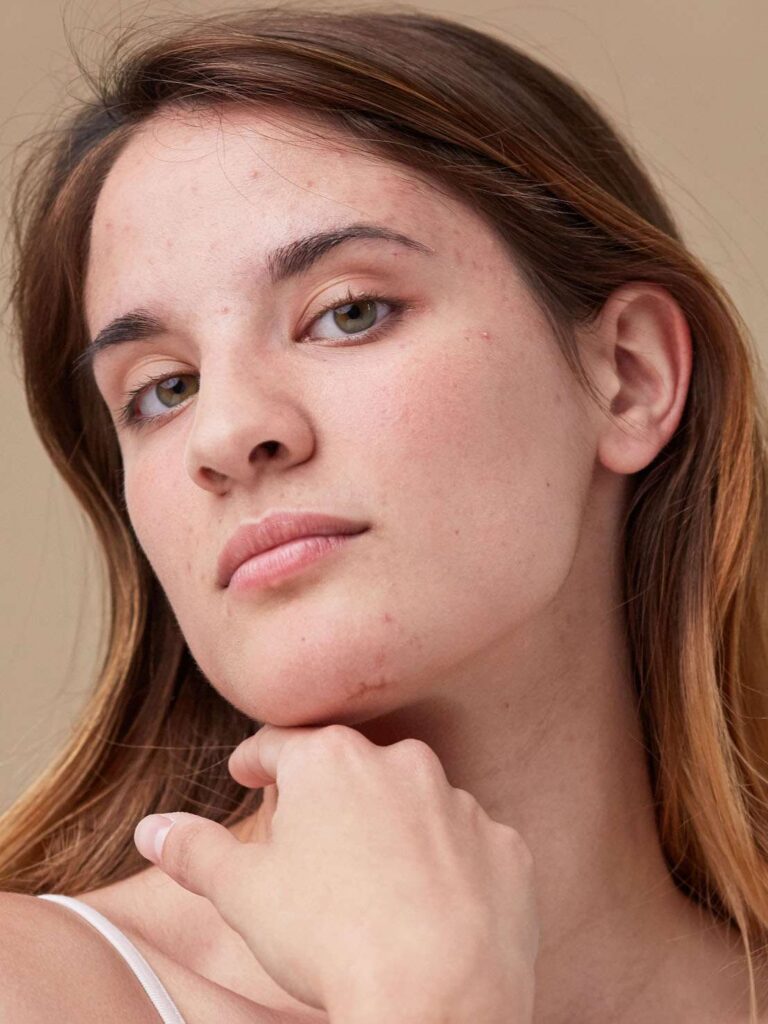
Incorporating proper skincare into your daily routine is crucial for maintaining healthy skin and improving the appearance of pimple scars. Here are some essential skincare tips to follow:
7.1 Gentle Cleansing
Opt for a gentle cleanser that is suitable for your skin type and use it twice daily to remove impurities and excess oil. Avoid harsh scrubbing or abrasive cleansers, as they can irritate the skin and worsen the appearance of scars. Instead, use gentle circular motions and pat dry with a soft towel.
7.2 Exfoliation
Regular exfoliation can help remove dead skin cells and promote cell turnover, leading to smoother, more even-toned skin. Choose an exfoliator that is suitable for your skin type and use it 1-2 times a week. Avoid over-exfoliating, as it can cause skin irritation and inflammation.
7.3 Moisturization
Moisturizing is important for keeping the skin hydrated and preventing dryness, which can make scars more noticeable. Choose a moisturizer that suits your skin type and apply it twice daily after cleansing. Look for moisturizers with ingredients like hyaluronic acid or ceramides for added hydration.
7.4 Sunscreen Usage
As mentioned earlier, protecting your skin from the sun is crucial for scar healing and prevention. Apply a broad-spectrum sunscreen with an SPF of 30 or higher every day, even on cloudy days. Reapply every two hours if you’re spending time outdoors or engaging in activities that cause sweating.
7.5 Scar Treatment Serums
In addition to using over-the-counter scar treatment products, incorporating scar treatment serums into your skincare routine can provide targeted benefits. Look for serums containing ingredients like vitamin C, peptides, or growth factors, as these can help fade scars and promote skin rejuvenation. Apply the serum as directed by the product instructions.
8. Prevention Strategies
Preventing pimple formation is the best way to avoid pimple scars. By following simple prevention strategies, you can significantly reduce the likelihood of developing scars. Here are a few strategies to consider:
8.1 Avoid Picking or Squeezing
As tempting as it may be, avoid picking or squeezing pimples, as this can lead to inflammation and scarring. Picking at your skin can introduce bacteria and cause further damage, prolonging the healing process. Instead, be patient and allow the pimple to heal naturally.
8.2 Proper Wound Care
Taking care of any wounds or breakouts is crucial for preventing infection and minimizing the risk of scarring. Cleanse the affected area gently with a mild cleanser and apply an appropriate treatment, such as a spot treatment or antibiotic ointment, to promote healing. Avoid touching the area excessively to prevent further irritation.
8.3 Manage Acne Breakouts
Proper acne management can significantly reduce the risk of developing pimple scars. Establish a consistent skincare routine that includes gentle cleansing, exfoliation, and spot treatments with ingredients like salicylic acid or benzoyl peroxide. Consider consulting a dermatologist for personalized acne treatment options.
8.4 Sun Protection
Sun protection is not only essential for scar healing but also for preventing pigmentation changes that can make scars more noticeable. Always wear sunscreen, seek shade when the sun’s rays are strongest, and cover up with protective clothing. Remember, prevention is key to maintaining healthy, scar-free skin.
8.5 Limiting Exposure to Environmental Toxins
Environmental toxins, such as pollution and cigarette smoke, can contribute to skin inflammation and hinder the healing process. Limit your exposure to these toxins by avoiding areas with heavy pollution and staying away from secondhand smoke. Protect your skin by using skincare products that contain antioxidants to help counteract the effects of environmental damage.

9. Professional Consultation
While home remedies and over-the-counter products can be effective for mild pimple scars, more severe or persistent scars may require professional intervention. Seeking the expertise of skincare professionals can help you explore more advanced treatment options and receive personalized advice. Here are a few professionals you may consider consulting:
9.1 Dermatologist
A dermatologist specializes in skin conditions and can provide expert guidance for treating pimple scars. They can assess the severity of your scars and recommend appropriate prescription medications, procedures, or combination approaches.
9.2 Plastic Surgeon
A plastic surgeon can provide surgical or minimally invasive procedures to treat more severe pimple scars. They have extensive training in reconstructive procedures and can tailor treatment plans based on individual scar types and patient preferences.
9.3 Medical Aesthetician
A medical aesthetician is a skincare professional trained in various techniques and treatments to improve skin health and appearance. They can perform procedures like chemical peels, microdermabrasion, or microneedling to target pimple scars.
9.4 Natural Health Practitioner
A natural health practitioner specializes in using natural and holistic approaches to promote overall health and wellbeing. They can provide guidance on using natural remedies and lifestyle changes to improve skin health and promote scar healing.
9.5 Skincare Specialist
A skincare specialist, such as an esthetician or facialist, can provide personalized advice on skincare routines and suggest products or treatments that target pimple scars. They can also perform facial treatments that improve overall skin condition and texture.
10. Combination Approaches
In some cases, a combination approach may be the most effective way to treat pimple scars. This involves integrating multiple treatment methods to maximize results. Here are a few combination approaches that can be considered:
10.1 Combining Topical Treatments
Combining different topical treatments, such as scar fading creams and scar treatment serums, can provide a synergistic effect. This allows for targeted scar healing and overall skin rejuvenation. Consult with a skincare professional or dermatologist to determine the best combination for your specific needs.
10.2 Integrating Dermatological Procedures
Pairing dermatological procedures, such as microneedling or dermabrasion, with targeted prescription medications can enhance the effectiveness of scar treatment. Procedures can help remodel scar tissue, while prescription medications can target scar healing and reduce inflammation.
10.3 Natural Remedies along with Medical Treatments
Using natural remedies in conjunction with medical treatments can provide a well-rounded approach to scar treatment. For example, incorporating rosehip seed oil or green tea extracts alongside prescription medications or dermatological procedures can help support the healing process and enhance results.
10.4 Lifestyle Changes and Skincare Regimen
Pairing healthy lifestyle changes, such as a balanced diet and regular exercise, with a consistent skincare regimen can have a positive impact on scar healing. By taking care of your overall health and maintaining proper skincare, you can support the effectiveness of other scar treatments.
10.5 Balanced Approach: Professional Guidance + Self-Care
Finding a balance between seeking professional guidance and taking care of your own skin is crucial. Listen to the advice of skincare professionals and follow their treatment recommendations, but also pay attention to your skin’s unique needs and adjust your self-care routine accordingly. Remember, everyone’s skin is different, and what works for one person may not work for another.
In conclusion, pimple scars do not have to be a permanent mark on your skin. By utilizing a combination of home remedies, over-the-counter products, prescription medications, dermatological procedures, natural remedies, healthy lifestyle changes, skincare tips, prevention strategies, and professional consultation, you can take control of your pimple scars and promote smoother, more even-toned skin. The key is to be patient, consistent, and open to trying different approaches until you find what works best for you. Remember, you deserve to feel confident in your own skin.