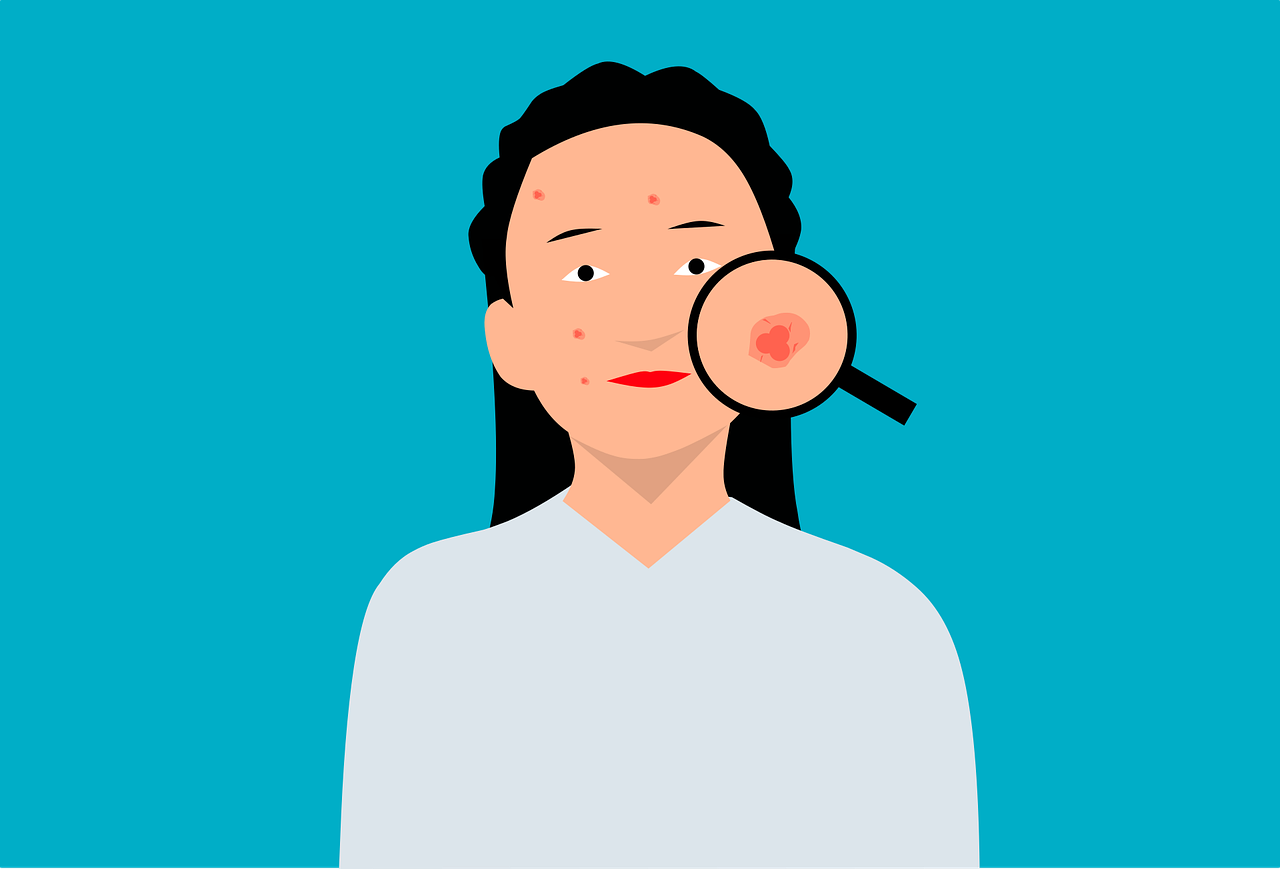
Are acne scars causing you distress? Well, fret no more. This article presents a range of effective home remedies that can help you bid adieu to those stubborn acne scars. From natural ingredients found in your kitchen cabinet to simple skincare routines, you’ll discover various easy and accessible solutions to fade those unsightly marks. Say hello to smooth, blemish-free skin by incorporating these tried-and-tested remedies into your daily skincare routine. Read on to find out how you can restore your skin’s natural beauty and regain your confidence.
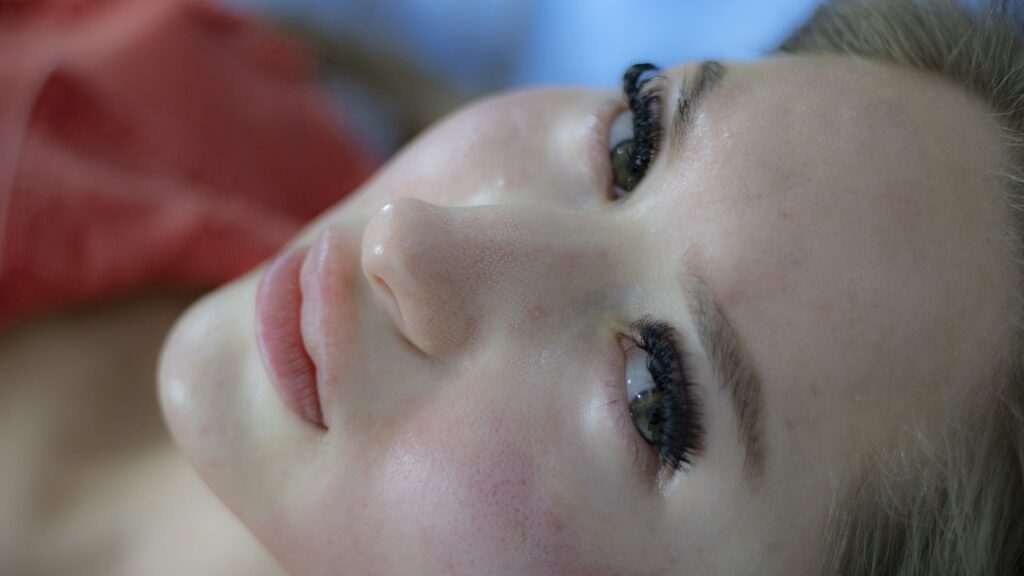
Types of Acne Scarring
Ice Pick Scars
Ice pick scars are small, deep holes in the skin that resemble the marks left by an ice pick. These scars are usually narrow and have sharp edges. They often result from severe acne, where the infection penetrates deep into the skin and damages the tissues. Ice pick scars can be challenging to treat, but there are various options available, including laser therapy and microneedling.
Boxcar Scars
Boxcar scars are wider and have more defined edges than ice pick scars. They appear as round or oval depressions on the skin’s surface and are caused by the destruction of collagen. Boxcar scars often result from inflammatory acne, such as cysts or nodules. Treatment options for boxcar scars include chemical peels, microdermabrasion, and dermal fillers.
Rolling Scars
Rolling scars are characterized by wave-like undulations on the skin’s surface. They are caused by fibrous bands pulling the skin down, creating a rolling or wavy appearance. Rolling scars are often the result of long-standing inflammatory acne. Treatment options for rolling scars include subcision, a procedure that breaks the fibrous bands, and dermal fillers to lift the depressed areas.
Understanding Acne Scarring
Causes of Acne Scarring
Acne scarring occurs when the body’s healing process is disrupted, leading to the overproduction or underproduction of collagen. The primary cause of acne scarring is the intense inflammation that results from acne breakouts. When the skin is inflamed, the body produces additional collagen to repair the damaged tissue. However, if there is an excess or deficit of collagen production, it can result in the formation of scars.
How Acne Scars Form
Acne scars form when the layers of skin are damaged during the healing process. Inflammatory acne, such as cysts or nodules, can lead to more severe scarring. When the deeper layers of the skin are affected, the healing process may result in raised or depressed scars. The type of scarring depends on several factors, including the severity of the acne, individual skin characteristics, and the body’s ability to heal.
Preventing Acne Scarring
Treating Acne Early
One of the best ways to prevent acne scarring is to treat acne as soon as it appears. By seeking prompt treatment, you can minimize inflammation and reduce the risk of scarring. Over-the-counter creams and gels containing salicylic acid or benzoyl peroxide can help in treating mild to moderate acne. However, if your acne is severe or persistent, it is recommended to consult a dermatologist for a personalized treatment plan.
Avoiding Picking or Squeezing Pimples
Picking or squeezing pimples can push the infection deeper into the skin, causing further inflammation and increasing the risk of scarring. It can also introduce bacteria from your fingers into the pimple, leading to an infection. No matter how tempting it may be, it is crucial to resist the urge to pick at your acne. Instead, focus on using gentle skincare products and following a consistent routine.
Using Non-Comedogenic Products
Non-comedogenic products are specially formulated to not clog the pores. Using non-comedogenic cleansers, moisturizers, and makeup can help prevent breakouts and reduce the risk of developing acne scars. These products are typically labeled as “non-comedogenic” or “oil-free.” By avoiding pore-clogging ingredients, you can keep your skin healthy and reduce the likelihood of acne scarring.
Natural Remedies for Acne Scarring
Aloe Vera
Aloe vera is a natural ingredient known for its soothing and healing properties. It can help reduce the appearance of acne scars by promoting skin regeneration and reducing inflammation. Applying aloe vera gel to the affected areas can moisturize the skin, fade scars, and improve overall skin texture. Regular use of aloe vera can gradually lighten acne scars and improve the overall appearance of the skin.
Lemon Juice
Lemon juice contains citric acid, which acts as a natural exfoliant and lightening agent. It can help fade acne scars and even out skin tone. However, lemon juice can be harsh, so it is essential to dilute it with water before applying it to the skin. After diluting the lemon juice, gently dab it onto the acne scars using a cotton ball and leave it for a few minutes before rinsing off with water.
Honey
Honey has antibacterial and anti-inflammatory properties, making it a beneficial natural remedy for acne scars. It can help fade scars, moisturize the skin, and promote healing. Applying a thin layer of honey to the affected areas and leaving it for about 10-15 minutes before rinsing off can help improve the appearance of acne scars over time.
Coconut Oil
Coconut oil is another natural remedy that can help reduce the appearance of acne scars. It has moisturizing properties and contains antioxidants that promote skin healing. Applying a small amount of coconut oil to the affected areas and gently massaging it into the skin can help improve the texture of acne scars and reduce redness.
Tomato
Tomatoes contain lycopene, an antioxidant that can help reduce inflammation and promote skin healing. Applying fresh tomato juice or mashed tomato to the acne scars and leaving it for about 10-15 minutes before rinsing off can help lighten scars and improve skin tone. Regular use of tomato as a natural remedy can gradually fade acne scars and improve the overall appearance of the skin.
Rosehip Seed Oil
Rosehip seed oil is rich in vitamins, antioxidants, and essential fatty acids, making it an excellent natural remedy for acne scars. It promotes skin regeneration, fades scars, and improves overall skin texture. Massaging a few drops of rosehip seed oil onto the acne scars daily can help reduce their appearance and promote a healthier-looking complexion.
Exfoliating for Acne Scarring
Chemical Exfoliation
Chemical exfoliation involves using acids, such as alpha-hydroxy acids (AHAs) or beta-hydroxy acids (BHAs), to remove dead skin cells and promote cell turnover. AHAs, such as glycolic acid and lactic acid, are effective in treating acne scars by exfoliating the upper layers of the skin. BHAs, such as salicylic acid, penetrate deeper into the pores, helping to unclog them and reduce inflammation.
Physical Exfoliation
Physical exfoliation involves using abrasive materials, such as scrubs or brushes, to physically remove dead skin cells. While physical exfoliation can be beneficial in improving skin texture, it is important to be gentle and avoid scrubbing too vigorously, as it can irritate the skin and worsen acne scars. Opt for gentle exfoliating products and use them no more than twice a week to avoid overexfoliation.
Effective Masks for Acne Scarring
Baking Soda Mask
A baking soda mask can help exfoliate the skin, reduce inflammation, and fade acne scars. Mix 1 tablespoon of baking soda with enough water to form a paste. Apply the paste to the acne scars, gently massaging it into the skin. Leave it on for 10-15 minutes before rinsing off with water. Remember to moisturize your skin afterward, as baking soda can be drying.
Turmeric Mask
Turmeric has anti-inflammatory and antioxidant properties, making it beneficial for reducing acne scars. Mix 1 teaspoon of turmeric powder with enough honey or yogurt to form a paste. Apply the paste to the affected areas, leaving it on for 15-20 minutes before rinsing off. Be cautious, as turmeric can stain the skin, so it is recommended to do a patch test before using it on your face.
Apple Cider Vinegar Mask
Apple cider vinegar has natural exfoliating properties and can help fade acne scars. Mix equal parts of apple cider vinegar and water. Apply the mixture to the acne scars using a cotton ball, leaving it on for 5-10 minutes before rinsing off. It is essential to dilute apple cider vinegar to avoid skin irritation. Start with a lower concentration of vinegar and gradually increase if needed.
Oatmeal Mask
Oatmeal can help soothe and moisturize the skin while gently exfoliating it. Mix 1 tablespoon of oatmeal with enough water or yogurt to form a paste. Apply the paste to the acne scars, leaving it on for 15-20 minutes before rinsing off. Oatmeal can be particularly beneficial for those with sensitive or dry skin, as it provides gentle exfoliation without causing irritation.
Essential Oils for Acne Scarring
Lavender Oil
Lavender oil has anti-inflammatory and antibacterial properties, making it a popular choice for treating acne scars. It can help reduce redness, promote healing, and improve the appearance of scars. Dilute a few drops of lavender oil with a carrier oil, such as coconut oil or jojoba oil, and apply it to the acne scars. Massage it gently into the skin until fully absorbed. Repeat this process daily for best results.
Tea Tree Oil
Tea tree oil is known for its antimicrobial properties, making it effective in treating acne and preventing scarring. It can reduce inflammation, promote healing, and help fade scars. Dilute a few drops of tea tree oil with a carrier oil, and apply it to the acne scars. It is important to note that tea tree oil can be irritating to some individuals, so it is recommended to do a patch test before use.
Rosemary Oil
Rosemary oil has antioxidant and anti-inflammatory properties, which can help reduce inflammation, promote healing, and fade acne scars. Dilute a few drops of rosemary oil with a carrier oil, and apply it to the affected areas. Gently massage the oil into the skin until fully absorbed. Regular use of rosemary oil can help improve the appearance of acne scars over time.
Skin Treatments for Acne Scarring
Microdermabrasion
Microdermabrasion is a non-invasive procedure that uses tiny crystals to exfoliate the skin and remove the outer layer. It stimulates collagen production, reduces the appearance of acne scars, and improves overall skin texture. During the treatment, a dermatologist or aesthetician will use a handheld device to spray and vacuum the crystals, leaving the skin smoother and more even-toned.
Chemical Peels
Chemical peels involve applying a chemical solution to the skin to exfoliate and remove the outer layers. This process promotes cell turnover and collagen production, leading to improved skin texture and reduced acne scars. There are different types of chemical peels available, ranging from superficial to deep peels. The choice of peel will depend on the severity of your acne scars and your specific skin concerns.
Microneedling
Microneedling, also known as collagen induction therapy, involves using a device with small needles to create controlled micro-injuries on the skin’s surface. This technique stimulates collagen production, helping to fill in acne scars and improve overall skin texture. Microneedling can be performed by a dermatologist or aesthetician, and multiple sessions may be required to achieve the desired results.
Laser Therapy
Laser therapy uses focused laser beams to target and destroy the scar tissue, allowing new, healthier skin to grow. It can be an effective treatment option for different types of acne scars, including ice pick scars, boxcar scars, and rolling scars. Laser therapy helps stimulate collagen production and improve skin texture. Multiple treatment sessions may be required for optimal results.
Home Remedies to Lighten Acne Scarring
Lemon Juice and Honey
A combination of lemon juice and honey can help lighten acne scars and promote skin healing. Mix equal parts of lemon juice and honey, and apply the mixture to the affected areas. Leave it on for 15-20 minutes before rinsing off with water. Lemon juice acts as a natural exfoliant and lightening agent, while honey provides moisturizing and antibacterial properties.
Potato Juice
Potatoes have natural bleaching properties that can help lighten acne scars. Extract the juice from a fresh potato and apply it to the scars using a cotton ball or a clean cloth. Leave it on for 15-20 minutes before rinsing off. Regular use of potato juice can gradually lighten acne scars and improve skin tone.
Cucumber and Aloe Vera
Cucumber and aloe vera are both known for their soothing and healing properties. Blend equal parts of cucumber and aloe vera gel to form a paste. Apply the paste to the acne scars, leaving it on for 15-20 minutes before rinsing off. This home remedy can help reduce redness, inflammation, and the appearance of acne scars.
Papaya
Papaya contains enzymes that can exfoliate the skin and promote skin cell turnover. Mash a ripe papaya and apply it to the acne scars, leaving it on for 15-20 minutes before rinsing off. Regular use of papaya can help fade acne scars and improve overall skin texture.
Maintaining a Healthy Skincare Routine
Cleansing
Cleansing the skin twice a day is essential for removing dirt, oil, and impurities that can clog the pores and contribute to acne breakouts. Use a gentle cleanser suited for your skin type and avoid harsh scrubbing, as it can worsen acne scars. Pat the skin dry with a clean towel instead of rubbing, as excessive friction can irritate the skin.
Toning
Toning is an optional step in a skincare routine but can be beneficial for acne-prone skin. Toning helps balance the skin’s pH levels and remove any remaining traces of cleanser or impurities. Look for toners that contain ingredients like witch hazel or tea tree oil, known for their astringent and antimicrobial properties. Apply the toner using a cotton pad and gently swipe it across the face.
Moisturizing
Moisturizing is crucial for all skin types, including acne-prone skin. Look for oil-free or non-comedogenic moisturizers that won’t clog the pores. Moisturizers help keep the skin hydrated, improve its barrier function, and prevent excessive dryness. Apply the moisturizer evenly to the face and neck, avoiding the eye area.
Protecting from the Sun
Sun protection is essential for preventing further damage to the skin and protecting acne scars from worsening. Use a broad-spectrum sunscreen with at least SPF 30 and apply it generously to all exposed areas of the skin. Reapply every two hours, or more frequently if sweating or spending extended periods outdoors. Wearing a wide-brimmed hat and seeking shade when the sun is at its peak can also provide additional protection.