
Do you find yourself frustrated with the appearance of your pockmarked face? Well, fret no more! In this article, we will explore the various causes behind this common skin issue and offer you practical solutions to achieve smoother, more radiant skin. Say goodbye to uneven texture and hello to a newfound confidence as we guide you through the journey towards flawless skin. So, grab your favorite beverage, sit back, and let’s get started on this exciting path to a more youthful complexion.
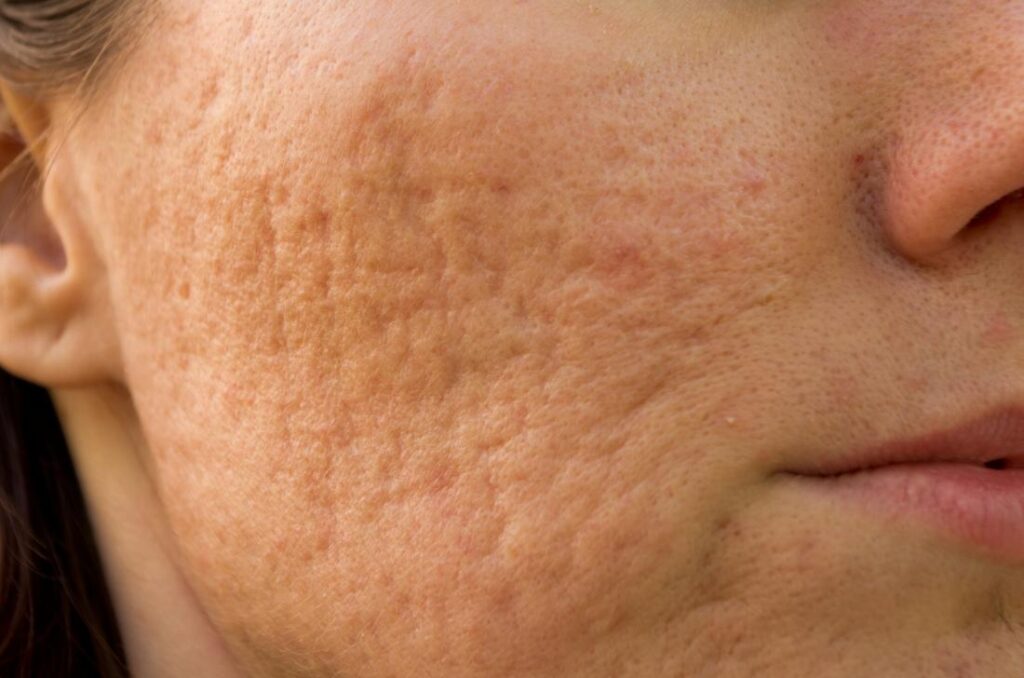
Causes of Pockmarked Face
Pockmarks, also known as acne scars or pitted scars, are depressions or indentations in the skin. They can be caused by a variety of factors, including acne, chickenpox, trauma or injury to the skin, surgical scars, and genetic factors. Understanding the different causes of pockmarked face is essential in determining the appropriate treatments and solutions to achieve smoother and more even skin.
Acne
Acne is one of the most common causes of pockmarked face. When acne lesions, such as pimples or cysts, become inflamed, they can damage the skin’s collagen and elastin fibers, leading to the formation of pitted scars. The severity and duration of acne can greatly influence the likelihood of developing pockmarks.
Chickenpox
Chickenpox, a highly contagious viral infection, can also result in pockmarks on the face. The varicella-zoster virus causes blisters to form on the skin, and if these blisters are scratched or not properly cared for, they can leave behind permanent indentations or depressions.
Trauma or Injury
Trauma or injury to the skin, such as deep cuts, burns, or lacerations, can cause pockmarks to form during the healing process. When the skin’s natural repair mechanisms are disrupted, the development of scar tissue can lead to uneven texture and pitted scars.
Surgical Scars
Surgical procedures, while necessary for various medical reasons, can also contribute to the development of pockmarked face. Depending on the type and complexity of the surgery, the incision sites can result in visible scars with an uneven texture.
Genetic Factors
Genetics play a role in the development of pockmarked face as well. Some individuals may be more prone to developing pitted scars due to inherited factors that affect collagen production and skin healing processes. While genetic factors cannot be completely eliminated, there are treatments available to minimize their appearance.
Acne as a Cause of Pockmarked Face
Acne, especially severe or untreated acne, can lead to the formation of pockmarks on the face. Understanding the types and causes of acne scars, as well as preventive measures and treatments, is crucial in addressing this specific cause of pockmarked face.
Types of Acne Scars
There are several types of acne scars that can contribute to a pockmarked face. These include ice pick scars, which are deep and narrow pits; rolling scars, characterized by wavy, uneven texture; and boxcar scars, which are broad and boxed-shaped depressions.
Causes of Acne Scars
Acne scars often form when the deeper layers of the skin, particularly the dermis, are damaged by inflammation caused by acne. The body’s healing response triggers the production of collagen, but an excessive or insufficient amount can result in the formation of pitted scars.
Methods to Prevent Acne Scarring
To prevent acne scarring and potential pockmarks, it is essential to treat acne in its early stages and minimize inflammation. Practicing good skincare habits, such as keeping the face clean, avoiding picking or squeezing pimples, and using non-comedogenic products, can help prevent further damage to the skin.
Treatments for Acne Scars
Fortunately, there are various treatments available to improve the appearance of acne scars and reduce the pockmarks on the face. These include laser resurfacing, chemical peels, microneedling, dermal fillers, and punch excision. These treatments aim to stimulate collagen production, smooth out the skin’s texture, and reduce the visibility of pockmarks caused by acne.
Chickenpox as a Cause of Pockmarked Face
Chickenpox, a common childhood viral infection, can leave behind pockmarks on the face if appropriate care is not taken during the healing process. Understanding the effects of chickenpox on the skin, prevention strategies, and treatment options is crucial for addressing pockmarks caused by this condition.
Effects of Chickenpox on the Skin
Chickenpox causes fluid-filled blisters to appear on the skin, which eventually scab over and heal. However, if these blisters are scratched or not properly cared for, they can become infected and leave behind pockmarks or depressions on the face once they heal.
Preventing Pockmarks from Chickenpox
To prevent pockmarks from chickenpox, it is important to avoid scratching or picking at the blisters. Keeping the skin clean and dry, applying calamine lotion or antihistamine creams to reduce itching, and taking oral antiviral medications prescribed by a healthcare professional can help minimize the risk of developing pockmarks.
Treating Pockmarks Caused by Chickenpox
If pockmarks have already developed as a result of chickenpox, there are treatments available to improve their appearance. These may include laser therapy, chemical peels, microneedling, and dermal fillers. Consulting with a dermatologist or skincare professional can help determine the most appropriate treatment for individual circumstances.
Trauma or Injury as a Cause of Pockmarked Face
Trauma or injury to the skin, such as cuts, burns, or surgical procedures, can lead to the formation of pockmarks during the healing process. Understanding the effects of trauma or injury on the skin, preventive measures, and possible treatments can help address pockmarks caused by these factors.
Effects of Trauma or Injury on the Skin
When the skin experiences trauma or injury, the body initiates the wound healing process, which involves the formation of scar tissue. If the healing process is disrupted or prolonged, pockmarks can develop, resulting in visible indentations or depressions on the face.
Preventing Pockmarks from Trauma or Injury
To prevent the formation of pockmarks from trauma or injury, it is important to properly clean and care for the affected area. This may involve cleaning the wound, applying appropriate dressings, and avoiding activities that could disrupt the healing process, such as picking or scratching.
Treating Pockmarks Caused by Trauma or Injury
If pockmarks have already formed due to trauma or injury, various treatment options can help improve their appearance. These may include laser resurfacing, dermal fillers, microneedling, or punch excision. Consulting with a healthcare professional or dermatologist can help determine the most suitable treatment approach.
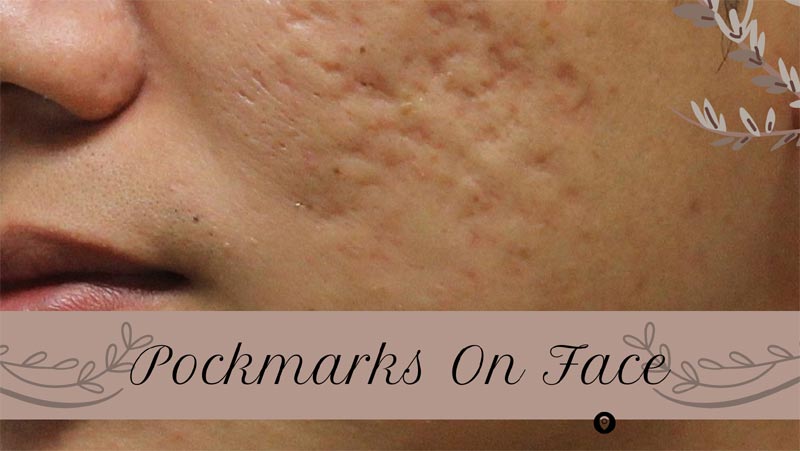
Surgical Scars as a Cause of Pockmarked Face
Surgical procedures, although necessary for various medical reasons, can result in visible scars on the face, including pockmarks. Understanding the types of surgical scars, preventive strategies, and treatment options can help minimize the appearance of pockmarks caused by surgical scars.
Types of Surgical Scars
Surgical scars can take different forms, including hypertrophic scars, which are raised and thicker than the surrounding skin, and atrophic scars, which result in depressions or pockmarks. The development of pockmarks can occur depending on the type and location of the surgical incision.
Preventing Pockmarks from Surgical Scars
To minimize the likelihood of pockmarks from surgical scars, it is vital to follow post-operative care instructions provided by the surgeon. This may involve keeping the incision site clean and dry, avoiding direct sunlight, and refraining from activities that could strain the healing skin, such as heavy lifting.
Treating Pockmarks Caused by Surgical Scars
If pockmarks have already formed as a result of surgical scars, there are treatment options available to improve their appearance. These may include laser resurfacing, dermal fillers, microneedling, or punch excision. Consulting with a healthcare professional or dermatologist can help determine the most suitable treatment approach.
Genetic Factors as a Cause of Pockmarked Face
Genetics can play a significant role in the development of pockmarked face. Understanding genetic pockmarks, the role of collagen in their formation, and available treatments can help address these specific causes of pockmarks.
Understanding Genetic Pockmarks
Genetic pockmarks are influenced by inherited factors that affect collagen production and skin healing processes. Individuals with a genetic predisposition may experience a higher likelihood of developing pockmarks, even with minimal skin trauma or inflammation.
The Role of Collagen in Genetic Pockmarks
Collagen, an essential protein that provides structure and elasticity to the skin, plays a crucial role in the development of pockmarks. Genetic factors can affect collagen production and quality, leading to the formation of pitted scars and pockmarks.
Treatments for Genetic Pockmarks
While genetic factors cannot be completely eliminated, there are treatments available to minimize the appearance of pockmarks caused by genetic factors. These may include laser therapy, microneedling, dermal fillers, and other procedures aimed at stimulating collagen production and improving the skin’s texture.
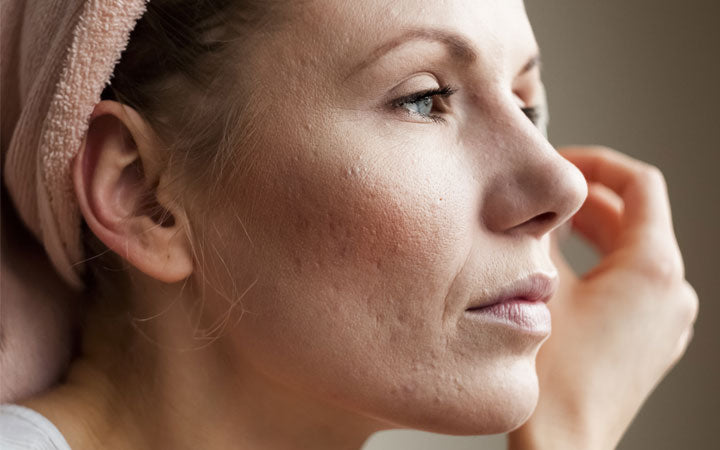
Solutions for Pockmarked Face
Dealing with a pockmarked face can be challenging, but there are various solutions available to achieve smoother skin and reduce the visibility of pockmarks. These solutions range from topical treatments to surgical procedures, as well as lifestyle changes to enhance overall skin health.
Topical Solutions
Topical solutions can be an effective first-line treatment for pockmarked face. Retinoids, chemical peels, microdermabrasion, topical antibiotics, and scar creams are some of the topical options that can help improve the appearance of pockmarks by promoting skin cell turnover, reducing inflammation, and improving collagen production.
Medical Treatments
Medical treatments, performed by healthcare professionals or dermatologists, can provide more targeted and advanced interventions for pockmarked face. Dermal fillers, laser resurfacing, microneedling, corticosteroid injections, and punch excision are some of the medical treatments available to improve the appearance of pockmarks.
Minimally Invasive Procedures
Minimally invasive procedures offer a middle ground between topical treatments and surgical procedures for pockmarked face. These procedures, such as laser therapy and microneedling, utilize advanced technologies to stimulate collagen production, promote skin rejuvenation, and reduce the visibility of pockmarks.
Surgical Procedures
In more severe cases, surgical procedures may be considered to address pockmarked face. Surgical options, such as punch excision or grafting, can help minimize the appearance of pockmarks by removing scar tissue or using skin grafts to improve the skin’s texture and contour.
Lifestyle Changes
In conjunction with medical treatments or procedures, making certain lifestyle changes can help improve overall skin health and minimize the formation of pockmarks. These lifestyle changes may include adopting a healthy diet and staying hydrated, practicing sun protection, establishing a proper skincare routine, avoiding picking or squeezing pimples, and reducing stress levels.
In conclusion, a pockmarked face can significantly impact one’s self-confidence, but understanding the causes and available solutions can help individuals achieve smoother and more even skin. Whether it is addressing acne, chickenpox, trauma or injury, surgical scars, or genetic factors, various treatments, from topical solutions to surgical procedures, can effectively reduce the visibility of pockmarks. Consulting with healthcare professionals or dermatologists is essential in determining the most appropriate approach for individual circumstances. Additionally, adopting healthy lifestyle habits can contribute to overall skin health and provide long-term benefits in maintaining a smoother and more radiant complexion.