
Have you ever wondered if acne scars will disappear over time? In this article, we will explore the long-term outcomes of acne scars and provide you with a better understanding of what to expect. Acne scars can have a significant impact on a person’s self-esteem and confidence, but knowing the potential for improvement can bring hope. So, let’s dive into the world of acne scars and explore the possibilities of their eventual disappearance.
Overview of Acne Scars
Acne scars are a common concern for many individuals who have experienced acne breakouts. These scars can have a significant impact on a person’s self-esteem and overall well-being. Understanding the causes, types, prevalence, and impact of acne scars is crucial in addressing this issue effectively. By exploring the healing process, potential treatments, and factors that influence scar persistence, individuals can gain a better understanding of their options and long-term outcomes.
Definition and Causes of Acne Scars
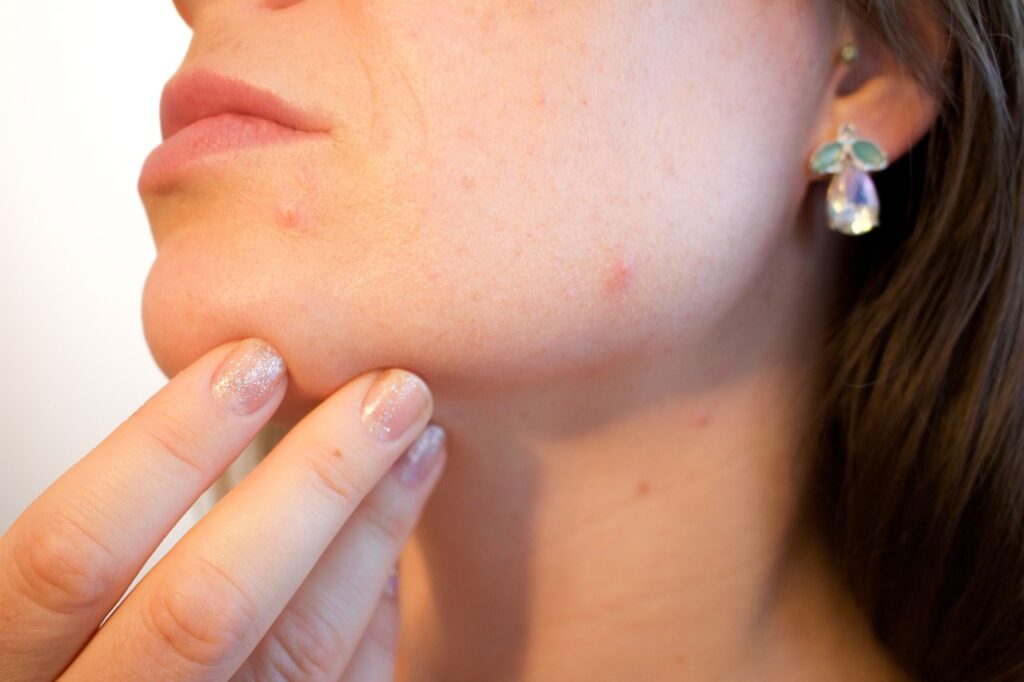
Acne scars refer to the skin’s permanent texture changes that occur as a result of the body’s healing response to acne breakouts. When the skin is inflamed due to acne, it produces collagen to repair the damaged tissue. However, this collagen may not always be evenly distributed, leading to the formation of scars. The severity of acne and how it is managed can also affect the likelihood of scarring. Factors such as genetic predisposition, hormonal imbalances, and certain medications may contribute to the development of acne scars.
Types of Acne Scars
There are several types of acne scars, each with its own distinct characteristics. Atrophic scars are depressions in the skin, often caused by a loss of tissue during the healing process. These can be further classified into ice pick scars, boxcar scars, and rolling scars. Hypertrophic scars, on the other hand, result from an overproduction of collagen during the healing process, leading to raised scars. Understanding the specific type of acne scars one has is important, as it can help determine the most appropriate treatment approach.
Prevalence and Impact of Acne Scars
Acne scars are a prevalent issue, affecting millions of individuals worldwide. According to studies, acne scars may be present in up to 95% of individuals who have experienced moderate to severe acne. The impact of acne scars extends beyond physical appearance, with many individuals experiencing emotional distress, reduced self-esteem, and negative body image as a result. The psychological effects of acne scars should not be overlooked, as they can significantly impact an individual’s quality of life.
The Healing Process of Acne Scars
Understanding the healing process of acne scars can shed light on the factors that influence scar formation, healing, and potential fade over time.
Phases of Scar Formation
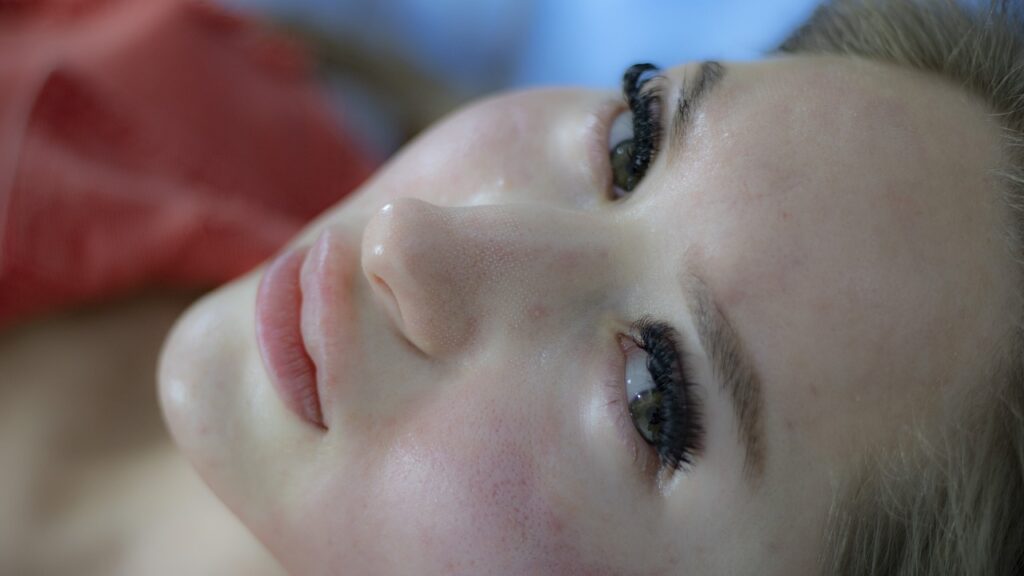
The formation of acne scars typically occurs in three phases: inflammatory, proliferative, and remodeling. During the inflammatory phase, the skin experiences inflammation and the body initiates the healing process. The proliferative phase involves the production of new collagen to repair the damaged tissue. Lastly, in the remodeling phase, the collagen fibers reorganize to form a structure closer to the original skin.
Factors Affecting Scar Healing
Several factors can influence the healing of acne scars. The severity and duration of the acne breakouts play a role, with more severe and prolonged acne often leading to more pronounced scarring. Other factors include individual healing capacity, genetic predisposition, and the presence of underlying medical conditions. Additionally, lifestyle choices such as smoking, sun exposure, and poor skincare practices can impede the healing process and contribute to scar persistence.
Timeframe for Scar Maturation
The maturation process of acne scars can vary significantly from person to person. It typically takes several months to a year for scars to mature fully, during which they may undergo changes in appearance, texture, and color. This maturation period is crucial to consider when evaluating the progress of scar treatment and determining realistic expectations for scar improvement.
Can Acne Scars Fade Over Time?
The fade of acne scars over time can be influenced by various factors, including natural healing processes, topical treatments, and invasive procedures.
Natural Healing and Fade
In some cases, acne scars may naturally fade over time as the skin undergoes its normal healing and renewal processes. However, the extent of natural fading can vary widely, and some scars may remain visible despite the passage of time. Additionally, the effectiveness of natural healing in scar fade can be influenced by factors such as scar type, severity, and individual healing capacity.
Effectiveness of Topical Treatments
Topical treatments, such as creams, gels, and serums, can help promote scar fade by targeting specific aspects of scar formation and healing. Ingredients like retinoids, vitamin C, and hyaluronic acid have shown promise in improving the appearance of acne scars. However, the effectiveness of topical treatments can vary depending on factors such as scar type, how well the product is absorbed into the skin, and individual response.
Invasive Procedures for Scar Improvement
For more severe or stubborn acne scars, invasive procedures may be necessary to achieve significant improvement. These procedures include laser treatments, chemical peels, microdermabrasion, and dermal fillers. These interventions can help stimulate collagen remodeling, resurface the skin, and improve the overall texture and appearance of acne scars. It is essential to consult with a qualified professional to determine which procedure is most suitable based on individual needs and circumstances.
Common Myths About Acne Scars
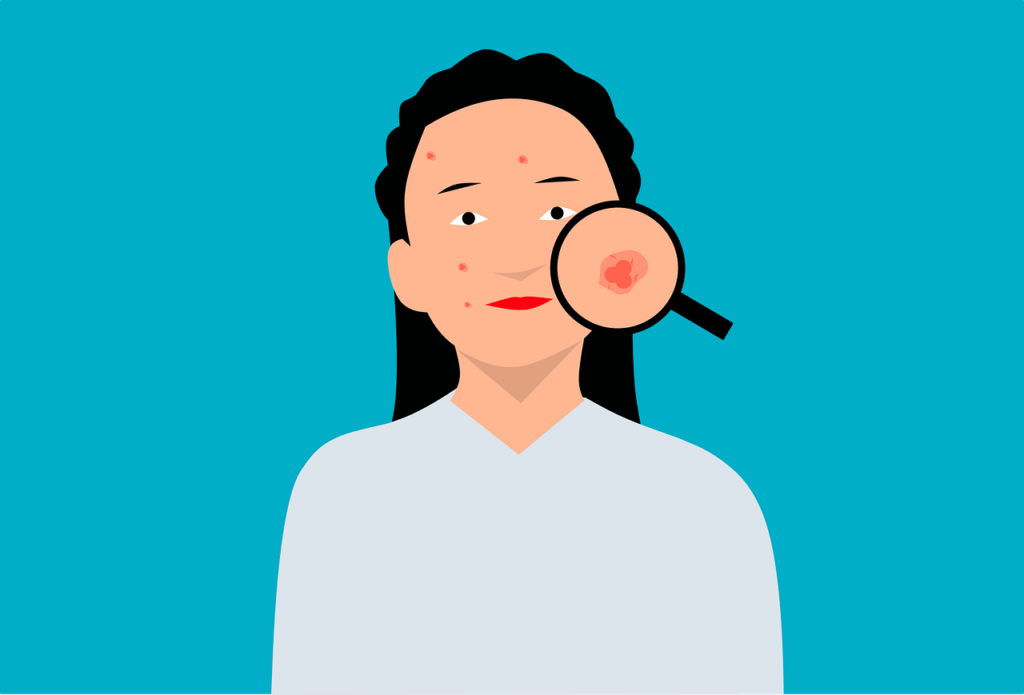
There are several misconceptions surrounding acne scars that deserve clarification to avoid spreading misinformation and ensure individuals have realistic expectations.
Myth: Acne Scars Always Go Away on Their Own
Contrary to popular belief, not all acne scars go away on their own. While some scars may fade naturally over time, others may persist indefinitely without proper intervention. It is essential to consult with a skincare professional to explore treatment options if scarring is a concern.
Myth: Only Severe Acne Causes Scarring
Acne scarring can occur regardless of the severity of acne breakouts. While more severe acne may increase the likelihood of scarring, even mild or moderate acne can leave behind scars. Treating acne promptly and effectively can help minimize the risk of scarring, regardless of its severity.
Myth: Acne Scars Cannot Be Treated
Advancements in skincare and dermatology have led to various treatment options for acne scars. While it may not be possible to completely eliminate all scars, significant improvement can often be achieved with the right approach. Depending on the type and severity of acne scars, several treatment modalities exist to minimize their appearance and restore smoother, more even skin.
Factors Influencing Scar Persistence
The persistence of acne scars can be influenced by a variety of factors, including the severity and type of acne, individual healing capacity, and skin type and ethnicity.
Severity and Type of Acne
The severity of acne breakouts can have a direct impact on the likelihood and severity of scarring. More severe forms of acne, such as cystic acne, tend to cause deeper and more extensive scarring. Additionally, the specific type of acne lesions, such as inflammatory papules, pustules, or nodules, can affect the risk of scarring.
Skin Type and Ethnicity
Different skin types and ethnicities may exhibit variations in scar formation and healing. For example, individuals with darker skin tones may be more prone to developing pigmentation changes or keloid scars. Understanding these variations can help tailor treatment approaches to address the specific needs of different skin types and ethnicities.
Individual Healing Capacity
Each individual’s healing capacity can vary, influencing the degree to which scars may fade or persist. Factors such as age, overall health, and the presence of other health conditions can impact how efficiently the body repairs and remodels scar tissue. It is important to have realistic expectations and work with healthcare professionals to devise a personalized treatment plan that considers individual healing capacity.
Professionals Who Can Help with Acne Scars
When it comes to addressing acne scars, there are several healthcare professionals who specialize in scar treatment and can provide guidance and expertise.
Dermatologists
Dermatologists are medical doctors who specialize in the diagnosis and treatment of skin conditions, including acne scars. They can assess the specific type and severity of scars, provide recommendations for treatment, and perform procedures such as laser treatments or chemical peels.
Plastic Surgeons
Plastic surgeons are experts in both reconstructive and cosmetic surgical procedures. They can provide surgical intervention for more severe acne scars, such as scar excisions or subcision. Plastic surgeons may also offer non-surgical options, such as injectable fillers, to improve the appearance of scars.
Aesthetic Practitioners
Aesthetic practitioners, such as medical aestheticians, cosmetic nurses, or skincare specialists, can provide non-surgical treatments for acne scars. They can administer procedures such as microneedling, chemical peels, or laser treatments to address the specific concerns of individuals with acne scars.
Preventing and Minimizing Acne Scars
While effective treatment options exist for acne scars, taking preventive measures and minimizing acne breakouts can greatly reduce the risk of scarring.
Early Acne Treatment
Treating acne promptly and effectively is crucial in preventing the formation of acne scars. By working with a dermatologist or skincare professional, individuals can develop a customized treatment plan that targets the underlying causes of acne and minimizes inflammation to prevent scar formation.
Avoiding Picking or Squeezing Acne
Picking or squeezing acne lesions can worsen inflammation, damage the surrounding tissue, and increase the likelihood of scar formation. It is important to resist the urge to squeeze or pop pimples, as this can lead to long-lasting scars. Instead, individuals should opt for gentle skincare practices and consult professionals for proper extraction techniques, if necessary.
Sun Protection for Scar Prevention
Protecting the skin from sun exposure is essential in scar prevention. Sun damage can worsen the appearance of scars, contribute to hyperpigmentation, and delay the natural healing process. By consistently using broad-spectrum sunscreen and wearing protective clothing, individuals can minimize the risk of further damage to the skin and optimize scar healing.
Psychological Effects of Acne Scars
The psychological impact of acne scars should not be underestimated, as they can significantly affect an individual’s self-esteem, body image, and overall mental health.
Impact on Self-esteem and Body Image
Acne scars can have a profound impact on an individual’s self-esteem and body image. The visible reminders of past acne breakouts can lead to feelings of insecurity, social anxiety, and a negative self-perception. This can affect relationships, professional opportunities, and overall quality of life.
Emotional Consequences and Mental Health
The emotional consequences of acne scars can extend beyond self-esteem issues. Many individuals with acne scars also experience depression, anxiety, and a reduced overall sense of well-being. Addressing the emotional impact of acne scars is essential for individuals to regain confidence and improve their mental health.
Addressing Psychological Effects
It is crucial to address the psychological effects of acne scars by seeking support from healthcare professionals and mental health experts. Counseling or therapy can help individuals develop coping strategies, improve self-acceptance, and address any underlying emotional issues related to their scars. Building a support network and engaging in self-care activities can also contribute to improved psychological well-being.
Long-term Outlook and Realistic Expectations
When considering treatment options for acne scars, it is important to maintain realistic expectations and understand the potential challenges and limitations.
Success Stories of Scar Improvement
Many individuals have achieved significant improvement in the appearance of their acne scars through various treatment approaches. With time, patience, and consistent adherence to recommended treatments, individuals can often achieve a noticeable reduction in scar visibility and improvement in overall skin texture.
Challenges and Limitations of Scar Treatment
Acne scars can be challenging to treat, and complete elimination may not always be possible. Factors such as scar type, severity, and individual healing capacity can influence treatment outcomes. Additionally, the number of treatment sessions or procedures required, as well as the cost involved, can be considerations when exploring scar treatment options.
Importance of Individualized Approach
The success of scar treatment often relies on an individualized approach that takes into account the unique characteristics and needs of each individual. Working closely with healthcare professionals who specialize in scar treatment is essential in developing a tailored plan that maximizes results while considering individual limitations and preferences.
Conclusion
Acne scars can have a significant impact on an individual’s life, both physically and emotionally. Understanding the causes, types, prevalence, and potential treatments for acne scars is important for individuals seeking to improve their skin’s appearance and address the psychological effects of scarring. By exploring the healing process, preventative measures, and available treatment options, individuals can make informed decisions and work towards achieving realistic and satisfactory long-term outcomes. Remember, each person’s journey with acne scars is unique, and with the right support and expertise, significant improvement is often achievable.