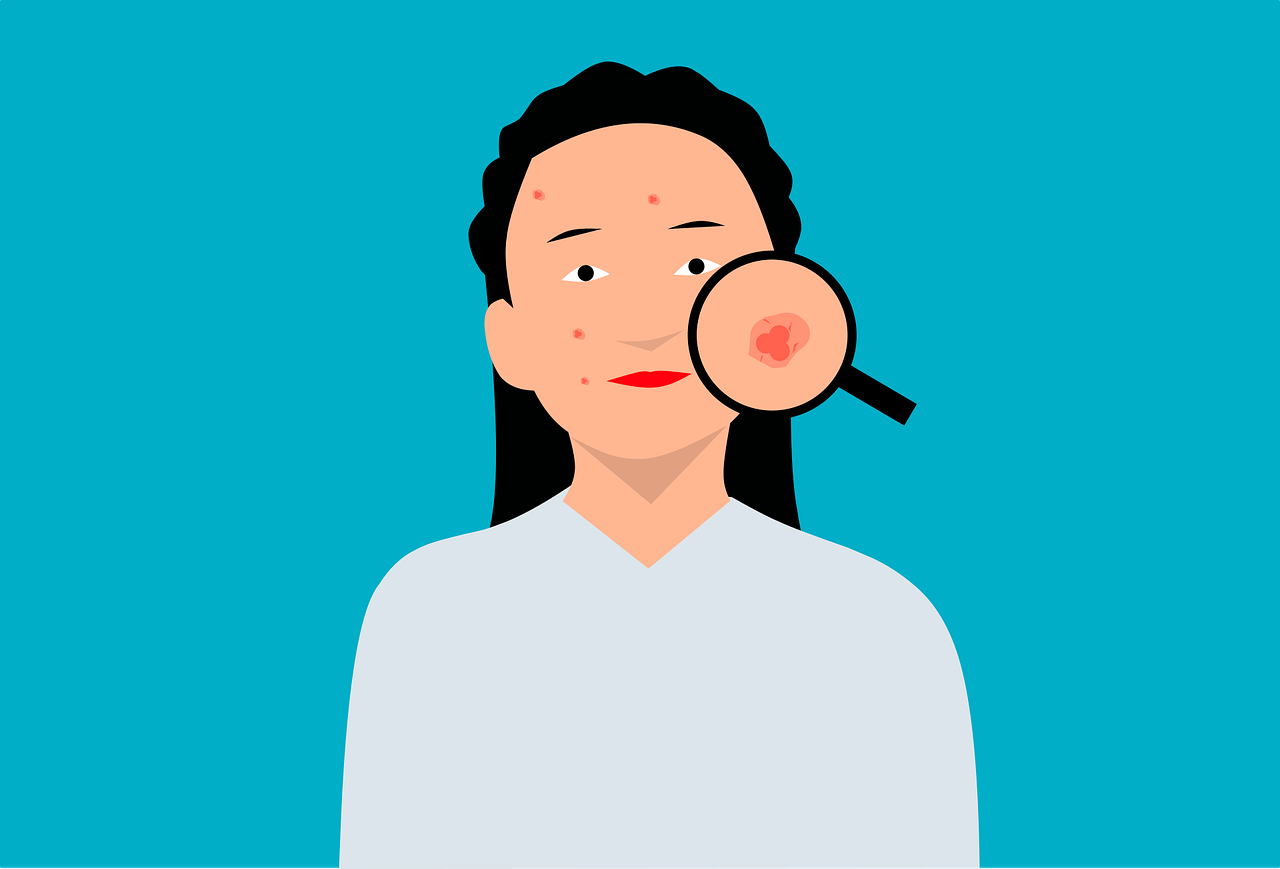
Imagine looking in the mirror and feeling self-conscious about the acne scars that mar your face. It’s a struggle that many have faced, but today, we’re here to share stories of transformation and inspiration. In this article, we will take you on a journey through the before and after photos of individuals who have successfully overcome their acne scars. From learning about their skincare routines to discovering the treatments that have made a difference, get ready to be inspired by these incredible transformations. Get ready to say goodbye to insecurity and hello to confidence!
The emotional impact of acne scars
How acne scars can affect self-confidence
Acne scars can significantly impact one’s self-confidence. They serve as a constant reminder of past struggles with acne, and for many individuals, they can be a source of shame and embarrassment. When you have acne scars, it’s natural to feel self-conscious about your appearance and worry about what others may think of you. These feelings can lead to a loss of self-esteem and a reluctance to engage in social activities or be in situations where your scars may be exposed.
The psychological toll of living with acne scars
Living with acne scars can take a toll on your psychological well-being. It is not uncommon for individuals with acne scars to experience feelings of frustration, sadness, and even depression. The presence of scars can serve as a constant reminder of past acne struggles, causing negative thoughts and emotions. It can also lead to social anxiety, as individuals may fear judgment or rejection due to their scars. The psychological impact of acne scars should not be underestimated, as it can affect all aspects of one’s life – from personal relationships to professional aspirations.
The importance of addressing emotional scars alongside physical scars
Addressing the emotional scars associated with acne scars is just as important as treating the physical scars themselves. While it is crucial to seek appropriate medical treatments for acne scars, taking care of your mental and emotional well-being should not be neglected. Engaging in self-care activities, seeking support from friends and family, and considering therapy or counseling can be valuable steps towards recovery. By acknowledging and addressing the emotional toll of living with acne scars, you can begin the journey towards self-acceptance and embracing your natural beauty.
Understanding acne scars
Different types of acne scars
Acne scars are not a one-size-fits-all condition, as there are different types that can vary in appearance and severity. The most common types of acne scars include atrophic scars, which are shallow depressions in the skin, and hypertrophic scars, which are raised, thickened areas of scar tissue. Other types include ice pick scars, boxcar scars, and rolling scars, each characterized by unique shapes and depths. Understanding the type of acne scars you have is essential in determining the appropriate treatment plan.
Causes of acne scars
Acne scars are a result of the skin’s natural healing process after severe or prolonged acne breakouts. When acne lesions penetrate deep into the skin, they can damage the collagen and elastin fibers, leading to the formation of scars. Factors that contribute to the development of acne scars include genetics, severe acne, picking or popping pimples, and delayed or ineffective treatment. It is important to note that not everyone who experiences acne will develop scars, as individual skin healing capabilities play a significant role.
Factors that affect the severity of acne scars
Several factors can contribute to the severity of acne scars. The depth and duration of acne breakouts, as well as the extent of inflammation, play a role in determining the severity of scarring. Additionally, individual skin characteristics, such as collagen production and healing capabilities, can influence how scars form and heal. It is also worth noting that improper treatment or manipulation of acne lesions can worsen scarring. Understanding these factors can help individuals take necessary precautions and seek appropriate treatments to minimize acne scars.
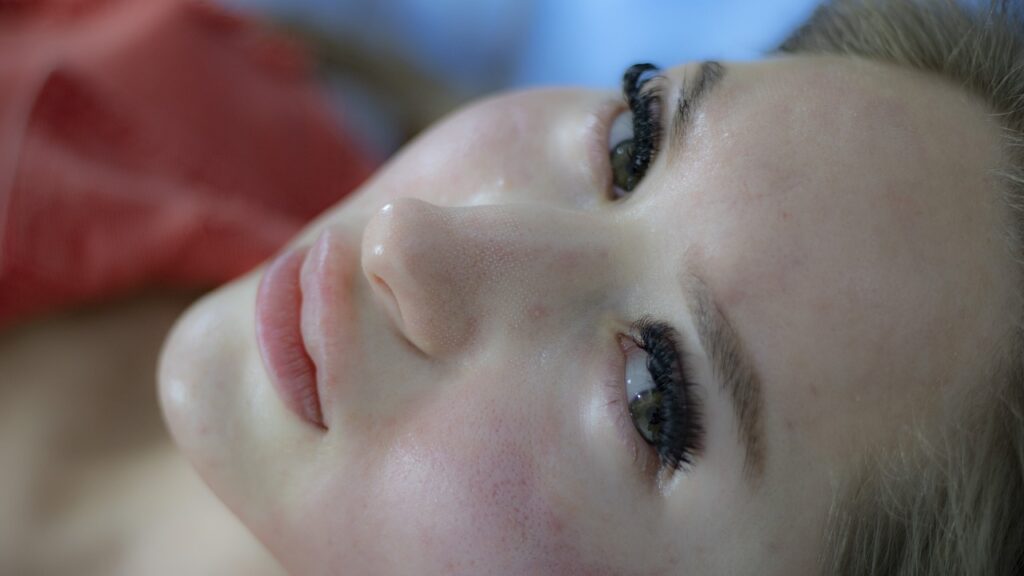
Traditional treatments for acne scars
Topical creams and ointments
Topical creams and ointments are commonly used in the treatment of acne scars. These products often contain ingredients such as retinoids, vitamin C, and hydroquinone, which can help improve skin texture, reduce discoloration, and promote collagen production. While topical treatments may be effective for mild acne scars, more severe or deep scars may require additional interventions.
Chemical peels
Chemical peels involve the application of a chemical solution to the skin, which causes controlled damage and peeling. This process stimulates the growth of new skin, reducing the appearance of acne scars. Different types of chemical peels, such as alpha hydroxy acids (AHAs) and trichloroacetic acid (TCA) peels, can be used depending on the severity of the scars. Multiple sessions may be needed to achieve optimal results.
Microdermabrasion
Microdermabrasion is a non-invasive procedure that involves exfoliating the outer layer of the skin using a handheld device. This process helps improve skin texture and reduce the appearance of shallow acne scars. Microdermabrasion stimulates collagen production and enhances skin cell turnover, resulting in a smoother complexion. However, it may not be suitable for deep or severe acne scars.
Dermarolling
Dermarolling, also known as microneedling, is a procedure that uses a roller device with tiny needles to induce controlled micro-injuries to the skin. These micro-injuries trigger the skin’s natural healing process, stimulating collagen production and helping improve the appearance of acne scars. Dermarolling is available in both professional and at-home versions, although professional treatments may yield better results for more severe scarring.
Laser resurfacing
Laser resurfacing is a popular treatment for acne scars that involves using laser technology to remove the outer layer of damaged skin. This process promotes collagen remodeling and stimulates the growth of new, healthy skin cells. Different types of lasers, such as fractional lasers and CO2 lasers, can be used depending on the depth and severity of acne scars. Laser resurfacing can offer significant improvements in scar appearance, but multiple sessions may be required for optimal results.
The rise of non-invasive treatments
Microneedling with PRP
Microneedling with platelet-rich plasma (PRP) is a non-invasive treatment option that has gained popularity in recent years. This procedure combines microneedling with the application of PRP, which is derived from the patient’s own blood and contains growth factors that promote healing and collagen production. Microneedling with PRP can help improve the appearance of acne scars, stimulate skin rejuvenation, and enhance overall skin texture.
Fractional laser therapy
Fractional laser therapy is a non-invasive treatment that utilizes laser energy to target specific areas of the skin, leaving surrounding healthy tissue intact. This approach promotes collagen remodeling and the production of new skin cells, resulting in improved skin texture and reduced acne scar appearance. Fractional laser therapy offers less downtime and discomfort compared to traditional laser resurfacing, making it a popular choice for individuals seeking non-invasive treatments.
Injectable fillers
Injectable fillers, such as hyaluronic acid or collagen stimulators, can be used to temporarily fill in depressed acne scars. These fillers help elevate the scarred areas, resulting in smoother skin texture. Although the effects of injectable fillers may be temporary, they can provide immediate improvement in the appearance of acne scars. It is worth noting that fillers are more suitable for atrophic scars and may not be effective for raised or hypertrophic scars.
Radiofrequency microneedling
Radiofrequency microneedling combines microneedling with the application of radiofrequency energy to the skin. This combination treatment stimulates collagen production, tightens the skin, and improves the appearance of acne scars. Radiofrequency microneedling is an effective non-invasive option that can offer long-lasting results for individuals with different types of acne scars.
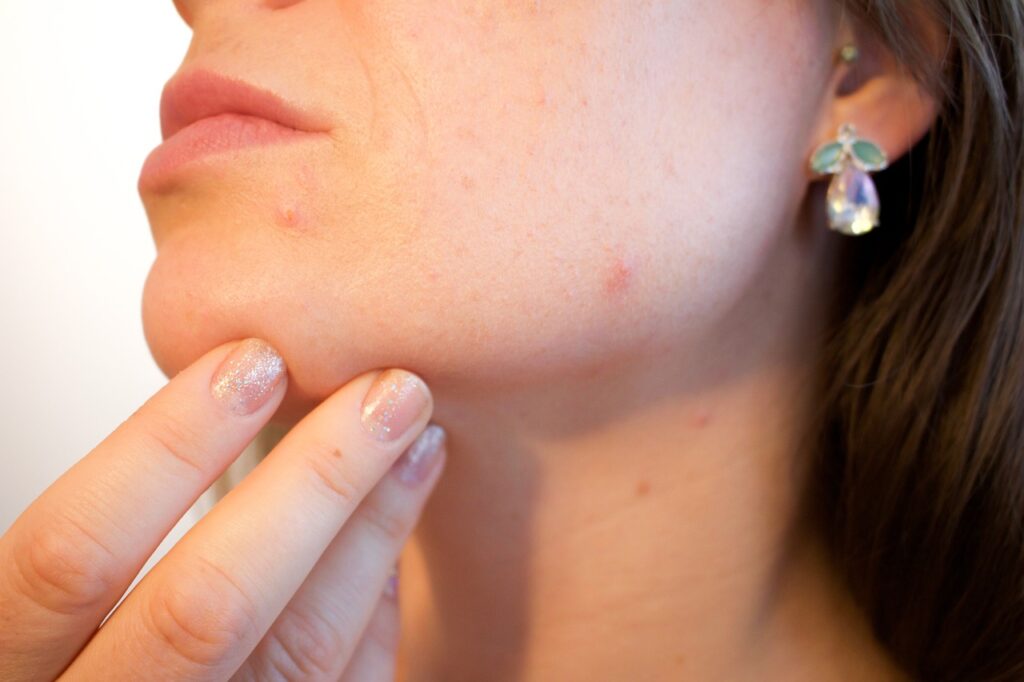
Success stories: Before and after photos
Case study 1: Overcoming severe acne scars
In this case study, a patient with severe acne scars underwent a series of laser resurfacing treatments. Before treatment, the patient had deep, pitted acne scars that significantly impacted their self-esteem. After multiple sessions, the patient’s scars were visibly reduced, and their skin texture had greatly improved. The transformative results not only improved the patient’s physical appearance but also had a positive impact on their self-confidence and overall well-being.
Case study 2: Treating deep icepick scars
In this case study, a patient with deep icepick scars sought treatment options to address their skin concerns. The patient underwent a combination of dermarolling and microneedling with PRP treatments. Over time, the icepick scars became less noticeable, and the patient experienced smoother and more even skin texture. This success story demonstrates the effectiveness of non-invasive treatments in improving the appearance of deep acne scars.
Case study 3: Improving texture and pigmentation issues
This case study focused on a patient with acne scars that resulted in uneven skin texture and pigmentation issues. The patient underwent a series of chemical peels and microdermabrasion treatments to address their concerns. After undergoing these procedures, the patient’s skin texture became smoother, and the pigmentation issues significantly improved. This success story highlights the power of traditional treatments in achieving a more uniform complexion.
The transformative power of skincare
Choosing the right skincare products for acne scars
When dealing with acne scars, it is important to choose skincare products that are specifically formulated to target scar appearance. Look for products that contain ingredients such as retinol, vitamin C, and niacinamide, as these can help promote collagen production, fade discoloration, and improve overall skin texture. Additionally, opt for products that are suitable for your skin type and incorporate sunscreen into your daily skincare routine to protect the skin from further damage.
The role of exfoliation and antioxidants
Exfoliation is a crucial step in any skincare routine for acne scars. Regular exfoliation helps remove dead skin cells, allowing new skin cells to surface and promote scar healing. Additionally, incorporating antioxidants into your skincare regimen can help protect the skin from free radicals and support its healing process. Look for products containing ingredients like vitamin E, green tea extract, and rosehip oil to provide antioxidant benefits to your skin.
Ingredients to look for in scar treatment products
When choosing scar treatment products, keep an eye out for specific ingredients that have been proven to be effective in reducing the appearance of acne scars. Retinol and retinoids help promote collagen production and improve skin cell turnover, leading to smoother skin texture. Vitamin C is a powerful antioxidant that can help fade discoloration and even out skin tone. Niacinamide is another ingredient that aids in reducing hyperpigmentation and improving overall skin texture. Incorporating these ingredients into your skincare routine can help address acne scars effectively.
Lifestyle changes for healthier skin
The impact of diet on acne and scarring
While there is no direct link between diet and acne scars, maintaining a healthy diet can contribute to overall skin health and support the healing process. Consuming a balanced diet rich in fruits, vegetables, whole grains, and lean proteins can provide essential nutrients that promote skin healing and collagen production. Additionally, staying hydrated and limiting the consumption of processed foods, sugary beverages, and excessive amounts of dairy can potentially improve acne and support scar healing.
The importance of sunscreen in preventing scars
Sunscreen is a crucial element in preventing scars from worsening or becoming more noticeable. UV rays can cause hyperpigmentation and darken existing acne scars, making them more prominent. Applying a broad-spectrum sunscreen with a minimum SPF of 30 daily can protect the skin from harmful UV rays and help prevent further discoloration or damage to acne scars. Remember to reapply sunscreen throughout the day, especially when spending extended periods outdoors.
The role of stress management in promoting skin healing
Stress is known to aggravate acne breakouts and impair the skin’s healing process. Finding healthy ways to manage stress can not only help prevent further acne flare-ups but also support the healing of existing acne scars. Engaging in regular exercise, practicing relaxation techniques such as meditation or yoga, and seeking emotional support from loved ones can all contribute to stress reduction and promote overall skin healing.
Celebrating diversity and natural beauty
Promoting inclusivity and self-acceptance
In a world that often idealizes flawless skin, promoting inclusivity and self-acceptance for individuals with acne scars is essential. Embracing diversity and celebrating natural beauty means challenging societal beauty standards and recognizing the beauty in imperfections. By shifting our focus towards accepting and celebrating our individual uniqueness, we can create a more inclusive and positive environment for everyone, regardless of their skin appearance.
Spotlight on individuals embracing their acne scars
There are countless inspiring individuals who have chosen to embrace their acne scars and share their journeys with others. By highlighting these stories, we can help normalize acne scars and inspire others who may be struggling with their own insecurities. These individuals boldly showcase their scars, demonstrating that beauty comes in all forms and encouraging others to love themselves unconditionally.
Encouraging a positive body image in the age of social media
In the age of social media, where filters and photo editing are prevalent, it can be challenging to maintain a positive body image. However, promoting body positivity and self-love is crucial in nurturing a healthy relationship with our own appearance. Encouraging real and authentic representations of individuals with acne scars can help reshape beauty standards and foster a more inclusive and accepting society.
Advice from skincare professionals
Tips on finding the right acne scar treatment
Finding the right acne scar treatment can be overwhelming, considering the variety of options available. It is essential to consult with a skincare professional or dermatologist who can assess your specific skin concerns and recommend personalized treatment approaches. They can guide you in understanding the most suitable treatments for your acne scars, taking into account factors such as scar type, severity, and individual skin characteristics.
The importance of consulting a dermatologist
While there are numerous over-the-counter products and non-invasive treatments available for acne scars, it is crucial to seek guidance from a dermatologist. Dermatologists are medical professionals with specialized knowledge and experience in treating skin conditions. They can provide expert advice, diagnose specific types of acne scars, and recommend appropriate treatments that can yield the best results for your unique needs.
Combining different treatments for optimal results
In many cases, combining different treatments can yield optimal results in reducing the appearance of acne scars. Your dermatologist can create a customized treatment plan that may include a combination of topical creams, in-office procedures, and at-home skincare regimens. By utilizing a multidimensional approach, you can target different aspects of acne scars and optimize the results for smoother, healthier-looking skin.
Inspiring others to embrace their scars
Sharing personal stories of overcoming acne scars
Sharing personal stories of overcoming acne scars can be a powerful tool in inspiring and empowering others. Individuals who have successfully navigated their acne scar journey can provide hope and encouragement to those currently struggling. By sharing the challenges faced, the progress made, and the lessons learned, individuals can inspire resilience and self-acceptance in others who may be on a similar path.
Supporting and empowering others with similar experiences
Supporting and empowering others with similar experiences is crucial in fostering a sense of community and understanding. Platforms, both online and offline, that bring individuals with acne scars together can provide a safe space for sharing, learning, and finding solace. Engaging in conversations, offering advice, and showing empathy can make a significant difference in someone’s journey towards self-acceptance and embracing their scars.
Promoting self-love and body positivity
Promoting self-love and body positivity goes beyond acne scars and encompasses all aspects of body image and self-acceptance. By encouraging individuals to embrace their unique qualities and emphasizing the importance of loving themselves unconditionally, we can create a culture of positivity and acceptance. Acknowledging that our worth is not defined by our physical appearance allows individuals to focus on their inner beauty and lead fulfilling lives.
In conclusion, acne scars can have a significant emotional impact on individuals, affecting their self-confidence and overall well-being. Understanding the different types of acne scars and the factors that contribute to their severity is crucial in determining appropriate treatment options. Traditional and non-invasive treatments, along with skincare and lifestyle changes, can help reduce the appearance of acne scars and promote healing. By embracing diversity, promoting inclusivity, and sharing inspirational stories, we can create an environment that celebrates natural beauty and encourages self-love and body positivity. Remember, your scars do not define you – they are a testament to your strength and resilience. Embrace them, for they are a part of your unique story.