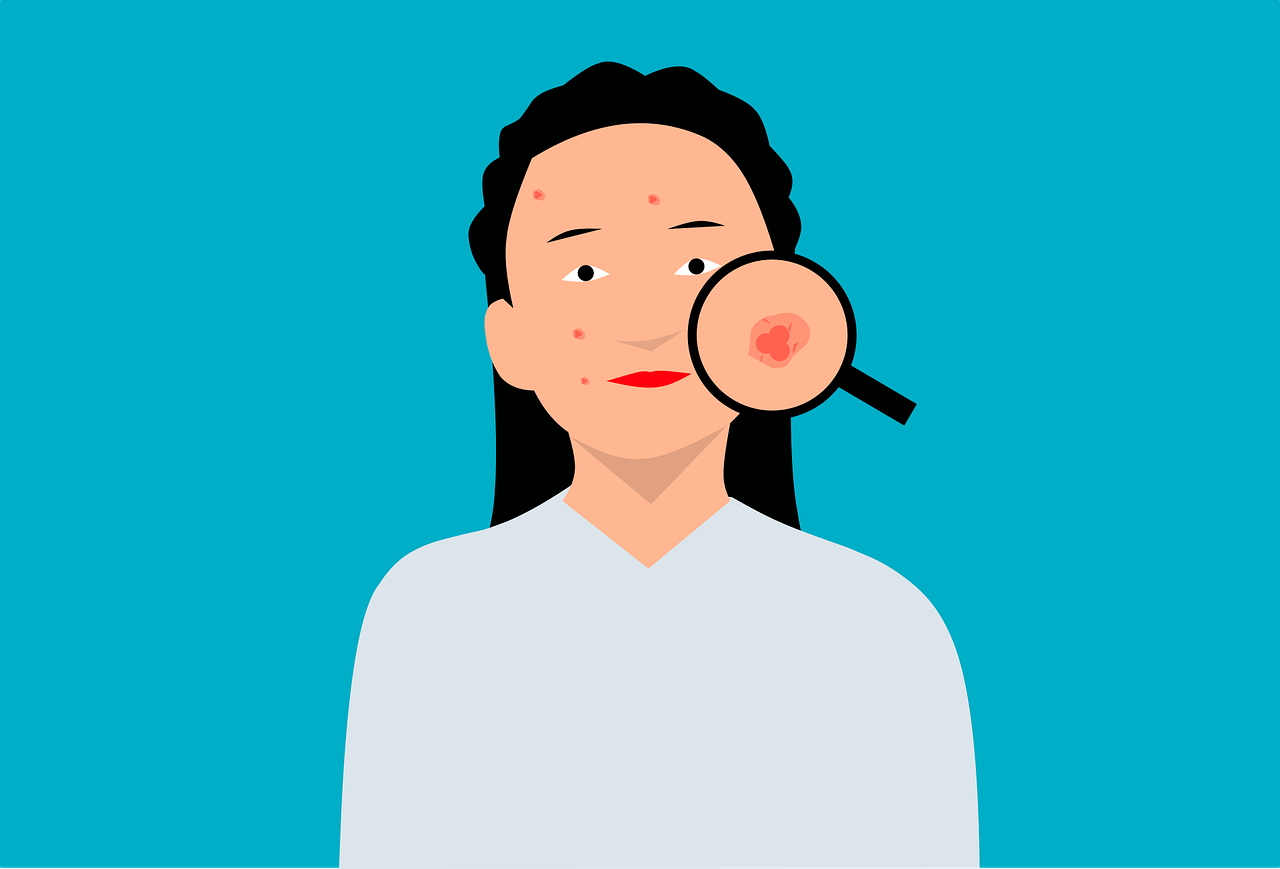
Are pesky pimples taking a toll on your confidence? Look no further! In this article, we will guide you on how to safely and effectively banish those annoying zits. With our helpful tips and expert advice, you’ll soon be on your way to clear, smooth, and blemish-free skin. Say goodbye to pimples and hello to a radiant complexion!
Understanding Acne
Acne is a common skin condition that affects many people of all ages. It is particularly prevalent during adolescence, but can also persist into adulthood. Understanding the causes and types of acne is the first step towards effectively managing and treating it.
Common causes of acne
There are several factors that contribute to the development of acne. One of the main causes is the overproduction of oil by the sebaceous glands in the skin. This excess oil, along with dead skin cells, can clog the pores, leading to the formation of pimples. Hormonal changes, particularly during puberty, can also contribute to acne. Additionally, certain medications, stress, and an unhealthy diet high in sugars and fats may worsen acne.
Different types of acne
Acne can manifest in various forms, with each type having its own distinct characteristics. The most common types of acne include:
- Whiteheads: These small, flesh-colored bumps occur when pores are clogged with oil and dead skin cells that haven’t reached the surface of the skin.
- Blackheads: Similar to whiteheads, blackheads are also formed when pores are clogged, but in this case, the clogged material is exposed to air, causing it to darken.
- Papules: These are small, red bumps that can be tender to the touch. They occur when the walls of the pores break down due to inflammation.
- Pustules: Pustules are similar to papules, but they contain pus, which gives them a white or yellowish appearance.
- Nodules: Nodules are large, painful, and deep-seated bumps that form beneath the surface of the skin. They can be quite stubborn to treat.
- Cysts: Cysts are the most severe form of acne and are characterized by large, pus-filled lesions that are often painful and prone to scarring.
The acne-prone skin
Acne-prone skin is more susceptible to developing pimples due to its tendency to produce excess oil. People with acne-prone skin often have larger pores, which makes them more prone to clogging. This can lead to the accumulation of bacteria and inflammation, resulting in breakouts. It’s important to note that acne-prone skin can occur in any skin type, whether it’s dry, oily, or combination.
The role of hormones in acne
Hormonal changes play a significant role in the development of acne, particularly during puberty. During this time, an increase in androgen hormones stimulates the sebaceous glands to produce more oil. This excess oil, combined with the shedding of dead skin cells, can contribute to clogged pores and the development of acne. Hormonal fluctuations can also occur during the menstrual cycle, pregnancy, and menopause, leading to breakouts in women. Understanding the hormonal component of acne can help in tailoring treatments and managing flare-ups effectively.
Preventing Pimples
Prevention is key when it comes to managing acne. By adopting some simple habits and incorporating them into your daily routine, you can significantly reduce the likelihood of developing pimples.
Maintain a good skincare routine
Establishing a consistent skincare routine is essential for preventing pimples. Start by washing your face twice a day with a gentle cleanser to remove any dirt, oil, and impurities that can clog your pores. Be sure to choose skincare products that are suitable for your skin type.
Cleanse your skin regularly
Regularly cleansing your skin helps to keep it clean and free from bacteria and excess oil. Use a gentle cleanser and avoid harsh scrubbing, as this can irritate the skin and exacerbate acne. After cleansing, pat your skin dry with a clean towel rather than rubbing it, as this can further irritate the skin.
Avoid touching your face
Our hands come into contact with numerous surfaces throughout the day, picking up bacteria and dirt along the way. Touching your face can transfer these impurities onto your skin, potentially leading to breakouts. Avoid touching your face as much as possible, and if you need to touch it, make sure your hands are clean.
Use non-comedogenic products
Non-comedogenic products are formulated in a way that they do not clog pores or contribute to the development of acne. Look for skincare and makeup products labeled as non-comedogenic to minimize the risk of pore blockage. These products are specifically designed to be suitable for acne-prone skin.
DIY Home Remedies
When it comes to banishing pimples, natural DIY home remedies can be a helpful addition to your skincare routine. While they may not be as potent as professional treatments, they can provide some relief and aid in the reduction of acne.
Tea tree oil
Tea tree oil is a natural antimicrobial agent that can help to kill acne-causing bacteria. It also has anti-inflammatory properties that can help reduce redness and swelling associated with pimples. Dilute tea tree oil with a carrier oil, such as jojoba or coconut oil, and apply it directly to the affected areas with a cotton swab.
Honey and cinnamon mask
A combination of honey and cinnamon can create a soothing and antibacterial mask for acne-prone skin. Mix together equal parts of honey and cinnamon powder to form a paste. Apply the mixture to your face and leave it on for 10-15 minutes before rinsing off with warm water. Honey helps moisturize the skin, while cinnamon can help reduce inflammation.
Aloe vera gel
Aloe vera gel is known for its soothing and healing properties. Apply a small amount of pure aloe vera gel directly to your pimples or acne-prone areas. Leave it on for about 20 minutes before rinsing off. Aloe vera can help reduce redness and inflammation, and it may also help promote healing and prevent scarring.
Apple cider vinegar
Apple cider vinegar has natural antibacterial properties and can help balance the pH of your skin. Mix equal parts of apple cider vinegar and water, and apply the mixture to your skin using a cotton pad. Leave it on for a few minutes before rinsing off. Be sure to dilute the vinegar as it can be harsh on the skin if used undiluted.
Over-the-counter Treatments
If home remedies don’t provide adequate relief, over-the-counter (OTC) treatments may be a suitable option for managing acne.
Topical creams and gels
OTC topical creams and gels containing ingredients such as benzoyl peroxide, salicylic acid, or sulfur can be effective in treating mild to moderate acne. These ingredients help to unclog pores, reduce inflammation, and kill acne-causing bacteria. Apply the product to clean, dry skin as directed on the packaging. Start with a lower concentration to minimize the risk of skin irritation and increase strength if needed.
Salicylic acid cleansers
Salicylic acid is a beta-hydroxy acid that can penetrate the pores and help remove excess oil and dead skin cells. Using a salicylic acid cleanser can be an effective way to prevent breakouts. Apply the cleanser to wet skin and gently massage it in for a minute before rinsing off. Avoid scrubbing too harshly, as this can irritate the skin.
Benzoyl peroxide products
Benzoyl peroxide is an antimicrobial agent that kills acne-causing bacteria. It also helps to reduce inflammation and unclog pores. OTC benzoyl peroxide products are available in different concentrations, ranging from 2.5% to 10%. Start with a lower concentration to minimize skin irritation. Apply the product to clean, dry skin and leave it on for the specified time before rinsing off.
Sulfur-based treatments
Sulfur has been used for centuries to treat various skin conditions, including acne. It helps to remove dead skin cells and excess oil, reducing the risk of pore blockage. Sulfur-based treatments are available in various forms, such as creams, masks, and spot treatments. Apply the product to clean, dry skin and follow the instructions provided.

Prescription Medications
In more severe cases of acne, prescription medications may be necessary to effectively manage the condition. These medications are typically prescribed by a dermatologist and target specific underlying causes of acne.
Retinoids
Retinoids are derivatives of vitamin A and are highly effective in treating acne. They work by unclogging pores, reducing inflammation, and promoting skin cell turnover. Commonly prescribed retinoids include tretinoin, adapalene, and isotretinoin. It’s important to follow the instructions provided and be aware that retinoids can cause skin dryness and sensitivity to the sun.
Antibiotics
Oral or topical antibiotics may be prescribed to treat acne when bacteria play a significant role in its development. Antibiotics work by reducing the number of acne-causing bacteria on the skin and decreasing inflammation. Commonly prescribed antibiotics include tetracycline, erythromycin, and clindamycin. These medications should be used as directed and for the prescribed duration.
Hormonal medications
Hormonal medications, such as birth control pills or spironolactone, may be prescribed for females with hormonal acne. These medications work by regulating hormone levels and reducing the production of oil. It’s important to discuss the potential side effects and risks associated with hormonal medications with a healthcare professional before starting any treatment.
Professional Treatments
For stubborn or severe cases of acne, professional treatments can be highly effective in reducing breakouts and improving the overall appearance of the skin. These treatments are typically performed by a dermatologist or skincare professional.
Chemical peels
Chemical peels involve the application of a chemical solution to the skin, which causes the top layers to peel off, revealing smoother and clearer skin underneath. Chemical peels can help unclog pores, reduce oil production, and improve the appearance of acne scars. Multiple sessions may be required to achieve optimal results.
Microdermabrasion
Microdermabrasion is a non-invasive procedure that exfoliates the outermost layer of the skin using a handheld device. It helps remove dead skin cells, unclog pores, and promote the growth of new, healthier skin. Microdermabrasion can be beneficial for reducing the appearance of acne scars and improving overall skin texture and tone.
Laser therapy
Laser therapy uses focused light energy to target and destroy acne-causing bacteria, reduce inflammation, and promote collagen production. It can be effective in treating active acne as well as acne scars. Multiple sessions may be required to achieve desired results, and there may be some redness and downtime after each treatment.
Cortisone injections
Cortisone injections are typically used for treating large, painful cysts and nodules. A dermatologist injects a small amount of corticosteroid directly into the pimple, which helps to reduce inflammation and speed up the healing process. Cortisone injections can provide rapid relief and significantly reduce the size of the pimple within a day or two.
Lifestyle Changes
In addition to skincare and professional treatments, certain lifestyle changes can play a significant role in preventing and managing acne.
Diet and acne
While there is no specific “acne diet,” making healthy food choices can positively impact your skin. Avoiding highly processed foods, sugary snacks, and greasy foods may help reduce the frequency and severity of breakouts. Instead, focus on consuming a balanced diet rich in fruits, vegetables, lean proteins, and whole grains, which can provide your skin with essential nutrients and promote overall skin health.
Stress management
High levels of stress can exacerbate acne, as stress triggers hormonal changes that can lead to increased oil production. Incorporate stress management techniques into your daily routine, such as meditation, exercise, or engaging in hobbies that bring you joy. Finding healthy ways to cope with stress can help reduce the frequency and severity of breakouts.
Regular exercise
Regular exercise not only benefits your overall health but can also contribute to healthier skin. Engaging in physical activity helps to increase blood circulation, which promotes the delivery of oxygen and nutrients to the skin. Additionally, exercise helps to reduce stress levels and regulate hormone production, which can aid in managing acne.
Adequate sleep
A good night’s sleep is essential for optimal skin health. During sleep, the body undergoes a process of repair and regeneration, including the skin. Lack of sleep can lead to increased stress levels and imbalances in hormones, which can contribute to breakouts. Aim for 7-9 hours of quality sleep each night to support healthy skin and overall well-being.
Preventing Acne Scarring
Preventing acne scarring is crucial, as acne can sometimes leave behind permanent marks or indentations on the skin. Implementing preventative measures can help minimize the risk of scarring.
Early treatment of pimples
Treating pimples in their early stages can help prevent them from worsening and reduce the risk of scarring. Avoid picking or popping pimples, as this can lead to further inflammation and potential scarring. Instead, apply spot treatments containing ingredients such as benzoyl peroxide or salicylic acid to reduce inflammation and promote healing.
Avoiding picking or popping
As tempting as it may be, picking or popping pimples can cause further damage to the skin and increase the risk of scarring. It can lead to the spread of bacteria, deeper inflammation, and potential infection. It’s best to leave the pimples alone and let them heal naturally or seek professional help if needed.
Using sunscreen
Protecting your skin from the harmful effects of the sun is essential to prevent pigmentation changes and the worsening of acne scars. Applying a broad-spectrum sunscreen with an SPF of 30 or higher helps shield your skin from harmful UV rays, which can cause damage and delay the healing process. Be sure to choose a non-comedogenic sunscreen that won’t clog your pores.
Therapeutic skin treatments
Certain professional skin treatments, such as chemical peels, micro-needling, or laser resurfacing, can help improve the appearance of acne scars. These treatments work by stimulating collagen production and promoting cell turnover, leading to smoother and more even-looking skin. It’s best to consult with a dermatologist to determine the most suitable treatment option for your specific needs.
When to Seek Professional Help
While many cases of acne can be effectively managed at home, there are instances when professional help should be sought.
Severe acne cases
If you have severe acne that covers a large area of your face, neck, or body, it is recommended to seek professional help. Severe acne may require stronger medications or treatments that can only be prescribed by a dermatologist.
Persistent breakouts
If you consistently experience frequent breakouts despite following a consistent skincare routine and using over-the-counter treatments, it may be beneficial to consult a dermatologist. They can assess your specific situation and recommend appropriate treatments or adjustments to your current regimen.
Acne impacting self-esteem
If acne is significantly impacting your self-esteem and quality of life, it’s important to reach out for professional help. A dermatologist can provide guidance, support, and effective treatment options to help improve your skin and restore your confidence.
Unresponsive to home remedies
If you’ve tried various home remedies and over-the-counter treatments with no improvement in your acne, it’s a sign that it’s time to seek professional help. A dermatologist can evaluate your skin, identify any underlying causes, and recommend targeted treatments or medications.
Conclusion
Understanding acne and adopting a comprehensive approach to its prevention and treatment can help you banish pimples safely and effectively. By maintaining a good skincare routine, incorporating DIY home remedies and over-the-counter treatments, considering prescription medications or professional treatments when necessary, and making lifestyle changes, you can achieve clearer and healthier skin. Remember, if your acne persists or causes significant distress, don’t hesitate to seek professional help. With the right guidance and care, you can successfully manage acne and regain confidence in your skin.