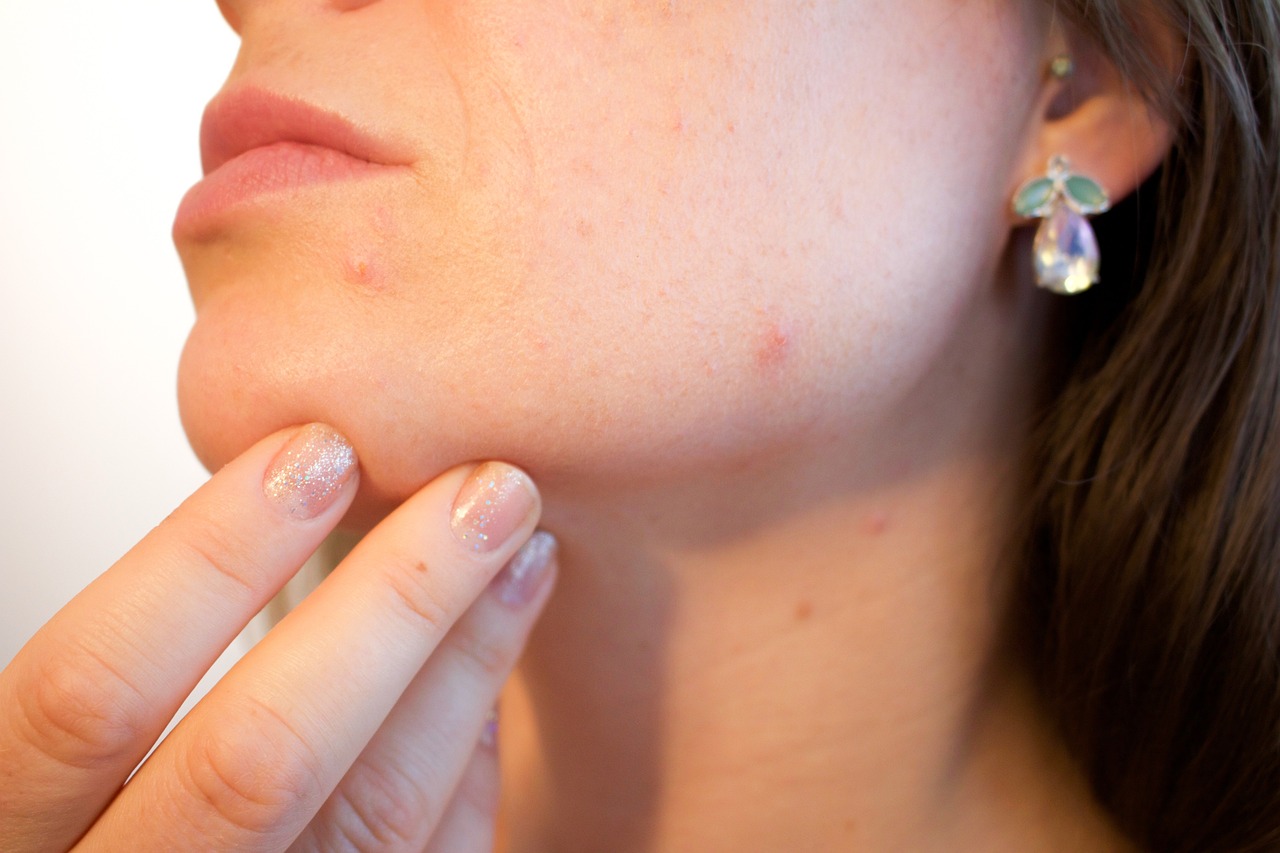
Are you tired of battling acne and left with unsightly scars as a reminder? Look no further! In this comprehensive overview, we will take a closer look at the different types of acne scarring, giving you a clear understanding of what each type entails. From ice pick scars to rolling scars, we’ve got you covered. Say goodbye to the confusion and hello to a more informed approach in combating acne scars.
Types of Acne Scarring
Having acne is frustrating enough, but dealing with the aftermath of acne scars can be equally disheartening. Acne scarring affects many individuals, lingering as a constant reminder of their battle with acne. However, understanding the different types of acne scarring is the first step towards finding the right treatment. So, let’s delve into the world of acne scars and explore the comprehensive overview of the various types.

Atrophic Scars
Atrophic scars are the most common type of acne scars, often characterized by depressions or pits on the skin’s surface. These scars result from a loss of collagen during the healing process, leaving indentations that may range from shallow to deep. Within the category of atrophic scars, there are three subtypes that regularly occur: rolling scars, ice pick scars, and boxcar scars.
Rolling Scars
Rolling scars create a wave-like texture on the skin, with a smooth appearance and rounded edges. These scars are caused by tethering of the skin to underlying tissues, resulting in a rolling or undulating appearance. Although less severe than other types of atrophic scars, rolling scars can still significantly impact your confidence.
Ice Pick Scars
Ice pick scars, as the name suggests, are deep and narrow scars that resemble tiny punctures on the skin. These scars are created by the formation of long, deep tunnels caused by the loss of tissue. Ice pick scars are often challenging to treat successfully, as they reach deeper layers of the skin.
Boxcar Scars
Boxcar scars are characterized by their well-defined, angular edges, similar to scars left by chickenpox. These scars can vary in size and shape, resulting in shallow or deep depressions on the skin’s surface. Boxcar scars can be challenging to conceal with makeup, making treatment options desirable for those seeking smoother skin.
Hypertrophic Scars
While most acne scars result in depressions on the skin, hypertrophic scars are unique in that they cause raised and thickened tissue. These scars develop due to an overproduction of collagen during the healing process. Although less common than atrophic scars, hypertrophic scars can be more noticeable and may cause itchiness or discomfort.
Keloid Scars
Keloid scars are similar to hypertrophic scars in that they are raised and thickened. However, keloid scars go beyond the boundaries of the original wound, extending beyond the scarred area. These scars are more common in individuals with darker skin tones and can be particularly challenging to treat. Seeking professional advice is crucial when dealing with keloid scars due to their tendency to reoccur.
Hypopigmentation
Hypopigmentation refers to the lightening or loss of skin color within acne scars. When the inflammation from acne subsides, it can hinder the production of melanin, resulting in lighter patches on the skin. While hypopigmentation may fade over time, it can still persist and be a cause of concern for individuals seeking an even skin tone.
Hyperpigmentation
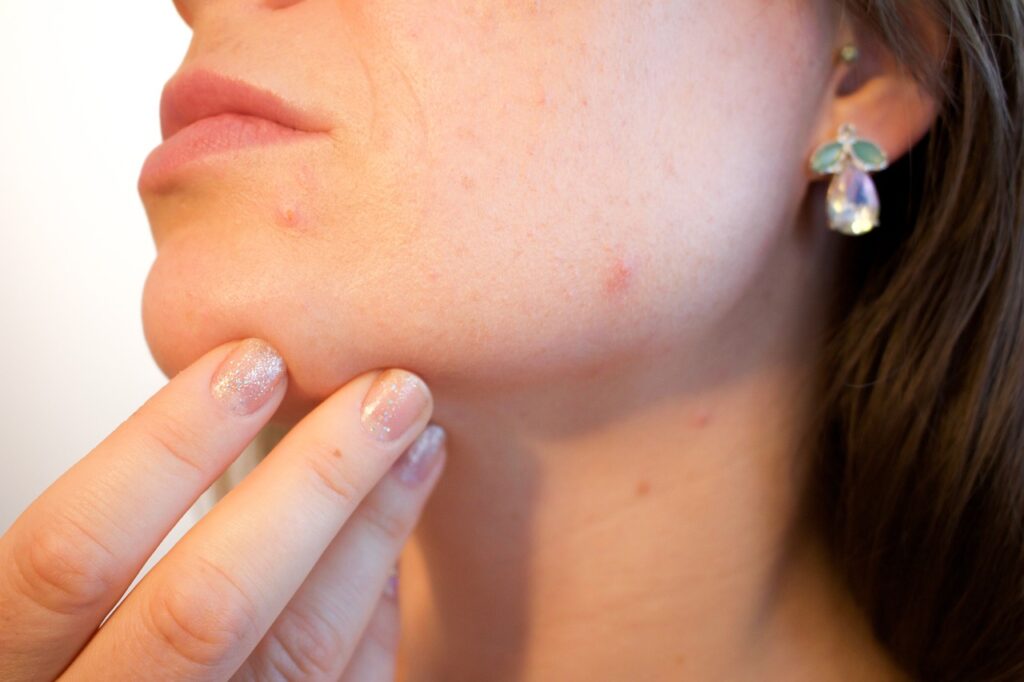
On the opposite end of the spectrum, hyperpigmentation refers to the darkening of the skin within acne scars. Increased melanin production can cause areas of the skin to appear darker than the surrounding skin, creating uneven pigmentation. Hyperpigmentation can be particularly challenging to address, but there are treatment options available to tackle this concern.
PIE (Post-Inflammatory Erythema)
PIE, or Post-Inflammatory Erythema, refers to the red or purplish discoloration that occurs after an acne breakout. This type of scarring is not a true scar but rather a temporary condition caused by dilation of blood vessels near the skin’s surface. PIE can take several weeks or even months to fully fade, but it usually resolves on its own with time.
PIH (Post-Inflammatory Hyperpigmentation)
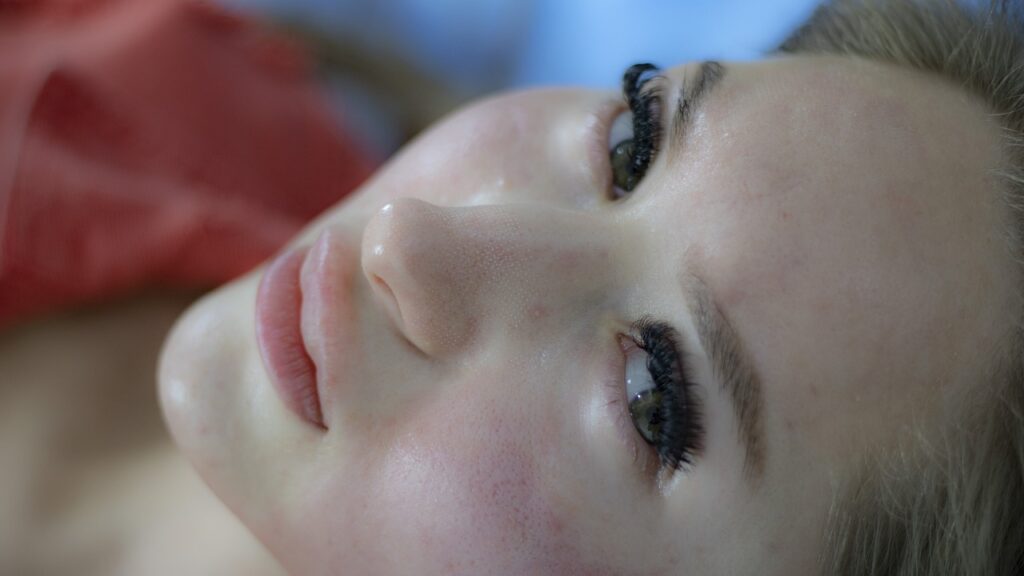
Similar to PIE, PIH, or Post-Inflammatory Hyperpigmentation, is a temporary condition caused by increased melanin production. However, unlike PIE, PIH presents as darker spots or patches on the skin, typically brown or black in color. PIH can also fade on its own over time but may take longer to resolve than PIE.
In conclusion, acne scarring can manifest in various forms, from depressions and pits to raised and discolored areas. Understanding the different types of acne scars is crucial in determining the most suitable treatment options. Whether you’re dealing with atrophic scars like rolling, ice pick, and boxcar scars, or the raised hypertrophic and keloid scars, there are solutions available to help improve the appearance of your skin. Additionally, addressing issues like hypopigmentation, hyperpigmentation, PIE, and PIH can contribute to achieving a smoother and more even complexion. Remember, seeking professional assistance in determining the right treatment plan for your specific acne scars is always advisable. By arming yourself with knowledge and exploring the available options, you can take control of your acne scars and regain confidence in your skin’s appearance.