If you’ve ever dealt with the frustrating presence of pimples on your skin, then you know just how much they can affect your confidence and self-esteem. But worry not, because in this article, you will discover some valuable tips on how to remove pimples safely and achieve clear, blemish-free skin. Say goodbye to those pesky pimples and hello to a radiant complexion that will boost your confidence and leave you feeling great.
The Basics of Pimples
What are Pimples?
Pimples, also known as acne, are a common skin condition that affects many people, especially during adolescence. They occur when the pores in your skin become clogged with oil, dirt, and dead skin cells. This leads to the formation of small red bumps, whiteheads, blackheads, or pus-filled pimples. While pimples are often harmless, they can be unsightly and cause discomfort or self-consciousness.
Causes of Pimples
There are several factors that can contribute to the development of pimples. Hormonal changes, particularly during puberty, can trigger an increase in oil production in the skin, leading to clogged pores. Other factors that can contribute to pimples include bacteria on the skin, certain medications, stress, and even certain foods. It is important to understand the underlying causes of pimples to effectively prevent and treat them.
Types of Pimples
Pimples can manifest in various forms, each with its own characteristics and treatment options:
-
Whiteheads: These are small, flesh-colored bumps that occur when pores become clogged with oil and dead skin cells. The clogged pore remains closed, resulting in a white or yellowish bump on the skin.
-
Blackheads: Similar to whiteheads, blackheads occur when pores become clogged. However, in blackheads, the clogged pore remains open, allowing the trapped oil and dead skin cells to oxidize and darken, giving them a black appearance.
-
Papules: Papules are small, raised red bumps that are often tender to the touch. They form when the walls of the pores break down due to inflammation.
-
Pustules: Pustules are similar to papules, but they contain pus at the top. They appear as small, red bumps with a white or yellow center.
-
Cysts: Cysts are large, painful, and pus-filled pimples that form when the infection goes deep into the skin. They can lead to scarring if not treated properly.
Understanding the different types of pimples can help you identify and address them effectively.
Prevention Tips
Keep your Face Clean
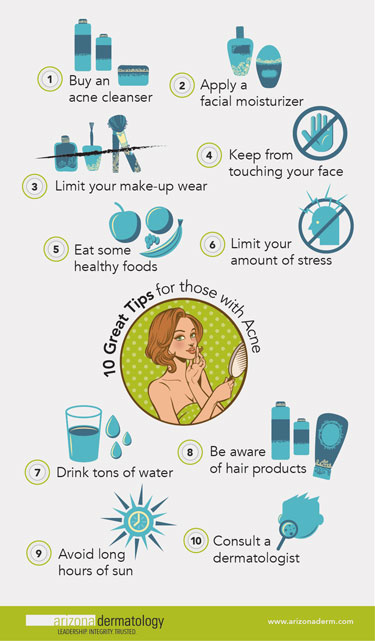
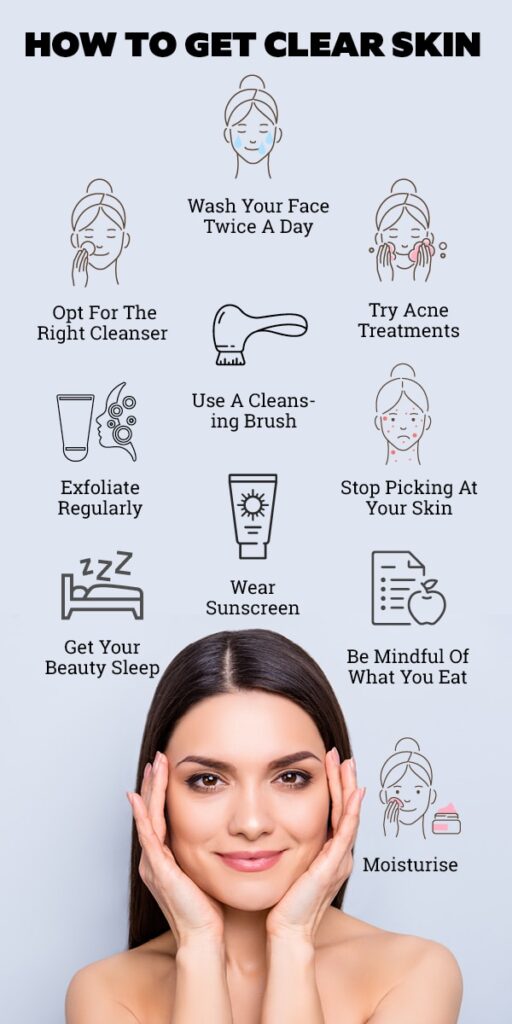
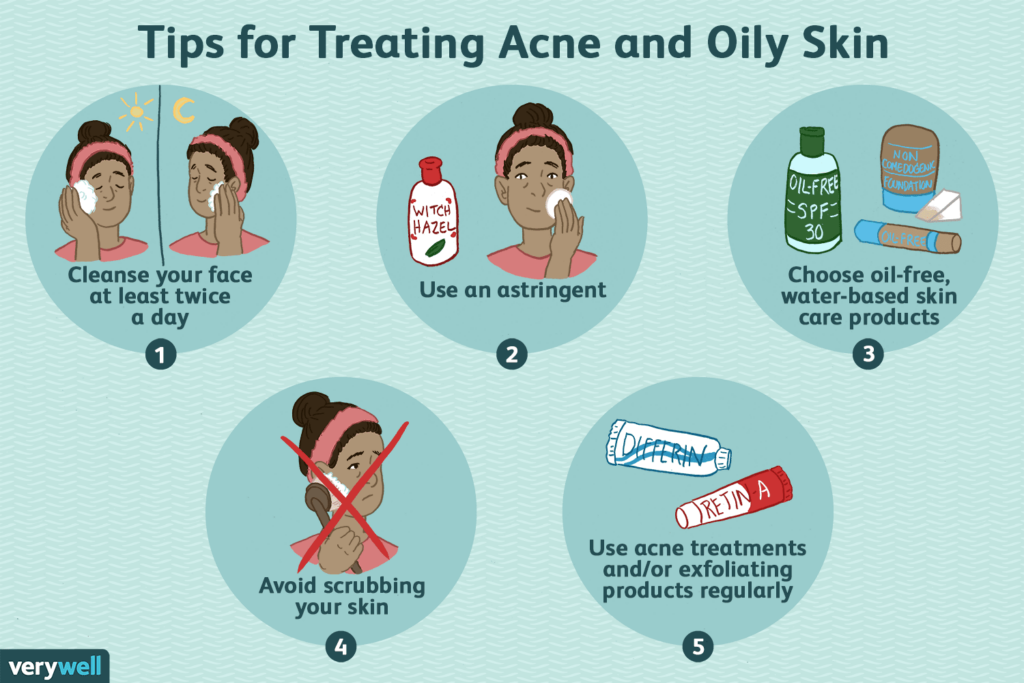
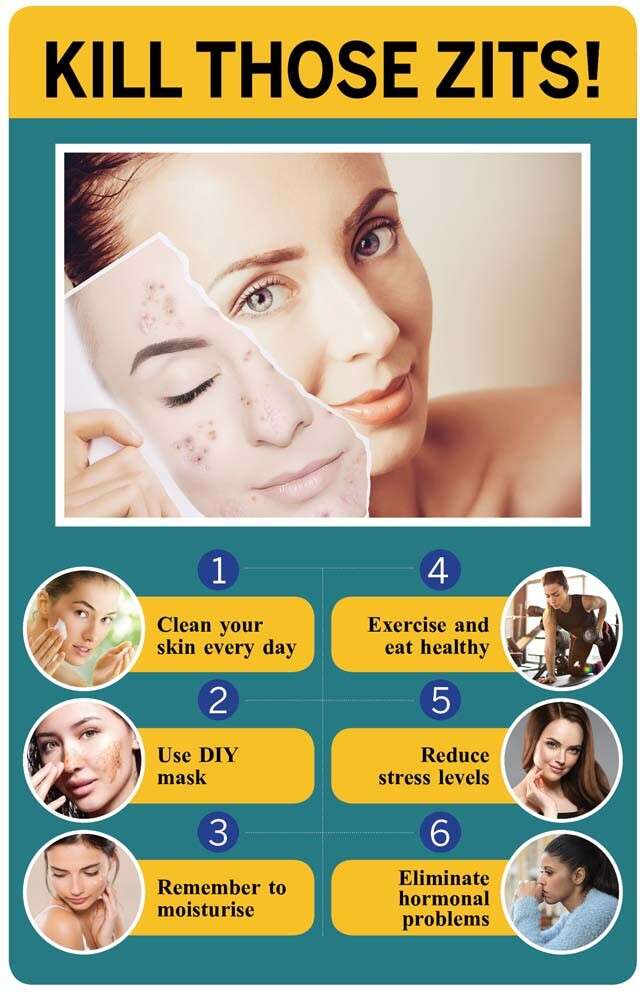
One of the most important steps in preventing pimples is to keep your face clean. Washing your face twice a day with a gentle cleanser can help remove excess oil, dirt, and bacteria that can clog your pores. Avoid scrubbing your face vigorously, as this can irritate the skin and worsen pimples. Instead, use lukewarm water and your fingertips to cleanse your face gently.
Avoid Touching your Face
Touching your face with unwashed hands can transfer bacteria and dirt to your skin, increasing the risk of developing pimples. Avoid picking, popping, or squeezing your pimples, as this can lead to further inflammation, infection, and scarring. It is best to resist the temptation to touch your face and keep your hands away from it as much as possible.
Use Oil-Free Skincare Products
Using oil-free or non-comedogenic skincare products can help prevent the clogging of your pores. Look for products that are labeled as non-comedogenic, meaning they are less likely to cause acne. Additionally, avoid using heavy makeup or foundation that can trap oil and debris on your skin. Opt for lighter, non-comedogenic products that allow your skin to breathe.
Avoid Excessive Sun Exposure
While some sunlight can have a positive effect on pimples, excessive sun exposure can worsen acne and increase the risk of scarring. Protect your skin from harmful UV rays by wearing sunscreen with at least SPF 30, even on cloudy days. Look for sunscreens labeled as “non-comedogenic” to prevent clogged pores.
Follow a Healthy Diet
While there is no direct link between specific foods and pimples, following a healthy diet can promote overall skin health. Incorporate a balanced and nutritious diet rich in fruits, vegetables, whole grains, and lean proteins. Avoid sugary, greasy, and processed foods, as they can contribute to inflammation and hormonal imbalances that may worsen pimples.
Natural Remedies
Tea Tree Oil
Tea tree oil is a natural remedy known for its antimicrobial properties. It can help kill bacteria on the skin and reduce inflammation, making it effective in treating pimples. Dilute tea tree oil with a carrier oil, such as coconut oil, and apply it directly to the affected area using a cotton swab. Leave it on for a few hours or overnight before rinsing it off.
Honey
Honey has antibacterial properties and can help soothe and moisturize the skin. Applying a thin layer of raw honey to your pimples and leaving it on for about 10-15 minutes before rinsing can help reduce inflammation and promote healing.
Aloe Vera
Aloe vera has soothing and anti-inflammatory properties that can help alleviate redness and swelling associated with pimples. Extract the gel from an aloe vera leaf and apply it directly to your pimples. Leave it on for about 20 minutes before rinsing it off with lukewarm water.
Apple Cider Vinegar
Apple cider vinegar has antimicrobial properties and can help balance the pH level of your skin. Mix equal parts of apple cider vinegar and water and apply it to your pimples using a cotton ball. Leave it on for about 10-15 minutes before rinsing it off. It is important to dilute apple cider vinegar as it can be highly acidic and may cause skin irritation if used undiluted.
Turmeric
Turmeric contains curcumin, a natural compound known for its anti-inflammatory and antimicrobial properties. Mix turmeric powder with water or honey to form a paste and apply it to your pimples. Leave it on for about 15-20 minutes before rinsing it off. Be cautious, as turmeric can stain clothing and temporarily dye the skin yellow.
Over-the-Counter Treatments
Benzoyl Peroxide
Benzoyl peroxide is a commonly used over-the-counter treatment for pimples. It works by killing bacteria on the skin and reducing oil production. Start with a low concentration (2.5% or 5%) and apply a thin layer to the affected areas once or twice a day. Be cautious as benzoyl peroxide may cause dryness or irritation, so it is advisable to moisturize your skin adequately.
Salicylic Acid
Salicylic acid is another popular over-the-counter treatment for pimples. It helps unclog pores by exfoliating the skin and removing dead skin cells. Apply a product containing salicylic acid to the affected areas once or twice a day. Be sure to follow the instructions on the product and avoid using it on broken or irritated skin.
Sulfur
Sulfur has antimicrobial and anti-inflammatory properties that can help treat pimples. It works by reducing excess oil and unclogging pores. Apply a sulfur-based product to the affected areas once or twice a day, following the instructions on the product packaging. Sulfur products may have a slightly unpleasant odor, but it typically fades quickly.
Retinoids
Retinoids, such as adapalene, are vitamin A derivatives that help regulate skin cell turnover and prevent the formation of comedones (clogged pores). They are available in over-the-counter formulations or as prescription-strength products. Start with a low concentration and apply a thin layer to the affected areas once a day before bed. Be cautious, as retinoids may cause dryness, redness, or peeling, so it is essential to use a moisturizer and protect your skin from the sun.
Topical Antibiotics
Topical antibiotics, such as clindamycin or erythromycin, can help kill bacteria on the skin and reduce inflammation. They are often used in combination with other acne treatments. Apply a thin layer of the topical antibiotic to the affected areas once or twice a day, following the instructions provided by your healthcare professional or the product packaging.
Prescription Medications
Oral Antibiotics
In more severe cases of acne, oral antibiotics may be prescribed. These medications help reduce inflammation and kill bacteria from within the body. Commonly prescribed oral antibiotics for acne include doxycycline, minocycline, and tetracycline. It is important to strictly follow your healthcare professional’s instructions and complete the full course of antibiotics to prevent antibiotic resistance.
Oral Contraceptives
For females with hormonal acne, oral contraceptives (birth control pills) may be recommended. Certain hormonal contraceptives can help regulate hormone levels and reduce oil production in the skin. It is essential to consult with your healthcare professional to determine if oral contraceptives are a suitable option for you, as they may have side effects or contraindications.
Isotretinoin
Isotretinoin, commonly known as Accutane, is a potent oral medication used for severe and resistant acne. It works by reducing oil production, preventing clogged pores, and decreasing bacteria in the skin. Isotretinoin is typically prescribed by dermatologists and requires close monitoring due to potential side effects. It should not be taken during pregnancy, as it can cause severe birth defects.
Professional Treatments
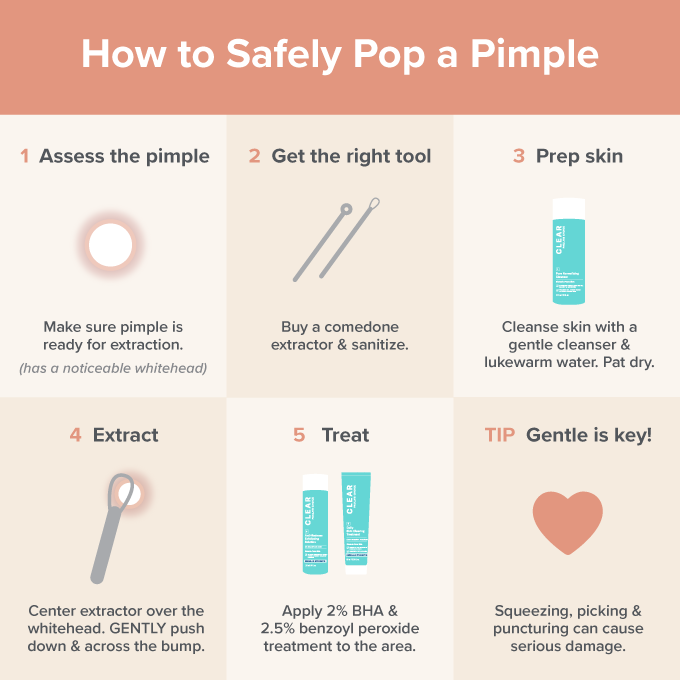
Extraction
Extraction is a professional treatment performed by dermatologists or estheticians to remove stubborn pimples or blackheads. It involves using sterile instruments to extract the contents of the pimple gently. Extraction can provide quick relief and prevent further inflammation and scarring. It is important to have extractions performed by a trained professional to minimize the risk of infection and scarring.
Chemical Peels
Chemical peels involve the application of a chemical solution to the skin, which exfoliates the outer layers and promotes the growth of new, healthier skin. Chemical peels can help improve acne by reducing oil production, unclogging pores, and promoting skin renewal. They are typically performed by dermatologists or estheticians and may require multiple sessions for optimal results.
Microdermabrasion
Microdermabrasion is a non-invasive treatment that uses a gentle abrasive tool or crystals to exfoliate the skin. This process removes dead skin cells, unclogs pores, and stimulates the production of collagen, resulting in smoother and clearer skin. Microdermabrasion can be an effective treatment for mild acne and can be done by dermatologists or trained estheticians.
Laser Therapy
Laser therapy uses different wavelengths of light to target and destroy bacteria, reduce inflammation, and promote skin healing. This treatment is often used for moderate to severe acne that has not responded to other treatments. Laser therapy requires multiple sessions and is typically performed by dermatologists or specialized skincare professionals.
Tips for Proper Pimple Care
Do not Pick or Pop Pimples
Picking or popping pimples can worsen inflammation, introduce bacteria, and increase the risk of scarring. It is best to leave pimples alone and let them heal naturally. If you feel the need to extract a pimple, consider having it done professionally to minimize the risk of complications.
Cleanse your Face Gently
When washing your face, use a gentle cleanser and lukewarm water. Avoid harsh scrubbing or using abrasive tools, as this can irritate the skin and trigger more breakouts. Gently pat your face dry with a clean towel after cleansing, taking care not to rub or tug at your skin.
Moisturize Regularly
Contrary to popular belief, moisturizing is essential even for acne-prone skin. Select oil-free or non-comedogenic moisturizers that won’t clog your pores. Apply moisturizer after cleansing to keep your skin hydrated and balanced. Well-hydrated skin is less prone to excess oil production and can help prevent future breakouts.
Protect your Skin from Harsh Elements
Protecting your skin from harsh elements, such as cold weather or excessive sun exposure, is crucial. Wear sunscreen with at least SPF 30 daily, even on cloudy days, to shield your skin from harmful UV rays. Additionally, use protective clothing and accessories, such as hats and sunglasses, to minimize sun damage.
Follow a Consistent Skincare Routine
Establishing a consistent skincare routine is important for maintaining clear and healthy skin. Cleanse, moisturize, and protect your skin daily, and incorporate any treatment products as recommended by your healthcare professional or skincare specialist. Consistency is key when it comes to managing and preventing pimples.
Lifestyle Changes to Improve Skin Health
Manage Stress
Stress can contribute to hormonal imbalances and worsen acne. Engage in stress-reducing activities such as yoga, meditation, or deep breathing exercises. Prioritize self-care and find ways to relax and unwind regularly.
Get Enough Sleep
Adequate sleep is essential for overall health, including skin health. Aim for 7-9 hours of quality sleep each night. Establish a relaxing bedtime routine and create a sleep-friendly environment to enhance your sleep quality.
Exercise Regularly
Regular exercise improves blood circulation, promotes detoxification, and reduces stress levels, all of which can benefit your skin. Engage in activities you enjoy, such as brisk walking, jogging, or dancing, and aim for at least 30 minutes of moderate exercise most days of the week.
Avoid Smoking and Excessive Alcohol Consumption
Smoking and excessive alcohol consumption can have detrimental effects on your skin. Smoking reduces blood flow to the skin, depriving it of essential nutrients and oxygen, while alcohol can dehydrate and inflame the skin. Quitting smoking and moderating your alcohol intake can significantly improve your skin health.
Dealing with Acne Scars
Home Remedies for Acne Scars
There are several home remedies that can help reduce the appearance of acne scars over time:
-
Lemon Juice: Lemon juice contains natural bleaching properties and can help lighten acne scars. Apply freshly squeezed lemon juice to the affected areas using a cotton ball and leave it on for about 10 minutes before rinsing it off. Be cautious, as lemon juice can make your skin more sensitive to sunlight, so apply sunscreen afterward.
-
Raw Potato: Raw potato contains enzymes and compounds that promote skin healing and reduce the appearance of scars. Cut a raw potato into thin slices and rub them on your acne scars for a few minutes. Leave the potato juice on your skin for 10-15 minutes before rinsing it off.
-
Rosehip Seed Oil: Rosehip seed oil is rich in vitamins and antioxidants that can help fade acne scars. Apply a small amount of rosehip seed oil to your scars and gently massage it into your skin until fully absorbed. Leave it on overnight and rinse your face in the morning.
Professional Treatments for Acne Scars
If home remedies do not yield satisfying results, several professional treatments can help minimize acne scars:
-
Micro-needling: Micro-needling involves using a device with small needles to create tiny punctures in the skin. This process stimulates collagen production and helps improve the appearance of acne scars over time.
-
Chemical Peels: Chemical peels, as mentioned earlier, can not only treat pimples but also help reduce the appearance of acne scars. The exfoliation and skin renewal process induced by chemical peels can fade scars and reveal smoother skin.
-
Dermabrasion: Dermabrasion involves the removal of the top layers of skin using a specialized instrument. This procedure can help reduce the depth and visibility of acne scars, promoting the growth of new, healthier skin.
Effective Makeup Techniques
If you prefer to camouflage your acne scars with makeup, there are several techniques that can help:
-
Color Correcting: Use color-correcting concealer to counteract the color of your acne scars. For example, use a green-toned concealer to neutralize redness, and a peach-toned concealer to counteract any bluish or purple discoloration.
-
Layering: Apply a thin layer of long-lasting, buildable foundation to your entire face, and then use a full-coverage concealer to target specific areas with acne scars. Set your makeup with a lightweight, non-comedogenic setting powder for a long-lasting finish.
-
Blending: Use a makeup sponge or brush to blend your makeup well and create a seamless finish. Be gentle when blending over acne scars to avoid disturbing any healing blemishes or causing further irritation.
Remember, makeup should be used to enhance your natural beauty, not as a permanent solution to conceal acne scars. Prioritize skincare and seek professional advice for effective scar treatments.
Conclusion
Pimples can be frustrating, but with the right knowledge and approach, you can prevent and manage them effectively. Remember to keep your face clean, avoid touching or picking at your pimples, and choose oil-free skincare products. Incorporate preventive measures such as avoiding excessive sun exposure and following a healthy diet. In case you experience persistent or severe acne, consider consulting a healthcare professional or dermatologist for appropriate treatments or prescriptions. Practice good pimple care, make positive lifestyle changes, and explore suitable treatments for acne scars. With patience and consistent care, you can achieve clearer, healthier skin.