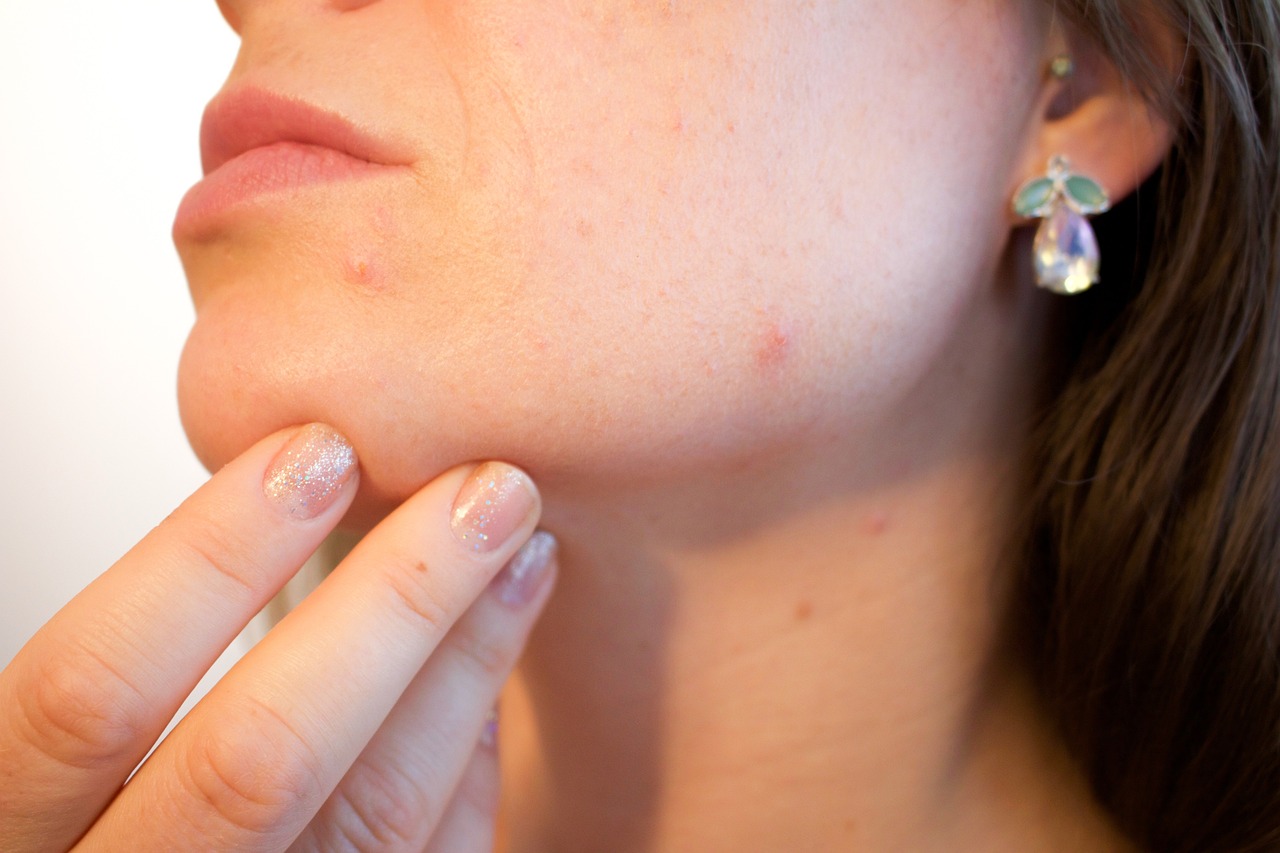
In this insightful article, discover the various methods available for facial scar treatment and gain a deeper understanding of the expected outcomes. Whether you’re dealing with acne scars, surgical scars, or injury scars, there are numerous options to consider. From topical creams and lasers to microdermabrasion and chemical peels, each technique offers its own advantages and limitations. By exploring this comprehensive guide, you’ll be equipped with the knowledge to make informed decisions about the best treatment options for your unique needs.
Facial Scar Treatment: Methods and Expected Outcomes
When it comes to treating facial scars, there are several effective methods that can help improve their appearance. From topical treatments to surgical procedures, each method has its own unique set of benefits and expected outcomes. In this article, we will explore the various treatment methods available for facial scars and delve into the specifics of each procedure, recovery process, potential side effects, and the expected outcomes.

Topical Treatments
Topical treatments are often the first line of defense in the treatment of facial scars. These treatments are applied directly to the scarred area and generally aim to improve the texture, color, and elasticity of the skin.
Some commonly used topical treatments include:
Silicone Gel or Sheets
Silicone gel or sheets provide a protective barrier over the scar and have been shown to reduce redness and flatten hypertrophic scars. They work by hydrating the scar tissue and promoting collagen production, which helps to improve the overall appearance of the scar.
Onion Extract
Onion extract is another popular topical treatment for facial scars. It contains a compound called allium cepa, which has been found to have anti-inflammatory and scar-reducing properties. Applying onion extract to the scarred area may help fade the scar and improve its texture over time.
Vitamin E
Vitamin E is known for its antioxidant properties and is often used as a topical treatment for scars. However, it is important to note that there is limited scientific evidence to support the efficacy of vitamin E in scar treatment. In some cases, applying vitamin E directly to the scar may even cause skin irritation. It is advisable to consult with a dermatologist before using vitamin E for scar treatment.
Aloe Vera
Aloe vera is a natural ingredient that has been used for centuries to treat various skin conditions, including scars. It has moisturizing and anti-inflammatory properties that may help reduce the appearance of scars and promote healing. Applying aloe vera gel to the scarred area may help soothe the skin and improve its overall texture.
Hyaluronic Acid
Hyaluronic acid is a substance that naturally occurs in the skin and plays a crucial role in maintaining its moisture and elasticity. As a topical treatment for scars, hyaluronic acid helps to hydrate the skin and improve its appearance. It can be applied as a gel or cream directly to the scarred area, providing a temporary plumping effect and reducing the visibility of the scar.
Steroid Injections
Steroid injections are commonly used to treat hypertrophic and keloid scars. These injections contain corticosteroids, which work by reducing inflammation and suppressing the immune response in the scarred area.
Administration
Steroid injections are administered directly into the scar tissue by a healthcare professional. The frequency and dosage of the injections will depend on the severity and size of the scar. Multiple injections may be necessary to achieve optimal results.
Mechanism of Action
The corticosteroids in the injections help to break down the excess collagen that forms in hypertrophic and keloid scars. By inhibiting the production of collagen, steroid injections can help flatten the scar and reduce its redness and itchiness.
Side Effects
While steroid injections are generally considered safe, there are some potential side effects to be aware of. These can include temporary skin discoloration, thinning of the skin, and mild pain or discomfort at the injection site. In rare cases, allergic reactions or infections may occur.
Expected Outcomes
The expected outcomes of steroid injections vary depending on the individual and the severity of the scar. In some cases, the injections may lead to a significant reduction in the size and visibility of the scar. However, it’s important to note that not all scars respond equally to steroid injections, and multiple treatments may be necessary for optimal results.
Dermabrasion
Dermabrasion is a surgical procedure that involves removing the outer layer of the skin to reveal a smoother, more even complexion. It is often used to treat acne scars and other shallow facial scars.
Procedure
During dermabrasion, a dermatologist or plastic surgeon will use a specialized instrument to gently abrade the surface of the skin. This procedure effectively removes the damaged skin cells, allowing fresh, new skin to grow in its place.
Recovery Process
After undergoing dermabrasion, it is common for the treated area to be swollen, red, and sensitive. The skin may also develop a scab or crust, which will eventually fall off to reveal the newly regenerated skin underneath. It is important to follow the dermatologist’s post-procedure instructions carefully to ensure proper healing.
Side Effects
As with any surgical procedure, dermabrasion carries some risk of side effects. These can include temporary changes in skin pigmentation, scarring, infection, and changes in skin sensitivity. It is crucial to discuss the potential risks and benefits of dermabrasion with a qualified healthcare professional before undergoing the procedure.
Expected Outcomes
The expected outcomes of dermabrasion can vary depending on the individual and the severity of the scars being treated. In general, this procedure can significantly reduce the appearance of facial scars, leaving behind smoother, more even-toned skin. However, multiple sessions may be required for optimal results.
Chemical Peels
Chemical peels are another popular treatment method for facial scars, particularly those caused by acne. This procedure involves applying a chemical solution to the skin, which causes the outer layer to peel off, revealing fresh, new skin beneath.
Types of Chemical Peels
There are several types of chemical peels available, ranging from superficial peels to deep peels. Superficial peels, also known as lunchtime peels, target only the outermost layer of the skin and are generally well-tolerated with minimal downtime. Medium and deep peels penetrate deeper into the skin and may require a longer recovery period.
Procedure
During a chemical peel, the dermatologist or aesthetician will carefully apply the chemical solution to the skin, allowing it to penetrate for a specific amount of time. The solution is then neutralized and removed, revealing the fresh, rejuvenated skin underneath.
Recovery Process
After undergoing a chemical peel, the treated area may be red, swollen, and sensitive. The skin will gradually peel off over the course of several days to a week, and it is important to keep the skin moisturized and protected during this time. Sun protection is also crucial after a chemical peel, as the newly exposed skin may be more susceptible to sun damage.
Side Effects
Chemical peels carry some risk of side effects, including temporary skin discoloration, scarring, infection, and changes in skin pigmentation. It is essential to discuss the potential risks and benefits of chemical peels with a qualified healthcare professional before undergoing the procedure.
Expected Outcomes
The expected outcomes of a chemical peel depend on the type and depth of the peel, as well as the individual’s unique skin characteristics. In general, chemical peels can significantly improve the texture and appearance of facial scars, leaving behind smoother, more even-toned skin. Multiple treatments may be necessary to achieve the desired results.
Microneedling
Microneedling is a minimally invasive procedure that involves using a small device with fine needles to create microscopic punctures in the skin. This process stimulates collagen production, which can improve the appearance of facial scars.
Mechanism of Action
Microneedling works by triggering the body’s natural healing response. The tiny punctures created by the needles stimulate the production of collagen and elastin, which helps to improve the texture and plumpness of the skin. This can ultimately lead to the reduction of scar visibility.
Procedure
During a microneedling session, a healthcare professional will gently glide the device over the scarred area, creating controlled punctures in the skin. To minimize discomfort, a topical numbing cream may be applied prior to the procedure. The procedure can be performed in-office and typically takes between 30 minutes to an hour, depending on the size and number of areas being treated.
Recovery Process
After microneedling, the treated area may appear red and slightly swollen. This is a normal response and should subside within a few days. It is important to keep the skin clean and moisturized during the recovery process and to avoid direct sun exposure. The use of sunscreen is essential to protect the newly treated skin.
Side Effects
Common side effects of microneedling include temporary redness, mild swelling, and skin sensitivity. In rare cases, there is a risk of infection or scarring. It is crucial to follow the post-treatment instructions provided by the healthcare professional to minimize the risk of complications.
Expected Outcomes
The expected outcomes of microneedling can vary depending on the individual and the severity of the scars being treated. In many cases, this procedure can significantly improve the texture and appearance of facial scars, resulting in smoother, more even-toned skin. Multiple sessions may be necessary to achieve the desired results.
Laser Therapy
Laser therapy is a non-invasive treatment option for facial scars that uses focused beams of light to target and break down scar tissue.
Types of Lasers
There are several types of lasers used in scar treatment, including fractional lasers, pulsed-dye lasers, and ablative lasers. Each type of laser works differently and targets specific types of scars. The choice of laser will depend on the individual’s scar type and the desired outcomes.
Procedure
During a laser therapy session, the healthcare professional will carefully guide the laser device over the scarred area, delivering controlled bursts of laser energy. The laser energy is absorbed by the scar tissue, causing it to break down and stimulate collagen production. The procedure is typically performed in-office, and the duration can vary depending on the size and number of areas being treated.
Recovery Process
After laser therapy, the treated area may be red, swollen, and sensitive. This is a normal response to the procedure and should subside within a few days to a week. It is important to follow the post-treatment instructions provided by the healthcare professional, including proper skincare and sun protection.
Side Effects
Laser therapy carries some risk of side effects, including temporary changes in skin pigmentation, scarring, infection, and changes in skin sensitivity. It is crucial to discuss the potential risks and benefits of laser therapy with a qualified healthcare professional before undergoing the procedure.
Expected Outcomes
The expected outcomes of laser therapy can vary depending on the individual and the type of scars being treated. In general, laser therapy can significantly improve the appearance of facial scars, resulting in smoother, more even-toned skin. Multiple treatments may be necessary to achieve optimal results.
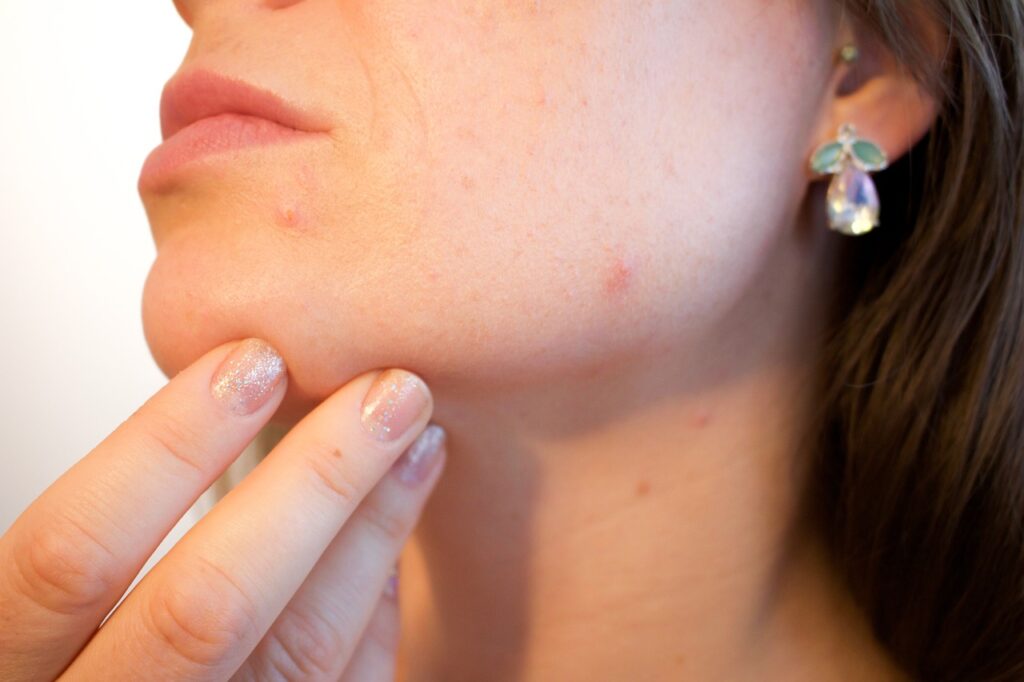
Surgical Excision
In some cases, surgical excision may be the most appropriate treatment option for facial scars. This procedure involves surgically removing the scar tissue and then suturing the skin together.
Procedure
During surgical excision, a dermatologist or plastic surgeon will carefully remove the scar tissue using surgical tools. The surrounding healthy skin is then brought together and sutured, resulting in a smaller, less noticeable scar.
Recovery Process
After surgical excision, the treated area will require proper care and monitoring to ensure optimal healing. The healthcare professional will provide specific post-operative instructions, including wound care and pain management. It is essential to follow these instructions diligently to minimize the risk of complications.
Side Effects
Surgical excision carries some risk of side effects, including bleeding, infection, scarring, and changes in skin pigmentation. It is crucial to discuss the potential risks and benefits of surgical excision with a qualified healthcare professional before undergoing the procedure.
Expected Outcomes
The expected outcomes of surgical excision can vary depending on the individual and the type of scars being treated. In many cases, this procedure can significantly reduce the size and visibility of facial scars, resulting in smoother, more aesthetically pleasing skin. However, it should be noted that surgical excision may leave a new scar, which may take time to fade and blend in with the surrounding skin.
Dermal Fillers
Dermal fillers are injectable substances that can be used to fill in depressed or sunken scars, improving their appearance and texture.
Types of Fillers
There are several types of dermal fillers available, including hyaluronic acid fillers, collagen-based fillers, and autologous fat injections. Each type of filler has its own unique characteristics and benefits. The choice of filler will depend on the individual’s scar type and the desired outcomes.
Procedure
During a dermal filler procedure, the chosen filler substance is carefully injected into the depressed or sunken area of the scar. The healthcare professional will use a fine needle or cannula to ensure precision and accuracy. The procedure is typically performed in-office and can be completed within a short amount of time.
Recovery Process
After receiving dermal fillers, the treated area may be slightly swollen or red. This is a normal response to the injections and should subside within a few days. It is important to avoid touching or massaging the treated area and to follow the post-treatment instructions provided by the healthcare professional.
Side Effects
Common side effects of dermal fillers include temporary redness, mild swelling, and tenderness at the injection site. In rare cases, there is a risk of infection or allergic reactions. It is crucial to choose a qualified healthcare professional for dermal filler injections to minimize the risk of complications.
Expected Outcomes
The expected outcomes of dermal fillers can vary depending on the individual and the type of scars being treated. In general, dermal fillers can significantly improve the appearance of depressed or sunken scars, resulting in a smoother, more even skin surface. The results are typically immediate and can last for several months to a year, depending on the type of filler used.
Scar Revision Surgery
Scar revision surgery is a specialized procedure that aims to improve the appearance of scars by modifying their size, shape, or position.
Types of Scar Revision Procedures
There are several types of scar revision procedures available, including scar excision, Z-plasty, W-plasty, and skin grafting. Each procedure is tailored to address specific scar characteristics and achieve the desired outcomes.
Procedure
During a scar revision surgery, a dermatologist or plastic surgeon will carefully remove or modify the scar tissue using surgical techniques. The surrounding healthy tissue is then repositioned or reshaped to create a more aesthetically pleasing result. The procedure is typically performed in a surgical setting under local or general anesthesia.
Recovery Process
The recovery process for scar revision surgery will depend on the specific procedure performed and the individual’s unique healing process. The healthcare professional will provide detailed post-operative instructions, including wound care, pain management, and follow-up appointments. It is essential to follow these instructions diligently to ensure proper healing and minimize the risk of complications.
Side Effects
Scar revision surgery carries some risk of side effects, including bleeding, infection, scarring, and changes in skin pigmentation. It is crucial to discuss the potential risks and benefits of scar revision surgery with a qualified healthcare professional before undergoing the procedure.
Expected Outcomes
The expected outcomes of scar revision surgery can vary depending on the individual and the type of scars being treated. In many cases, this procedure can significantly improve the appearance of facial scars, resulting in a more cosmetically pleasing result. It is important to have realistic expectations and to understand that complete scar removal is generally not possible. However, scar revision surgery can often minimize the visibility of scars and greatly improve self-confidence.
In conclusion, facial scars can have a significant impact on one’s self-esteem and overall well-being. Fortunately, there are a wide variety of treatment methods available to help improve the appearance of facial scars. From topical treatments to surgical procedures, each method offers its own set of benefits and expected outcomes. By understanding the different treatment options and consulting with a qualified healthcare professional, you can take proactive steps towards achieving smoother, more even-toned skin and boosting your self-confidence. Remember, patience and consistency are key when it comes to scar treatment, as results may take time to become noticeable. With the right treatment method and proper care, you can regain control over your appearance and embrace the beauty of imperfection.