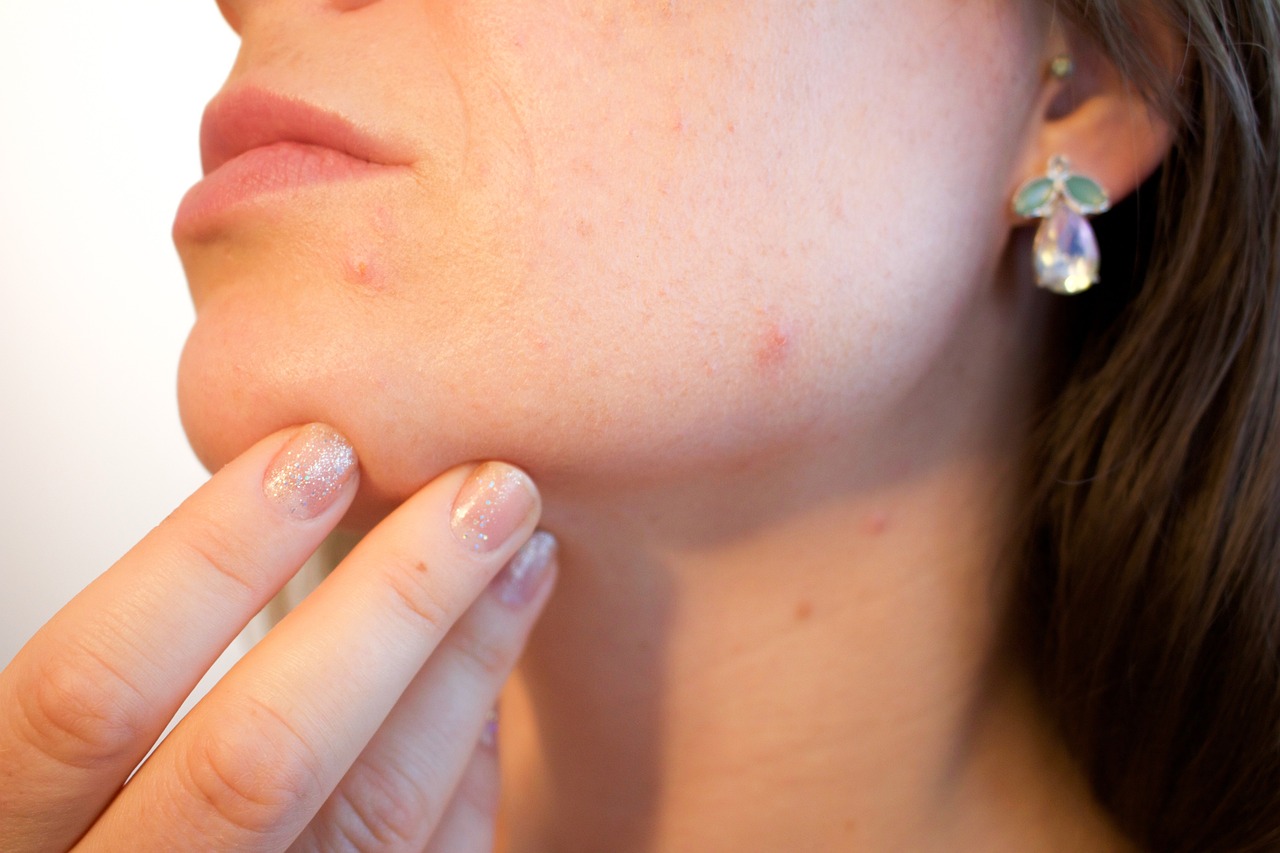
Are you tired of dealing with acne scars that seem impossible to fade? Look no further! In this article, we will explore a range of strategies that have proven to be effective in treating acne scars and achieving clearer skin. From tried-and-tested skincare routines to innovative treatment options, we’ve got you covered. Say goodbye to those stubborn scars and hello to a smoother, more radiant complexion. Get ready to regain your confidence and embrace clear, beautiful skin!
Understanding Acne Scars
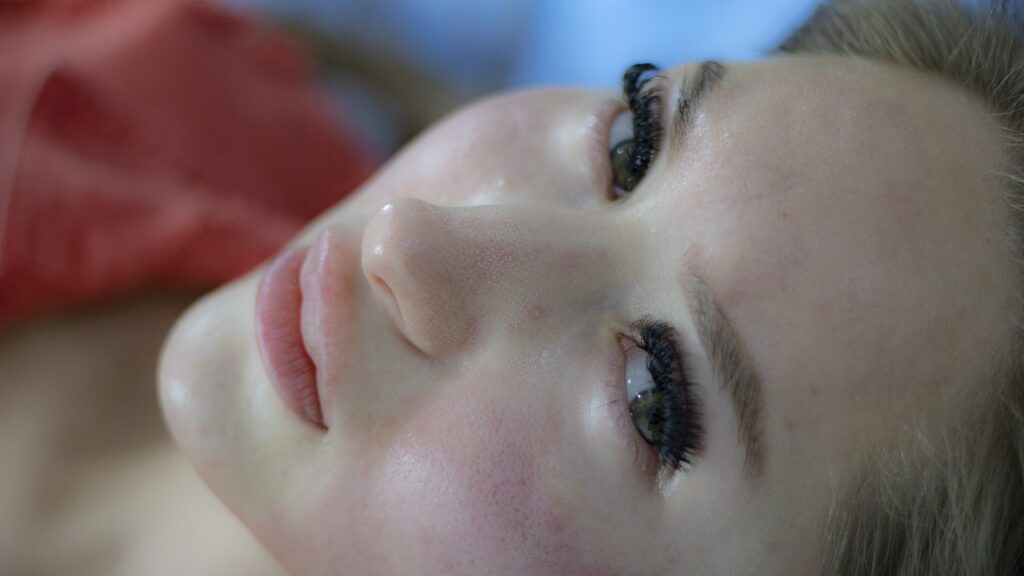
Acne scars can be an ongoing reminder of past skin struggles, but understanding the different types of acne scars is crucial in finding the right treatment.
Different types of acne scars
There are several types of acne scars, including ice pick scars, boxcar scars, rolling scars, and hypertrophic scars. Ice pick scars are deep, narrow scars that resemble small puncture marks on the skin. Boxcar scars are wider and have sharp edges, giving the skin a pitted appearance. Rolling scars, on the other hand, have a wavy texture and create a slightly uneven skin surface. Lastly, hypertrophic scars are raised and often form as a result of excessive collagen production during the healing process.
Causes of acne scarring
Acne scars form when the skin’s healing process is disrupted, resulting in abnormal collagen production. The primary cause of acne scarring is severe acne, which can leave behind marks that vary in size, depth, and texture. Picking or popping pimples can also contribute to the development of scars, as it increases inflammation and delays the healing process.
Factors influencing scar formation
While acne severity plays a significant role in scar formation, there are other factors that can contribute to the likelihood of developing acne scars. Genetics, for example, may make some individuals more prone to scarring, while others may have a higher natural ability to heal without scarring. Additionally, the timing and effectiveness of acne treatment can also impact the likelihood of scarring. The sooner acne is treated, the less likely it is for scars to form.
The Importance of Early Intervention
Preventing acne scars and treating acne promptly are essential steps in maintaining healthier skin.
Preventing acne scars
Prevention is always better than cure when it comes to acne scars. By practicing good skincare habits and taking precautions, you can reduce the risk of developing scars. Avoid picking or popping pimples, as this can cause further damage to the skin and increase the likelihood of scarring. Additionally, using non-comedogenic skincare and makeup products can prevent pore clogging and minimize the severity of acne breakouts.
Treating acne promptly
Timely treatment of acne not only reduces the risk of scarring but also promotes faster healing. It is essential to consult a dermatologist to determine the best treatment plan for your specific acne condition. From prescription medications to over-the-counter topical creams, there are various treatment options available that can help minimize acne and prevent scarring.
Reducing inflammation
Inflammation is a major factor in the formation of acne scars, so it is crucial to adopt practices that reduce inflammation in the skin. Using gentle, non-irritating cleansers and avoiding harsh scrubbing can help maintain the skin’s natural barrier and reduce redness. Additionally, incorporating anti-inflammatory ingredients, such as natural remedies like tea tree oil or aloe vera, into your skincare routine can aid in reducing inflammation and preventing acne scars.
Dermatological Acne Scar Treatments
When over-the-counter treatments are not enough to address acne scars, dermatological procedures can offer effective solutions.
Chemical peels
Chemical peels involve the application of a solution to the skin, which causes the outermost layers to peel off. This process stimulates collagen production, improves skin texture, and diminishes the appearance of acne scars. There are different types of chemical peels available, ranging from mild to deep peels, depending on the severity of scarring.
Microdermabrasion
Microdermabrasion is a non-invasive procedure that exfoliates the skin’s outer layer using tiny crystals. It helps remove dead skin cells, reduce the appearance of acne scars, and promote the growth of new, healthier skin. This treatment is particularly effective for shallow acne scars and mild skin texture irregularities.
Laser resurfacing
Laser resurfacing is a popular treatment for moderate to severe acne scars. It uses a laser to remove the top layer of skin, stimulating collagen production and promoting smoother skin texture. This procedure can target specific areas or treat the entire face, depending on the extent of scarring.
Dermal fillers
Dermal fillers are injectable substances that can help plump up depressed acne scars, creating a smoother appearance. Fillers can provide temporary improvement, but the results can last several months to a year, depending on the product used.
Microneedling
Microneedling involves using a device with tiny needles to create controlled micro-injuries on the skin’s surface. This process stimulates collagen production and promotes skin rejuvenation. Over time, microneedling can improve the appearance of acne scars, reducing their depth and making them less noticeable.
Prescription Medications for Acne Scars
In some cases, prescription medications may be prescribed to treat acne scars.
Retinoids
Retinoids, such as tretinoin or adapalene, are topical medications derived from vitamin A. They work by increasing cell turnover, reducing inflammation, and promoting collagen production. Regular use of retinoids can help improve the appearance of acne scars over time.
Cortisone injections
Cortisone injections are commonly used to treat hypertrophic scars. By injecting a corticosteroid directly into the scar, inflammation is reduced, and the scar’s appearance can be improved. This treatment is often used for raised and bumpy scars.
Antibiotics
Oral antibiotics, such as tetracycline or erythromycin, can be prescribed to treat severe acne that may lead to scarring. By reducing bacteria and inflammation in the skin, antibiotics can help prevent the formation of new acne lesions and minimize the risk of scarring.
Oral contraceptives
For women with hormonal acne, oral contraceptives can be a valuable treatment option. By regulating hormone levels, oral contraceptives can reduce the frequency and severity of breakouts, thus reducing the risk of acne scars.
At-Home Remedies for Acne Scars
In addition to professional treatments and medications, there are various at-home remedies that can be incorporated into your skincare routine to help improve acne scars.
Topical creams and gels
Over-the-counter creams and gels containing ingredients like salicylic acid or benzoyl peroxide can help reduce redness, inflammation, and improve the overall appearance of acne scars. These products can be applied directly to the affected areas, following the instructions provided.
Natural remedies
Many natural remedies have anti-inflammatory and skin-healing properties that can benefit acne scars. These include tea tree oil, aloe vera gel, honey, and apple cider vinegar. It is advisable to consult with a dermatologist before using any natural remedies to ensure they are appropriate for your skin type.
Exfoliation techniques
Regular exfoliation can help improve the appearance of acne scars by removing dead skin cells and promoting cell turnover. Gentle exfoliants, such as scrubs or chemical exfoliants containing AHAs or BHAs, should be used once or twice a week to avoid irritation and over-exfoliation.
Sun protection
Protecting your skin from the harmful effects of the sun is essential in preventing further damage to acne scars. Sun exposure can darken the pigmentation of scars, making them more noticeable. Applying a broad-spectrum sunscreen with at least SPF 30 daily can protect your skin and help fade acne scars over time.
Skin Care Tips for Acne Scar Prevention
Preventing acne scars starts with a proper skincare routine and the use of suitable products.
Gentle cleansing routine
Cleansing your skin twice a day with a gentle cleanser is crucial in maintaining healthy skin and preventing acne scars. Avoid harsh scrubbing or using abrasive cleansers, as this can irritate the skin and potentially worsen acne.
Non-comedogenic products
Using non-comedogenic skincare and makeup products is essential in preventing pore clogging and minimizing breakouts. Non-comedogenic products are specifically designed not to block pores, allowing the skin to breathe more freely.
Avoiding harsh ingredients
Some skincare ingredients can irritate the skin and exacerbate acne, leading to an increased risk of scarring. Avoid using products that contain high concentrations of alcohol, fragrances, or harsh chemicals, as they can strip the skin of its natural oils and disrupt the skin’s barrier.
Proper moisturization
Keeping the skin properly moisturized is essential in maintaining its health and preventing acne scars. Look for moisturizers that are formulated for your skin type and are non-comedogenic. Hydrated skin is less prone to inflammation, which can contribute to acne scar formation.
Lifestyle Changes to Improve Acne Scarring
Aside from skincare, there are lifestyle changes you can make to improve the appearance of acne scars.
Maintaining a balanced diet
A balanced diet rich in fruits, vegetables, whole grains, and lean proteins can contribute to healthier skin. Certain nutrients, such as vitamins A, C, and E, zinc, and omega-3 fatty acids, are known to promote skin health and aid in the healing process.
Hydrating the body
Staying hydrated is crucial for overall skin health. Drinking an adequate amount of water throughout the day helps maintain the skin’s elasticity, promotes proper cell function, and supports the healing process.
Reducing stress levels
Stress can worsen acne and delay the healing process, increasing the risk of scarring. Finding healthy ways to manage stress, such as practicing mindfulness techniques, exercising regularly, or engaging in hobbies, can significantly improve the appearance of acne scars.
Avoiding picking or popping pimples
The urge to pick or pop pimples can be strong, but it is important to resist this temptation. Picking at acne lesions can introduce more bacteria and cause further inflammation, leading to a higher risk of scarring. Instead, focus on proper skincare and effective acne treatments to minimize breakouts.
Professional Treatments for Acne Scars
For more severe acne scars, professional treatments performed by dermatologists or other skincare professionals may be necessary.
Microdermabrasion
Microdermabrasion treatments performed by professionals can provide more significant results compared to at-home versions. By precisely exfoliating the skin, it can improve the appearance of acne scars and promote smoother skin texture.
Microneedling
In a professional setting, microneedling treatments can be more precise and intensive. The controlled micro-injuries created by a professional microneedling device can significantly improve the appearance of acne scars over time.
Chemical peels
Professional chemical peels can target deeper layers of the skin to effectively reduce the appearance of acne scars. A dermatologist or skincare professional will assess the severity of scarring to determine the appropriate type and strength of chemical peel.
Laser therapy
Laser therapy treatments can be highly effective for addressing deep acne scars. These treatments use targeted laser beams to stimulate collagen production and remodel scar tissue, resulting in a smoother skin texture.
Alternative Therapies for Acne Scars
In addition to traditional medical treatments, some alternative therapies may be explored for their potential benefits in treating acne scars.
Acupuncture
Acupuncture, a traditional Chinese medical practice, involves the insertion of thin needles into specific points in the body to stimulate healing and reduce inflammation. While not directly targeting acne scars, acupuncture may help promote overall skin health and aid in the healing process.
Herbal remedies
Certain herbs have been used in traditional medicine to improve skin health and reduce inflammation. Incorporating herbs like chamomile, lavender, or green tea into your skincare routine may have beneficial effects in reducing the appearance of acne scars.
Homeopathy
Homeopathy is a holistic approach to healing that involves using highly diluted substances to stimulate the body’s natural healing response. While the effectiveness of homeopathy in treating acne scars may vary among individuals, it can be considered as part of a comprehensive treatment plan.
Ayurvedic treatments
Ayurveda, an ancient Indian system of medicine, offers holistic approaches to treat various health conditions, including acne scars. Ayurvedic treatments may involve herbal remedies, dietary adjustments, and lifestyle changes to balance the body and improve skin health.
Combination Approaches for Acne Scar Treatment
In some cases, a combination of different treatment modalities may be recommended to achieve optimal results.
Multi-modality treatments
Multi-modality treatments combine various treatment approaches to address different aspects of acne scarring. For example, a treatment plan may include a combination of laser therapy, chemical peels, and microneedling to target different types of scars.
Personalized treatment plans
Every individual’s acne scars are unique, so it is crucial to have a personalized treatment plan. A dermatologist or skincare professional will assess your skin condition, evaluate the severity of scarring, and recommend a customized approach to achieve the best possible results.
In conclusion, understanding acne scars and the various treatment options available is essential for achieving clearer skin. From professional treatments to at-home remedies and lifestyle changes, there are numerous strategies that can help minimize the appearance of acne scars. Remember, early intervention is key, so consult with a dermatologist to determine the most suitable treatment plan for your specific needs. With determination and consistency, you can achieve smoother, more radiant skin and put acne scars in the past.