
Scars can be a source of self-consciousness and insecurity, but finding the best treatment doesn’t have to be daunting. Whether you’re dealing with acne scars, surgical scars, or stretch marks, this comprehensive guide is here to help you make an informed decision. From topical creams and gels to lasers and microdermabrasion, we’ll explore the various options available, their effectiveness, and what to consider when choosing the best treatment for your specific type of scar. So say goodbye to those pesky reminders and hello to renewed confidence with this guide by your side.
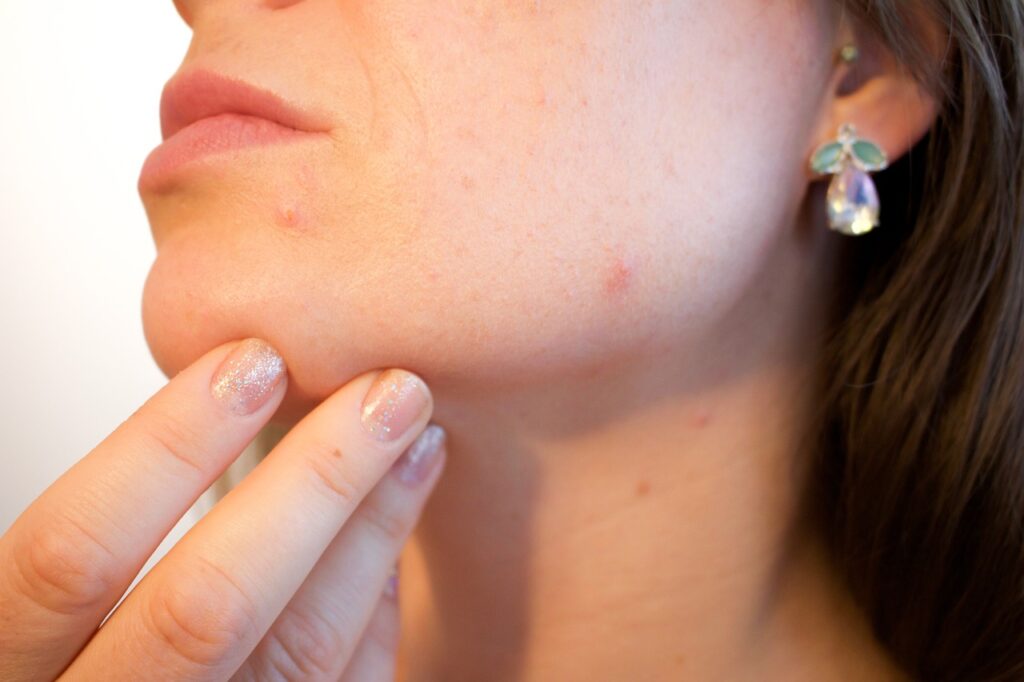
What are Scars?
Scars are a natural part of the skin’s healing process. When the dermis, the second layer of the skin, is damaged due to an injury, surgery, or certain skin conditions, the body produces collagen fibers to repair the damage. These collagen fibers form the scar tissue, which may appear different in texture, color, or thickness compared to the surrounding skin. Scars can vary in size, shape, and severity, and can be a source of self-consciousness for many individuals.
Definition
A scar is a visible mark or blemish that remains after the wound or injury has healed. It is a permanent reminder of past damage to the skin. Scars can be flat, raised, sunken, or have a different texture than the surrounding skin. The appearance of a scar depends on various factors such as the individual’s healing process, the location and depth of the injury, and the type of scar tissue formed.
Types of Scars
Scars can manifest in different forms, each with its own distinct characteristics. Some common types of scars include:
-
Keloid Scars: These scars are raised, thick, and extend beyond the original wound or injury. Keloid scars are caused by an overproduction of collagen during the healing process.
-
Hypertrophic Scars: Similar to keloid scars, hypertrophic scars are raised and thick. However, unlike keloids, they do not extend beyond the boundaries of the original wound.
-
Atrophic Scars: These scars are sunken or depressed, usually resulting from a loss of tissue during the healing process. Atrophic scars can appear as “icepick” scars, which are deep and narrow, or “rolling” scars, which have a wavy texture.
-
Contracture Scars: Contracture scars occur when the skin is severely burned or injured, leading to tightness and constriction of the surrounding skin. These scars can limit movement and may also affect underlying muscles and tissues.
-
Acne Scars: Acne scars are caused by inflammatory acne lesions. They often present as pitted or depressed scars, which can be a result of reduced collagen production during the healing process.
Each type of scar may require specific treatment approaches based on its characteristics and severity.
Factors to Consider
When considering the treatment options for scars, several factors should be taken into account to determine the most appropriate approach. These factors include:
Skin Type
Different skin types may respond differently to various treatments. Factors such as melanin content, oiliness, and overall skin sensitivity can impact the effectiveness of certain scar treatments. It is essential to consider your specific skin type and consult with a dermatologist to ensure the chosen treatment is suitable for your skin.
Age of the Scar
The time that has passed since the scar formed can influence the treatment options available. Fresh scars, known as acute scars, may respond differently to treatments compared to older scars, known as mature scars. It is important to discuss the age of your scars with a dermatologist to determine the most appropriate treatment approach.
Size and Depth of the Scar
The size and depth of the scar play a crucial role in determining the appropriate treatment method. Larger and deeper scars may require more aggressive interventions, whereas smaller and shallower scars may respond well to less invasive treatments.
Location of the Scar
The location of the scar on the body can affect the choice of treatment. Scars on visible areas such as the face or hands may require more refined techniques to achieve desirable results. Additionally, scars near or on joints may require specialized approaches to ensure proper mobility and functionality of the treated area.
Cause of the Scar
The cause of the scar, whether it be from an injury, surgery, or skin condition, can influence the treatment options. Different types of scars may necessitate specific treatments, and the underlying cause of the scar may need to be addressed as part of the treatment plan.
Considering these factors will help guide you in selecting the most appropriate treatment option for your unique scar situation.
Non-Invasive Treatments
Non-invasive treatments for scars are typically the first line of defense in scar management, as they involve minimal risk and downtime. They can be effective for reducing the appearance of scars and improving overall skin texture. Some common non-invasive treatments for scars include:
Topical Creams
Topical creams containing ingredients such as silicone, corticosteroids, or retinoids are commonly used to treat scars. Silicone-based creams can help hydrate the skin and promote a smoother texture, while corticosteroids and retinoids can aid in reducing inflammation and stimulating collagen production.
Silicone Sheets and Gels
Silicone sheets or gels provide a protective barrier over the scar and help maintain moisture levels in the skin, promoting optimal healing. These sheets or gels are typically applied directly to the scar and can be left on for several hours or overnight.
Onion Extract
Onion extract, often found in specialized scar creams or gels, contains compounds that can soften and flatten scars over time. It may help improve both the appearance and texture of scars when used consistently.
Massage and Pressure Therapy
Gentle massaging of the scar tissue and applying pressure can help break up collagen formations, soften the scar, and improve blood circulation to the area. This can be done using fingertips or by utilizing specialized scar massage tools.
Non-invasive treatments are generally safe and accessible options that can be incorporated into your everyday routine. However, the effectiveness of these treatments can vary depending on the type and severity of the scar.
Minimally Invasive Treatments
Minimally invasive treatments for scars involve slightly more aggressive techniques while still avoiding the need for surgical incisions. These treatments typically penetrate the skin to a certain depth to stimulate collagen production and improve scar appearance. Some common minimally invasive treatments for scars include:
Chemical Peels
Chemical peels involve applying a combination of acids or other chemical agents to the skin’s surface, causing controlled exfoliation and stimulating collagen production. This helps minimize the appearance of scars while promoting smoother, healthier skin.
Microdermabrasion
Microdermabrasion uses tiny abrasive crystals or a specialized tool to gently remove the outermost layer of the skin, encouraging new cell growth and collagen production. This can help reduce the appearance of scars and improve skin texture.
Microneedling
Microneedling, also known as collagen induction therapy, involves using a device with fine needles to create tiny punctures in the skin. These micro-injuries stimulate the body’s natural healing response, leading to increased collagen production and scar improvement.
Laser Therapy
Laser therapy utilizes focused light beams to target scar tissue and stimulate collagen remodeling. Different types of lasers, such as ablative or non-ablative lasers, can be used to address specific scar concerns. Laser treatments can be highly customizable and are often effective in reducing scar visibility.
Minimally invasive treatments offer more targeted approaches to scar management, allowing for significant improvement in scar appearance. However, it is important to consult with a skilled dermatologist or healthcare professional to ensure these treatments are appropriate for your particular scar type and skin condition.
Surgical Treatments
Surgical treatments for scars are typically reserved for severe or deep scars that have not responded to other treatment modalities. These procedures involve a higher level of invasiveness and may require anesthesia. Some common surgical treatments for scars include:
Scar Excision
Scar excision involves surgically removing the entire scar and closing the incision with stitches. This procedure is often recommended for wide or raised scars that are resistant to non-surgical interventions. Scar excision aims to create a neater, less noticeable scar in place of the original scar.
Dermabrasion
Dermabrasion is a surgical procedure that involves removing the top layers of skin using a specialized tool. This procedure smooths out the scar tissue and encourages the growth of new, healthy skin in its place.
Skin Grafting
Skin grafting is a surgical technique that involves taking a piece of healthy skin from one area of the body and transplanting it to the scarred area. This procedure is commonly used for extensive or deep scars where the surrounding skin cannot be stretched or closed without distortion.
Surgical treatments offer a more aggressive approach to scar revision and are typically reserved for cases where other treatment options have proven ineffective. These procedures require careful consideration and should only be performed by qualified healthcare professionals.
Alternative Treatments
In addition to traditional treatment options, there are alternative therapies that some individuals may explore for scar reduction. While the scientific evidence supporting their effectiveness may be limited, they are worth considering based on individual preferences and circumstances. Some alternative treatments for scars include:
Natural Remedies
Natural remedies such as aloe vera, coconut oil, or honey are often recommended for scar management. These substances are believed to have moisturizing and healing properties that can promote improved scar appearance. However, it is important to note that results may vary and scientific evidence supporting their efficacy is limited.
Acupuncture
Acupuncture involves the insertion of fine needles into specific points on the body. Some individuals believe that acupuncture can stimulate blood flow and promote scar healing. However, more research is needed to confirm its effectiveness in scar treatment.
Cryotherapy
Cryotherapy involves the application of extreme cold to the scar tissue, typically using liquid nitrogen. The freezing temperatures are believed to destroy scar tissue and promote the growth of new, healthy skin. Cryotherapy is often used for raised or hypertrophic scars.
Radiotherapy
Radiotherapy utilizes high-energy radiation beams to target and break down scar tissue, leading to scar reduction. This treatment is typically reserved for severe or keloid scars that have not responded to other interventions. However, it is important to consider the potential side effects and risks associated with radiotherapy.
Alternative treatments can be considered as complementary or supplemental to traditional scar treatments. It is crucial to discuss these options with a healthcare professional or dermatologist to ensure their safety and appropriateness for your specific circumstances.
Considering Scar Severity
Scars can be categorized into three general severity levels: mild, moderate, and severe. The severity of the scar will impact the choice of treatment and the expected outcome. Here is a breakdown of each severity level:
Mild Scars
Mild scars are often superficial and have minimal texture or discoloration. They may be faint and barely noticeable, especially when the skin is not stretched or under certain lighting conditions. Mild scars can often be effectively treated with non-invasive treatments and home remedies. Options such as topical creams, silicone sheets, or natural remedies may yield satisfactory results in improving the appearance of mild scars.
Moderate Scars
Moderate scars are more noticeable and can have increased texture, color variations, or other visual irregularities. These scars may require a combination of non-invasive and minimally invasive treatments to achieve significant improvement. Techniques such as microdermabrasion, chemical peels, or microneedling may be recommended to address moderate scar concerns.
Severe Scars
Severe scars are deep, extensive, and often highly visible. They can significantly impact both the physical and emotional well-being of an individual. Severe scars may require more aggressive treatments, including surgical interventions such as scar excision or skin grafting. In some cases, a combination of surgical procedures and additional therapies may be necessary to achieve the desired outcomes.
Understanding the severity of your scars can help you better gauge the expected outcomes and set realistic treatment goals. It is crucial to consult with a dermatologist or healthcare professional to accurately assess your scars and determine the appropriate treatment plan.
Consulting a Dermatologist
When faced with the decision of how to treat your scars, consulting a dermatologist is vital. A dermatologist is a medical professional specializing in skin health and can provide valuable expertise and guidance throughout the scar treatment journey.
Evaluating Your Scars
A dermatologist will thoroughly evaluate your scars, considering factors such as their type, severity, location, and age. Through this assessment, they will determine the most suitable treatment options and establish realistic expectations.
Professional Advice
Based on their expertise, a dermatologist can provide professional advice tailored to your specific scar concerns. They can guide you through the various treatment options, informing you about potential risks, benefits, and expected outcomes. Their advice will help you make informed decisions about your scar treatment plan.
Treatment Recommendations
After evaluating your scars and discussing your goals, a dermatologist will recommend specific treatments best suited to your needs. They may suggest a combination of non-invasive, minimally invasive, or surgical approaches to maximize the results. These recommendations will be based on their expertise and your unique scar characteristics.
Consulting a dermatologist ensures a personalized approach to scar treatment and offers the best chances for successful outcomes. They will guide you through every step of the process, ensuring your comfort and satisfaction.
Cost Considerations
When exploring scar treatment options, it is important to consider the associated costs. Factors such as affordability, insurance coverage, and long-term costs should be taken into account.
Affordability
The cost of scar treatments can vary significantly depending on the type of treatment, the severity of the scar, and the location of the treatment facility. Non-invasive treatments and home remedies are generally more affordable, while surgical or more specialized interventions tend to be more costly. It is important to evaluate your budget and consider the potential financial impact before committing to any specific treatment option.
Insurance Coverage
Insurance coverage for scar treatments can vary depending on your insurance policy, the nature of the scar, and the specific treatment recommended. Some insurance plans may cover certain surgical treatments or medically necessary interventions for severe scars. It is advisable to contact your insurance provider to understand the extent of coverage for scar treatments.
Long-Term Costs
Scar treatments often require multiple sessions or ongoing maintenance to achieve optimal results. It is essential to consider the potential long-term costs associated with treatments such as laser therapy or ongoing scar maintenance regimens. These costs may include follow-up appointments, additional procedures, or the purchase of specialized skincare products. Discussing the long-term costs with your dermatologist will help you plan and prepare accordingly.
By carefully considering the costs associated with scar treatments, you can make informed decisions that align with your financial situation.
Managing Expectations
When undergoing scar treatment, it is important to manage your expectations and understand what can realistically be achieved.
Realistic Results
While scar treatments can significantly improve the appearance of scars, it is important to remember that complete removal may not always be possible. Scars are a permanent part of the skin’s healing process, and treatment aims to minimize their visibility rather than eliminate them entirely. Discussing your expectations with a dermatologist will help you gain a realistic understanding of what can be achieved based on your specific scar characteristics and treatment options.
Treatment Duration
Scar treatments often require multiple sessions over an extended period. Depending on the treatment modality and individual response, results may take weeks, months, or even longer to become noticeable. Patience and consistency are crucial for achieving optimal outcomes. Understanding the expected duration of treatment will help you manage your expectations and stay committed to the process.
Follow-up Care
Following scar treatment, it is important to adhere to post-treatment care instructions provided by your dermatologist. This may include avoiding sun exposure, using specialized skincare products, or attending follow-up appointments. Consistent follow-up care can significantly impact the final results and help maintain the improvements achieved through treatment.
By having realistic expectations, being patient throughout the treatment process, and following the recommended aftercare, you can maximize the effectiveness of scar treatments and achieve the best possible outcomes.
In conclusion, choosing the best treatment for scars requires careful consideration of various factors, such as scar type, severity, location, and your specific skin characteristics. Non-invasive treatments, minimally invasive procedures, surgical interventions, and alternative therapies all offer different approaches to scar management. Consulting a dermatologist is crucial for accurate evaluation, professional advice, and personalized treatment recommendations. Considering costs and managing expectations are also essential aspects of the scar treatment journey. With the right treatment approach, patience, and consistent follow-up care, you can improve the appearance of your scars and regain confidence in your skin.