
Are you struggling with scars on your face and looking for the best treatment options? Look no further! In this article, we will explore a range of expert-approved solutions to help you address and minimize those unwanted facial scars. From innovative laser treatments to tried-and-true topical creams, we’ve got you covered. Say goodbye to self-consciousness and hello to renewed confidence as we dive into the world of effective scar treatments.
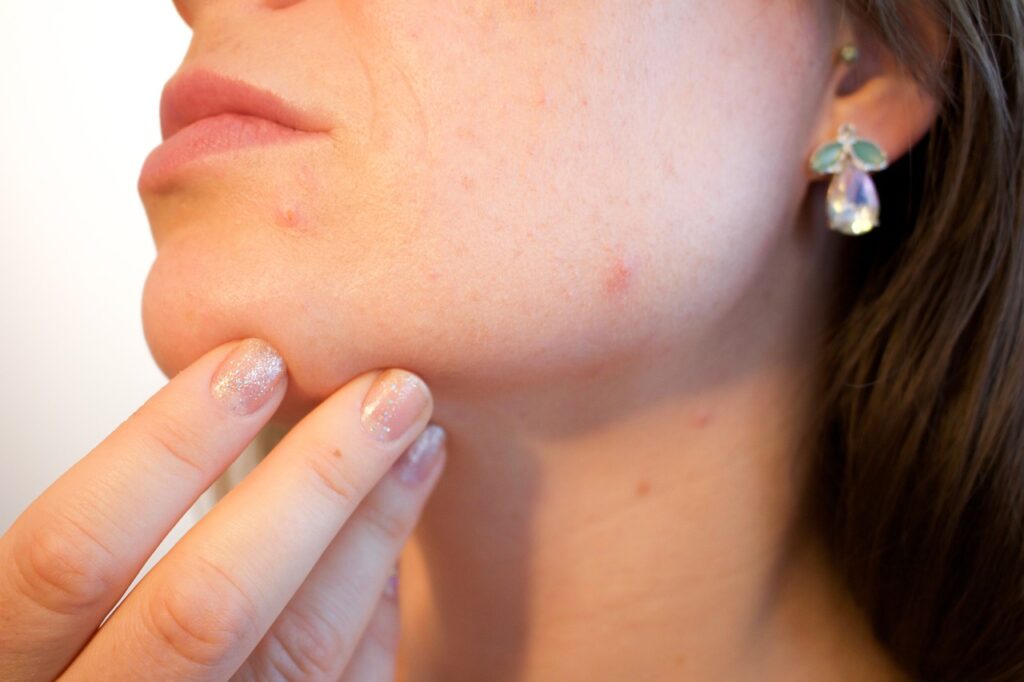
Topical creams
Silicone-based creams
Silicone-based creams are a popular option for improving the appearance of scars on the face. These creams create a protective barrier over the scar, helping to lock in moisture and promote healing. They also assist in reducing redness, inflammation, and itching. Silicone-based creams are generally well-tolerated and can be used on both new and old scars. It is important to note that results may vary depending on the individual and the severity of the scar. Consistent and regular application is key for the best outcome.
Vitamin E creams
Vitamin E creams are another commonly used treatment for facial scars. Vitamin E is a powerful antioxidant that aids in the healing process by reducing inflammation and promoting tissue repair. When applied topically, it can help improve the appearance of scars, making them less noticeable. However, it is important to understand that not all studies have shown significant benefits of vitamin E creams on scars, and in some cases, it may even cause skin irritation or allergic reactions. It is advisable to consult with a dermatologist before using vitamin E creams.
Retinoid creams
Retinoid creams, derived from Vitamin A, have been found to be effective in treating certain types of scars, particularly acne scars. They work by increasing collagen production, which can help smooth out the skin’s texture and minimize the visibility of scars. Retinoid creams should be used with caution, as they can cause skin irritation, redness, and sensitivity to sunlight. It is essential to follow the instructions provided by a healthcare professional and discontinue use if any adverse reactions occur.
Corticosteroid creams
Corticosteroid creams are commonly used to reduce inflammation and itching associated with scars. They work by suppressing the immune response and can help flatten raised scars, such as keloids or hypertrophic scars. These creams are usually prescribed by a healthcare professional and should be used under medical supervision due to potential side effects, including thinning of the skin and discoloration. Regular monitoring is essential when using corticosteroid creams to ensure their efficacy and safety.
Medical procedures
Dermabrasion
Dermabrasion is a medical procedure that involves the removal of the upper layer of the skin using a rotating brush or diamond wheel. This treatment is particularly effective for surface-level scars, such as acne scars or pigmentation irregularities. Dermabrasion stimulates collagen production, resulting in smoother and more even-toned skin. However, it may require multiple sessions and may have a longer recovery time compared to other procedures. It is important to consult with a qualified dermatologist to determine if dermabrasion is the right treatment option for your specific scarring concerns.
Microdermabrasion
Microdermabrasion is a less aggressive alternative to dermabrasion and is suitable for individuals with milder scarring. It involves the use of a special device to exfoliate and remove the outermost layer of the skin, helping to improve the appearance of scars. Microdermabrasion is a non-invasive procedure that requires no downtime and can be done in a dermatologist’s office. However, it may not be as effective for deeper scars and may require multiple sessions for optimal results.
Chemical peels
Chemical peels involve the application of a chemical solution to the skin, which causes controlled damage and exfoliation. This process stimulates the growth of new, healthier skin, reducing the appearance of scars. Chemical peels can be tailored to different skin types and scar types, ranging from superficial peels for mild scarring to deeper peels for more severe scars. It is crucial to consult with a dermatologist to determine the appropriate strength and type of chemical peel for your specific needs.
Laser resurfacing
Laser resurfacing has gained popularity as an effective treatment for various types of scars, including acne scars and surgical scars. This procedure uses concentrated beams of light to precisely remove the outer layers of damaged skin, stimulating collagen production and promoting skin regeneration. Laser resurfacing can be performed with different types of lasers, including ablative and non-ablative lasers, depending on the depth and severity of the scars. It is important to undergo this treatment under the care of a qualified healthcare professional, as post-treatment care and precautions are crucial for optimal results.
Microneedling
Microneedling, also known as collagen induction therapy, is a minimally invasive procedure that involves using a device with fine needles to create tiny punctures in the skin. These micro-injuries trigger the body’s natural healing response, stimulating collagen production and improving the appearance of scars. Microneedling can be an effective treatment for various types of scars, including acne scars and stretch marks. Multiple sessions may be required to achieve optimal results, and it is essential to follow the aftercare instructions provided by the dermatologist.
Cryotherapy
Cryotherapy involves freezing the scar tissue using liquid nitrogen or another freezing agent. This freezing process damages the scar tissue, causing it to gradually slough off and be replaced by new, healthy skin. Cryotherapy is typically used for raised scars, such as keloids or hypertrophic scars, and can be an effective treatment option. However, it may require multiple sessions, and there is a risk of hypopigmentation or discoloration of the treated area. It is crucial to consult with a dermatologist to determine if cryotherapy is suitable for your specific scarring concerns.
Injectable treatments
Corticosteroid injections
Corticosteroid injections are a common treatment for raised scars, such as keloids or hypertrophic scars. These injections work by reducing inflammation and suppressing the immune response, which can help flatten and soften the appearance of the scar. Corticosteroid injections are typically administered by a healthcare professional and may require multiple sessions for optimal results. It is important to note that these injections should only be performed by a qualified healthcare provider due to potential side effects and risks associated with improper administration.
Collagen or hyaluronic acid injections
Collagen or hyaluronic acid injections are used to fill in depressed or indented scars, such as acne scars or surgical scars. These injections help plump up the skin and create a smoother surface by replacing or augmenting the natural collagen or hyaluronic acid in the skin. The results of these injections are temporary and may require maintenance treatments. It is essential to consult with a dermatologist or a qualified aesthetic healthcare provider to determine the most suitable filler and injection technique for your specific needs.
Platelet-rich plasma (PRP) injections
Platelet-rich plasma (PRP) injections have gained popularity in recent years as a treatment for various skin concerns, including scars. PRP is derived from a person’s own blood and contains a concentration of platelets and growth factors. When injected into the skin, PRP stimulates collagen production and promotes tissue regeneration, leading to an improvement in the appearance of scars. Multiple sessions may be necessary to achieve optimal results, and it is important to undergo PRP injections under the supervision of a qualified healthcare professional.
Natural remedies
Aloe vera
Aloe vera is a well-known natural remedy for various skin conditions, including scars. It has moisturizing and soothing properties that can help reduce inflammation and promote wound healing. Applying aloe vera gel directly to the scar can help improve its appearance over time. It is important to use pure, organic aloe vera gel and to patch test it on a small area of skin before widespread application to ensure there are no adverse reactions.
Coconut oil
Coconut oil has been used for centuries as a traditional remedy for scars and skin conditions. It contains fatty acids that help moisturize and nourish the skin, promoting its healing and regeneration. Massaging coconut oil onto the scarred area can help soften the scar tissue and reduce its visibility. However, it is important to note that coconut oil may not be suitable for all skin types and may cause clogged pores or breakouts in some individuals. It is advisable to consult with a dermatologist before using coconut oil as a scar treatment.
Honey
Honey has antibacterial and anti-inflammatory properties that can aid in wound healing and scar reduction. Applying a thin layer of honey to the scarred area and leaving it on for a designated period can help promote healing and reduce the appearance of scars. It is essential to use raw, organic honey and avoid applying it to open wounds or broken skin. Some individuals may be allergic to honey, so a patch test is recommended before using it as a scar treatment.
Rosehip seed oil
Rosehip seed oil is rich in vitamins, antioxidants, and essential fatty acids that can help improve the appearance of scars. It has been found to promote skin regeneration, reduce inflammation, and minimize the visibility of scars. Gently massaging rosehip seed oil onto the scarred area can help nourish the skin and stimulate collagen production. It is important to use organic, cold-pressed rosehip seed oil and to check for any potential allergies before using it as a scar treatment.
Lemon juice
Lemon juice contains natural alpha hydroxy acids (AHAs) that can help exfoliate the skin and lighten dark spots or hyperpigmentation associated with scars. The acidic nature of lemon juice can also stimulate collagen production and promote skin regeneration. However, lemon juice can be irritating to the skin and may cause photosensitivity, so it is important to use it with caution. It is advisable to dilute lemon juice with water before applying it to the skin and to avoid sun exposure after application.
Tea tree oil
Tea tree oil is known for its antimicrobial and anti-inflammatory properties, making it a popular natural remedy for acne scars. It can help cleanse the skin, reduce redness and inflammation, and promote healing. However, tea tree oil should always be diluted with a carrier oil, as it can be harsh on the skin and cause irritation or allergic reactions if used undiluted. Conducting a patch test and consulting with a dermatologist before using tea tree oil as a scar treatment is recommended.
Over-the-counter scar treatments
Scar healing patches
Scar healing patches are adhesive strips that are placed over scars to provide a protective barrier and promote healing. These patches typically contain silicone gel, which can help flatten and soften the appearance of scars. Scar healing patches are easy to use and can be worn discreetly under clothing. Regular and consistent use is important for the best results. It is essential to follow the instructions provided by the manufacturer and to consult with a healthcare professional if any adverse reactions occur.
Scar gels
Scar gels, similar to silicone-based creams, contain ingredients such as silicone or onion extract that help improve the appearance of scars. These gels create a protective barrier over the scar and assist in reducing redness, inflammation, and itching. Scar gels are typically applied directly to the scarred area and should be used regularly for several weeks to months to achieve optimal results. It is important to choose a scar gel that is suitable for your skin type and to consult with a dermatologist if needed.
Scar creams
Scar creams are formulated to help fade and soften the appearance of scars. They often contain ingredients like vitamin E, aloe vera, or allantoin, which have moisturizing and healing properties. Regularly massaging the scar cream onto the affected area can help improve blood circulation and stimulate collagen production. It is important to choose a scar cream that suits your specific scar type and to follow the instructions provided by the manufacturer. If any adverse reactions occur, it is advisable to consult with a healthcare professional.
Silicone sheets
Silicone sheets are designed to be placed directly on scars to create a protective barrier and promote healing. These sheets are made of medical-grade silicone and are reusable and washable. By applying gentle pressure to the scarred area, silicone sheets can help flatten and soften the appearance of scars over time. It is important to clean the silicone sheets regularly and to follow the instructions provided for optimal results.
Non-invasive treatments
Radiofrequency therapy
Radiofrequency therapy involves the use of radiofrequency energy to heat the deeper layers of the skin, stimulating collagen production and tightening loose or scarred skin. This treatment can be effective for various types of scars, including acne scars and surgical scars. Radiofrequency therapy is generally well-tolerated and requires no downtime, making it a popular option for individuals seeking non-invasive scar treatments. However, multiple sessions may be necessary to achieve optimal results, and it is important to undergo this treatment under the supervision of a qualified healthcare professional.
Ultrasound therapy
Ultrasound therapy, also known as high-frequency focused ultrasound, delivers concentrated energy to the deeper layers of the skin, promoting collagen production and skin rejuvenation. This treatment can help improve the appearance of scars by stimulating tissue repair and remodeling. Ultrasound therapy is non-invasive and typically requires no downtime. However, it may take several months to see noticeable results, and multiple sessions may be necessary for optimal improvement. It is important to consult with a qualified healthcare professional to determine if ultrasound therapy is suitable for your specific scarring concerns.
LED light therapy
LED light therapy utilizes different wavelengths of light to target specific skin concerns, including scars. Red LED light has been found to promote collagen production, improve blood circulation, and accelerate the healing process, making it beneficial for scar reduction. Blue LED light has antibacterial properties that can help control acne and prevent further scarring. LED light therapy is non-invasive and has no downtime, making it a convenient option for scar treatment. However, multiple sessions may be required to achieve optimal results, and it is important to undergo this treatment under the guidance of a qualified healthcare professional.
Cooling therapy
Cooling therapy, such as cryotherapy or cold compresses, can help reduce inflammation and soothe the skin, making it an effective adjunct treatment for scars. Cold temperatures help minimize blood flow to the scarred area, reducing swelling and discomfort. Applying a cold compress or undergoing cryotherapy can help alleviate symptoms and improve the healing process. It is important to follow the instructions provided by a healthcare professional and to avoid prolonged exposure to extreme cold temperatures to prevent any adverse effects.
Prescription medications
Steroid creams
Steroid creams, also known as topical corticosteroids, are available in different strengths and can be prescribed by a healthcare professional for the treatment of various types of scars. These creams work by reducing inflammation, itching, and redness associated with scars, helping to improve their appearance. Steroid creams should be used under medical supervision and for a limited duration, as prolonged use can lead to side effects such as skin thinning and discoloration. It is essential to follow the instructions provided by the healthcare professional and to report any adverse reactions.
Retinoic acid
Retinoic acid, a derivative of vitamin A, is available in prescription-strength creams and is commonly used to treat acne scars. It works by promoting cell turnover and collagen production, which can help improve the texture and appearance of scars. Retinoic acid creams should be used under medical supervision, as they can cause skin irritation, sensitivity to sunlight, and dryness. It is important to follow the instructions provided by the healthcare professional and to discontinue use if any adverse reactions occur.
Immunomodulators
Immunomodulators, such as tacrolimus or pimecrolimus, are prescription medications that work by suppressing the immune response and reducing inflammation associated with certain types of scars, such as keloids or hypertrophic scars. These medications are typically prescribed when other treatments have been ineffective or are not suitable. It is important to use immunomodulators under medical supervision, as they can have potential side effects and require regular monitoring. Following the instructions provided by the healthcare professional is crucial for the best outcome.
Surgical scar revision
Scar excision
Scar excision is a surgical procedure that involves removing the scar tissue and closing the wound with sutures. This technique can be effective for large, highly visible scars that have not responded to non-surgical treatments. Scar excision can help improve the appearance of the scar, although there will still be a new scar from the surgical incision. It is important to consult with a qualified plastic surgeon to determine if scar excision is appropriate for your specific scarring concerns.
Skin grafting
Skin grafting is a surgical procedure that involves taking a piece of healthy skin from one part of the body and transplanting it onto the scarred area. This technique is commonly used for large scars or scars that cannot be easily closed with sutures. Skin grafting can help improve the appearance and function of the scar, although there will still be a new scar from the donor site. It is important to consult with a qualified plastic surgeon to determine if skin grafting is suitable for your specific scarring concerns.
Tissue expansion
Tissue expansion is a surgical technique that involves stretching the skin near the scarred area by placing a balloon-like device called an expander underneath it. Over time, the expander is gradually filled with saline solution, which causes the skin to expand and create new, healthy tissue. Once the skin has stretched sufficiently, the expander is removed, and the expanded skin is used to cover the scarred area. Tissue expansion can be an effective option for large scars that require extensive reconstructive surgery. It is important to consult with a qualified plastic surgeon to determine if tissue expansion is appropriate for your specific scarring concerns.
Z-plasty
Z-plasty is a surgical technique that involves creating a zigzag-shaped incision near the scarred area, which can help reposition and redirect the scar, making it less noticeable. This technique utilizes the natural lines and creases of the skin to create a more aesthetically pleasing scar. Z-plasty is commonly performed for scars that are tight, contracted, or located in areas of tension. It is important to consult with a qualified plastic surgeon to determine if Z-plasty is suitable for your specific scarring concerns.
W-plasty
W-plasty is a surgical technique that is similar to Z-plasty but involves creating multiple triangular-shaped incisions in a W pattern near the scarred area. This technique can help break up the straight lines of a scar, making it less noticeable. W-plasty is commonly used for scars that are linear or parallel and can be performed alone or in combination with other scar revision techniques. It is important to consult with a qualified plastic surgeon to determine if W-plasty is appropriate for your specific scarring concerns.
Combination therapies
Topical creams + Medical procedures
Combining topical creams with medical procedures can provide enhanced results for scar treatment. For example, using silicone-based creams in conjunction with dermabrasion or laser resurfacing can help optimize outcomes by providing a moisturized and protected environment for the healing skin. It is important to consult with a dermatologist or plastic surgeon to determine the most suitable combination therapy for your specific scarring concerns.
Topical creams + Injectable treatments
Combining topical creams with injectable treatments can be beneficial for certain types of scars. For instance, using corticosteroid injections along with silicone-based creams can help flatten and soften raised scars while reducing inflammation and itchiness. It is crucial to discuss with a healthcare professional to determine the most appropriate combination therapy for your specific scarring concerns.
Medical procedures + Injectable treatments
Combining medical procedures with injectable treatments can yield improved scar reduction results. For example, using laser resurfacing in conjunction with collagen or hyaluronic acid injections can address both the surface texture and volume loss associated with scars. It is essential to consult with a dermatologist or plastic surgeon to determine the optimal combination therapy for your specific scarring concerns.
Topical creams + Natural remedies
Combining topical creams with natural remedies can provide a holistic approach to scar treatment. For example, using aloe vera gel or coconut oil in combination with scar creams or gels can provide added hydration and nourishment to the skin, promoting faster healing and scar reduction. It is important to consult with a dermatologist to ensure compatibility and safety when combining topical creams with natural remedies.
Medical procedures + Natural remedies
Combining medical procedures with natural remedies can complement each other in scar treatment. For instance, using microneedling or laser resurfacing in conjunction with rosehip seed oil or honey can help improve collagen production and skin regeneration, while also benefiting from the healing and soothing properties of natural remedies. It is crucial to consult with a dermatologist or plastic surgeon to determine the most suitable combination therapy for your specific scarring concerns.
Natural remedies + Over-the-counter scar treatments
Combining natural remedies with over-the-counter scar treatments can provide a comprehensive approach to scar reduction. For example, using scar healing patches while applying tea tree oil or aloe vera gel can provide protective and healing benefits to the scar, promoting faster and more effective results. It is essential to follow the instructions provided by the manufacturers and consult with a healthcare professional if any adverse reactions occur.
Non-invasive treatments + Prescription medications
Combining non-invasive treatments with prescription medications can enhance the results of scar treatment. For instance, undergoing radiofrequency therapy while using steroid creams can help reduce inflammation and tighten the skin, resulting in improved scar appearance. It is important to follow the instructions and guidance provided by the healthcare professional to ensure safe and effective combination therapy.
Non-invasive treatments + Surgical scar revision
Combining non-invasive treatments with surgical scar revision can provide comprehensive scar treatment for challenging cases. For example, undergoing ultrasound therapy or LED light therapy before or after scar revision surgery can help optimize skin quality, promote healing, and minimize post-operative scarring. It is essential to consult with a qualified plastic surgeon to determine the most suitable combination therapy for your specific scarring concerns.
Prevention and care
Proper wound care
Proper wound care is essential in preventing excessive scarring. It is important to clean wounds gently with mild soap and water, pat them dry, and keep them covered with a sterile bandage until healed. Avoid picking or scratching at scabs as this can lead to increased scarring. Keep the wound moisturized with petroleum jelly or a recommended wound healing ointment to promote optimal healing.
Sun protection
Protecting scars from the sun’s harmful UV rays can help prevent worsening of their appearance. UV exposure can cause hyperpigmentation or darkening of scars, making them more noticeable. It is important to apply a broad-spectrum sunscreen with an SPF of at least 30 to the scarred area whenever exposed to the sun. Wearing protective clothing and seeking shade during peak sun hours are also recommended.
Avoiding picking or scratching
Picking or scratching at scars can disrupt the healing process and increase scarring. It is important to resist the urge to touch or manipulate the scarred area, as this can lead to infection and prolonged healing time. If itching is a concern, consult with a healthcare professional for appropriate treatment options, such as topical corticosteroids or antihistamines.
Avoiding smoking
Smoking can impede the healing process and increase the risk of developing more severe scars. Nicotine restricts blood vessels, decreasing oxygen and nutrient flow to the skin, which can impair wound healing. Quitting smoking or avoiding exposure to secondhand smoke is crucial for optimal scar healing.
Maintaining a healthy diet
Eating a balanced diet rich in vitamins, minerals, and antioxidants can support the healing process and promote healthy skin. A diet high in fruits, vegetables, lean proteins, and whole grains provides the necessary nutrients for optimal scar healing. It is important to stay hydrated by drinking an adequate amount of water to support skin hydration and regeneration.
Monitoring scars for changes
Regularly monitoring scars for any changes is important to ensure timely intervention if needed. Look for signs of infection, such as increased redness, swelling, warmth, or pus formation. Also, monitor for any changes in size, color, or texture of the scar. If you notice any concerning changes, it is important to consult with a healthcare professional.
Using scar tape or silicone sheets
Using scar tape or silicone sheets can help improve the appearance of scars. These products provide pressure and create a protective barrier over the scar, promoting collagen synthesis and tissue remodeling. It is important to follow the instructions provided by the manufacturer and consult with a healthcare professional for appropriate usage recommendations.
In conclusion, there are various treatment options available for scars on the face. Topical creams, medical procedures, injectable treatments, natural remedies, over-the-counter scar treatments, non-invasive treatments, prescription medications, and surgical scar revision all offer different approaches to scar reduction. Combination therapies can further enhance the results of scar treatment. Preventive measures, such as proper wound care, sun protection, avoiding picking or scratching, quitting smoking, maintaining a healthy diet, monitoring scars for changes, and using scar tape or silicone sheets, are crucial for optimal scar healing. It is important to consult with a healthcare professional or dermatologist to determine the most suitable treatment plan based on individual needs and scar characteristics. With the right approach and consistent care, the appearance of facial scars can be significantly improved.