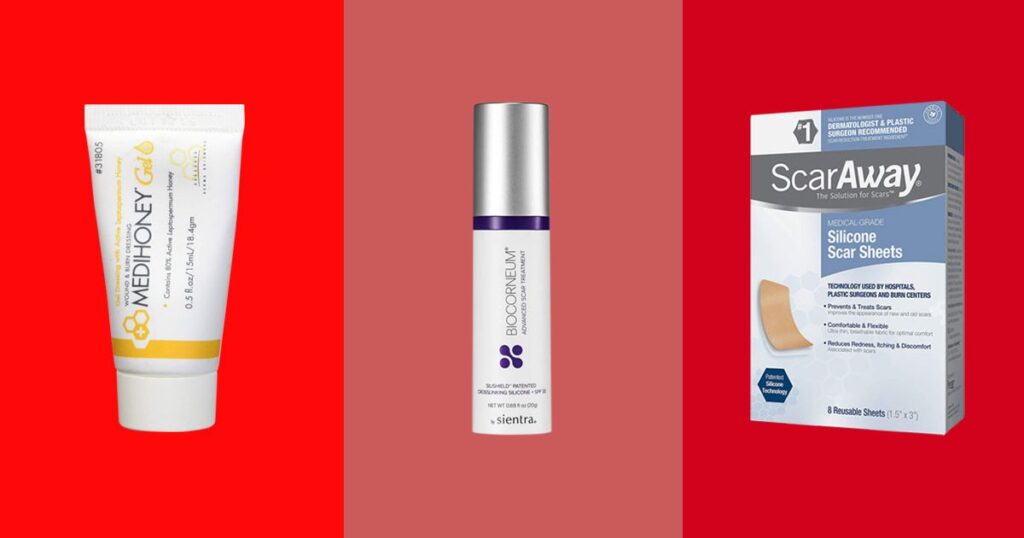
Finding the best cream for scarring on your face can be a daunting task, but fear not! In this article, we have gathered expert recommendations to help you navigate through the countless options available in the market. Whether you are dealing with acne scars, surgical scars, or any other kind of scarring, we have got you covered. Say goodbye to the stress of trying multiple products and let the experts guide you towards the perfect cream for your specific needs. With their advice, you can take confident steps towards achieving smoother, more even-toned skin.

Understanding Facial Scarring
Facial scarring is a common concern for many individuals, as it can affect not only physical appearance but also self-confidence. Understanding the causes and types of facial scars is essential in finding the right solutions for scar treatment and prevention.
Causes of facial scarring
Facial scars can be caused by various factors, including accidents, surgeries, burns, acne, and even certain medical conditions. While some scars may fade over time, others may be more persistent.
Types of facial scars
There are different types of facial scars, each with its own characteristics and treatment options. Some common types of facial scars include atrophic scars, hypertrophic scars, keloid scars, and contracture scars. Atrophic scars are characterized by sunken areas on the skin, while hypertrophic scars are raised and thickened. Keloid scars form when the body produces excessive amounts of collagen, and contracture scars result from the tightening of the skin after a burn or injury.
Factors affecting scar formation
Various factors can influence the formation and severity of facial scars. These include genetics, age, skin type, location of the scar, depth and size of the wound, and the individual’s overall health. It is important to consider these factors when choosing the right scar treatment options.
Importance of Choosing the Right Cream
Using creams for facial scarring can be an effective way to minimize the appearance of scars and promote skin healing. However, it is crucial to select the right cream that suits your specific needs.
Why use creams for facial scarring?
Creams for facial scarring are formulated to improve the texture, color, and overall appearance of scars. These creams often contain ingredients that promote collagen production, reduce inflammation, moisturize the skin, and protect it from harmful environmental factors. They can also help fade hyperpigmentation and improve skin elasticity.
Benefits of using scar creams
Using scar creams offers several benefits. Not only do they help reduce the appearance of scars, but they also provide hydration to the skin, reduce itchiness and discomfort associated with scarring, and protect the skin from further damage. Scar creams can also enhance the overall skin tone and texture, making them an excellent addition to any skincare routine.
Considerations for choosing a cream
When choosing a cream for facial scarring, there are several factors to consider. First and foremost, look for a cream that contains key ingredients known for their scar-reducing properties. It is also important to consider your skin type and any specific concerns or allergies you may have. Additionally, consult with a dermatologist to ensure you choose a cream that is safe and appropriate for your individual needs.
Key Ingredients to Look for
Certain ingredients have been found to be particularly effective in reducing the appearance of facial scars. When shopping for scar creams, keep an eye out for the following key ingredients:
Silicone
Silicone is a well-known ingredient in scar creams and is widely recommended by dermatologists. It forms a protective barrier over the scar, locking in moisture and creating an optimal healing environment. Silicone has been shown to help flatten and soften scars, making them less noticeable over time.
Vitamin E
Vitamin E is a powerful antioxidant that can help nourish the skin and promote healing. It has been shown to improve the appearance of scars by increasing collagen production and reducing inflammation. Vitamin E is often found in scar creams due to its moisturizing and skin-regenerating properties.
Allantoin
Allantoin is a natural compound that has soothing and moisturizing properties. It helps promote skin cell regeneration, allowing scars to heal more effectively. Allantoin also helps soften and smooth the skin, reducing the appearance of scars over time.
Rosehip oil
Rosehip oil is rich in essential fatty acids, vitamins, and antioxidants that can aid in scar healing. It has been used for centuries to improve the appearance of scars, stretch marks, and other skin imperfections. Rosehip oil helps moisturize the skin and promote cellular turnover, resulting in a smoother and more even complexion.
Popular Creams for Facial Scarring
Now that we have discussed the importance of choosing the right cream and the key ingredients to look for, let’s explore some popular creams for facial scarring:
Cream A
Cream A is a dermatologist-recommended scar cream that contains a blend of silicone, vitamin E, and allantoin. It is specially formulated to reduce the appearance of all types of facial scars, including acne scars and surgical scars. Cream A is known for its hydrating properties and effectiveness in improving the overall texture of the skin.
Cream B
Cream B is a silicone-based scar cream enriched with rosehip oil. It is designed to diminish the appearance of both new and old scars. Cream B is non-greasy and absorbs quickly into the skin, making it suitable for daily use. This cream is also effective in reducing redness and improving the elasticity of the skin.
Cream C
Cream C is a unique scar cream that combines the benefits of silicone, vitamin E, and allantoin with other natural extracts. It is specifically formulated to improve the appearance of hypertrophic and keloid scars. Cream C is known for its fast-acting formula that can deliver noticeable results within a few weeks of consistent use.
Cream D
Cream D is a popular scar cream that contains a high concentration of silicone. It is recommended for individuals with severe scarring, including burn scars and contracture scars. Cream D forms a protective barrier over the scar, allowing the skin to heal naturally while preventing further damage or irritation.

Triple-Action Creams
Triple-action creams are an advanced type of scar cream that offer additional benefits beyond scar reduction. Let’s explore what makes them different and the benefits they provide.
What are triple-action creams?
Triple-action creams are specially formulated scar creams that address multiple aspects of scar healing. They typically contain a combination of ingredients that moisturize the skin, promote collagen production, and provide protection from harmful UV rays.
Benefits of triple-action creams
Triple-action creams offer a comprehensive approach to scar treatment. By moisturizing the skin, they help improve its overall health and elasticity. These creams also stimulate collagen production, which can enhance the skin’s natural healing process and minimize the appearance of scars over time. Additionally, triple-action creams often include ingredients that protect the skin from sun damage, preventing hyperpigmentation and reducing the risk of scar darkening.
Cream E
Cream E is a highly recommended triple-action scar cream that combines the benefits of silicone, vitamin E, and sunscreen protection. It is designed to reduce the appearance of scars while moisturizing and nourishing the skin. Cream E’s broad-spectrum SPF provides essential sun protection, helping prevent further damage to the scar and surrounding area. Regular use of Cream E can result in softer, smoother, and less noticeable scars.
Natural Remedies for Facial Scarring
While scar creams are an excellent option for scar management, some individuals prefer natural remedies. Here are a few natural ingredients known for their scar-reducing properties:
Aloe vera
Aloe vera has long been used for its soothing and healing properties. It can help reduce inflammation and redness associated with scars while promoting skin regeneration. Applying pure aloe vera gel to scars daily can help moisturize the skin and fade the appearance of scars.
Coconut oil
Coconut oil is a versatile ingredient known for its moisturizing and nourishing effects. It contains fatty acids that can help hydrate the skin, reducing the dryness often associated with scars. Regularly massaging coconut oil into scars can help improve their texture and appearance.
Lemon juice
Lemon juice contains natural acids that can help exfoliate the skin and lighten dark spots. It can be applied topically to scars to help fade their appearance over time. However, it is important to remember that lemon juice can make the skin more sensitive to sunlight, so proper sun protection is essential.
Honey
Honey has antibacterial and moisturizing properties that can benefit healing scars. Applying honey to scars can help prevent infection, reduce inflammation, and promote faster healing. Honey’s natural humectant properties also help keep the skin hydrated and supple.

Medical Procedures for Scarring
In some cases, over-the-counter creams and natural remedies may not be enough to effectively reduce the appearance of facial scars. In such situations, medical procedures may be recommended. Here are some common medical procedures for scarring:
Laser therapy
Laser therapy involves using intense beams of light to target and break down scar tissue. This procedure stimulates collagen production and helps resurface the skin, reducing the appearance of scars. Laser therapy is often used for raised scars, such as hypertrophic and keloid scars.
Chemical peels
Chemical peels involve applying a chemical solution to the skin, which exfoliates the outer layers and promotes skin regeneration. This procedure can reduce the appearance of superficial scars by removing damaged skin and stimulating new cell growth.
Microdermabrasion
Microdermabrasion is a non-invasive procedure that uses a diamond-tipped wand or fine crystals to gently exfoliate the skin. This process removes dead skin cells and stimulates collagen production, improving the texture and appearance of scars.
Scar revision surgery
Scar revision surgery is an option for individuals with severe or deep facial scars. It involves removing the scar tissue and repositioning the skin to minimize the scar’s visibility. This procedure can be performed using various techniques, depending on the type and location of the scar.
Tips for Choosing and Using Facial Scar Creams
Choosing and using facial scar creams can be a straightforward process, provided you keep a few key tips in mind:
Consult with a dermatologist
Before starting any scar treatment, it is always advisable to consult with a dermatologist. They can assess your specific needs, recommend suitable creams, and provide guidance on the best course of action for your facial scars.
Read product labels
When choosing a facial scar cream, carefully read the product labels to understand the ingredients, usage instructions, and any possible side effects. This information can help you make an informed decision and ensure that the cream is safe for your skin.
Perform a patch test
Before applying any scar cream to your face, perform a patch test on a small area of skin. This will help you determine if you have any adverse reactions or allergies to the product. If any irritation occurs, discontinue use immediately and consult with a dermatologist.
Follow usage instructions
To get the best results from your facial scar cream, it is essential to follow the recommended usage instructions. Apply the cream as directed and be consistent with your application routine. Remember that results may vary from person to person, so be patient and give the cream enough time to show its effectiveness.

Preventive Measures to Minimize Scarring
While treating existing facial scars is important, taking preventive measures can also help minimize the risk of future scarring. Here are some preventive measures to consider:
Protect from sun exposure
Exposure to the sun’s harmful UV rays can darken scars and make them more noticeable. Protect your facial scars from the sun by wearing sunscreen with a high SPF and avoiding prolonged sun exposure, especially during peak hours.
Avoid picking or scratching scars
Picking or scratching at scars can delay the healing process and increase the risk of infection. It can also lead to the formation of new scars or worsen existing ones. Be patient and refrain from touching or picking at your facial scars.
Keep the area clean
Keeping the area around your facial scars clean is essential for preventing infections and promoting healing. Gently cleanse the area with a mild, non-irritating cleanser and pat it dry with a soft towel. Avoid using harsh soaps or scrubbing vigorously, as this can irritate the skin and worsen scarring.
Maintain a healthy lifestyle
Maintaining a healthy lifestyle can help promote overall skin health and reduce the risk of scarring. Eat a balanced diet rich in fruits, vegetables, and other nutritious foods that support skin regeneration. Stay hydrated, get enough sleep, and manage stress effectively to support the body’s natural healing processes.
Conclusion
Understanding facial scarring and choosing the right cream for scar treatment and prevention is crucial for achieving optimal results. Whether you opt for over-the-counter scar creams, natural remedies, or medical procedures, it is important to consider your individual needs and consult with a dermatologist. By incorporating scar creams into your skincare routine, following preventive measures, and exploring various treatment options, you can minimize the appearance of facial scars and boost your self-confidence. Remember, it takes time and consistency to see significant improvements, so be patient and gentle with yourself throughout the process.