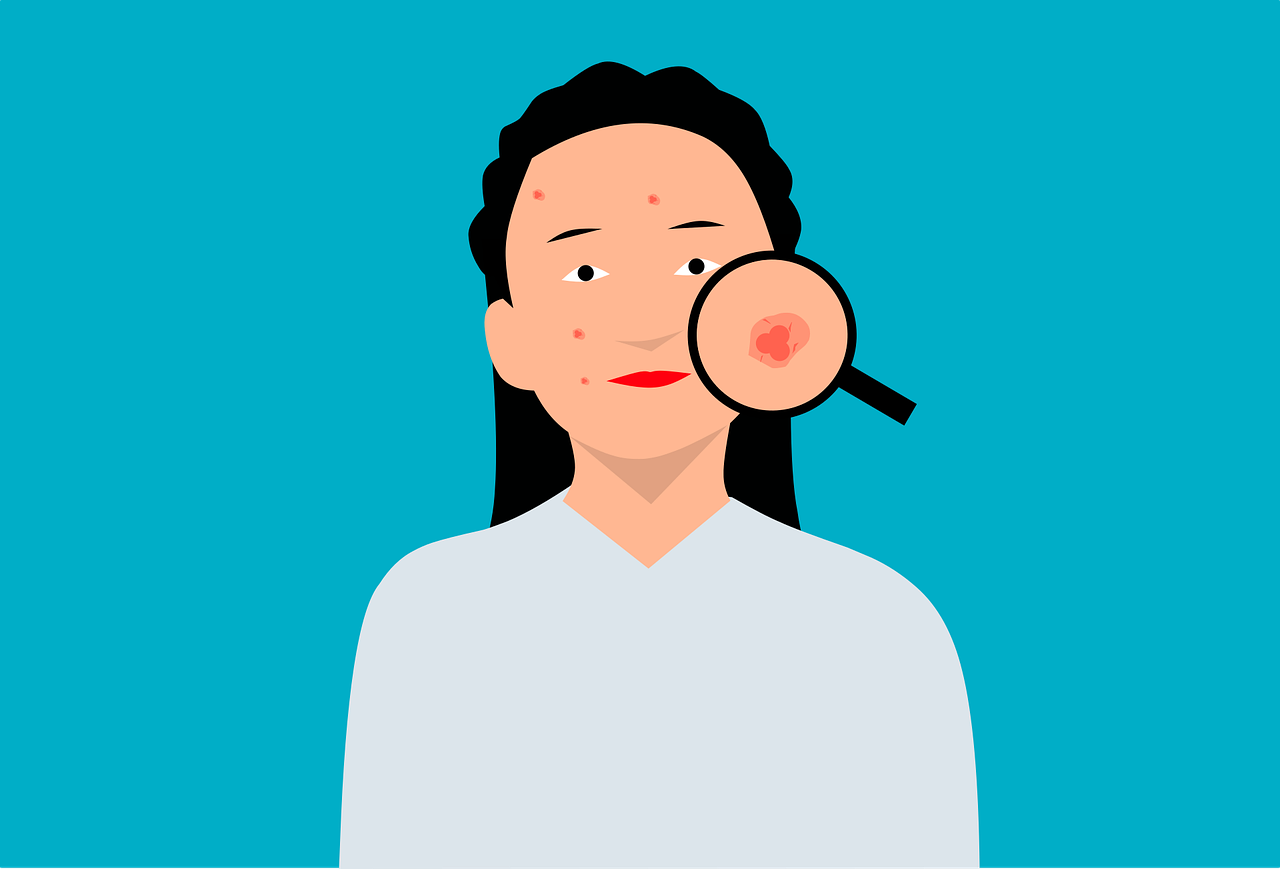
If you’ve been struggling with acne scars and want to find natural remedies that actually work, look no further. In this article, you’ll discover a variety of DIY solutions to help minimize the appearance of acne scars and achieve smoother, clearer skin. Forget about expensive treatments or harsh chemicals – we’re here to guide you through easy, affordable, and effective methods to naturally remove those unwanted reminders of past breakouts. Say goodbye to acne scars and hello to newfound confidence.
Understanding Acne Scars
Acne scars can be a frustrating and persistent reminder of past breakouts. Understanding what causes acne scars and the different types of scars can help you develop a plan to prevent and treat them effectively. Acne scars are a result of inflammation and damage to the skin caused by acne. They can be categorized into different types, including ice pick scars, boxcar scars, rolling scars, and hypertrophic scars.
Types of Acne Scars
- Ice Pick Scars: These scars are deep and narrow, resembling small holes or punctures on the skin.
- Boxcar Scars: These scars have sharp, well-defined edges that create a box-like appearance on the skin.
- Rolling Scars: These scars have a wave-like appearance and give the skin a rolling or undulating texture.
- Hypertrophic Scars: These scars are raised and can be firm and discolored, often occurring in areas with more collagen production.
Each type of scar requires a specific approach for treatment and prevention, so it’s important to identify which type of acne scar you have before choosing the appropriate remedies and treatments.
Causes of Acne Scars
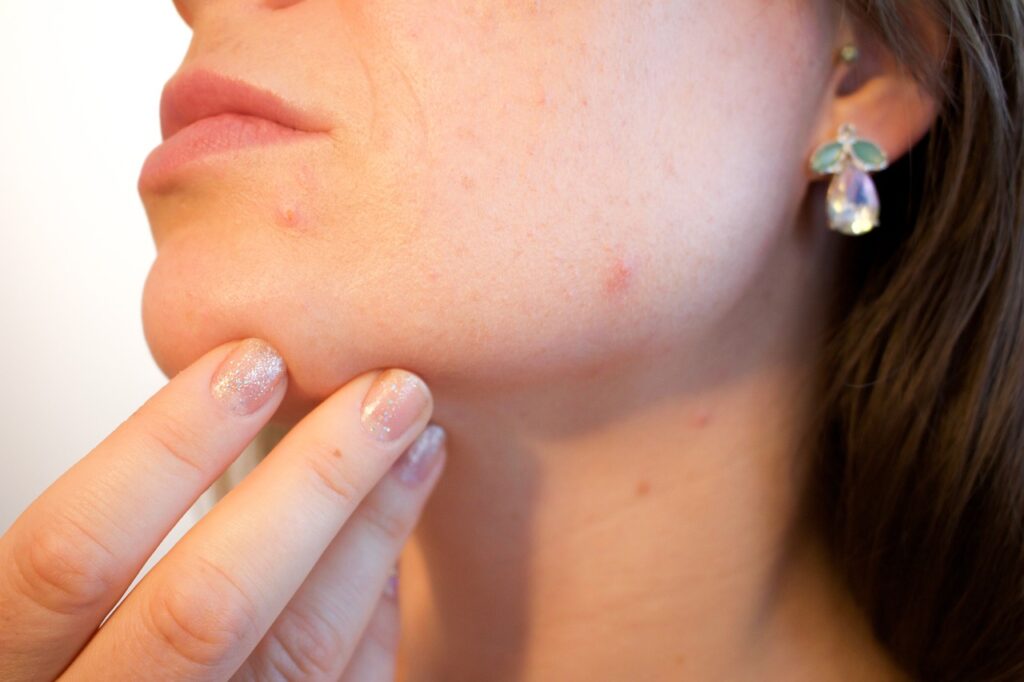
The main cause of acne scars is the inflammation that occurs when acne breakouts penetrate and damage the skin’s deeper layers. When a breakout is severe or not properly treated, the inflammation can injure the skin tissue, leading to the formation of scars. Picking or squeezing pimples can also contribute to the development of scars by damaging the skin further. Additionally, genetic factors, skin type, and the individual’s immune response can play a role in scar formation.
Factors that Affect Scar Formation
Several factors can influence the formation and severity of acne scars. These include:
- Picking or Squeezing: Repeatedly picking or squeezing pimples can worsen inflammation and increase the risk of scarring.
- Severity of Acne: More severe cases of acne, such as cystic acne, are more likely to cause scarring.
- Delayed Treatment: Failing to treat acne promptly and effectively can increase the chances of scarring.
- Skin Type: Certain skin types, such as those prone to excessive collagen production, are more susceptible to scarring.
- Healing Process: The individual’s natural healing process can impact scar development, with some people being more prone to scarring than others.
Understanding these factors can help you take proactive steps to prevent and minimize the formation of acne scars.
Preventing Acne Scars
While it may not be possible to prevent acne completely, there are steps you can take to minimize the risk of scarring. Implementing an effective skincare routine, avoiding picking or squeezing acne, and using sunscreen regularly can help prevent or reduce the appearance of acne scars.
Effective Skincare Routine
Establishing a consistent skincare routine is crucial for preventing acne and minimizing the risk of scarring. Here are some tips to consider:
- Cleansing: Use a gentle cleanser to remove dirt, excess oil, and makeup without stripping the skin of its natural moisture.
- Exfoliation: Regular exfoliation can help remove dead skin cells, unclog pores, and promote skin cell turnover. However, be cautious not to over-exfoliate, as this can irritate the skin and worsen acne.
- Moisturizing: Choose a non-comedogenic moisturizer to keep the skin hydrated without clogging pores.
- Spot Treatment: Apply a targeted spot treatment with ingredients like salicylic acid or benzoyl peroxide to help control acne breakouts.
- Hydration: Use a hydrating serum or essence to keep the skin moisturized from within.
- Protection: Apply a broad-spectrum sunscreen with at least SPF 30 daily to protect the skin from harmful UV rays, which can worsen acne scars.
Consistency and patience are key when it comes to skincare routines. Give your skin time to respond to the products you use and adjust the routine as needed.
Avoiding Picking or Squeezing Acne
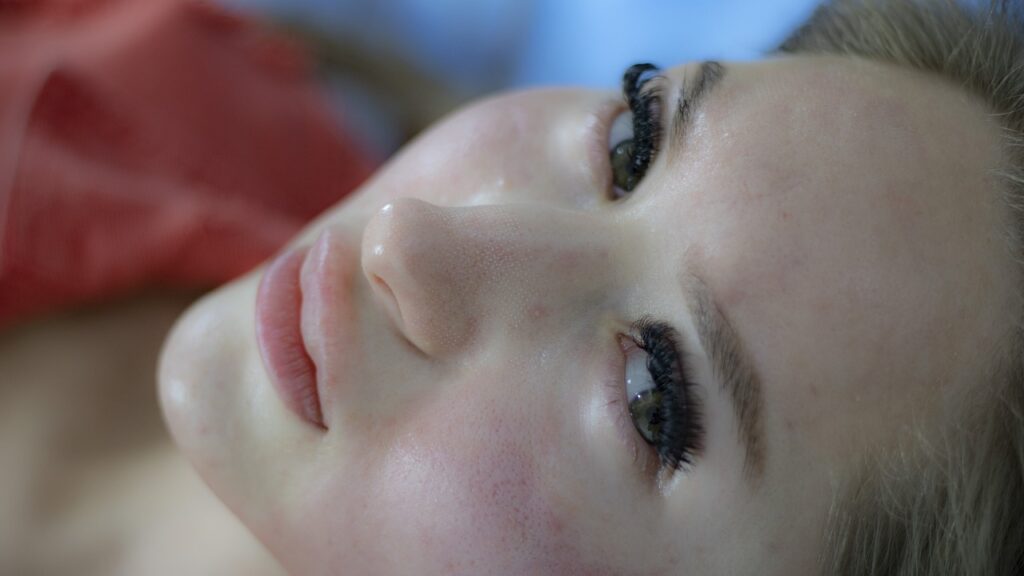
One of the most important things you can do to prevent acne scars is to resist the urge to pick or squeeze your pimples. Picking or popping acne lesions can lead to further inflammation, damage the skin, and increase the risk of scarring. Instead, opt for gentle cleansing, topical treatments, and over-the-counter acne patches to help heal and reduce the appearance of blemishes.
Using Sunscreen
Protection from the sun is essential for preventing acne scars. Sun exposure can darken existing scars and cause them to become more noticeable. Additionally, UV rays can slow down the skin’s healing process, making it harder for scars to fade over time. That’s why it’s crucial to use a broad-spectrum sunscreen with at least SPF 30 on a daily basis, even on cloudy days.
Natural Remedies for Acne Scars
Many natural remedies can help fade acne scars and improve the overall appearance of your skin. While they may not work overnight, consistent use over time can yield noticeable results. Here are some popular natural remedies for acne scars:
Lemon Juice
Lemon juice contains natural acids that act as exfoliants, helping to lighten and fade acne scars. To use lemon juice, dilute it with water and apply the mixture to the affected areas using a cotton ball. Leave it on for 10-15 minutes, then rinse off.
Honey
With its antibacterial and moisturizing properties, honey can help soothe and heal acne scars. Apply raw honey directly to the scars and leave it on for 15-20 minutes before rinsing off with warm water.
Aloe Vera
Aloe vera has anti-inflammatory properties that can help reduce redness and inflammation associated with acne scars. Apply freshly extracted aloe vera gel or a store-bought pure aloe vera gel to the scars and leave it on overnight.
Coconut Oil
Coconut oil is known for its moisturizing properties and ability to promote skin regeneration. Apply organic, cold-pressed coconut oil to your acne scars and gently massage it into the skin. Leave it on overnight for maximum benefits.
Apple Cider Vinegar
Apple cider vinegar contains alpha-hydroxy acids that can help fade scars and promote even skin tone. Mix equal parts of apple cider vinegar and water, and apply the mixture to the scars using a cotton ball. Leave it on for a few minutes, then rinse off with water.
Rosehip Oil
Rosehip oil is rich in essential fatty acids and vitamins that can aid in skin regeneration and lightening of acne scars. Apply a few drops of rosehip oil to your scars and massage it gently into the skin until absorbed.
Turmeric
Turmeric has anti-inflammatory and antioxidant properties that can help reduce the appearance of acne scars. Create a paste by mixing turmeric powder with water or honey, and apply it directly to the scars. Leave it on for 15-20 minutes, then rinse off with warm water.
Tea Tree Oil
Tea tree oil has antibacterial and anti-inflammatory properties that can help in the healing process of acne scars. Dilute tea tree oil with a carrier oil, such as coconut or jojoba oil, and apply it to the scars using a cotton ball. Leave it on for a few hours or overnight, then rinse off with water.
Baking Soda
Baking soda can act as a gentle exfoliant to help remove dead skin cells and reduce the appearance of acne scars. Mix baking soda with water to create a paste and apply it to the scars. Gently massage the paste into the skin for a few minutes, then rinse off with water.
Ice Cubes
Rubbing ice cubes on acne scars can help reduce inflammation and tighten pores, making the scars less noticeable. Wrap an ice cube in a thin cloth and gently massage it on the scars for a few minutes. Repeat this process a few times a day for best results.
Dietary and Lifestyle Changes
In addition to topical remedies, making certain dietary and lifestyle changes can contribute to the improvement of acne scars from within.
Eating a Balanced Diet
Consuming a balanced diet rich in fruits, vegetables, lean proteins, and whole grains helps support overall skin health. Incorporate foods high in antioxidants, such as berries and leafy greens, which can aid in reducing oxidative stress and promoting skin repair.
Staying Hydrated
Drinking an adequate amount of water hydrates the skin from the inside out, promoting healthy cell turnover and reducing the appearance of scars. Aim to drink at least 8 glasses of water per day to keep your skin hydrated and improve its overall appearance.
Getting Sufficient Sleep
Adequate sleep plays a crucial role in skin healing and regeneration. Lack of sleep can impair the healing process and prolong the time it takes for acne scars to fade. Aim for 7-9 hours of quality sleep each night to support your skin’s natural healing mechanisms.
Managing Stress
Stress can exacerbate acne breakouts and hinder the healing process of scars. Finding healthy ways to manage and reduce stress, such as practicing relaxation techniques, engaging in regular exercise, or seeking support from friends and family, can help improve acne scars in the long run.
Regular Exercise
Engaging in regular physical activity improves blood circulation, which promotes skin healing and regeneration. Incorporate activities like brisk walking, jogging, or yoga into your routine to help improve the appearance of acne scars.
Nurturing Skin with Essential Vitamins and Minerals
Certain vitamins and minerals play a vital role in promoting skin health and reducing the appearance of acne scars.
Vitamin E
Vitamin E is a powerful antioxidant that helps protect the skin from free radical damage and supports collagen production. Incorporate foods rich in vitamin E, such as almonds, spinach, and avocado, into your diet or consider taking a vitamin E supplement under the guidance of a healthcare professional.
Vitamin C
Vitamin C is essential for collagen synthesis and can help fade acne scars by promoting skin repair and reducing inflammation. Increase your intake of vitamin C-rich foods like citrus fruits, berries, and bell peppers, or consider using a vitamin C serum topically.
Zinc
Zinc plays a crucial role in wound healing and immune function, making it beneficial for reducing the appearance of acne scars. Consume foods high in zinc, such as oysters, lean meats, and legumes, or consider taking a zinc supplement after consulting with a healthcare professional.
Omega-3 Fatty Acids
Omega-3 fatty acids have anti-inflammatory properties and can help improve skin health and reduce the severity of acne scars. Incorporate sources of omega-3s like fatty fish (salmon, mackerel), chia seeds, and walnuts into your diet.
Silica
Silica is a mineral that promotes collagen synthesis and skin elasticity, which can help improve the appearance of acne scars. Foods rich in silica include bananas, cucumbers, and oats.
Professional Treatments for Acne Scars
If natural remedies and lifestyle changes do not provide the desired results, professional treatments can help address acne scars more effectively. Consult with a dermatologist or skincare professional to determine which treatment option is best suited for your specific needs. Some common professional treatments for acne scars include:
Chemical Peels
Chemical peels involve the application of a chemical solution to the skin, which exfoliates the outer layer and promotes the growth of new, smoother skin. This can help reduce the appearance of acne scars.
Microneedling
Microneedling involves the use of a device that creates tiny punctures in the skin to stimulate collagen production and promote skin regeneration. This procedure can improve the texture and appearance of acne scars.
Laser Resurfacing
Laser resurfacing uses laser technology to remove damaged skin cells and stimulate collagen production. It can help reduce the appearance of acne scars and improve overall skin texture.
Dermabrasion
Dermabrasion involves the use of a high-speed rotating brush to remove the outer layer of skin, allowing new skin cells to grow. This procedure can be effective in reducing the appearance of acne scars.
Filler Injections
Dermal fillers can be used to fill in atrophic or depressed acne scars, giving the skin a smoother appearance. These injections provide temporary results and may need to be repeated over time.
Tips for Safely Using Natural Remedies
When using natural remedies for acne scars, it is important to follow these tips to ensure safety and effectiveness:
Perform Patch Test
Before applying any natural remedy to your entire face, perform a patch test on a small area of skin to check for any adverse reactions or allergies.
Use Organic and Pure Ingredients
Choose natural remedies that use organic and pure ingredients to minimize the risk of irritation or further skin damage. Avoid remedies that contain additives, perfumes, or harsh chemicals.
Avoid Overuse
While natural remedies can be effective, it’s important not to overuse them. Excessive use of some ingredients, such as lemon juice or baking soda, can irritate the skin and cause further damage.
Consult a Dermatologist
If your acne scars are severe or not responding to natural remedies, it is recommended to consult a dermatologist or skincare professional for personalized advice and treatment options.
Combining Natural Remedies for Best Results
To achieve the best results in fading acne scars, it is often beneficial to combine different natural remedies. This can be done by creating DIY facial masks using a combination of ingredients like honey, lemon juice, aloe vera, and turmeric. Applying these masks regularly, targeting specific types of scars, and incorporating them into a consistent skincare routine can aid in the overall improvement of acne scars.
Long-Term Skincare Maintenance
Achieving and maintaining results for acne scar reduction requires consistency and dedication. Here are some tips for long-term skincare maintenance:
Consistency is Key
Consistently following your skincare routine, using natural remedies, and protecting your skin from sun damage are crucial for long-term improvement in acne scars.
Adapting Routine as Needed
As your skin changes over time, it is important to adapt your skincare routine accordingly. Monitor the progress of acne scars and make adjustments to your routine or seek professional advice if needed.
Regularly Assessing Progress
Regularly assess the progress of your acne scars to determine if your current skincare routine and natural remedies are working effectively. Take pictures or keep a journal to track changes in the appearance of your scars.
Boosting Self-Confidence and Acceptance
While it is important to take steps to improve the appearance of acne scars, it is equally important to embrace self-care and self-love. Acne scars do not define your worth, and accepting imperfections is a crucial part of building self-confidence. If your acne scars significantly impact your self-esteem, consider seeking professional help, such as therapy or counseling, to address any underlying emotional concerns.
By understanding the types and causes of acne scars, implementing preventive measures, utilizing natural remedies, making dietary and lifestyle changes, seeking professional treatments when necessary, and embracing self-acceptance, you can effectively manage and reduce the appearance of acne scars and achieve healthier, clearer skin. Remember, patience and consistency are key, and with time, dedication, and care, you can improve both the physical appearance of your skin and your overall well-being.