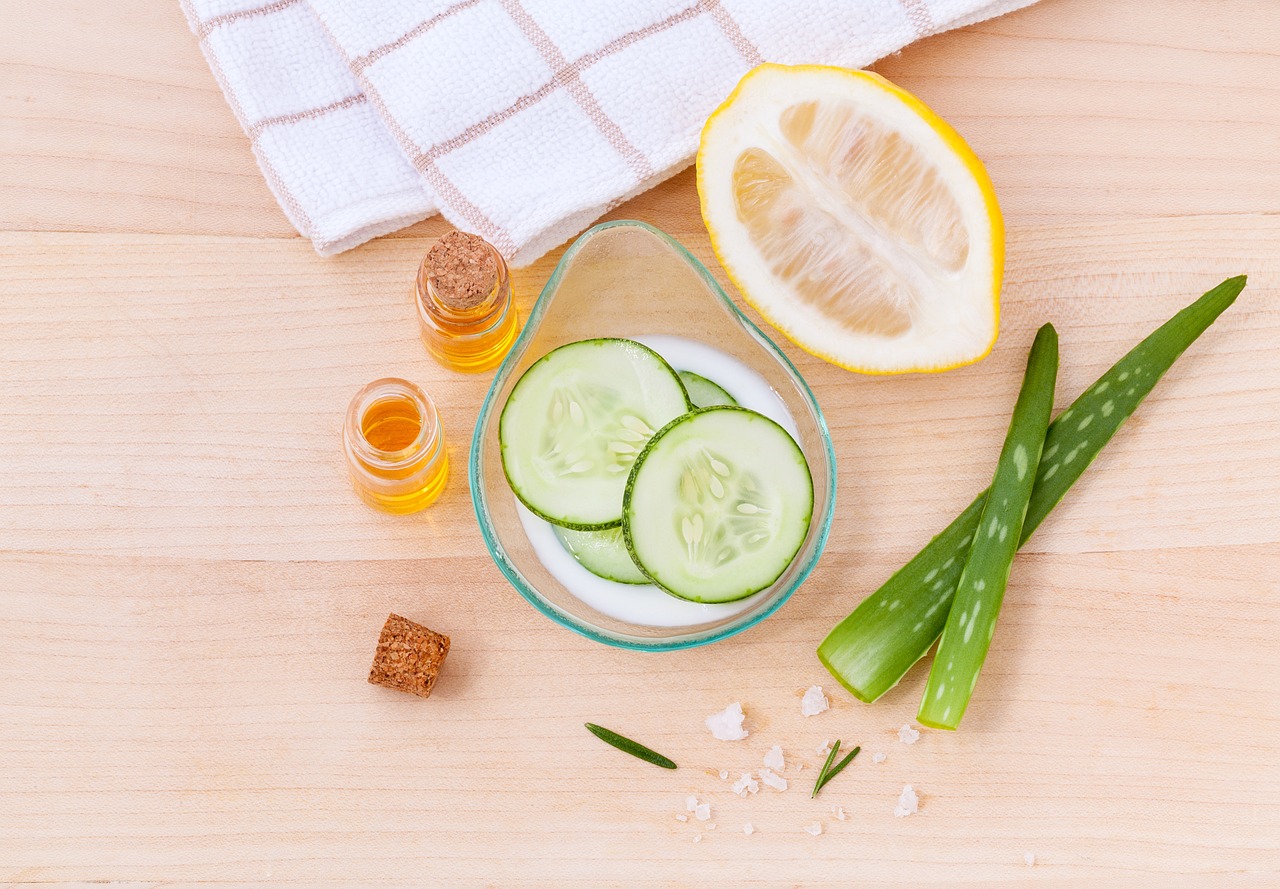
If you’re tired of battling the pesky remnants left behind by acne, you’ve come to the right place. In this article, you will find a collection of expert-backed tips and treatments to help you say goodbye to acne scars once and for all. From simple home remedies to professional procedures, we’ve got you covered with a range of options to suit your needs. So, if you’re ready to regain your confidence and achieve clear, smooth skin, let’s dive into the world of acne scar solutions together.
Preventing Acne Scars
Understanding the causes of acne scars
Acne scars are a common concern for many individuals. Understanding the causes of acne scars can help you take proactive steps to prevent them. Acne scars form when the skin’s tissue is damaged during the healing process of acne breakouts. There are several factors that can contribute to the development of acne scars, including genetics, the severity of acne, and improper skincare practices. By understanding these causes, you can make informed decisions about your skincare routine to minimize the risk of acne scarring.
Developing a skincare routine to prevent acne scars
Developing a consistent and effective skincare routine is crucial in preventing acne scars. Start by cleansing your face twice daily with a gentle cleanser specifically formulated for acne-prone skin. Avoid using harsh products that can irritate the skin and worsen acne. After cleansing, apply a non-comedogenic moisturizer to keep your skin hydrated without clogging pores.
Incorporating a topical acne treatment containing ingredients like benzoyl peroxide or salicylic acid can help control acne breakouts and reduce the likelihood of scarring. Additionally, using products that contain niacinamide or retinoids can promote skin healing and reduce the appearance of acne scars over time.
Tips for avoiding picking at acne
One common mistake that many individuals make is picking or squeezing acne lesions. This can cause further inflammation and damage to the skin, increasing the risk of developing acne scars. It’s important to resist the urge to pick at your acne, as tempting as it may be. Instead, focus on gentle and consistent skincare practices to promote healing and prevent scarring.
Avoiding harsh skincare products
Harsh skincare products can strip the skin of its natural oils and disrupt its delicate balance, leading to increased acne breakouts and potential scarring. Avoid using products that contain ingredients like alcohol, fragrances, and sulfates, as they can be too harsh for acne-prone skin.
Instead, opt for gentle and non-irritating skincare products that are specifically designed for acne-prone or sensitive skin. Look for labels that indicate the product is non-comedogenic, meaning it won’t clog pores. With the right skincare products, you can minimize the risk of aggravating your acne and reduce the chances of developing acne scars.
Treating Acne Scars at Home
Using over-the-counter creams and gels
Over-the-counter creams and gels can be a convenient option for treating mild acne scars at home. These products often contain ingredients like hydroquinone, kojic acid, or alpha hydroxy acids (AHAs) that can help lighten the appearance of scars over time. However, it’s important to note that results may vary, and it may take several weeks or even months of consistent use to see noticeable improvements.
Before incorporating any over-the-counter creams or gels into your skincare routine, it’s advisable to consult with a dermatologist. They can provide personalized recommendations based on your specific skin type and the severity of your acne scars.
Trying natural remedies for acne scars
Natural remedies can also be an option for those looking to treat acne scars at home. Lemon juice, for example, has natural bleaching properties and can help lighten the appearance of scars when applied topically. Honey masks, on the other hand, can moisturize the skin and promote healing. Tea tree oil, known for its antibacterial properties, can also be used as a spot treatment for acne scars. Lastly, apple cider vinegar can serve as an exfoliant, helping to remove dead skin cells and minimize the appearance of scars.
It’s important to remember that natural remedies may not have the same scientific evidence as other treatments, so it’s always best to consult with a dermatologist before trying any home remedies for acne scars.
Applying topical vitamin C
Topical vitamin C is a popular ingredient in skincare products due to its antioxidant properties and ability to brighten the skin. When applied topically, vitamin C can help fade acne scars by promoting collagen production and reducing inflammation. Look for products that contain stabilized forms of vitamin C, such as L-ascorbic acid, for maximum effectiveness.
To incorporate topical vitamin C into your skincare routine, apply a few drops of a vitamin C serum or cream to clean, dry skin. Gently massage the product into your skin until fully absorbed, focusing on areas with acne scars. Make sure to follow up with a moisturizer and sunscreen to protect your skin throughout the day.
Using aloe vera gel for scar reduction
Aloe vera gel is another natural ingredient that can aid in scar reduction. It has soothing and anti-inflammatory properties that can help calm irritated skin and reduce the appearance of acne scars. Applying aloe vera gel topically can also provide hydration to the skin, promoting overall skin health and faster healing.
To use aloe vera gel for scar reduction, apply a thin layer of pure, organic aloe vera gel to clean skin. Gently massage it into the skin until fully absorbed. You may consider using aloe vera gel as a daily moisturizer or as a spot treatment on specific areas of concern.
Professional Treatments for Acne Scars

Consulting a dermatologist for personalized treatment plans
If over-the-counter treatments and home remedies have not provided satisfactory results, it may be beneficial to consult a dermatologist for professional advice and treatment. A dermatologist can assess the severity of your acne scars and develop a personalized treatment plan tailored to your specific needs.
Microdermabrasion and chemical peels
Microdermabrasion and chemical peels are non-invasive treatments commonly used to improve the appearance of acne scars. Microdermabrasion involves using a handheld device to exfoliate the outer layer of skin, while chemical peels utilize a chemical solution to remove dead skin cells and stimulate collagen production.
Both treatments work by promoting skin cell turnover and encouraging the growth of new, healthy skin. Multiple sessions may be required to achieve optimal results, and it’s important to follow the post-treatment instructions provided by your dermatologist to minimize any potential side effects.
Laser treatments for acne scar reduction
Laser treatments have become increasingly popular for treating acne scars due to their ability to deliver targeted energy to the skin, stimulating collagen production and reducing the appearance of acne scars. Different types of lasers can be used, including fractional lasers, which treat only a fraction of the skin’s surface, and ablative lasers, which remove the outer layer of skin entirely.
Laser treatments are typically performed by a dermatologist or a trained medical professional. The number of sessions required can vary depending on the severity of the scars, and some downtime may be involved during the healing process. It’s essential to follow the aftercare instructions provided by your healthcare provider to ensure optimal results and minimize the risk of complications.
Dermal fillers for depressed scars
Dermal fillers can be an effective option for treating depressed or indented acne scars. These fillers, often made of hyaluronic acid, are injected beneath the skin to plump up the depressed area, resulting in a smoother and more even skin texture. The effects of dermal fillers are temporary and may last anywhere from several months to a year, depending on the specific product used.
Dermal filler treatments require a skilled practitioner to ensure natural-looking results and minimize potential complications. It’s essential to consult with a dermatologist or a qualified medical professional who has experience in administering dermal fillers for acne scar treatment.
Medical Procedures for Acne Scar Removal
Corticosteroid injections for hypertrophic scars
Corticosteroid injections can be used to treat hypertrophic scars, which are characterized by raised, thickened areas of skin. This treatment involves injecting a corticosteroid medication into the scar tissue to reduce inflammation and flatten the scar. Multiple sessions may be required to achieve desired results.
Corticosteroid injections should always be performed by a medical professional who has experience in the procedure. While generally safe, there are potential side effects to be aware of, such as skin discoloration, thinning of the skin, or the formation of small depressions at the injection site. Consulting with a dermatologist or a plastic surgeon can help determine if corticosteroid injections are appropriate for your specific type of acne scars.
Punch excision and grafting surgery
Punch excision and grafting surgery are often used to treat deep and pitted acne scars, such as ice pick scars. This procedure involves surgically removing the scar tissue and filling the resulting hole with a skin graft or a small suture. The new skin graft or suture helps to promote healing and improve the overall texture and appearance of the skin.
Punch excision and grafting surgery are typically performed under local anesthesia, and the recovery time can vary depending on the extent of the procedure. It’s important to follow the post-operative instructions provided by your surgeon to optimize healing and minimize the risk of complications.
Subcision for rolling scars
Subcision is a minimally invasive procedure used to treat rolling scars, which are characterized by undulating, wave-like depressions in the skin. This procedure involves using a needle to break up the fibrous bands that tether the scarred tissue to the underlying layers of skin. By releasing these bands, the skin can regain a smoother appearance and texture.
Subcision is typically performed by a dermatologist or a plastic surgeon who has experience in the procedure. Local anesthesia may be used to minimize any potential discomfort. Several treatments may be necessary to achieve optimal results, and downtime is typically minimal.
Laser resurfacing for more severe scars
Laser resurfacing is a more aggressive treatment option for severe acne scars. This procedure uses a laser to remove the outer layers of skin, allowing new, healthy skin to grow in its place. The laser can also stimulate collagen production, helping to smoothen the texture and minimize the appearance of scars.
Laser resurfacing can be performed using different types of lasers, including CO2 lasers and erbium lasers. The specific laser used will depend on the individual’s skin type and the severity of their acne scars. Downtime and recovery can vary depending on the depth of the treatment, and it’s important to follow the post-operative instructions provided by your dermatologist or plastic surgeon.
Combination Therapies for Acne Scars

Microneedling combined with topical treatments
Microneedling is a procedure that involves using a device with tiny needles to create controlled micro-injuries in the skin. This stimulates collagen production and enhances the absorption of topical treatments, making it an effective combination therapy for acne scars. By applying specific serums or creams immediately after microneedling, you can further promote skin healing and improve the overall appearance of acne scars.
Microneedling should always be performed by a trained professional in a sterile setting to minimize the risk of infection. Multiple sessions may be required to achieve desired results, and it’s important to maintain a consistent skincare routine following the procedure to optimize the effects.
Fractional radiofrequency for deep acne scars
Fractional radiofrequency is a treatment that combines radiofrequency energy with microneedling. This combination allows for controlled heating of the skin’s deeper layers, stimulating collagen production and remodeling the scar tissue. Fractional radiofrequency can be an effective option for treating deep acne scars, such as boxcar or rolling scars.
This treatment is typically performed by a medical professional and can require multiple sessions to achieve optimal results. Downtime following the procedure may be necessary, and it’s essential to follow the post-treatment instructions provided by your healthcare provider.
Platelet-rich plasma (PRP) combined with other treatments
Platelet-rich plasma (PRP) therapy involves extracting a small sample of your own blood, processing it to isolate the platelets, and then re-injecting the platelet-rich plasma into the skin. This concentrated plasma contains growth factors that can stimulate collagen production and promote tissue regeneration, making it a beneficial addition to other acne scar treatments.
PRP therapy is typically combined with other treatments, such as microneedling or laser resurfacing, to enhance their effects. The number of sessions required can vary depending on the individual’s specific needs. It’s important to consult with a healthcare professional experienced in PRP therapy to determine if it’s a suitable option for your acne scars.
Taking oral medications alongside topical treatments
In some cases, oral medications may be prescribed alongside topical treatments to treat acne scars. These medications may include oral antibiotics to control acne breakouts or oral isotretinoin for severe acne or scarring. By addressing the underlying cause of acne and inflammation from within, these medications can help prevent future scarring and improve the overall appearance of existing scars.
Oral medications for acne scars should always be prescribed and monitored by a healthcare professional. It’s essential to discuss any potential side effects or contraindications before starting any oral medication regimen.
Post-Treatment Care for Acne Scars
Following a gentle skincare routine
After undergoing any treatment for acne scars, it’s important to follow a gentle skincare routine to promote healing and maintain the results. Avoid using harsh or abrasive products that can irritate the skin and compromise its barrier function. Instead, opt for gentle cleansers, moisturizers, and sunscreens that are specifically formulated for sensitive or post-treatment skin.
Protecting the skin from sunlight with SPF
Protecting your skin from sunlight is crucial for preventing further damage and minimizing the risk of hyperpigmentation in acne scars. Exposure to the sun’s harmful UV rays can worsen discoloration and make scars more noticeable. Therefore, it’s essential to apply a broad-spectrum sunscreen with a high SPF regularly, even on cloudy days or when indoors near windows.
Avoiding picking or squeezing acne
Avoiding the temptation to pick or squeeze acne lesions is vital to prevent new acne scars from forming and exacerbating existing scars. Picking at acne can cause further inflammation and trauma to the skin, leading to prolonged healing time and potential scarring. Instead, practice proper skincare techniques and rely on the treatments prescribed by your dermatologist to manage acne breakouts.
Regularly moisturizing the skin
Keeping your skin well-hydrated is essential for overall skin health and promoting the healing of acne scars. Regularly moisturizing the skin helps maintain its natural moisture balance, prevent excessive dryness, and improve the skin’s texture and tone. Look for moisturizers that are non-comedogenic and suitable for your specific skin type to avoid clogging pores and worsening acne breakouts.
Natural Remedies for Acne Scar Reduction

Applying lemon juice to lighten scars
Lemon juice is a natural bleaching agent that can help lighten the appearance of acne scars when applied topically. It contains citric acid, which has exfoliating properties and can help remove dead skin cells, revealing brighter and more even-toned skin. To use lemon juice for scar reduction, squeeze fresh lemon juice into a bowl, dip a cotton ball into the juice, and gently apply it to the scars. Leave it on for a few minutes before rinsing off with water. It’s important to note that lemon juice can be drying to the skin, so it’s advisable to moisturize afterward.
Using honey masks for scar reduction
Honey is a natural ingredient known for its antibacterial and moisturizing properties. Applying a honey mask can help promote skin healing and reduce the appearance of acne scars. To make a honey mask, simply spread a thin layer of raw, organic honey onto clean skin and leave it on for 15-20 minutes. Rinse off with warm water and follow up with a moisturizer. Regular use of honey masks can help improve the overall texture and tone of the skin.
Using tea tree oil as an antibacterial treatment
Tea tree oil is a powerful natural antibacterial agent that can be used to treat acne breakouts and reduce the risk of scarring. Its anti-inflammatory properties can help calm irritated skin and promote healing. To use tea tree oil for acne scars, dilute a few drops of tea tree oil with a carrier oil, such as jojoba oil or coconut oil. Apply the diluted mixture to clean skin using a cotton pad or your fingertips. Allow it to dry before applying any other skincare products. It’s important to patch test tea tree oil before applying it to the entire face, as some individuals may be sensitive.
Applying apple cider vinegar for exfoliation
Apple cider vinegar can serve as an effective natural exfoliant, helping to remove dead skin cells and minimize the appearance of acne scars. It contains acetic acid, which has antimicrobial properties and can help prevent future breakouts. To use apple cider vinegar for scar reduction, mix equal parts of apple cider vinegar and water. Dip a cotton ball into the mixture and gently apply it to clean skin. Leave it on for a few minutes before rinsing off with water. It’s essential to dilute apple cider vinegar, as undiluted use can be too harsh for the skin.
Lifestyle Changes to Improve Acne Scars
Maintaining a healthy diet and drinking water
Maintaining a healthy diet and staying hydrated can contribute to overall skin health and improve the appearance of acne scars. Include foods rich in antioxidants, vitamins, and minerals, such as fruits, vegetables, whole grains, and lean proteins, in your diet. These nutrients can support collagen production and promote skin healing. Additionally, staying hydrated by drinking an adequate amount of water each day can help flush out toxins and keep the skin hydrated from within.
Exercising regularly for improved blood circulation
Regular exercise has numerous benefits for the body, including improved blood circulation, which can promote skin health and rejuvenation. Increased blood flow to the skin delivers essential nutrients and oxygen, aiding in the healing process and improving the appearance of acne scars. Incorporate moderate-intensity exercise, such as brisk walking or cycling, into your routine several times per week for optimal results.
Getting sufficient sleep for skin repair
Getting sufficient sleep is crucial for the body’s overall healing and repair processes, including skin regeneration. During sleep, the body produces growth hormone, which stimulates collagen production and supports tissue repair. Aim for 7-9 hours of quality sleep each night to ensure optimal skin health and minimize the appearance of acne scars.
Reducing stress for better skin health
Chronic stress can have negative effects on the body, including the skin. It can worsen acne breakouts and impede the healing process of acne scars. Therefore, it’s important to find healthy ways to manage and reduce stress levels. Engaging in activities like meditation, yoga, or even spending time in nature can help alleviate stress and promote overall skin health.
Understanding Different Types of Acne Scars
Boxcar scars and their characteristics
Boxcar scars are characterized by their angular edges and flat bottoms. They often appear as round or oval depressions on the skin’s surface and are caused by the loss of collagen during the healing process of acne breakouts. Boxcar scars can vary in depth and size, and they are typically wider than ice pick scars. Effective treatments for boxcar scars may include laser resurfacing, microdermabrasion, and dermal fillers.
Ice pick scars and how they form
Ice pick scars are deep, narrow scars that resemble tiny holes or punctures in the skin. They are caused by the destruction of collagen fibers during the healing process and are often a result of deeper acne breakouts. Ice pick scars can be challenging to treat due to their depth, and options may include punch excision, punch elevation, or laser resurfacing.
Rolling scars and their appearance
Rolling scars are characterized by rolling or undulating depressions in the skin. They occur when bands of scar tissue form between the skin’s surface and underlying tissue, giving a wave-like appearance. This tethering of the skin creates a lack of smoothness and can be challenging to treat. Subcision, microneedling, and fractional radiofrequency are commonly used treatments for rolling scars.
Hypertrophic scars and their raised texture
Hypertrophic scars are raised and thickened scars that occur when excessive collagen is produced during the healing process. They often have a reddish or pinkish appearance and can be itchy or uncomfortable. Hypertrophic scars are commonly seen in individuals with a genetic predisposition and can be treated with corticosteroid injections, silicone gel sheeting, or laser therapy.
Addressing Emotional Impact of Acne Scars
Seeking support from friends and family
Dealing with acne scars can have a significant emotional impact on individuals. It’s important to seek support from friends and family who can provide understanding, empathy, and encouragement during this time. Talking openly about your feelings and concerns can help alleviate stress and build a strong support system.
Talking to a therapist about self-esteem concerns
If acne scars are causing significant self-esteem concerns or impacting daily life, it may be helpful to seek professional help from a therapist or counselor. They can provide guidance and support in managing emotions related to self-image and help cultivate a healthy mindset and positive self-perception.
Engaging in activities that boost self-confidence
Engaging in activities that boost self-confidence can be beneficial in coping with the emotional impact of acne scars. Find hobbies or activities that you enjoy and excel at, whether it’s painting, playing a musical instrument, or participating in sports. Building self-confidence in other areas of your life can help shift the focus away from perceived flaws and enhance overall well-being.
Understanding that acne scars are a common condition
Remember that acne scars are a common condition experienced by many individuals. Understanding that you are not alone can help alleviate feelings of isolation and reduce the emotional impact of acne scars. By seeking appropriate treatment, taking care of your skin, and practicing self-care, you can improve the appearance of acne scars and regain confidence in your own skin.