
Acne can be a stubborn and frustrating skin condition, affecting people of all ages. But before you turn to harsh chemical treatments, why not explore the power of nature? In this article, we will delve into natural treatments for acne that harness the healing properties of Mother Earth. From soothing aloe vera to potent tea tree oil, you’ll discover a plethora of natural remedies that can help in your quest for clear, healthy skin. So say goodbye to harsh chemicals and hello to the power of nature!
Understanding Acne
What is acne?
Acne is a common skin condition characterized by the formation of pimples, blackheads, and whiteheads. It occurs when the hair follicles become clogged with oil and dead skin cells. Acne can appear on various parts of the body, such as the face, chest, back, and shoulders.
Causes of acne
There are several factors that contribute to the development of acne. Hormonal changes, particularly during puberty, can stimulate the production of oil in the skin, leading to clogged pores. Other common causes include excess oil production, bacteria, inflammation, and certain medications or cosmetics.
Types of acne
Acne can manifest in different forms, each with its own characteristics. The most common types include:
- Whiteheads: These are small, white, raised bumps on the skin caused by clogged pores.
- Blackheads: Similar to whiteheads, blackheads are dark in color due to oxidized oil and dead skin cells.
- Papules: These are small, red, inflamed bumps on the skin that can be tender to touch.
- Pustules: Pustules are characterized by red bumps with a white or yellow center filled with pus.
- Nodules: Nodules are large, painful bumps deep within the skin that can result in scarring.
- Cysts: Cysts are deep, pus-filled lumps that are often painful and can lead to scarring.
Effects of acne on the skin
Acne not only affects the physical appearance but can also have psychological and emotional impacts. It can result in low self-esteem, social anxiety, and even depression. Additionally, acne may cause hyperpigmentation, scarring, and uneven skin texture, further affecting one’s confidence and overall well-being.
Natural Ingredients for Acne Treatment
While there are numerous over-the-counter and prescription treatments available for acne, many people prefer natural alternatives due to their gentle nature and potential additional skin benefits. Here are some natural ingredients that have been proven effective in treating acne:
Tea Tree Oil
Tea tree oil is a powerful essential oil known for its antibacterial properties. It can help kill the bacteria that contribute to acne formation, reducing inflammation and preventing further breakouts. Tea tree oil can also soothe irritated skin and promote healing.
Aloe Vera
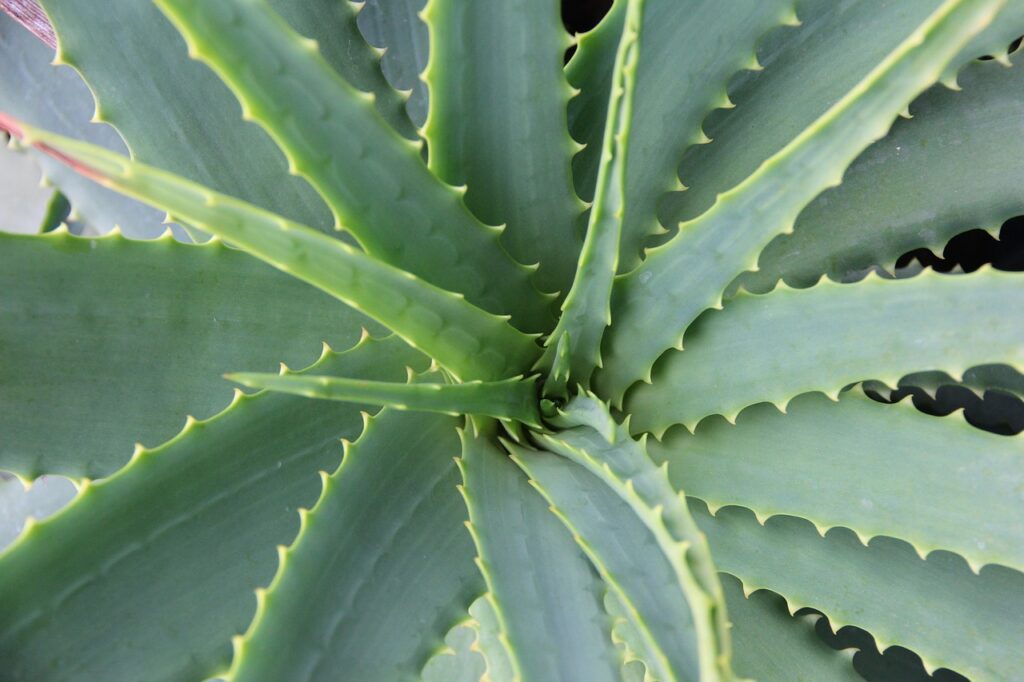
Aloe vera has been used for centuries for its healing properties. It has anti-inflammatory effects and can help reduce redness and swelling associated with acne. Aloe vera also moisturizes the skin without clogging pores, making it an excellent ingredient for acne-prone skin.
Honey
Honey is a natural antibacterial agent that can help fight acne-causing bacteria. It also has moisturizing properties, keeping the skin hydrated and preventing dryness. Additionally, honey has anti-inflammatory properties that can calm irritated skin and reduce redness.
Witch Hazel
Witch hazel is a natural astringent that can effectively remove excess oil from the skin without drying it out. It can shrink the size of pores, reduce inflammation, and prevent the growth of bacteria. Witch hazel also has soothing properties, making it beneficial for acne-prone skin.
Apple Cider Vinegar
Apple cider vinegar helps balance the pH levels of the skin, inhibiting the growth of bacteria and reducing inflammation. It can also exfoliate the skin and unclog pores, preventing acne breakouts. However, caution must be exercised when using apple cider vinegar as it can be harsh on the skin if not diluted properly.
Benefits of Natural Treatments
Opting for natural treatments for acne comes with several advantages:
Gentle on the skin
Natural ingredients are generally gentle on the skin, causing fewer irritations and side effects compared to harsh chemicals often found in conventional acne treatments.
Reduced side effects
Due to their natural properties, treatments using ingredients like tea tree oil, aloe vera, honey, witch hazel, and apple cider vinegar are less likely to cause adverse reactions commonly seen with synthetic products.
Availability and affordability
Many natural ingredients for acne treatment are readily available in local stores or even in your own kitchen pantry. They are often more affordable than commercial products, ensuring cost-effective skincare.
Additional skin benefits
In addition to treating acne, natural ingredients offer other skin benefits. For example, aloe vera has hydrating properties, honey moisturizes the skin, and witch hazel helps control oil production. By incorporating these ingredients into your skincare routine, you can enjoy multiple advantages.
Tea Tree Oil for Acne
How tea tree oil works for acne
Tea tree oil contains compounds that have antibacterial, antimicrobial, and anti-inflammatory properties. It can penetrate the skin and kill acne-causing bacteria while reducing redness and swelling. Tea tree oil also helps regulate oil production, preventing clogged pores.
Application and usage
To use tea tree oil for acne, dilute it with a carrier oil, such as coconut oil or jojoba oil. Apply the mixture directly to the affected areas using a cotton swab or clean hands. It is important to perform a patch test before applying it to the entire face to ensure compatibility with your skin.
Precautions and potential side effects
While tea tree oil is generally safe for most people, some individuals may experience skin irritation or allergic reactions. It is essential to use tea tree oil in moderation and discontinue use if any adverse reactions occur. Additionally, tea tree oil should not be ingested and should be kept away from the eyes.
Aloe Vera for Acne
Healing properties of aloe vera
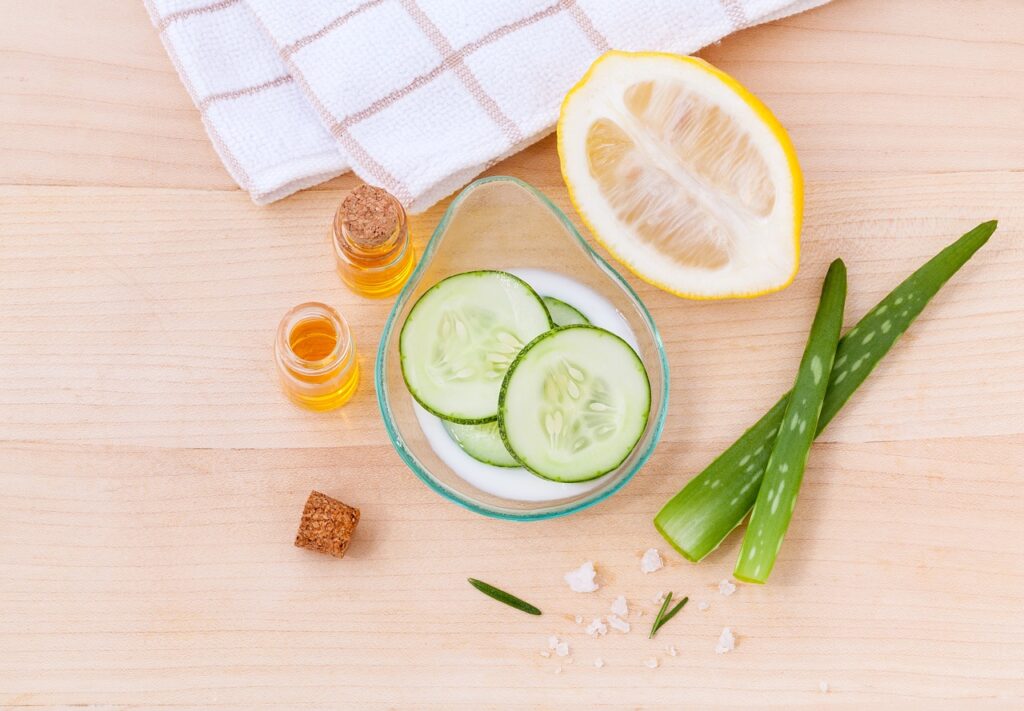
Aloe vera contains a gel-like substance with various healing properties. It has antimicrobial, anti-inflammatory, and wound-healing effects, making it an excellent natural remedy for acne-prone skin.
Using aloe vera gel for acne
To use aloe vera for acne, extract the gel from a fresh aloe vera leaf or use store-bought aloe vera gel. Apply the gel directly to the affected areas and leave it on for at least 15 minutes before rinsing off. You can repeat this process twice a day for optimal results.
Other benefits of aloe vera for the skin
In addition to treating acne, aloe vera can also help fade acne scars, moisturize the skin without clogging pores, and promote a healthy complexion. It is a versatile ingredient that can be used in various forms, such as gel, lotion, or even as an ingredient in DIY face masks.
Honey for Acne
Antibacterial properties of honey
Honey possesses natural antibacterial properties that can effectively combat acne-causing bacteria. It can kill these bacteria while promoting a healthy environment for the skin to heal and regenerate.
Applying honey as a face mask
To utilize honey for acne, apply a thin layer of raw, organic honey to clean skin and leave it on for 10-15 minutes. Gently rinse off with lukewarm water and pat dry. Honey can be used as a standalone treatment or combined with other natural ingredients such as aloe vera or tea tree oil for enhanced benefits.
Moisturizing and soothing effects
Apart from its antibacterial properties, honey is also an excellent natural moisturizer. It helps lock in moisture, prevent dryness, and soothe irritated skin. By incorporating honey into your skincare routine, you can enjoy the dual benefits of acne treatment and hydration.
Witch Hazel for Acne
Astringent properties of witch hazel
Witch hazel possesses astringent properties, which means it can help tighten the skin and constrict the blood vessels. This property makes it an effective ingredient for minimizing the appearance of enlarged pores, reducing oiliness, and preventing acne breakouts.
Using witch hazel as a toner
To use witch hazel for acne, soak a cotton pad with witch hazel and gently swipe it over clean skin. It can be used after cleansing and before applying moisturizer. Witch hazel can also be used throughout the day to refresh the skin and reduce excess oil.
Reducing inflammation and redness
In addition to its astringent properties, witch hazel has anti-inflammatory effects. It can calm irritated skin, reduce redness, and alleviate the discomfort associated with acne breakouts. Witch hazel is a versatile and affordable option for those looking for natural acne treatments.
Apple Cider Vinegar for Acne
Balancing pH levels of the skin
Apple cider vinegar is slightly acidic and can help restore the natural pH balance of the skin. By doing so, it creates an unfavorable environment for bacteria to thrive, reducing the risk of acne breakouts.
Applying diluted apple cider vinegar
To use apple cider vinegar for acne, dilute it with water in a 1:3 ratio (one part vinegar to three parts water). Using a cotton ball or pad, gently apply the mixture to the affected areas, allowing it to dry before applying moisturizer. It is important to start with a lower concentration and gradually increase as tolerated.
Risks and precautions for using apple cider vinegar
While apple cider vinegar can be beneficial for acne, it is essential to use it with caution. Due to its acidic nature, undiluted apple cider vinegar can cause skin irritation or chemical burns. It is crucial to dilute it properly and perform a patch test before applying it to the entire face. Additionally, individuals with sensitive skin should seek advice from a dermatologist before using apple cider vinegar.
Natural Treatments as Part of Skincare Routine
Combining natural ingredients for optimal results
Natural ingredients can work synergistically, enhancing the effectiveness of acne treatment. For example, combining the antimicrobial properties of tea tree oil with the soothing effects of aloe vera can provide a comprehensive solution for acne-prone skin.
Creating a personalized skincare regimen
Every individual’s skin is unique, and what works for one person may not work for another. It is important to experiment with different natural ingredients and find what works best for your skin type and concerns. It may be helpful to consult with a dermatologist or skincare professional to create a personalized skincare regimen.
Other lifestyle factors for acne prevention
While natural treatments can be effective in managing acne, it is vital to consider other lifestyle factors that may contribute to breakouts. Maintaining a healthy diet, getting regular exercise, managing stress levels, and practicing good hygiene are all important aspects of acne prevention and overall skin health.
Conclusion
Harnessing the power of nature for acne treatment can provide a gentle and effective solution for individuals struggling with breakouts. Understanding the causes and types of acne is the first step in addressing the issue. Natural ingredients such as tea tree oil, aloe vera, honey, witch hazel, and apple cider vinegar offer numerous benefits, including their gentle nature, reduced side effects, availability, affordability, and additional skin benefits. Incorporating these ingredients into a skincare routine can help combat acne while promoting healthy, clear skin. Remember to take a holistic approach to skincare, considering factors such as individual needs, creating a personalized regimen, and maintaining a healthy lifestyle. By embracing the power of nature, you can unlock the secrets to beautiful, blemish-free skin.