
Are you struggling with the aftermath of acne, specifically the unsightly holes it leaves behind on your face? This article provides you with valuable tips and techniques to address these acne scars effectively. Discover expert advice and practical methods that can help restore your skin’s smooth and even texture, boosting your confidence and allowing you to feel your best. Say goodbye to the burden of acne scars and hello to a more radiant complexion with these tried and tested solutions!
Understanding Acne Scarring
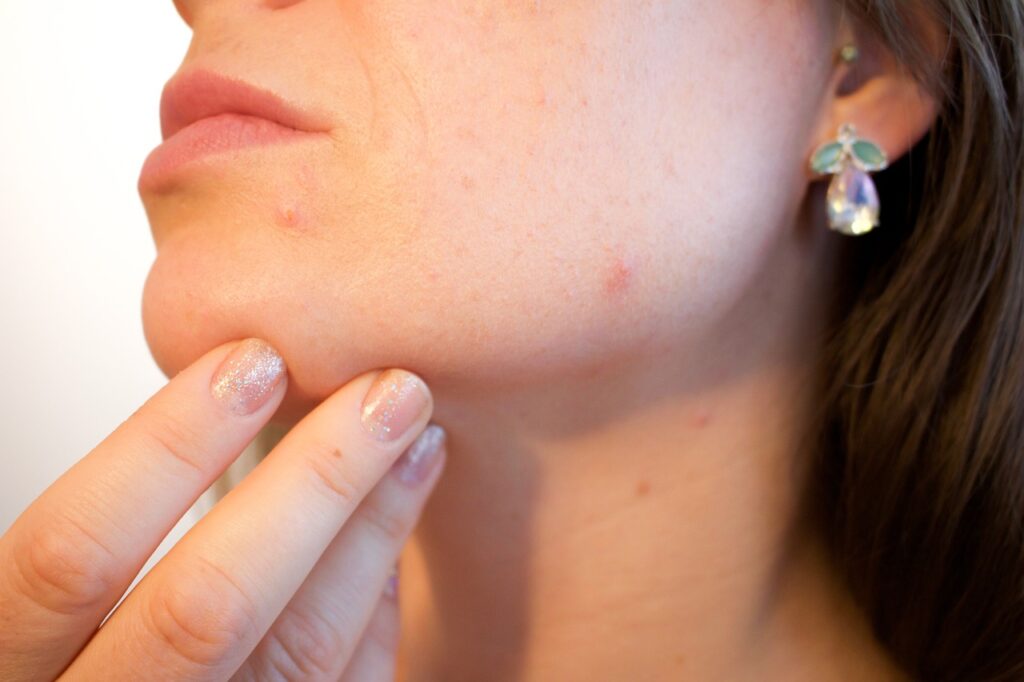
Acne scarring is a common skin condition that can have a significant impact on your self-esteem and confidence. While acne itself can be frustrating to deal with, the scars it leaves behind can be equally distressing. Understanding the different types of acne scars and their causes is essential in finding the right prevention and treatment methods.
Types of acne scars
There are several types of acne scars that can manifest on your skin. Boxcar scars are broad, shallow scars with defined edges, while ice pick scars are deep and narrow. Rolling scars, on the other hand, have a wave-like appearance, making the skin look uneven. Additionally, hypertrophic scars are raised and often occur on the chest or back, while atrophic scars are depressions or pits in the skin, commonly seen after severe acne.
Causes of acne scars
Acne scars form due to inflammation and damage to the skin caused by acne lesions. When the skin’s tissue is injured, the body produces collagen to repair the damage. However, in some cases, the body produces too much or too little collagen, leading to scarring. Factors such as the severity and duration of the acne, genetic predisposition, and improper acne treatment can contribute to the formation of acne scars.
Prevention and Treatment
Preventing acne scars is crucial to minimize their appearance and prevent further damage to the skin. By adopting preventive measures and utilizing effective treatments, you can take control of your skin’s health and reduce the risk of scarring.
Preventing acne scars
To prevent acne scars, it is essential to keep your skin clean and free from bacteria. Avoid picking or popping your acne, as this can lead to further inflammation and scarring. Use a gentle cleanser suitable for your skin type and avoid harsh scrubbing or abrasive products. Additionally, using non-comedogenic skincare products can help prevent clogged pores and reduce the likelihood of acne lesions.
Treating acne scars
While prevention is ideal, it’s never too late to address existing acne scars. There are various treatments available that can help improve the appearance of scars and promote natural healing of the skin. From home remedies to over-the-counter products and medical procedures, finding the right treatment method depends on the type and severity of your acne scars.
Home Remedies for Acne Scars
Natural home remedies can be an accessible and cost-effective way to address acne scars. These remedies often utilize ingredients found in your kitchen or garden, which have been known for their skin-healing properties.
Lemon juice
Lemon juice is a popular natural remedy for acne scars due to its brightening and exfoliating properties. The citric acid in lemon juice helps remove dead skin cells and promotes the growth of new, healthy skin. Simply squeeze fresh lemon juice and apply it to your acne scars using a cotton ball. Leave it on for a few minutes before rinsing off with water.
Aloe vera
Aloe vera is renowned for its soothing and healing properties, making it an excellent choice for acne scar treatment. Apply fresh aloe vera gel directly to your scars and leave it on for about 30 minutes before rinsing off. Regular use of aloe vera can help fade acne scars over time and improve the overall texture of your skin.
Honey
Honey is a natural antibiotic and has anti-inflammatory properties that can help reduce redness and promote healing. Apply a thin layer of raw honey to your acne scars and leave it on for 15-20 minutes before rinsing off. Regular use of honey can help fade the appearance of scars and improve the overall complexion of your skin.
Coconut oil
Coconut oil is known for its moisturizing and nourishing properties, making it a popular choice for addressing acne scars. Gently massage a small amount of coconut oil onto your scars in circular motions. Leave it on overnight and wash it off in the morning. The fatty acids in coconut oil can help promote collagen production and improve the elasticity of your skin.
Over-the-Counter Products
If home remedies don’t provide the desired results, over-the-counter products can be a viable option for treating acne scars. These products are specifically formulated to target scars and promote skin regeneration.
Topical creams and serums
Topical creams and serums containing ingredients like retinoids, vitamin C, or hyaluronic acid can help fade acne scars and improve skin texture. These products work by stimulating collagen production, exfoliating the skin, and reducing inflammation. It is important to follow the instructions and be consistent with the application to achieve the best results.
Chemical peels
Chemical peels involve the application of a chemical solution to the skin, which exfoliates the top layer, revealing fresh, smoother skin underneath. Chemical peels can help improve the appearance of acne scars by promoting collagen production and reducing pigmentation. However, they should be performed by a dermatologist or skincare professional to ensure proper application and minimize the risk of adverse effects.
Microdermabrasion
Microdermabrasion is a non-invasive procedure that uses a handheld device to exfoliate the outer layer of the skin. This treatment stimulates collagen production and improves the overall appearance of acne scars. It is a relatively quick procedure with minimal downtime but may require multiple sessions for optimal results.
Medical Procedures for Acne Scars
In cases where home remedies and over-the-counter products are not effective, medical procedures performed by dermatologists or skincare specialists can offer more intensive solutions for acne scar treatment.
Dermabrasion
Dermabrasion is a surgical procedure that involves removing the top layer of the skin using a high-speed rotating brush or diamond wheel. This procedure stimulates collagen production and helps reduce the appearance of acne scars. However, it may require more downtime and may not be suitable for individuals with certain skin conditions.
Laser resurfacing
Laser resurfacing uses laser technology to remove the damaged outer layers of the skin, allowing new, healthier skin to regenerate. This procedure promotes collagen production and can significantly reduce or eliminate acne scars. Laser resurfacing may require multiple sessions depending on the severity of the scars and the type of laser used.
Microneedling
Microneedling, also known as collagen induction therapy, involves using a device with tiny needles to create micro-injuries in the skin. These micro-injuries stimulate collagen production and improve the overall texture and appearance of acne scars. Microneedling can be performed in-office or with at-home devices, but professional treatments are generally more effective.
Chemical peels
As mentioned earlier, chemical peels can also be performed as a medical procedure by dermatologists. In these cases, the chemical solution used is often of higher strength, providing more significant exfoliation and stimulating collagen production. Dermatologists can determine the ideal peel strength and duration based on the specific needs of your skin.
Consulting a Dermatologist
While many acne scars can be effectively addressed with home remedies and over-the-counter products, there are instances where consulting a dermatologist is necessary.
When to see a dermatologist
If your acne scars are severe, deep, or causing significant distress, it is advisable to consult a dermatologist. They can assess the severity of your scars and recommend the most appropriate treatment options for your individual needs. Dermatologists can also provide personalized advice on skincare routines and other measures to prevent future scarring.
Choosing the right dermatologist
When selecting a dermatologist, it is crucial to find one with experience and expertise in treating acne scars. Take the time to research and read reviews about different dermatologists in your area. Additionally, consider seeking recommendations from trusted friends or family members who have had positive experiences with dermatologists. A good dermatologist will listen to your concerns, provide clear explanations of treatment options, and create a personalized plan that suits your needs.
Lifestyle Changes for Acne Scar Prevention
While treatments and procedures are effective in addressing acne scars, incorporating certain lifestyle changes can help prevent new breakouts and minimize the risk of further scarring.
Healthy diet and hydration
A balanced diet rich in fruits, vegetables, whole grains, and lean proteins provides essential nutrients for maintaining healthy skin. Poor diet choices, such as foods high in refined sugars and unhealthy fats, can contribute to acne breakouts. Additionally, staying hydrated by drinking an adequate amount of water each day helps keep the skin hydrated and flushes out toxins.
Regular exercise
Regular exercise can improve blood circulation and promote healthy skin. Engaging in physical activities increases oxygen flow to the skin, helps regulate hormone levels, and reduces stress, which can contribute to acne breakouts. Remember to cleanse your skin thoroughly after exercising to remove sweat and bacteria.
Stress management
Stress can exacerbate acne and delay the healing process of acne scars. Engaging in stress-reducing activities such as yoga, meditation, or hobbies can help manage stress levels. Additionally, getting enough sleep is important for overall skin health, as lack of sleep can increase inflammation and impair the healing process.
Camouflaging Techniques for Acne Scars
While treating acne scars is crucial, there are techniques and makeup tips that can help conceal their appearance temporarily.
Makeup tips and tricks
Choosing the right makeup products and applying them correctly can help minimize the visibility of acne scars. Opt for lightweight, non-comedogenic foundations or concealers designed specifically for acne-prone skin. Color-correcting techniques, such as using green-tinted primers to counteract redness, can also help camouflage scars effectively.
Color correction techniques
Color correction involves using complementary colors to neutralize specific discolorations of the skin. For acne scars, using a color corrector in an opposite tone, such as a peach or orange shade for blue or purple scars, can help balance out the color and make the scars less noticeable. Applying foundation or concealer over the color corrector can further even out the skin tone.
Confidence Boosting Strategies
Dealing with acne scars can take an emotional toll, but there are strategies to boost your confidence and develop a positive mindset.
Self-acceptance and positivity
Accepting your skin and focusing on its overall health and well-being is essential for building self-confidence. Remember that everyone’s skin is unique, and imperfections are a natural part of being human. Embrace your journey and focus on the progress you are making, rather than being too critical of your scars.
Utilizing support systems
Seeking support from friends, family, or support groups can provide a safe space to share your experiences and feelings about acne scars. Surrounding yourself with individuals who understand and uplift you can help you navigate the emotional challenges that may accompany the journey of healing acne scars.
Conclusion
Addressing acne scars requires a comprehensive approach, ranging from preventive measures to various treatment options. By understanding the different types and causes of acne scars, exploring home remedies, considering over-the-counter products, and consulting with a dermatologist, you can find effective solutions to reclaim the health and appearance of your skin. Remember that it takes time and patience, but with the right strategies and support, you can confidently embrace your skin and enjoy a more radiant complexion.