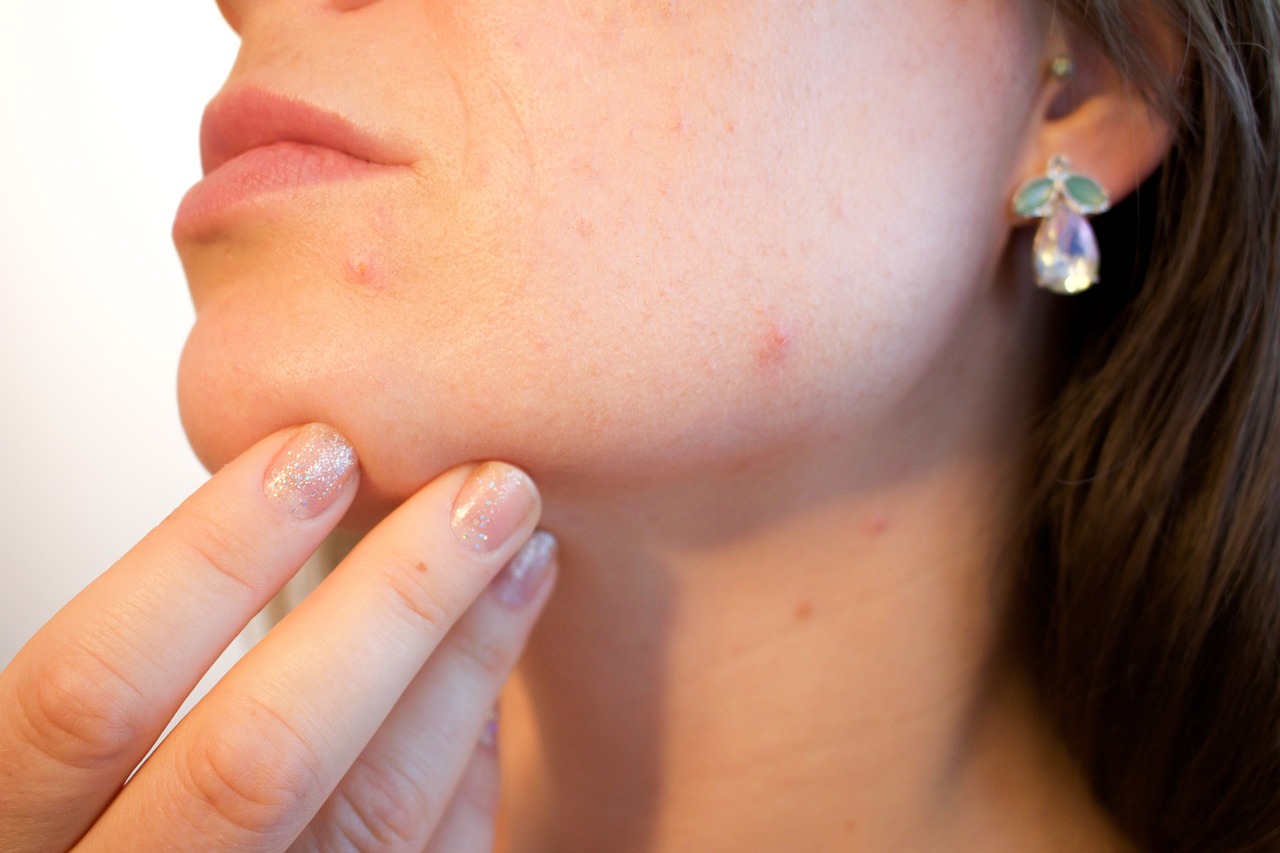
Acne is a common skin condition that many of us have experienced at some point in our lives. While the breakouts themselves can be frustrating, the aftermath of acne scarring can often be just as disheartening. There are various types of acne scarring, each with its own characteristics and treatment options. In this article, we will explore the different types of acne scarring, helping you understand what they are, how they form, and what you can do to address them. Whether you’re dealing with ice pick scars, rolling scars, boxcar scars, or hypertrophic scars, we’re here to guide you towards the knowledge you need for a clearer complexion.
Types of Acne Scarring
Acne scars can have a lasting impact on your skin, affecting your self-confidence and overall well-being. Understanding the different types of acne scarring is crucial in finding the right treatment options and achieving a smoother complexion. Here, we will discuss five common types of acne scarring: ice pick scars, boxcar scars, rolling scars, hypertrophic scars, and keloid scars.
Ice Pick Scars
Ice pick scars are characterized by narrow and deep holes in the skin, resembling the marks made by an ice pick or needle. These scars are usually smaller in size and extend deep into the skin. They are often a result of severe inflammatory acne, such as cystic acne.
Boxcar Scars
Boxcar scars have a wider and shallower appearance compared to ice pick scars. These scars are typically angular or rectangular in shape and have well-defined edges. They can be shallow or deep and are often caused by inflammatory acne or tissue loss.
Rolling Scars
Rolling scars are identified by their undulating or wave-like appearance on the skin. These scars create a rolling or uneven texture, giving the skin a “wavy” look. Rolling scars occur when fibrous bands form between the skin and underlying tissue, causing the skin to pull down and create the rolling effect.
Hypertrophic Scars
Hypertrophic scars are raised and thickened scars that occur due to an overproduction of collagen during the healing process. These scars are more common in individuals with a genetic predisposition to scar formation. They can be itchy, tender, and may continue to grow beyond the boundaries of the original wound or acne lesion.
Keloid Scars
Keloid scars are similar to hypertrophic scars in terms of their raised and thickened appearance. However, keloid scars extend beyond the boundaries of the original wound or acne lesion and can continue to grow indefinitely. They are often firm, shiny, and have a red or pink color. Keloid scars are more common in people with darker skin tones.
Causes of Acne Scarring
Understanding the causes of acne scarring can help you take preventive measures to minimize their occurrence. Here are some common factors that contribute to the development of acne scars:
Inflammatory Acne
Inflammatory acne, such as cystic acne or nodules, is more likely to cause scarring compared to non-inflammatory acne like blackheads or whiteheads. When the skin becomes inflamed, the body initiates the healing process by producing collagen. However, excessive collagen production can lead to the formation of scars.
Genetics
Genetics play a significant role in determining an individual’s susceptibility to acne scarring. If your parents or close relatives have a history of acne scarring, you may be more prone to developing scars as well. Genetic factors can influence the way your skin responds to inflammation and heals wounds, making some individuals more prone to scarring.
Picking or Popping Pimples
One of the most common habits that contribute to acne scarring is picking or popping pimples. When you squeeze or manipulate acne lesions, you increase the risk of pushing bacteria and inflammation deeper into the skin, causing more damage. This can lead to the formation of deeper scars, such as ice pick or boxcar scars.
Improper Skincare
Having a proper skincare routine is essential for preventing acne and reducing the risk of scarring. Using harsh or irritating products, failing to cleanse your skin properly, or not moisturizing enough can exacerbate acne and increase the likelihood of scarring. It is important to find skincare products that suit your skin type and address your specific concerns.
Ice Pick Scars
Description
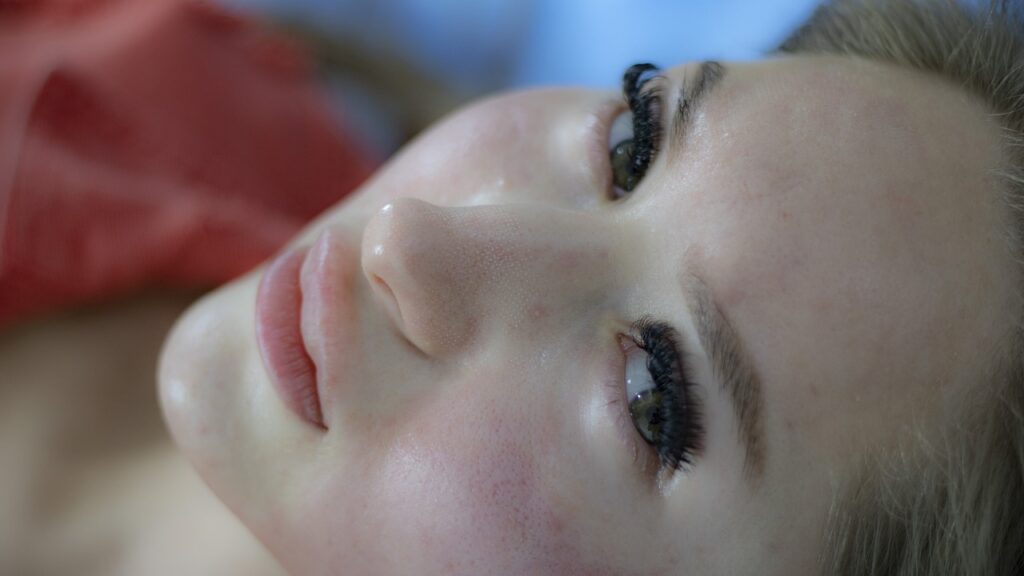
Ice pick scars are deep and narrow, resembling tiny holes or punctures in the skin. These scars are usually less than 2mm in diameter and extend into the deeper layers of the skin. Ice pick scars can be challenging to treat due to their depth and limited surface area.
Causes
Ice pick scars are primarily caused by severe inflammatory acne, including cystic acne or nodules. When these acne lesions become inflamed, they damage the surrounding skin tissue, leading to the formation of these deep, narrow scars. Genetic factors may also contribute to the development of ice pick scars.
Treatment Options
Fortunately, there are several treatment options available for ice pick scars. These include:
-
Dermal Fillers: Injectable fillers, such as hyaluronic acid or collagen, can help raise the base of the scar to level it with the surrounding skin, making it less noticeable.
-
Laser Resurfacing: Laser treatments, such as fractional laser resurfacing, can stimulate collagen production and improve the appearance of ice pick scars by reducing their depth and smoothing the skin’s texture.
-
Microneedling: Microneedling involves creating tiny channels in the skin using a device with fine needles. This process promotes collagen production and helps improve the texture and appearance of ice pick scars over time.
-
Chemical Peels: Chemical peels use various acids to exfoliate the outer layers of the skin, promoting cell turnover and reducing the appearance of ice pick scars. Multiple sessions may be required for optimal results.
-
Punch Techniques: Punch excision or punch elevation involves surgically removing the scar tissue and closing the wound with sutures. This helps improve the appearance of ice pick scars by promoting the growth of new, healthier skin.
It is important to consult with a dermatologist or skincare professional to determine the most suitable treatment option for your specific needs.
Boxcar Scars
Description
Boxcar scars are characterized by their broad and shallow indentations in the skin, similar to the scars left by chickenpox. These scars have angular or rectangular shapes and well-defined edges. They can be round or oval and vary in size.
Causes
Boxcar scars commonly occur as a result of inflammatory acne or severe tissue loss. Inflammatory acne damages the collagen and elastin fibers in the skin, leading to the formation of these depressions. Tissue loss can also contribute to the appearance of boxcar scars, occurring when collagen is not properly produced during the healing process.
Treatment Options
Various treatment options are available for boxcar scars to help improve their appearance:
-
Dermal Fillers: Injecting dermal fillers, such as hyaluronic acid or collagen, into the depressed scars can elevate the skin and create a smoother surface, reducing the appearance of boxcar scars.
-
Microdermabrasion: Microdermabrasion uses a handheld device to gently exfoliate the outermost layer of the skin, promoting the growth of new skin cells and reducing the depth of boxcar scars.
-
Chemical Peels: Chemical peels can be effective in improving the appearance of boxcar scars by removing the damaged outer layers of the skin and promoting collagen production.
-
Dermabrasion: Dermabrasion involves using a rotating device with a wire brush or diamond wheel to remove the outer layers of the skin, allowing new skin cells to grow and reducing the visibility of boxcar scars.
-
Laser Resurfacing: Laser treatments, such as fractional laser resurfacing, can stimulate collagen production and improve the texture of boxcar scars by reducing their depth and promoting smoother skin.
Each individual’s case is unique, so it is advised to consult with a dermatologist to determine the best treatment option for your specific situation.
Rolling Scars
Description
Rolling scars create a “wavy” or uneven texture on the skin. These scars are typically shallow and have a gentle slope. They are caused by fibrous bands of tissue that form between the skin and underlying tissue, pulling the skin downwards and creating the rolling effect.
Causes
Rolling scars often develop due to the destruction of collagen fibers and the formation of scar tissue in the deeper layers of the skin. This can occur as a result of inflammatory acne, such as nodules or cysts. The inflammation and subsequent healing process create an uneven surface on the skin.
Treatment Options
Several treatment options are available to improve the appearance of rolling scars:
-
Subcision: Subcision is a minimally invasive procedure that involves using a needle or special tool to break up the fibrous bands beneath the skin’s surface, allowing the skin to release and regain a smoother appearance.
-
Dermal Fillers: Injectable fillers, such as hyaluronic acid or collagen, can be used to raise the depressed areas of rolling scars and create a more even surface.
-
Microneedling: Microneedling can help stimulate collagen production and improve the texture of rolling scars by creating micro-injuries in the skin, promoting the growth of new skin cells.
-
Laser Resurfacing: Laser treatments, such as fractional laser resurfacing, can help smooth the skin’s texture and stimulate collagen production, reducing the appearance of rolling scars.
Consulting with a dermatologist or skincare professional is crucial for determining the most appropriate treatment option for your specific needs.
Hypertrophic Scars
Description
Hypertrophic scars are raised and thickened scars that occur due to an overproduction of collagen during the healing process. These scars extend above the surface of the skin and can be red, pink, or purple in color. They usually remain within the boundaries of the original wound or acne lesion.
Causes
People with a genetic predisposition to scar formation are more prone to developing hypertrophic scars. When the body produces excessive collagen during the healing process, it can result in the formation of these raised scars. Inflammatory acne or trauma to the skin can also contribute to the development of hypertrophic scars.
Treatment Options
Various treatment options can help improve the appearance of hypertrophic scars:
-
Topical Silicone Gel or Sheets: Applying silicone gel or sheets to the scar can help flatten and soften the scar tissue over time.
-
Corticosteroid Injections: Injecting corticosteroids directly into hypertrophic scars can help flatten and reduce inflammation, promoting a smoother appearance.
-
Cryotherapy: Cryotherapy involves freezing the scar tissue to destroy the excess collagen and promote the growth of new skin cells.
-
Laser Therapy: Laser treatments, such as pulsed-dye laser or fractional laser resurfacing, can help reduce the redness and thickness of hypertrophic scars.
-
Pressure Therapy: Applying pressure to the scar using special dressings or garments can help flatten and improve the appearance of hypertrophic scars.
Consulting with a dermatologist is essential to determine the most suitable treatment option for your hypertrophic scars.
Keloid Scars
Description
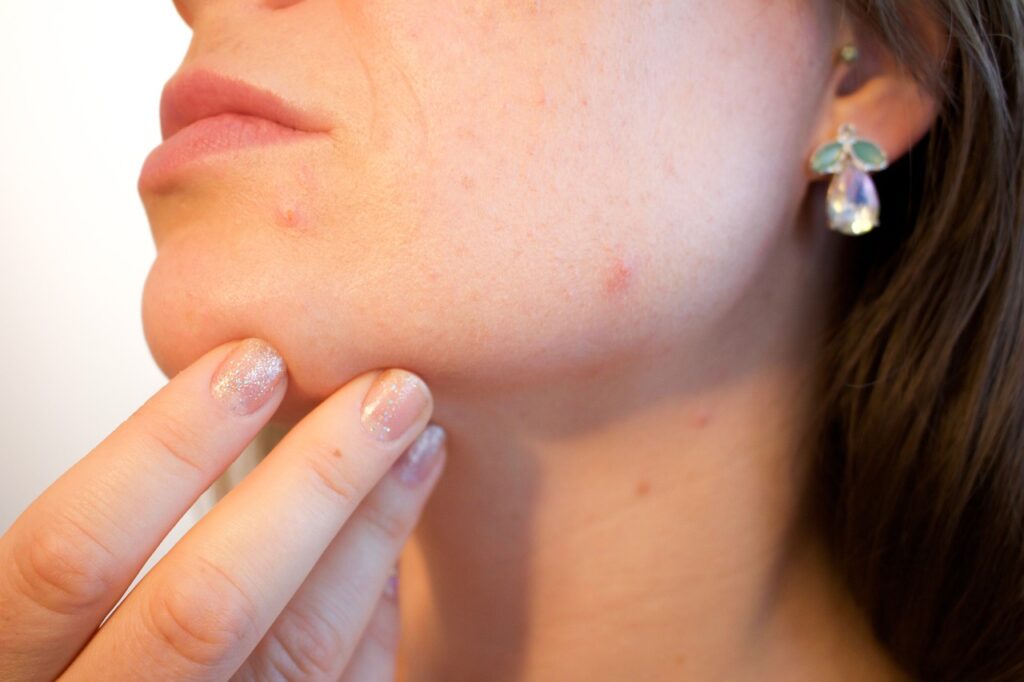
Keloid scars are raised and thickened scars that extend beyond the boundaries of the original wound or acne lesion. These scars can continue to grow indefinitely and may be more common in individuals with darker skin tones. Keloid scars often have a firm, shiny appearance and can be red, pink, or purple in color.
Causes
The exact cause of keloid scars is not fully understood, but some factors contribute to their development. Genetics play a significant role, as individuals with a family history of keloid scars are more likely to develop them. Inflammatory acne, trauma to the skin, or surgical scars can also trigger the overproduction of collagen that leads to keloid scar formation.
Treatment Options
Treating keloid scars can be challenging, but several options can help manage their appearance:
-
Corticosteroid Injections: Injecting corticosteroids directly into keloid scars can help reduce inflammation, flatten the scars, and promote a smoother appearance.
-
Cryotherapy: Cryotherapy involves freezing the keloid scar tissue to destroy the excess collagen and stimulate the growth of new, healthier skin cells.
-
Silicone Gel or Sheets: Applying silicone gel or sheets to keloid scars can help flatten and soften the scar tissue over time.
-
Laser Therapy: Laser treatments, such as pulse-dye laser or fractional laser resurfacing, can help reduce the redness and thickness of keloid scars.
-
Surgical Excision: In some cases, surgical removal of keloid scars followed by post-operative treatments may be necessary to prevent recurrence.
It is crucial to consult with a dermatologist who specializes in keloid scar treatment to determine the most appropriate course of action for your specific situation.
Treatment Options for Acne Scarring
When it comes to treating acne scars, several options can help improve their appearance:
Topical Creams and Gels
Topical creams and gels containing ingredients like retinoids, alpha hydroxy acids (AHAs), or silicone can be beneficial in reducing the appearance of acne scars. These products can help promote cell turnover, enhance collagen production, and smooth the skin’s texture.
Microdermabrasion
Microdermabrasion is a non-invasive procedure that involves exfoliating the outermost layer of the skin using a handheld device that sprays tiny crystals onto the skin’s surface. This process removes dead skin cells, stimulates collagen production, and promotes the growth of new, healthier skin.
Chemical Peels
Chemical peels use various acids, such as glycolic acid or salicylic acid, to remove the damaged outer layers of the skin. This promotes cell turnover and stimulates collagen production, resulting in a smoother complexion and reduced appearance of acne scars.
Dermabrasion
Dermabrasion is a more intensive procedure than microdermabrasion, involving the use of a rotating wire brush or diamond wheel to remove the outer layers of the skin. This procedure allows new skin cells to grow and replaces the scarred tissue, resulting in a smoother and more even skin texture.
Laser Resurfacing
Laser resurfacing treatments, such as fractional laser resurfacing, use laser technology to remove the damaged skin cells and stimulate collagen production. This helps reduce the appearance of acne scars and improves the overall texture and tone of the skin.
Punch Techniques
Punch techniques involve removing individual acne scars using a small circular tool. There are different types of punch techniques available, including punch excision, punch elevation, and punch grafting. These techniques aim to remove or level the scarred tissue, allowing healthier skin to grow and improve the appearance of acne scars.
Fillers
Injectable fillers, such as hyaluronic acid or collagen, can be used to fill in depressed acne scars and create a smoother surface. These fillers help raise the base of the scar to level it with the surrounding skin, reducing the visibility of acne scars.
Microneedling
Microneedling involves using a device with fine needles to create tiny channels in the skin. This process stimulates collagen production and encourages the growth of new, healthier skin cells. Microneedling can improve the texture and appearance of acne scars over time.
Surgical Excision
In cases where acne scars are particularly deep or extensive, surgical excision may be necessary. This procedure involves surgically removing the scar tissue and closing the wound with sutures. Surgical excision can help improve the appearance of severe acne scars by promoting the growth of new, healthier skin.
Skin Grafting
Skin grafting is a surgical procedure that involves taking healthy skin from another part of the body and grafting it onto the scarred area. This procedure can help improve the appearance of large or deep acne scars by replacing them with healthy skin.
Prevention and Management
While treating acne scars is essential, taking preventive measures and managing acne properly can help minimize their occurrence. Here are some tips to prevent and manage acne scarring:
Early Interventions
Treating acne promptly and effectively can help reduce the risk of scarring. It is important to seek professional advice and start appropriate treatments as soon as acne appears to prevent it from worsening and causing long-term damage.
Proper Wound Care
Taking proper care of acne lesions can minimize the risk of scarring. Avoid picking, squeezing, or popping pimples, as this can lead to inflammation and tissue damage. Cleanse your skin gently using a mild cleanser and avoid vigorous scrubbing. Apply appropriate topical creams or gels as recommended by your dermatologist.
Sun Protection
Protecting your skin from the sun is crucial to prevent acne scars from darkening and becoming more noticeable. Apply a broad-spectrum sunscreen with at least SPF 30 daily, even on cloudy days. Wear protective clothing, such as hats and long sleeves, and seek shade during peak sun hours.
Consistent Skincare Routine
Establishing a consistent skincare routine tailored to your skin type can help minimize acne breakouts and reduce the risk of scarring. Cleanse your skin twice daily, moisturize, and use non-comedogenic products. Incorporate acne-fighting ingredients, such as benzoyl peroxide or salicylic acid, as recommended by your dermatologist.
Regular Dermatologist Visits
Regular visits to a dermatologist are essential for managing acne and preventing scarring. Your dermatologist can provide personalized advice, monitor your skin’s condition, and recommend appropriate treatments or interventions if necessary.
Conclusion
Acne scarring can have a significant impact on your confidence and overall well-being. Understanding the different types of acne scarring and their causes is crucial in finding the most suitable treatment options. Whether you have ice pick scars, boxcar scars, rolling scars, hypertrophic scars, or keloid scars, there are various treatments available to help improve their appearance and achieve a smoother complexion. Taking preventive measures, managing acne properly, and seeking professional advice can also help minimize the occurrence of acne scarring. Remember, everyone’s skin is unique, so it is essential to consult with a dermatologist or skincare professional to determine the most appropriate treatment options for your specific needs. With proper care and treatment, you can restore your skin’s health and regain your self-confidence.