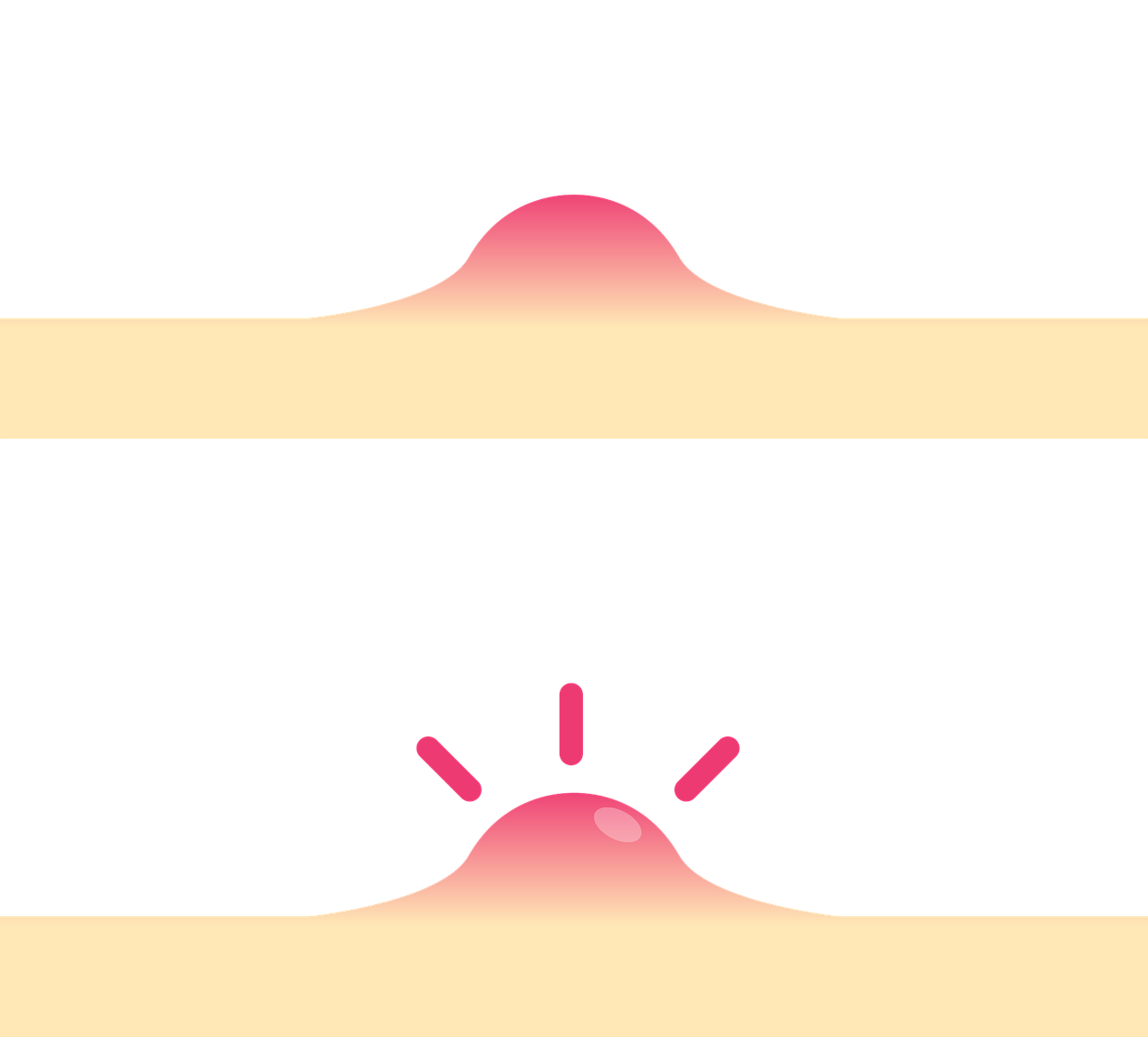
You never asked for those pesky pock marks to show up as uninvited guests on your skin, but here they are, making their unwelcome appearance. Don’t worry, though, because in this article, we will explore the causes of pock marks, how to prevent them, and most importantly, effective treatments that can help you bid farewell to these unwanted marks. So, gather all the information you need to tackle pock marks head-on and say hello to smoother, blemish-free skin.
Causes of Pock Marks
Pock marks, also known as acne scars or pitted scars, can occur as a result of various skin conditions and injuries. The most common causes of pock marks include acne, chickenpox, smallpox, and insect bites. Let’s delve into each cause and understand how it leads to the formation of these unsightly marks.
Acne
Acne is a common skin condition that affects many individuals worldwide. When you have acne, the pores in your skin become clogged with oil, dead skin cells, and bacteria. This can lead to the formation of pimples, blackheads, and whiteheads. If the acne lesions are picked or squeezed too aggressively, the break in the skin can cause damage to the surrounding tissue, resulting in pock marks.
Chickenpox
Chickenpox, caused by the varicella-zoster virus, is a highly contagious viral infection that primarily affects children. The characteristic itchy, fluid-filled blisters that form during a chickenpox outbreak can leave behind pock marks once they dry up and heal. These pock marks can be quite deep and indented, often casting a long-lasting reminder of the illness.
Smallpox
Smallpox, a now eradicated infectious disease, was notorious for leaving behind deep and scarred pock marks. The variola virus, responsible for smallpox, caused severe skin lesions that turned into pustules and eventually scabs. The scabs would fall off, leaving behind craters on the skin’s surface. Thankfully, thorough vaccination campaigns have successfully eliminated this disease.
Insect Bites
Insect bites may seem harmless, but they can sometimes lead to the formation of pock marks. When insects like mosquitoes, fleas, or bed bugs bite, their saliva contains various substances that can trigger an immune response. In some cases, this response can result in inflammation and subsequent scarring, resulting in pock marks. It’s crucial to avoid scratching or picking at insect bites to reduce the risk of scarring.

Prevention of Pock Marks
While pock marks may not always be preventable, there are several measures you can take to minimize their occurrence. By adopting a well-rounded skincare routine and following some guidelines, you can reduce your chances of developing these unsightly marks.
Maintaining a Good Skincare Routine
A good skincare routine is the foundation for healthy skin. Start by cleansing your face twice a day with a gentle cleanser suitable for your skin type. This helps remove excess oil, dirt, and bacteria that could clog your pores. Following cleansing, use a toner to balance the skin’s pH and prepare it for hydration. Moisturize your skin daily with a non-comedogenic moisturizer to keep it hydrated and supple.
Avoiding Picking or Squeezing Pimples
One of the most important steps in preventing pock marks is to resist the urge to pick or squeeze your pimples. When you squeeze a pimple, you risk rupturing the follicle wall, pushing the infection deeper into the skin, and damaging the surrounding tissue. This can lead to increased inflammation and a higher likelihood of scarring. Instead, opt for acne treatments containing benzoyl peroxide or salicylic acid to help clear up your breakouts without causing further damage.
Protecting the Skin from Sun Damage
Excessive sun exposure can not only cause premature aging but also increase the risk of scarring. When your skin is exposed to the sun’s harmful UV rays, it can trigger an overproduction of melanin, leading to hyperpigmentation that can make scars more noticeable. To protect your skin, always use a broad-spectrum sunscreen with an SPF of at least 30, even on cloudy days. Additionally, seek shade during peak sun hours and wear protective clothing, such as wide-brimmed hats and long sleeves.
Proper Wound Care
Whether you have a cut, burn, or insect bite, proper wound care is essential to minimize scarring. Clean the wound gently with mild soap and water, then apply an antibiotic ointment and a sterile bandage. Avoid picking at scabs and let them naturally fall off once the wound has healed. If you’re unsure about how to care for a particular wound, consult a healthcare professional for guidance.

Effective Treatments for Pock Marks
If you already have pock marks, don’t fret. There are several effective treatments available to help reduce their appearance and improve the overall texture of your skin. Depending on the depth and severity of your scars, you may choose from various treatment options, such as topical creams, chemical peels, microdermabrasion, dermal fillers, laser treatments, microneedling, or surgical procedures.
Topical Creams and Ointments
Topical creams and ointments can help improve the appearance of pock marks by promoting skin cell turnover, reducing inflammation, and stimulating collagen production. Some commonly used ingredients in these products include:
Retinoids
Retinoids, derived from vitamin A, are well-known for their skin-rejuvenating properties. They work by increasing cell turnover, unclogging pores, and promoting collagen production. Regular use of retinoids can help smooth out pock marks over time.
Corticosteroids
Corticosteroids, available in both cream and injectable forms, can be effective in reducing inflammation and suppressing the immune response in the skin. They are commonly used to treat hypertrophic scars and keloids, which are raised scars that can occur after injury.
Hydroquinone
Hydroquinone is a skin-lightening agent that can help fade hyperpigmentation and improve the overall appearance of pock marks. It works by inhibiting the production of melanin, the pigment responsible for dark spots.
Vitamin C
Vitamin C is an antioxidant that plays a crucial role in collagen synthesis. Regular application of vitamin C creams or serums can help promote collagen production and improve the texture of the skin.
Alpha Hydroxy Acids
Alpha hydroxy acids (AHAs), such as glycolic acid and lactic acid, are exfoliating agents that can help reduce the appearance of pock marks. These acids work by gently exfoliating the top layer of the skin, promoting cell turnover, and improving overall skin texture.
Chemical Peels
Chemical peels are another effective treatment option for pock marks. They involve the application of a chemical solution to the skin, which causes controlled exfoliation and peeling. Chemical peels can be categorized into three main types based on their depth of penetration:
Superficial Peels
Superficial peels, also known as lunchtime peels, are the mildest type of chemical peels. They typically involve the use of alpha hydroxy acids (AHAs) or beta hydroxy acids (BHAs) to gently exfoliate the outermost layer of the skin. Superficial peels are well-suited for treating mild acne scars and improving overall skin texture.
Medium Peels
Medium peels penetrate deeper into the skin, targeting the middle layers. They often utilize trichloroacetic acid (TCA) or Jessner’s solution to achieve more significant exfoliation. Medium peels are effective in reducing the appearance of moderate acne scars and improving skin tone.
Deep Peels
Deep peels penetrate the deepest layers of the skin, providing the most dramatic results. They typically involve the use of phenol or high-strength TCA solutions and are reserved for severe pock marks or extensive skin damage. Deep peels require longer downtime and should only be performed by trained professionals.
Microdermabrasion
Microdermabrasion is a non-invasive procedure that gently exfoliates the skin, helping to improve the appearance of pock marks. Two common types of microdermabrasion are crystal microdermabrasion and diamond-tipped microdermabrasion.
Crystal Microdermabrasion
Crystal microdermabrasion uses a handheld device that sprays fine crystals onto the skin’s surface while simultaneously vacuuming them away. This process exfoliates the skin and helps stimulate collagen production, resulting in a smoother and more even complexion.
Diamond-tipped Microdermabrasion
Diamond-tipped microdermabrasion utilizes a handheld device with a diamond tip to manually exfoliate the skin. This technique is less messy than crystal microdermabrasion and allows for greater precision in targeting specific areas with pock marks.
Dermal Fillers
Dermal fillers can be an effective option for treating pock marks, especially those with a depressed or indented appearance. These injectable gels are typically made of substances that add volume and plump up the skin, such as hyaluronic acid, collagen, or calcium hydroxylapatite.
Hyaluronic Acid Fillers
Hyaluronic acid fillers are the most commonly used type of dermal fillers for pock marks. Hyaluronic acid is a naturally occurring substance in the body that helps maintain skin hydration and volume. By injecting hyaluronic acid into the pock marks, the depressions can be filled, resulting in a smoother skin surface.
Collagen Fillers
Collagen fillers, derived from either human or bovine sources, were once popular for treating pock marks. However, their use has declined due to the availability of newer and more advanced fillers. Collagen fillers provide immediate results but are not as long-lasting as other options.
Calcium Hydroxylapatite Fillers
Calcium hydroxylapatite fillers stimulate collagen production and provide longer-lasting results compared to hyaluronic acid fillers. They are suitable for treating deeper pock marks and can provide improvement for a year or more.
Laser Treatments
Laser treatments are widely used in the treatment of pock marks due to their ability to stimulate collagen production and resurface the skin. Different types of lasers can be utilized depending on the specific type and severity of the pock marks.
Fractional Laser Resurfacing
Fractional laser resurfacing works by creating tiny, controlled injuries in the skin using a laser beam. This process stimulates the body’s natural healing response, leading to increased collagen production and improved skin texture. Fractional lasers are effective in treating a wide range of pock marks, from shallow to deep scars.
CO2 Laser Resurfacing
CO2 laser resurfacing is a more aggressive treatment option for severe pock marks. It involves using a carbon dioxide laser to remove the outer layers of the skin, allowing for the growth of new, healthier skin. CO2 laser resurfacing can provide dramatic results, but it requires a longer recovery period compared to other laser treatments.
Erbium YAG Laser Resurfacing
Erbium YAG laser resurfacing is a less aggressive laser treatment option suitable for milder to moderate pock marks. It works by gently exfoliating the skin’s surface, stimulating collagen production, and improving overall skin texture. This treatment offers quicker recovery times compared to CO2 laser resurfacing.
Microneedling
Microneedling, also known as collagen induction therapy, involves using a handheld device with fine needles to create controlled micro-injuries in the skin’s surface. This stimulates the skin’s healing process and triggers collagen production, leading to improved skin texture and reduced pock marks. There are various types of microneedling devices available, including derma rollers, derma pens, and derma stamps.
Derma Roller
A derma roller consists of a handle with a roller head embedded with tiny needles. By rolling the device over the skin, the needles create micro-channels that allow for deeper penetration of skincare products and promote collagen synthesis. Derma rollers are suitable for shallow to moderate pock marks and can be used at home or by a professional.
Derma Pen
A derma pen, also known as an automated microneedling device, is similar to a derma roller but operates with an electric motor. The device rapidly punctures the skin’s surface with fine needles, allowing for controlled penetration and stimulation of collagen production. Derma pens are versatile and can be adjusted to target varying depths of pock marks.
Derma Stamp
A derma stamp is a handheld device that features a head with a cluster of needles. Instead of rolling or vibrating, the device is pressed directly onto the skin, creating precise micro-injuries at specific pock mark sites. Derma stamps are particularly useful for treating isolated or deep scars and provide more targeted results.
Surgical Procedures
In cases where pock marks are deep and resistant to less invasive treatments, surgical procedures may be considered. These procedures are typically performed by dermatologists or plastic surgeons and involve physically manipulating the scar tissue to improve the skin’s texture.
Punch Excision
Punch excision involves the removal of individual pock marks using a small surgical punch tool. This technique is particularly effective for deep, indented scars. After the scar is excised, the edges of the wound can be sutured, resulting in a smoother skin surface.
Punch Elevation
Punch elevation is similar to punch excision but is used when a pock mark is not as deep. Instead of completely removing the scar, the surgical punch is utilized to elevate the base of the scar, bringing it to the same level as the surrounding skin. This procedure can be done in conjunction with other treatments to further improve the appearance of pock marks.
Subcision
Subcision is a procedure that involves the insertion of a surgical needle beneath the pock mark to break up the underlying scar tissue and release attachments that cause the indentation. By releasing the scar tissue, the pock mark can become less pronounced, resulting in an overall smoother skin texture.
Dermabrasion
Dermabrasion is a surgical procedure that involves the use of a high-speed rotating brush, diamond wheel, or wire brush to mechanically exfoliate the skin’s surface. This process removes the top layers of the skin, allowing for new, healthier skin to regenerate. Dermabrasion can significantly improve the appearance of pock marks, especially when combined with other treatments.
In conclusion, pock marks can be distressing, but there are various causes, prevention methods, and effective treatments available to help reduce their appearance and improve overall skin texture. Whether you choose topical creams, chemical peels, microdermabrasion, dermal fillers, laser treatments, microneedling, or surgical procedures, consult with a qualified healthcare professional to determine the best treatment plan for your individual needs. With time, patience, and the right approach, you can achieve smoother, more blemish-free skin.
