
Are you tired of dealing with pimple scars that leave you feeling self-conscious and lacking confidence? Look no further, because we have the solution for you – pimple scar removal treatment. With this effective procedure, you can finally regain the clear and radiant skin you deserve. Say goodbye to those pesky acne scars and hello to a newfound sense of self-assurance. Discover the wonders of pimple scar removal and embark on a journey towards a more confident you!
Understanding Pimple Scars
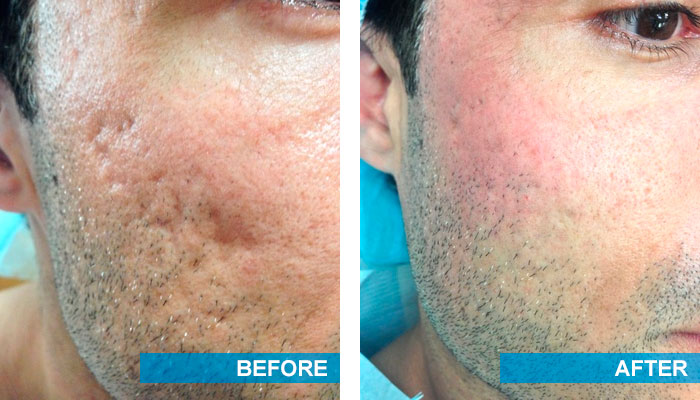
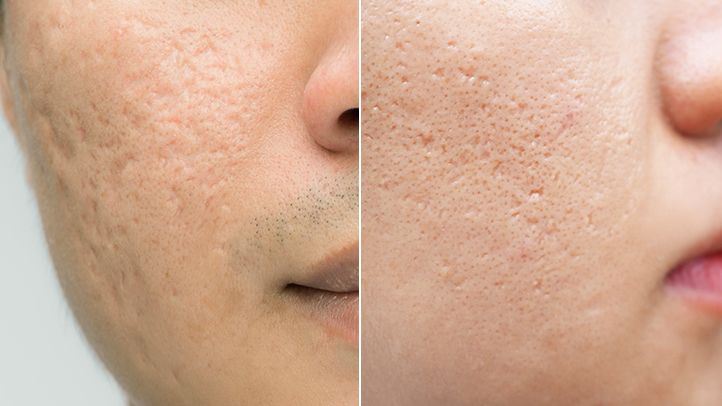
Pimple scars, also known as acne scars, are permanent marks that remain on the skin after the healing of acne breakouts. These scars can come in different forms, such as ice pick scars, boxcar scars, rolling scars, and hypertrophic scars. Each type of scar has a unique appearance and requires specific treatment methods to effectively reduce their visibility. Understanding the different types of pimple scars is crucial in determining the most suitable approach for scar removal.
Different types of pimple scars
- Ice pick scars: These scars are narrow and deep, resembling small pits or punctures on the skin. They are formed when the acne infection damages the skin tissue, leading to the formation of tiny, deep holes.
- Boxcar scars: Boxcar scars are wider and shallower than ice pick scars. They have well-defined edges and appear similar to chickenpox scars. Boxcar scars are caused by the destruction of collagen in the lower layers of the skin.
- Rolling scars: Rolling scars have a wavy or rolling appearance on the skin. They are formed when the fibrous bands of tissue beneath the skin pull the surface downward, creating an uneven texture.
- Hypertrophic scars: Unlike the previous three types of scars, hypertrophic scars are raised and thickened. They occur when excess collagen is produced during the healing process, causing the scar tissue to rise above the surrounding skin.
Causes of pimple scars
The primary cause of pimple scars is severe acne. When acne breakouts penetrate deep into the skin, they can damage the underlying tissues, leading to the formation of scars. Pimple scars can also be exacerbated by certain factors, such as picking or popping pimples, which increases the risk of tissue damage and scarring. Additionally, individuals with a genetic predisposition to scar formation may be more prone to developing pimple scars even from moderate acne.
Effects of pimple scars on self-confidence
Pimple scars can have a significant impact on an individual’s self-confidence and overall well-being. The visible marks on the skin can lead to feelings of self-consciousness and embarrassment, causing social anxiety and a decline in self-esteem. Pimple scars may also serve as a constant reminder of past acne struggles, hindering one’s ability to feel comfortable and confident in their own skin. Therefore, finding effective scar removal methods is not only about improving the physical appearance but also about restoring confidence and self-assurance.
Preventing Pimple Scarring
Importance of early intervention
Early intervention is crucial in preventing or minimizing pimple scarring. Taking proactive steps to treat acne promptly can help reduce the risk of developing deep-seated infections that may lead to scarring. Consulting with a dermatologist at the first signs of acne can ensure proper diagnosis and timely treatment, which can significantly reduce the likelihood of permanent scarring.
Effective acne treatment methods
Effectively treating acne is pivotal in preventing pimple scars. Dermatologists may prescribe topical creams, gels, or oral medications to control acne breakouts and prevent the formation of scars. These treatments may include antibiotics, retinoids, or hormonal therapies, depending on the severity and type of acne.
Avoiding picking or popping pimples
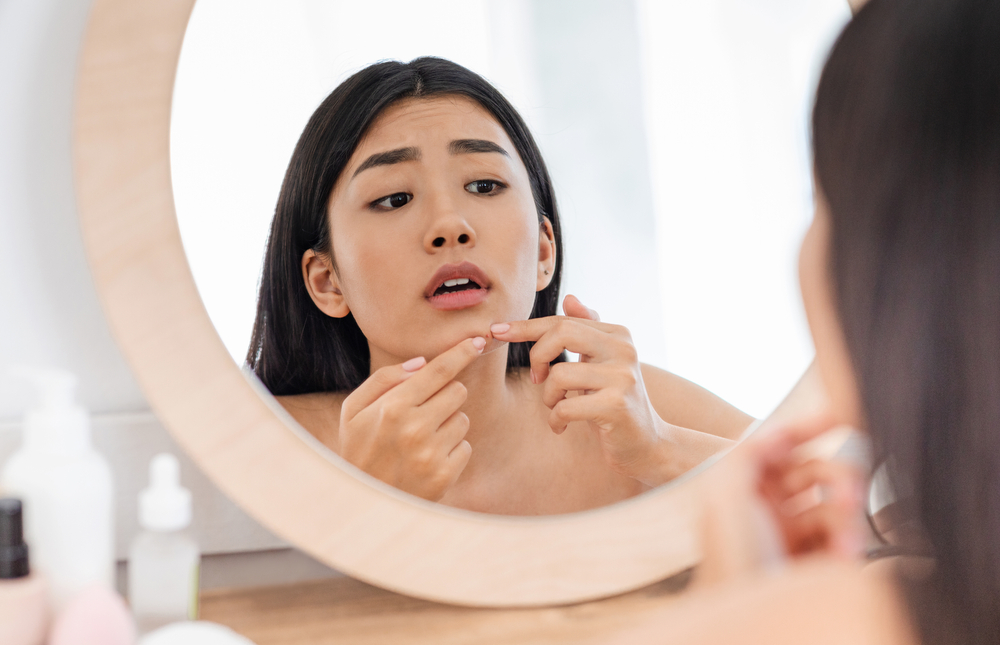
One of the most important steps in preventing pimple scars is to avoid the temptation of picking or popping pimples. Squeezing or scratching acne lesions can cause further inflammation and tissue damage, increasing the risk of scarring. Instead, it is recommended to allow acne to heal naturally or seek treatment options to expedite the healing process.
Maintaining a consistent skincare routine
Maintaining a consistent and gentle skincare routine can help prevent further breakouts and promote healthy skin. Cleansing the skin twice a day with a mild cleanser, using non-comedogenic moisturizers, and regularly exfoliating can help keep the pores clear and minimize the risk of acne-related scarring.
Non-Invasive Pimple Scar Removal Techniques
Topical creams and ointments
Topical creams and ointments are commonly used for mild to moderate pimple scars. These products often contain ingredients such as retinoids, vitamin C, or hydroquinone, which can promote collagen production, lighten pigmentation, and improve overall skin texture. Regular application of these creams can gradually reduce the appearance of scars over time.
Chemical peels
Chemical peels involve the application of a chemical solution to the skin, which exfoliates the outer layers, revealing fresh, smoother skin underneath. Medium or deep peels can penetrate deeper into the skin, reducing the appearance of pimple scars. Chemical peels also stimulate collagen production, leading to improved skin texture and a reduction in scar visibility.
Microdermabrasion
Microdermabrasion is a non-invasive procedure that uses fine crystals or a diamond-tipped wand to gently exfoliate the skin. By removing the outermost layer of dead skin cells, microdermabrasion can improve the appearance of pimple scars and promote the growth of new, healthy skin cells. Multiple sessions may be necessary to achieve significant results.
Skin needling
Skin needling, also known as microneedling or collagen induction therapy, involves using a device with tiny needles to create controlled micro-injuries to the skin. This process stimulates collagen production and helps fill in pimple scars. As the skin heals, the appearance of scars is improved, resulting in smoother and more even-toned skin.
Laser Treatments for Pimple Scar Removal
Fractional laser therapy
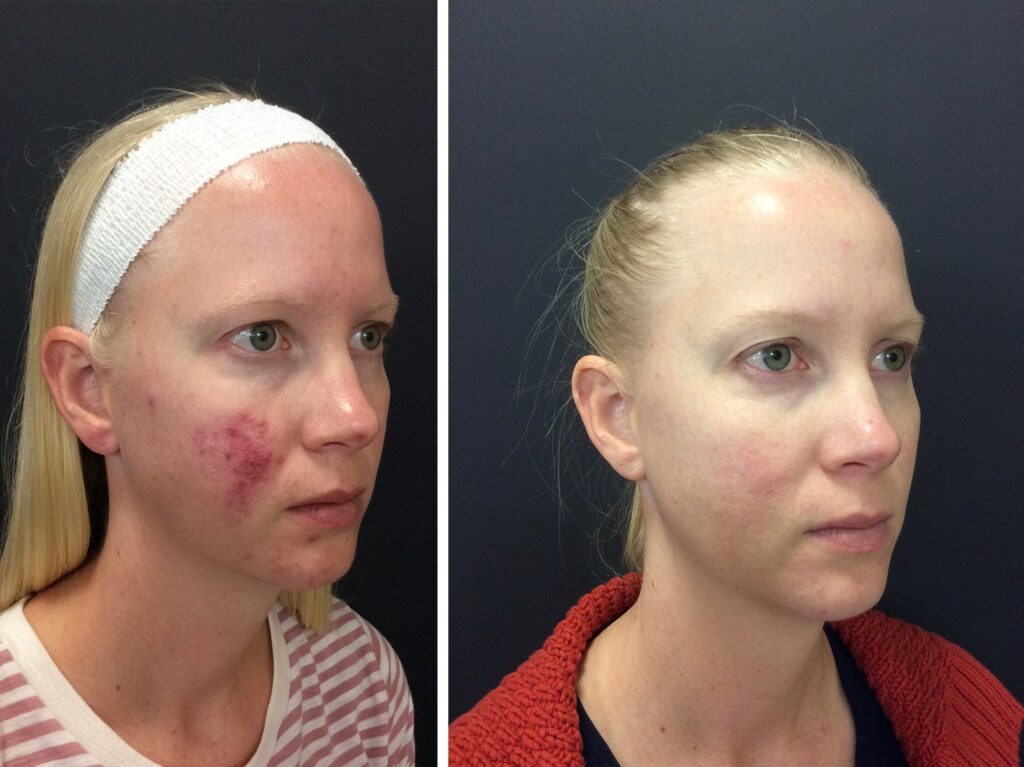
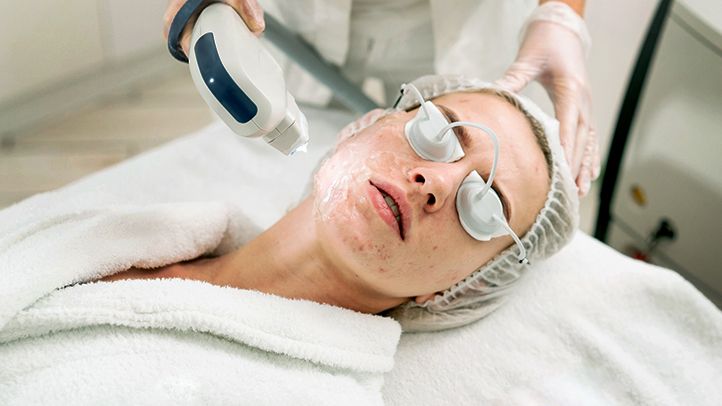
Fractional laser therapy is a popular treatment for pimple scars that uses a laser to create micro-columns of thermal injury in the skin. This triggers the body’s natural healing response and promotes the production of new collagen. Over time, the appearance of scars is minimized, and the skin becomes smoother and more even-toned.
Pulsed-dye laser treatment
Pulsed-dye laser treatment targets the blood vessels in and around pimple scars. The laser emits a concentrated beam of light that is absorbed by the blood vessels, causing them to shrink and fade. This treatment can reduce the redness and inflammation associated with pimple scars, resulting in a more even complexion.
Carbon dioxide laser therapy
Carbon dioxide (CO2) laser therapy is a highly effective treatment for deep pimple scars. The laser removes the outer layers of skin, allowing new, healthy skin to regenerate. CO2 laser therapy also stimulates collagen production, leading to further improvement in scar appearance. This treatment offers significant results but may require a longer recovery period compared to other laser treatments.
Erbium laser resurfacing
Erbium laser resurfacing is a versatile laser treatment that can be adjusted to target specific pimple scars and individual skin types. The laser removes layers of damaged skin, prompting the growth of new, healthy skin cells. Erbium laser resurfacing can treat both superficial and deep pimple scars, providing noticeable results with minimal downtime.
Dermatological Procedures for Pimple Scar Removal
Punch excision
Punch excision is a surgical procedure that involves removing individual pimple scars by cutting them out and then stitching the surrounding skin back together. This technique is commonly used for deep and narrow ice pick scars. Although it may leave a small linear scar, punch excision can significantly improve the appearance of isolated pimple scars.
Subcision
Subcision is a minor surgical procedure that treats rolling scars by breaking the fibrous bands beneath the skin that cause the rolling texture. A specialized needle is inserted into the skin to detach these fibrous bands, which allows the skin to become smoother and more even-toned. Subcision is often combined with other scar removal techniques for optimal results.
Dermal fillers
Dermal fillers, such as hyaluronic acid injections, can temporarily improve the appearance of pimple scars by filling in the depressions caused by scars. The injections provide volume and lift to the skin, effectively reducing the visibility of scars. Dermal fillers are a non-invasive option that can yield immediate results with no downtime, but the effects are temporary and may require regular touch-ups.
Dermabrasion
Dermabrasion is a procedure that uses a rotating instrument with a diamond-coated tip to gently remove the outer layers of skin. By smoothing the skin’s surface, dermabrasion can reduce the visibility of pimple scars. This procedure may require a longer recovery time compared to other non-invasive methods but can provide significant improvements in scar appearance.
Natural Remedies for Pimple Scar Removal
Aloe vera
Aloe vera has natural anti-inflammatory properties and can promote skin healing. Applying fresh aloe vera gel directly to pimple scars can help reduce redness and inflammation, while also softening the skin and boosting collagen production. Regular use of aloe vera can gradually fade pimple scars and improve overall skin texture.
Lemon juice
Lemon juice is known for its natural bleaching properties, making it an effective remedy for lightening pimple scars. Applying freshly squeezed lemon juice to the scars can help reduce their visibility over time. However, lemon juice can be drying, so it is important to use a moisturizer after application and avoid sun exposure.
Honey
Honey is a natural humectant that can moisturize and soothe the skin. Applying raw honey to pimple scars can help promote healing and reduce inflammation. Honey also has antimicrobial properties, which can prevent infections and further breakouts. Regular use of honey can lead to improved scar appearance and overall skin health.
Coconut oil
Coconut oil is an excellent moisturizer that can help soften and fade pimple scars. Its high concentration of fatty acids makes it an effective emollient for improving skin texture. Massaging a small amount of coconut oil onto pimple scars daily can moisturize the skin, reduce redness, and promote the regeneration of healthy skin cells.
Combining Multiple Scar Removal Techniques
Customized treatment plans
Each individual’s pimple scars are unique, and therefore, a one-size-fits-all approach may not yield optimal results. Dermatologists and cosmetic surgeons often create customized treatment plans that combine different scar removal techniques to address specific scar types and individual needs. A personalized treatment plan can maximize the effectiveness of scar removal treatments, ensuring the best possible outcome.
Sequential treatment approach
In some cases, a sequential treatment approach may be necessary to achieve the desired results. This approach involves using different scar removal techniques in a specific order, allowing the skin to heal and adjust between treatments. Sequential treatment plans may involve a combination of non-invasive methods, laser treatments, and dermatological procedures, tailored to the individual’s scar type and response to previous treatments.
Combining non-invasive and dermatological procedures
Combining non-invasive techniques, such as topical creams or microdermabrasion, with more invasive dermatological procedures, like laser treatments or punch excision, can provide comprehensive scar removal results. Non-invasive methods can improve superficial scarring and skin texture, while dermatological procedures can target deeper scars for more dramatic improvements. The combination of different techniques can enhance the overall outcome and optimize scar removal results.
Collaboration between dermatologists and cosmetic surgeons
Collaboration between dermatologists and cosmetic surgeons is often necessary for the most effective scar removal treatments. While dermatologists specialize in diagnosing and treating various skin conditions, cosmetic surgeons have expertise in surgical procedures and more invasive scar removal techniques. By working together, these professionals can develop a holistic treatment plan that addresses both the medical and aesthetic aspects of scar removal.
Professional vs. At-Home Scar Removal
Benefits of professional scar removal
Professional scar removal offers several advantages over at-home remedies. Dermatologists and cosmetic surgeons have extensive knowledge and experience in scar removal techniques, ensuring safe and effective treatments. Professional scar removal procedures are typically more powerful and targeted, providing faster and more noticeable results compared to at-home remedies. Additionally, clinics and medical offices offer a controlled and sterile environment, minimizing the risk of complications or infections.
Cost considerations
Professional scar removal treatments can be more expensive than at-home remedies. The cost of scar removal procedures depends on various factors such as the type of treatment, the extent of scarring, and the number of sessions required. It is important to consult with a medical professional to determine the most suitable treatment options and understand the associated costs.
Safety and risks
Professional scar removal procedures are performed by trained medical professionals, reducing the risk of complications. However, like any medical procedure, there are potential risks and side effects associated with scar removal treatments. It is essential to discuss any concerns and potential risks with the treating physician before undergoing a scar removal procedure.
Effectiveness of at-home scar removal techniques
At-home scar removal techniques, such as natural remedies or over-the-counter creams, may provide some improvement in pimple scars. However, their effectiveness can vary depending on the individual’s skin type, scar severity, and consistency of use. While at-home remedies may be more accessible and cost-effective, they are generally less potent and may require longer periods of use to achieve noticeable results.
Managing Expectations and Realistic Results
Understanding individual skin types
Individual skin types play a significant role in determining the response to scar removal treatments. Factors such as genetics, skin sensitivity, and overall health can influence the effectiveness of various scar removal techniques. It is important to have realistic expectations and understand that results may vary from person to person. Consulting with a dermatologist or cosmetic surgeon can help determine the most suitable treatment options based on individual skin characteristics.
Timeframe for noticeable improvements
Scar removal treatments require time for the skin to heal and regenerate, and noticeable improvements may not be immediate. Some non-invasive treatments may yield visible results within a few weeks, while more invasive procedures may require several months for optimal outcomes. Patience and consistency are key in achieving the desired results, and it is essential to follow the recommended post-treatment care instructions for the best outcome.
Potential limitations of scar removal procedures
While scar removal treatments can significantly improve the appearance of pimple scars, it is important to recognize that complete eradication of scars may not always be possible. Deep or severe scars may require multiple treatment sessions or a combination of techniques to achieve noticeable improvement. Additionally, individual skin characteristics and the body’s healing response can impact the overall outcome.
Psychological impact of visible or remaining scars
Even with successful scar removal treatments, there may still be some visible or remaining scars. It is essential to address the psychological impact of these scars and manage expectations accordingly. While scar removal treatments can enhance self-confidence and improve skin appearance, it is important to focus on overall self-acceptance and self-care. Seeking support from professionals or connecting with others who have similar experiences can help navigate the emotional aspects of living with scars.
Aftercare and Maintenance
Post-treatment skincare routines
Following scar removal treatments, it is crucial to maintain a consistent and appropriate skincare routine. This may include gentle cleansing, moisturizing, and the use of recommended topical products to support skin healing and maintain the results of the treatment. It is important to follow the specific post-treatment instructions provided by the dermatologist or cosmetic surgeon to ensure proper aftercare.
Sun protection and SPF
Protecting the skin from harmful UV rays is vital in preventing further skin damage and maintaining the results of scar removal treatments. The sun’s rays can darken scars and increase the risk of pigmentation issues. Applying a broad-spectrum sunscreen with a high sun protection factor (SPF) daily, even during cloudy days, is essential to safeguard the skin and maintain the improved appearance.
Avoiding triggering factors
Identifying and avoiding potential triggering factors that can worsen acne breakouts and scar formation is crucial in preventing further damage to the skin. These may include dietary factors, stress, certain medications, or exposure to harsh chemicals. Consulting with a dermatologist can help identify specific triggers based on individual circumstances and provide guidance on lifestyle modifications to prevent future scarring.
Regular follow-up appointments
Maintaining regular follow-up appointments with the treating dermatologist or cosmetic surgeon is important to monitor progress, address any concerns, and make necessary adjustments to the treatment plan. These appointments allow for ongoing evaluation of the scar removal results and provide an opportunity to discuss any additional treatments or maintenance procedures that may be needed.
In conclusion, pimple scars can significantly impact an individual’s self-confidence, but there are various scar removal techniques available to help regain clearer skin and restore confidence. Understanding the different types of pimple scars, their causes, and the potential effects on self-esteem is crucial in choosing the most suitable scar removal treatments. Prevention, early intervention, and maintaining a consistent skincare routine can help minimize the risk of pimple scars. Non-invasive techniques, laser treatments, dermatological procedures, and natural remedies offer a range of options for scar removal, and a combination of approaches may be required for optimal results. Collaboration between dermatologists and cosmetic surgeons ensures a comprehensive treatment plan, while professional scar removal procedures offer significant benefits over at-home remedies. Managing expectations, understanding individual skin types, and following aftercare instructions are essential in achieving realistic and satisfactory results. With proper care and regular follow-up appointments, individuals can regain clearer skin and boost their self-confidence.