
Acne scars can be a pesky reminder of the past, but there’s no need to fret because your skin has a natural healing power waiting to be unleashed. Say goodbye to those stubborn marks and hello to a clearer complexion with these home remedies for acne scars. By harnessing the power of nature’s ingredients, you can bid adieu to expensive treatments and hello to a more radiant, flawless complexion. So grab your apron and get ready to whip up some magic potions in the comfort of your own home. It’s time to let your skin do the talking!
Understanding Acne Scars
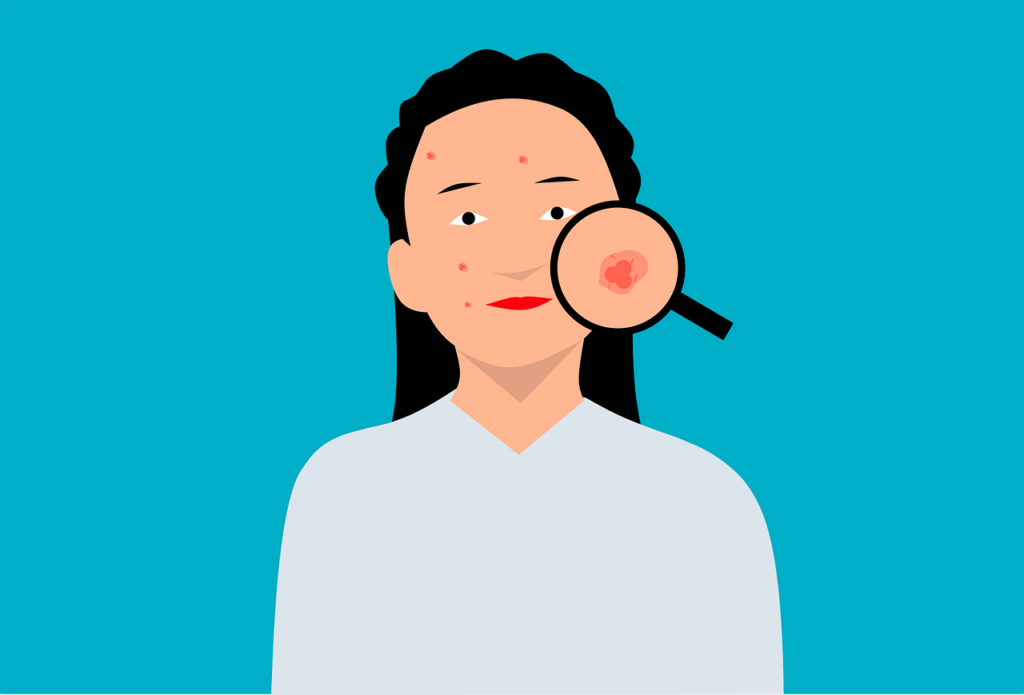
Acne scars can be a frustrating and persistent reminder of past breakouts. Understanding the different types of acne scars and their causes is essential in finding effective ways to prevent and manage them. Acne scars are classified into two main categories: atrophic scars and hypertrophic scars. Atrophic scars are characterized by depressed or sunken areas on the skin, which can be further divided into ice pick, boxcar, and rolling scars. On the other hand, hypertrophic scars are raised or elevated and often occur as a result of excess collagen production during the healing process.
Types of Acne Scars
-
Ice Pick Scars: These scars are narrow and deep, resembling small puncture marks on the skin. They occur when the acne lesion penetrates deep into the skin and destroys the underlying tissue.
-
Boxcar Scars: Boxcar scars are wider and have well-defined edges, appearing like small craters on the skin’s surface. These scars are caused by the destruction of collagen, leaving an indentation on the skin.
-
Rolling Scars: Rolling scars create a wavy or rolling appearance on the skin due to fibrous bands that develop between the skin and underlying tissue. These scars make the skin look uneven and can be challenging to treat.
-
Hypertrophic Scars: Unlike atrophic scars, hypertrophic scars form when there is an overproduction of collagen during the healing process. They are raised, thickened, and often red or pink in color.
Causes of Acne Scars
Acne scars are a result of severe or repeated inflammation of the skin caused by acne breakouts. The following factors can increase the likelihood of acne scars:
-
Severity of Acne: The more severe and prolonged your acne is, the higher the risk of developing scars. Cystic acne and nodular acne have a higher tendency to cause scarring compared to milder forms of acne.
-
Picking or Squeezing Pimples: Squeezing or picking at acne lesions can damage the skin further, leading to inflammation and potential scarring. It is important to resist the temptation to pop pimples to minimize the risk of scars.
-
Genetics: Some individuals may be more prone to developing acne scars due to genetic factors. If your parents or close relatives have a history of acne scars, you may have a higher predisposition as well.
-
Delayed or Ineffective Treatment: Failing to treat acne promptly or using ineffective treatment methods can increase the risk of scarring. It is crucial to consult a dermatologist who can provide personalized treatment plans to prevent acne from leaving scars.
Prevention and Management of Acne Scars
Preventing acne scars is always better than treating them, and establishing a healthy skincare routine is key to achieving this. Here are some essential practices to help prevent and manage acne scars:
Maintaining a Healthy Skincare Routine
-
Cleansing: Gently cleanse your face twice a day, using a mild cleanser suitable for your skin type. Avoid harsh scrubbing, which can worsen inflammation and potentially lead to scarring.
-
Exfoliating: Regular exfoliation helps remove dead skin cells, unclog pores, and promote cell turnover. Opt for gentle exfoliants that do not irritate the skin, such as those containing salicylic acid or glycolic acid.
-
Moisturizing: Keep your skin hydrated by applying a non-comedogenic moisturizer after cleansing. Well-moisturized skin can help minimize the appearance of scars.
-
Sun Protection: Protect your skin from harmful UV rays by wearing sunscreen with a minimum SPF 30. Sun exposure can exacerbate the appearance of acne scars and hinder the healing process.
Avoiding Picking or Squeezing Pimples
Resist the urge to pick or squeeze your pimples, as this can cause further inflammation and damage to your skin. Picking at acne lesions increases the chances of scarring and can even lead to the spread of bacteria, resulting in more breakouts.
Protecting Your Skin from Sun Damage
Exposure to the sun’s harmful UV rays can worsen acne scars and make them more noticeable. Applying sunscreen daily and avoiding prolonged sun exposure can help protect your skin and minimize the risk of further scarring.
Home Remedies for Acne Scars
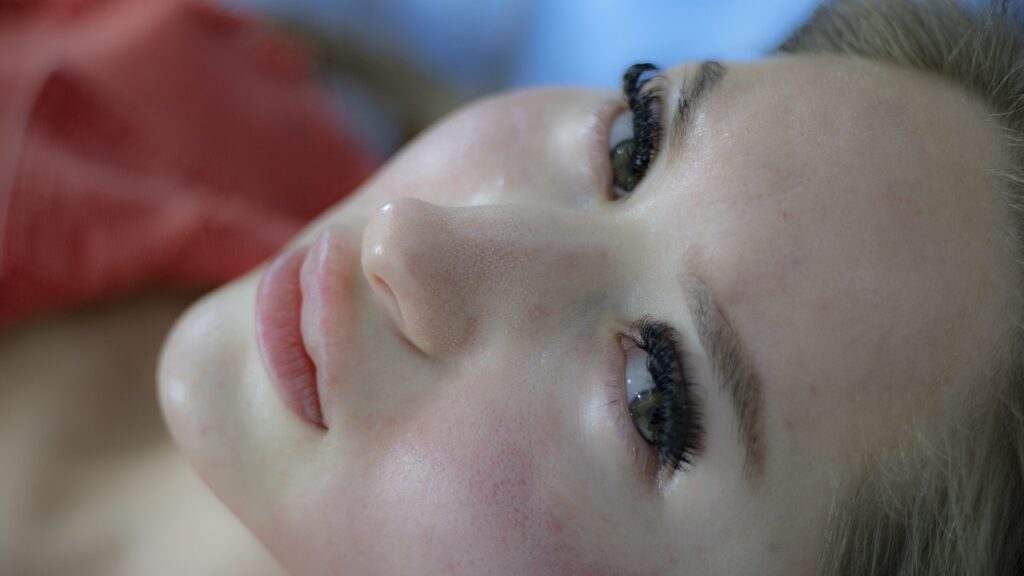
While home remedies cannot completely erase acne scars, they can assist in reducing their appearance and promoting overall skin health. Here are a few natural ingredients commonly used in home remedies for acne scars:
Lemon Juice
Lemon juice contains natural alpha-hydroxy acids (AHAs) that exfoliate the skin, promoting cell turnover and reducing the appearance of scars. Dilute lemon juice with water and apply it to the affected areas for a few minutes before rinsing off.
Aloe Vera
Aloe vera has soothing and healing properties that can help fade acne scars. Apply fresh aloe vera gel directly to the scars and leave it on for 30 minutes before rinsing off.
Honey
Honey has antibacterial properties and can aid in skin repair. Apply raw honey to the scars and leave it on for 15-20 minutes before rinsing off.
Apple Cider Vinegar
Apple cider vinegar acts as a natural toner, balancing the skin’s pH and helping to fade scars. Mix equal parts of apple cider vinegar and water, apply it to the scars using a cotton pad, and rinse off after a few minutes.
Coconut Oil
Coconut oil is known for its moisturizing properties and can help improve the appearance of acne scars. Gently massage a small amount of coconut oil onto the scars and leave it on overnight.
Other Natural Treatments for Acne Scars
Apart from the home remedies mentioned above, several other natural treatments can be beneficial in reducing the appearance of acne scars:
Tea Tree Oil
Tea tree oil has antimicrobial and anti-inflammatory properties that can aid in the healing process and reduce the visibility of scars. Dilute tea tree oil with a carrier oil, such as jojoba oil, and apply it to the scars.
Rosehip Seed Oil
Rosehip seed oil is rich in vitamins and essential fatty acids that promote skin regeneration and reduce hyperpigmentation. Massage a few drops of rosehip seed oil onto the scars daily.
Turmeric
Turmeric has anti-inflammatory properties and can help fade acne scars over time. Mix turmeric powder with water or honey to form a paste and apply it to the scars for 15-20 minutes before rinsing off.
Baking Soda
Baking soda acts as a gentle exfoliant, aiding in the removal of dead skin cells and promoting scar fading. Mix baking soda with water to form a paste, apply it to the scars for a few minutes, and rinse off.
Olive Oil
Olive oil is a rich source of antioxidants and moisturizing properties, which can help improve the appearance of acne scars. Massage a few drops onto the scars in circular motions for a few minutes before rinsing off.
DIY Face Masks for Acne Scars
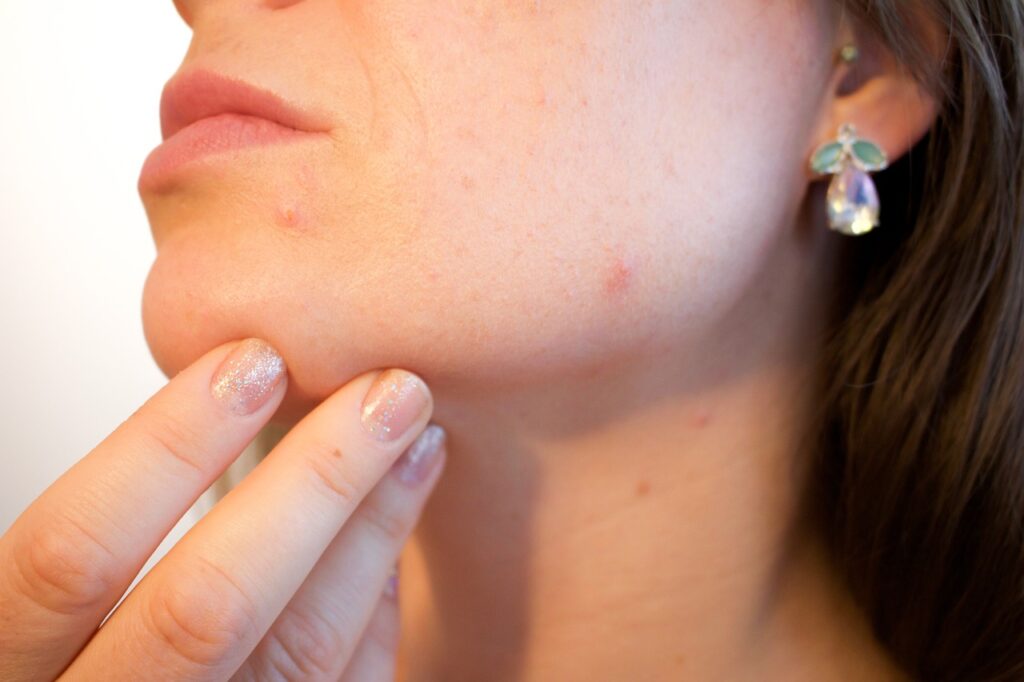
Face masks can provide additional benefits in the treatment of acne scars. Here are a few DIY face masks you can try at home:
Honey and Cinnamon Mask
Mix equal parts of honey and cinnamon powder to form a paste. Apply the mask to the scars and leave it on for 15-20 minutes before rinsing off.
Oatmeal and Yogurt Mask
Combine cooked oatmeal and plain yogurt to create a thick paste. Apply the mask to the scars and leave it on for 15-20 minutes before rinsing off.
Tomato and Avocado Mask
Blend a ripe tomato and half an avocado to form a smooth paste. Apply the mask to the scars and leave it on for 15-20 minutes before rinsing off.
Egg White Mask
Separate the egg white from the yolk and whisk it until frothy. Apply the egg white to the scars and leave it on for 15-20 minutes before rinsing off.
Papaya and Honey Mask
Mash a ripe papaya and mix it with honey to form a paste. Apply the mask to the scars and leave it on for 15-20 minutes before rinsing off.
Herbal Remedies for Acne Scars
Certain herbs have properties that can aid in the reduction of acne scars. Here are a few herbal remedies you can consider:
Neem
Neem has antimicrobial and anti-inflammatory properties that can help heal acne scars. Apply neem paste or neem oil to the scars and leave it on for 15-20 minutes before rinsing off.
Gotu Kola
Gotu kola promotes collagen production and can aid in scar healing. Prepare a tea using gotu kola leaves and apply it to the scars using a cotton pad.
Lavender Oil
Lavender oil has soothing and healing properties that can assist in scar reduction. Gently massage a few drops of lavender oil onto the scars daily.
Burdock Root
Burdock root can help cleanse the blood and promote skin health. Prepare a tea using burdock root and apply it to the scars using a cotton pad.
Calendula
Calendula has anti-inflammatory properties and can aid in scar healing. Apply calendula oil or cream to the scars and massage gently.
Essential Oils for Acne Scars
Essential oils can be beneficial in reducing the appearance of acne scars. It is important to dilute essential oils with a carrier oil before applying them topically. Here are a few essential oils for acne scars:
Lavender Essential Oil
Lavender essential oil has soothing and healing properties that can help fade acne scars. Dilute a few drops of lavender oil with a carrier oil and apply it to the scars.
Frankincense Essential Oil
Frankincense essential oil promotes skin regeneration and can help reduce the visibility of scars. Dilute a few drops of frankincense oil with a carrier oil and apply it to the scars.
Rosemary Essential Oil
Rosemary essential oil has antioxidant properties that can aid in scar healing. Dilute a few drops of rosemary oil with a carrier oil and apply it to the scars.
Tea Tree Essential Oil
Tea tree essential oil has antimicrobial properties and can help in scar reduction. Dilute a few drops of tea tree oil with a carrier oil and apply it to the scars.
Geranium Essential Oil
Geranium essential oil promotes cell regeneration and can assist in scar healing. Dilute a few drops of geranium oil with a carrier oil and apply it to the scars.
Dietary Changes for Healing Acne Scars
Incorporating certain dietary changes can support the healing process of acne scars. Here are a few dietary tips to consider:
Avoiding High Glycemic Index Foods
High glycemic index foods, such as refined carbohydrates and sugary snacks, can increase inflammation and potentially worsen acne scars. Opt for low glycemic index foods, including fruits, vegetables, whole grains, and lean proteins.
Incorporating Antioxidant-Rich Foods
Antioxidant-rich foods, such as berries, leafy greens, and nuts, can help protect the skin from free radicals and promote skin healing. Include these foods in your diet to support the reduction of acne scars.
Increasing Water Intake
Staying hydrated is crucial for overall skin health. Drinking an adequate amount of water helps flush out toxins and promotes healthy cell regeneration. Aim to drink at least 8 glasses of water per day.
Reducing Dairy Consumption
Some studies suggest that consuming dairy products may contribute to acne breakouts and scarring. Consider reducing your consumption of dairy and observe if it has any positive impact on your skin.
Including Omega-3 Fatty Acids
Omega-3 fatty acids have anti-inflammatory properties and can help reduce inflammation associated with acne scars. Increase your intake of foods rich in omega-3 fatty acids, such as fatty fish, flaxseeds, and chia seeds.
Professional Treatments for Acne Scars
In severe cases or when home remedies and natural treatments do not provide the desired results, professional treatments can be considered. Here are a few common professional treatments for acne scars:
Chemical Peels
Chemical peels involve the application of a chemical solution to the skin, which exfoliates the top layer and promotes the growth of new, smoother skin. Chemical peels can help reduce the appearance of acne scars.
Microdermabrasion
Microdermabrasion uses a handheld device to exfoliate the skin and remove the top layer, stimulating the growth of new skin cells. It can be effective in reducing the visibility of acne scars.
Laser Therapy
Laser therapy uses targeted laser beams to remove damaged skin and promote collagen production. It can help in the treatment of both atrophic and hypertrophic acne scars.
Microneedling
Microneedling involves the use of a small device with fine needles that puncture the skin, stimulating collagen production and promoting scar remodeling. It can be effective in reducing the appearance of acne scars.
Dermal Fillers
Dermal fillers are injectable substances that can fill in depressed acne scars, making them less visible. This temporary solution can provide noticeable improvements in scar appearance.
Conclusion
Acne scars can be emotionally distressing, but with the right knowledge and approach, they can be managed effectively. Understanding the different types of acne scars and their causes is an important step in prevention and management. By following a healthy skincare routine, incorporating home remedies and natural treatments, making dietary changes, and seeking professional treatments when necessary, you can empower yourself to minimize the appearance of acne scars and promote overall skin health. Remember, patience and consistency are key, and it’s always best to consult with a dermatologist for personalized advice and treatment options.