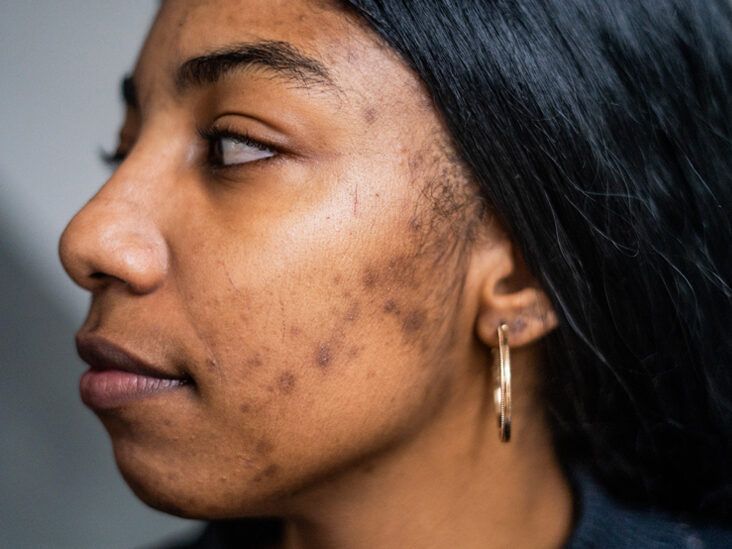
Are you tired of dealing with stubborn dark acne spots? Well, fret no more! In this article, we will explore a range of expert remedies that will help you bid adieu to those pesky blemishes. Discover effective solutions and practical tips from skincare professionals to regain your confidence and achieve a spotless complexion. Say goodbye to dark spots and hello to radiant, clear skin with the help of these expert-recommended remedies.
1. Understanding Dark Acne Spots
1.1 What are Dark Acne Spots?
Dark acne spots, also known as post-inflammatory hyperpigmentation, are discolorations that occur as a result of acne breakouts. After a pimple heals, it often leaves behind a mark that is darker than the surrounding skin. These spots can range in color from pink to red, brown, or even black, depending on your skin tone.
1.2 Causes of Dark Acne Spots
The main cause of dark acne spots is the inflammation that occurs during an acne breakout. When a pimple forms, the skin becomes irritated and damaged, triggering the production of excess melanin. Melanin is the pigment responsible for our skin’s color, and an overproduction of melanin leads to the darkening of the affected area.
1.3 Types of Dark Acne Spots
There are two main types of dark acne spots: early-stage and late-stage spots. Early-stage spots are pink or red and are typically easier to treat. Late-stage spots, on the other hand, have a darker color and may take more time and effort to fade. It’s important to identify the type of dark spot you have to determine the most effective treatment approach.
2. Prevention and Daily Skincare Routine
2.1 Importance of Daily Skincare
Maintaining a consistent daily skincare routine is essential for preventing the formation of dark acne spots. By keeping your skin clean and healthy, you can minimize inflammation and reduce the chances of post-inflammatory pigmentation. Additionally, good skincare habits can help control acne breakouts and promote overall skin health.
2.2 Cleansing and Exfoliating
Cleansing your skin twice a day, in the morning and evening, is crucial for preventing dark acne spots. Use a gentle cleanser that suits your skin type to remove dirt, oil, and impurities. Exfoliating once or twice a week can also help remove dead skin cells and unclog pores, reducing the likelihood of breakouts and subsequent dark spots.
2.3 Moisturizing and Hydrating
Moisturizing is an essential step in any skincare routine, even if you have oily or acne-prone skin. A lightweight, non-comedogenic moisturizer can help balance the skin’s hydration levels and prevent excessive dryness or oiliness. Hydrated skin is healthier, which can contribute to the fading of dark acne spots over time.
2.4 Sun Protection
Protecting your skin from the sun is crucial in preventing dark acne spots from worsening or becoming more prominent. Excessive sun exposure can worsen hyperpigmentation and lead to the formation of new dark spots. Always apply a broad-spectrum sunscreen with an SPF of 30 or higher before going outside, regardless of the weather.
2.5 Avoiding Picking or Squeezing Acne
One of the worst things you can do for your skin, in terms of both acne prevention and dark spot formation, is picking or squeezing pimples. This can cause further inflammation and damage to the skin, increasing the risk of dark spots. Instead, leave your acne alone and let it heal naturally to minimize the chances of developing post-inflammatory hyperpigmentation.
3. Over-the-Counter Remedies
3.1 Topical Creams and Serums
Over-the-counter creams and serums containing ingredients like retinol, vitamin C, kojic acid, or hydroquinone can be effective in fading dark acne spots. These ingredients work by exfoliating the skin, reducing melanin production, and promoting skin cell turnover. However, it’s important to follow the instructions carefully and be patient, as results may take several weeks to appear.
3.2 Chemical Peels
Chemical peels are another option for fading dark acne spots. They involve the application of a chemical solution to the skin, which exfoliates the outer layers and stimulates collagen production. This helps to improve the appearance of pigmentation irregularities. It’s best to consult a dermatologist to determine the appropriate strength and type of peel for your specific needs.
3.3 Microdermabrasion
Microdermabrasion is a non-invasive procedure that uses tiny crystals to gently remove the outer layer of dead skin cells. This treatment can help to lighten dark acne spots and improve overall skin texture. Multiple sessions may be required for optimal results, and it’s important to follow post-treatment care instructions provided by your dermatologist.
4. Natural Home Remedies
4.1 Lemon Juice
Lemon juice is a popular natural remedy for lightening dark spots due to its natural bleaching properties. Apply freshly squeezed lemon juice to the affected areas using a cotton ball and leave it on for 10-15 minutes before rinsing off. However, lemon juice can be drying and may cause irritation for some individuals, so it’s important to do a patch test and dilute the juice if necessary.
4.2 Aloe Vera Gel
Aloe vera gel is known for its soothing and healing properties, making it an excellent choice for reducing the appearance of dark acne spots. Apply a thin layer of pure aloe vera gel to the affected areas and leave it on overnight. With regular use, aloe vera can help fade hyperpigmentation and promote a healthy skin barrier.
4.3 Honey
Honey has antibacterial and anti-inflammatory properties, making it beneficial for treating acne and preventing dark spots. Apply raw honey to the affected areas and leave it on for 15-20 minutes before rinsing off. Honey can also be mixed with other natural ingredients like yogurt or turmeric for added benefits.
4.4 Turmeric
Turmeric is a powerful antioxidant and anti-inflammatory spice that can help reduce the appearance of dark acne spots. Create a paste by mixing turmeric powder with a small amount of water or honey. Apply the paste to the affected areas and leave it on for 10-15 minutes before rinsing off. Be aware that turmeric can temporarily stain the skin, so it’s best to use it in the evening.
4.5 Apple Cider Vinegar
Apple cider vinegar is known for its ability to balance the skin’s pH and promote exfoliation. Dilute apple cider vinegar with water (1 part vinegar to 3 parts water) and apply it to the dark spots using a cotton pad. Leave it on for a few minutes before rinsing off. As with any natural remedy, it’s important to do a patch test and discontinue use if any irritation occurs.
5. Professional Treatments
5.1 Laser Therapy
Laser therapy is a popular treatment option for stubborn dark acne spots. It works by targeting the excess melanin in the skin and breaking it down, leading to a more even skin tone. Multiple sessions may be required, depending on the severity of the hyperpigmentation. Laser therapy should only be performed by a trained professional to ensure safety and maximize effectiveness.
5.2 Dermabrasion
Dermabrasion is a procedure that involves removing the outer layers of skin using a rotating brush or diamond wheel. This treatment effectively resurfaces the skin, reducing the appearance of dark acne spots. Dermabrasion is a more aggressive treatment and may require downtime for healing. Consulting with a dermatologist is essential to determine if dermabrasion is suitable for your skin type and condition.
5.3 Cryotherapy
Cryotherapy involves freezing the dark spots using liquid nitrogen to destroy the excess melanin. This treatment is typically used for smaller, isolated areas of hyperpigmentation. It’s important to note that cryotherapy may cause temporary redness or blisters, and multiple sessions may be required for optimal results.
6. Combination Therapies
6.1 Microneedling with Topical Agents
Microneedling is a procedure that uses small needles to create micro-injuries in the skin, triggering collagen production and improving the absorption of topical agents. When combined with serums or creams containing ingredients like vitamin C or kojic acid, microneedling can enhance the effectiveness of the treatment for dark acne spots. This combination therapy should only be performed by a trained professional.
6.2 Chemical Peels with Laser Therapy
Combining chemical peels with laser therapy can lead to more significant and faster results in fading dark acne spots. Chemical peels help exfoliate the skin and prepare it for laser treatment by removing the outermost layers. This allows the laser therapy to more effectively target the excess melanin. It’s crucial to consult with a dermatologist to determine the most suitable combination therapy for your specific needs.
7. Skincare Tips for Faster Results
7.1 Maintaining Consistency
Consistency is key when it comes to treating dark acne spots. Whether you’re using over-the-counter remedies, natural home remedies, or professional treatments, it’s important to follow a regular skincare routine and be patient. Results may take time, so stay committed to your chosen treatment plan for the best outcome.
7.2 Avoiding Harsh Products
Harsh products can irritate the skin and worsen hyperpigmentation. Avoid using products that contain alcohol, fragrances, or other potentially irritating ingredients. Opt for gentle, non-comedogenic products that are suitable for your skin type to minimize the risk of further damage.
7.3 Following a Healthy Diet
A healthy diet can contribute to overall skin health, including the fading of dark acne spots. Incorporate foods rich in antioxidants, vitamins, and minerals, such as fresh fruits, vegetables, whole grains, and lean proteins. Also, drink plenty of water to keep your skin hydrated from within.
7.4 Staying Hydrated
Dehydrated skin can appear dull and emphasize dark acne spots. Make sure to drink an adequate amount of water throughout the day to keep your skin hydrated. This can help improve the skin’s overall appearance and support the healing process.
8. Expert Advice for Severe Cases
8.1 Oral Medications
For severe cases of dark acne spots, oral medications may be necessary. Dermatologists may prescribe medications such as oral antibiotics, retinoids, or hormonal therapies to address the underlying causes of acne and prevent further breakouts. These medications may help in reducing inflammation and gradually fading the dark spots.
8.2 Prescription Creams and Serums
In addition to oral medications, dermatologists can prescribe stronger creams or serums that contain ingredients like hydroquinone, tretinoin, or corticosteroids. These prescription-strength products can effectively target stubborn dark acne spots and accelerate the fading process. It’s important to follow the instructions provided by your dermatologist and regularly monitor your skin’s response to the treatment.
9. The Role of Lifestyle Factors
9.1 Stress Management
High levels of stress can worsen acne breakouts and potentially lead to more severe dark acne spots. Implementing stress management techniques such as mindfulness, meditation, exercise, and hobbies can help reduce stress levels and promote clearer, healthier skin.
9.2 Sufficient Sleep
Adequate sleep is crucial for allowing the skin to repair and regenerate. Lack of sleep can contribute to the development of dark acne spots and interfere with the skin’s natural healing process. Aim for 7-9 hours of uninterrupted sleep each night to support optimal skin health.
9.3 Exercise and Physical Activity
Regular exercise and physical activity can improve blood circulation and promote a healthy complexion. Engaging in activities that increase heart rate, such as cardio exercises or yoga, can help maintain clear and glowing skin. Additionally, sweating during exercise helps to unclog pores and detoxify the skin.
10. Embracing Clear, Healthy Skin
10.1 Building Self-Confidence and Self-Esteem
Having dark acne spots can sometimes affect your confidence and self-esteem. It’s important to remember that these spots do not define your worth or beauty. Embrace your natural skin and focus on the steps you are taking to improve its health. Surround yourself with positive influences and practice self-love and self-care.
10.2 Seeking Professional Help if Required
If you have tried various remedies and treatments without seeing significant improvement in your dark acne spots, it may be time to seek professional help. Consult a dermatologist who can assess your specific situation and recommend the most appropriate treatments for your skin. Remember, there are options available to help you achieve clear, healthy skin.