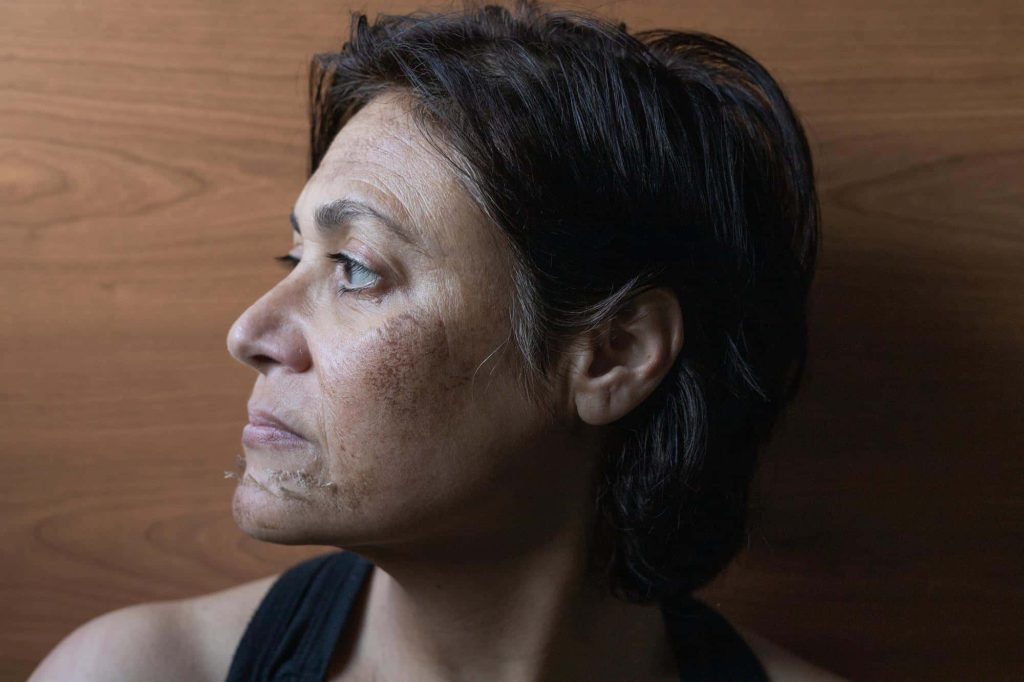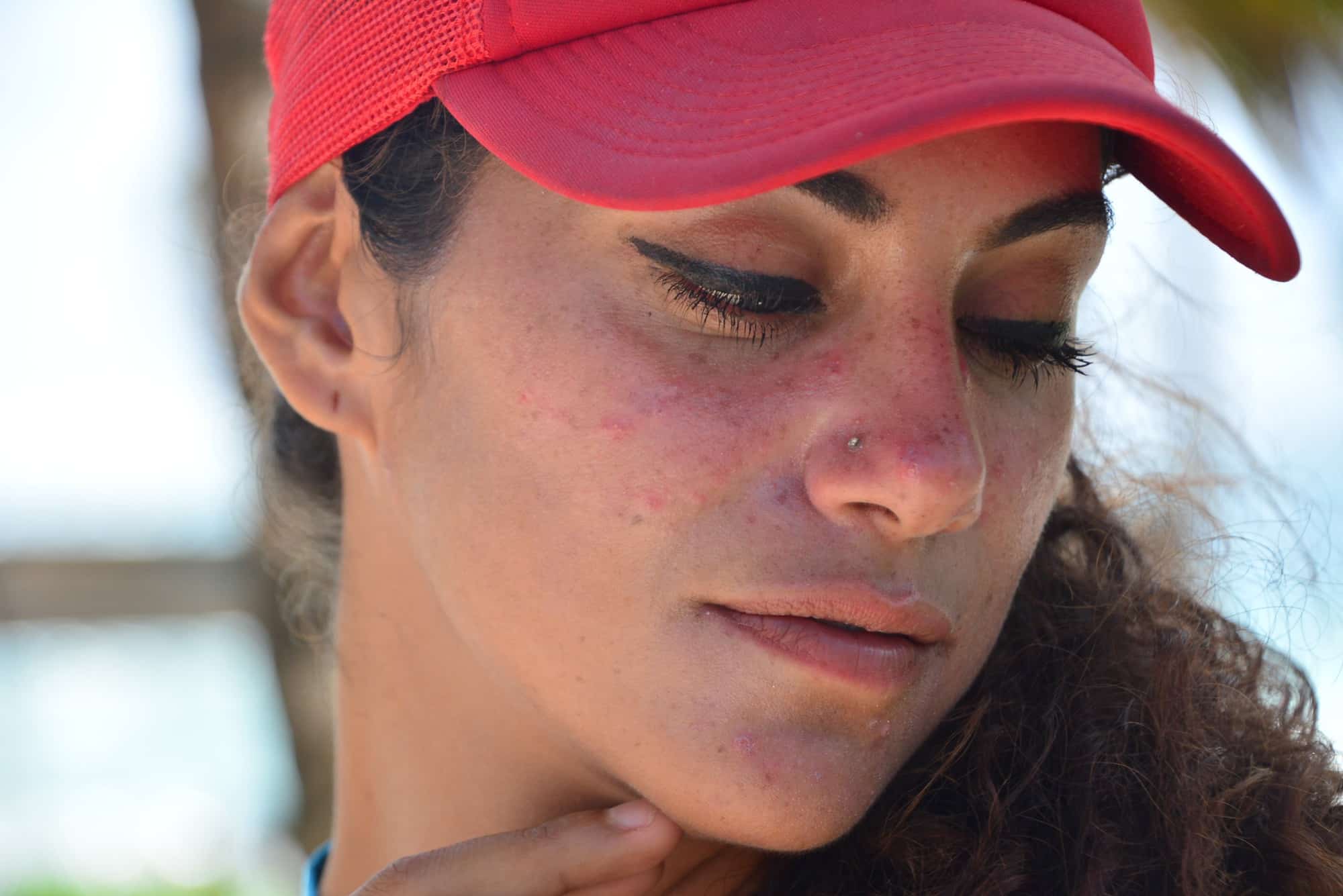
Imagine waking up one day and seeing a completely different person staring back at you in the mirror. The face you once recognized is now marred by scars, changing your appearance in a way you never thought possible. Coping with facial scarring can be a daunting task, but the good news is that there are treatments available that can help restore not only your physical appearance but also your self-confidence. In this article, we will explore the various ways to cope with and treat facial scarring, providing you with valuable information and support to help you on your journey towards healing.
Emotional Impact of Facial Scarring
Psychological effects of facial scarring
Dealing with facial scarring can have a significant emotional impact on individuals. It can affect self-esteem, body image, and overall well-being. The presence of visible scars on the face may make individuals feel self-conscious and lead to social anxiety. They may experience feelings of embarrassment, shame, and even depression. It is important to recognize and address these psychological effects to support individuals in coping with facial scarring effectively.
Social impact and self-esteem
Facial scarring can have a profound impact on an individual’s social life and self-esteem. Scars can attract attention and cause others to stare or ask uncomfortable questions. This can lead to feelings of self-consciousness and a desire to withdraw from social interactions. The fear of judgment and rejection can hinder the development of meaningful relationships and affect one’s ability to engage in social activities confidently. It is crucial to provide support and create an inclusive environment that promotes self-acceptance and self-worth for individuals with facial scarring.
Coping mechanisms and support systems
Effective coping mechanisms and strong support systems play a crucial role in helping individuals with facial scarring navigate the emotional challenges they may face. Engaging in activities that promote self-care and self-expression, such as hobbies or creative outlets, can be helpful in diverting attention away from the scars and focusing on other aspects of one’s identity. Support from family, friends, and mental health professionals can provide the needed encouragement, empathy, and understanding. Joining support groups or seeking therapy can also be beneficial, as they provide a safe space to share experiences, gain perspective, and learn coping strategies from others facing similar challenges.
Understanding Facial Scarring
Causes of facial scarring
Facial scars can be caused by various factors, including accidents, burns, surgical procedures, and skin conditions such as acne or chickenpox. When the skin is injured or damaged, the body initiates a natural healing process that results in the formation of scar tissue. Factors such as the depth and location of the wound, the individual’s age, and overall health can influence the severity and appearance of the resulting scar.
Different types of facial scars
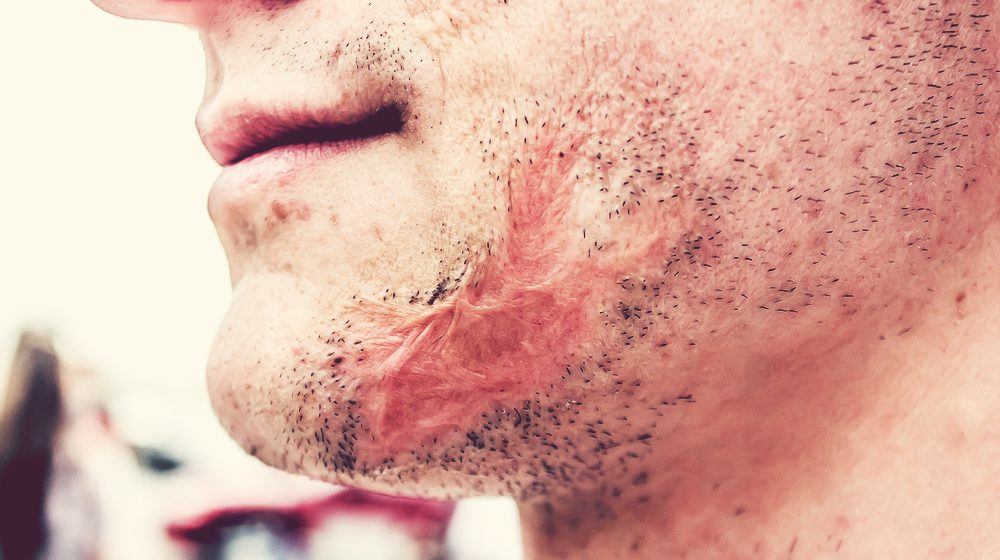
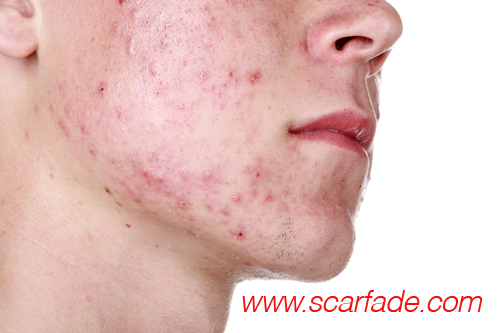
Facial scars can be classified into different types based on their appearance and cause. Hypertrophic scars are raised and may become red and itchy, usually forming within the boundaries of the original wound. Atrophic scars appear as depressed or sunken areas and can result from conditions like acne or chickenpox. Keloid scars are raised and extend beyond the boundaries of the initial wound. Contracture scars occur when the skin is burned, causing the skin to tighten and restrict movement.
Factors influencing scar formation
Several factors can influence the formation and appearance of facial scars. These factors include the individual’s genetics, the type and location of the wound, the size and depth of the wound, the individual’s age and overall health, and their skincare routine during the healing process. It is important to note that each person’s healing process is unique, and there is no guaranteed way to prevent the formation of scars entirely. However, taking proper care of wounds and seeking prompt medical attention can help minimize the risk of excessive scarring.
Medical Treatments for Facial Scarring
Topical treatments for facial scars
Topical treatments for facial scars aim to improve the appearance and texture of the scar tissue. These treatments often include silicone-based gels or sheets, which create a protective barrier, lock in moisture, and promote the healing process. Other topical treatments may contain ingredients like vitamin E, aloe vera, or onion extract, which are believed to have scar-healing properties. These treatments are typically applied directly to the scar and should be used consistently for an extended period to see noticeable results.
Invasive procedures for scar reduction
Invasive procedures, performed by medical professionals, can be used to reduce the appearance of facial scars. These procedures may include dermabrasion, which involves removing the top layers of the skin using a rotating brush or diamond wheel, and micro-needling, which stimulates collagen production and helps improve the texture of the scar. Another option is corticosteroid injections, which can reduce inflammation and flatten raised scars. These procedures require careful consideration and consultation with a dermatologist or plastic surgeon to determine the best course of action for each individual.
Laser therapy for scar removal
Laser therapy has become increasingly popular for scar removal and reduction. Different types of lasers, such as fractional lasers or pulsed-dye lasers, can be used to target specific types of scars. Laser therapy works by precisely removing the outer layers of the scar tissue, stimulating collagen production, and promoting new skin growth. This process can help improve the texture, color, and overall appearance of the scar. Laser sessions may need to be repeated several times for optimal results, and it is important to follow the pre and post-treatment care instructions provided by the healthcare professional.
Non-medical Approaches to Minimize Scarring
Silicone-based scar sheets and gels
Silicone-based scar sheets and gels are widely used as non-invasive options to minimize the appearance of facial scars. These products create a barrier that helps retain moisture, flatten the scar, and improve its overall texture. Silicone-based sheets are typically applied directly to the scar and can be easily cut to fit any size or shape. Silicone gels, on the other hand, are transparent and can be applied directly to the scar, allowing for more flexibility and convenience.
Pressure therapies for scar management
Pressure therapies, such as compression garments or silicone gel sheets, can also be used to manage and reduce the appearance of facial scars. These therapies work by applying constant pressure to the scar, which helps flatten and fade it over time. Compression garments are often recommended for hypertrophic or keloid scars, while silicone gel sheets can be used for various types of scars. It is essential to follow the instructions provided by healthcare professionals or product manufacturers to ensure safe and effective use.
Natural remedies and home treatments
While the effectiveness of natural remedies and home treatments for scar reduction varies, some individuals may find them beneficial in their scar management routine. Aloe vera gel, known for its soothing and healing properties, can be applied to scars to promote healing and reduce inflammation. Honey and lemon, when combined, can create a natural exfoliating mask that may help lighten scars over time. Additionally, essential oils such as lavender, rosehip, or tea tree oil can be diluted and applied topically to reduce scar appearance and promote skin health. It is important to remember that natural remedies may not work for everyone, and consulting with a healthcare professional is recommended before trying these alternative approaches.
Prevention and Early Intervention
Importance of immediate wound care
Proper wound care is vital in preventing the formation of more prominent facial scars. Cleaning the wound with gentle soap and water, applying an antiseptic ointment, and covering it with a sterile bandage can help minimize the risk of infection and promote healthy wound healing. It is important to avoid picking at scabs or scratching the wound, as this can contribute to scar formation. Following the recommended wound care instructions provided by healthcare professionals can significantly reduce the likelihood of excessive scarring.
Minimizing the risk of infection
Infection can significantly worsen the appearance and healing process of facial scars. To minimize the risk of infection, it is essential to keep the wound clean and dry. Avoid touching the wound with dirty hands and ensure any tools or materials used during wound care are sterile. If any signs of infection, such as increased redness, swelling, or pus, occur, seeking medical attention promptly is crucial for appropriate treatment and prevention of further complications.
Role of sunscreen in scar prevention
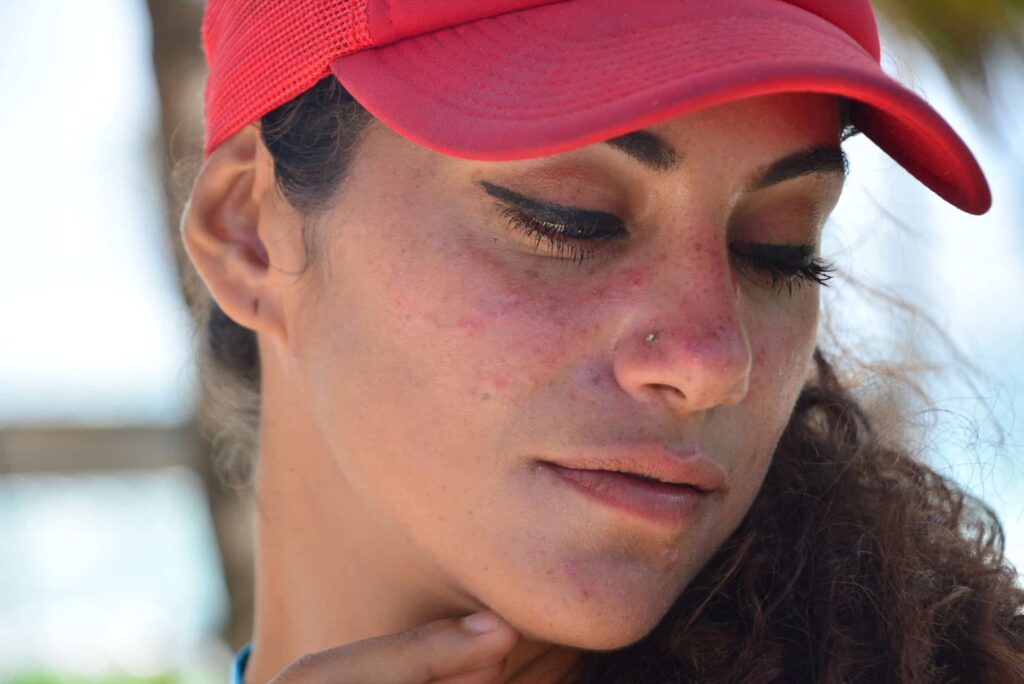
Sunscreen plays a crucial role in scar prevention and minimizing the appearance of existing scars. UV rays can worsen the pigmentation of scars, making them more noticeable and potentially causing them to darken. Applying a broad-spectrum sunscreen with an SPF of at least 30 to the scarred area can help protect the skin from harmful UV radiation. It is important to reapply sunscreen every two hours, especially when exposed to direct sunlight, and to seek shade whenever possible to further minimize sun exposure.
Makeup Techniques for Concealing Facial Scars
Color correction for different scar types
Color correction is an effective technique for concealing facial scars. By using color correctors, such as green for red scars or purple for yellowish scars, it is possible to neutralize the discoloration of the scar. Applying a color corrector onto the scar, followed by a foundation in a skin-toned shade, can help achieve a more seamless and natural-looking coverage.
Application techniques for seamless coverage
When applying makeup to conceal facial scars, using the right application techniques can make a significant difference. Starting with a clean and moisturized face, apply a thin layer of primer to create a smooth canvas. Use a small brush or sponge to dab the concealer onto the scar, gradually building up the coverage as needed. Gently blend the edges of the concealer into the surrounding skin to create a seamless transition. Finally, set the makeup with a translucent powder to ensure long-lasting coverage.
Recommended makeup products for scar camouflage
Finding the right makeup products for scar camouflage is essential for achieving effective coverage. Look for foundations and concealers that offer high coverage, long-lasting wear, and a natural finish. Some brands specialize in scar coverage, offering products specifically formulated to address the unique needs of individuals with facial scars. It may be helpful to consult with a makeup artist or beauty specialist to find the best products suited to individual skin types and scar characteristics.
Psychological Therapies for Scar Acceptance
Cognitive-behavioral therapy (CBT)
Cognitive-behavioral therapy (CBT) is a widely used therapeutic approach to help individuals cope with the psychological effects of facial scarring. Through CBT, individuals can identify and challenge negative thoughts and beliefs related to their scars, develop healthy coping strategies, and improve self-esteem and body image. CBT can be conducted individually or in a group setting, depending on the individual’s needs and preferences. A trained therapist can guide individuals through the process and provide tools to enhance their overall well-being and acceptance of their scars.
Exposure therapy for body image difficulties
Exposure therapy is a form of psychological treatment that aims to gradually expose individuals to situations or stimuli that elicit distress or anxiety. For individuals struggling with body image difficulties related to facial scarring, exposure therapy can help them confront and overcome their fears. Gradual exposure to social situations, such as going to crowded places or participating in group activities, can build resilience, boost self-confidence, and reduce avoidance behaviors. This therapy should be conducted under the guidance of a qualified therapist to ensure safety and effectiveness.
Support groups and counseling
Joining support groups or seeking counseling can provide individuals with a safe space to share experiences, gain support, and learn valuable coping strategies for managing facial scarring. Support groups bring together individuals facing similar challenges, allowing for a sense of belonging and understanding. Counseling provides a more individualized approach, enabling individuals to work through their emotions, develop effective coping mechanisms, and enhance their well-being. These resources can provide invaluable support and promote scar acceptance in a compassionate and understanding environment.
Surgical Interventions for Severe Facial Scarring
Skin grafting for extensive scars
Skin grafting is a surgical procedure used to treat severe facial scars that have resulted in significant tissue loss. This procedure involves transplanting healthy skin from another area of the body, known as the donor site, to replace the scarred tissue. Skin grafts can be full-thickness grafts, which include the epidermis and dermis, or split-thickness grafts, which include only a portion of the dermis. The type of graft used depends on the location and severity of the scarring. Skin grafting can significantly improve the appearance and function of severe facial scars, but it is essential to consult with a plastic surgeon to assess suitability and discuss potential risks and benefits.
Scar revision surgery
Scar revision surgery is a procedure used to minimize the appearance of facial scars by modifying their shape, size, or texture. This surgical intervention aims to make the scar less noticeable and improve its overall alignment with the natural contours of the face. Scar revision techniques vary depending on the type and characteristics of the scar, but they may include surgical excision, skin grafting, or the use of tissue expansion devices. Scar revision surgery can be an effective option for individuals who are unhappy with the appearance of their scars and want to achieve a more refined and natural outcome.
Importance of consulting a plastic surgeon
Consulting a qualified plastic surgeon is vital when considering surgical interventions for severe facial scarring. Plastic surgeons have the expertise and experience to assess the individual’s specific circumstances, recommend the most suitable procedures, and discuss potential risks and outcomes. They can guide individuals through the decision-making process, answer any questions or concerns, and provide realistic expectations about the results of surgical interventions. It is important to choose a reputable and board-certified plastic surgeon who specializes in scar revision to ensure the best possible outcome.
Home Remedies for Scar Reduction
Aloe vera gel for scar healing
Aloe vera gel is a commonly used home remedy for scar healing. The gel derived from the aloe vera plant is known for its soothing and anti-inflammatory properties. Applying a thin layer of aloe vera gel to the scarred area can help promote healing, reduce redness and inflammation, and improve the overall appearance of the scar over time. It is important to use pure and organic aloe vera gel and apply it consistently for optimal results.
Honey and lemon for lightening scars
Honey and lemon are natural ingredients that can be used to lighten facial scars. Honey is known for its antibacterial properties and ability to help regenerate skin cells. Lemon, on the other hand, contains natural acids that can aid in skin exfoliation and promote a more even skin tone. Mixing equal parts honey and lemon juice to create a mask and applying it to the scarred area can help lighten the scar over time. It is important to note that lemon juice may cause skin sensitivity and should be used with caution, especially for individuals with sensitive skin.
Essential oils for reducing scar appearance
Essential oils, such as lavender, rosehip, or tea tree oil, are often used as home remedies to reduce the appearance of scars. Lavender oil has soothing and healing properties, while rosehip oil is rich in vitamins and antioxidants that promote skin regeneration. Tea tree oil has antibacterial properties that can help prevent infection in scars. Diluting these essential oils with a carrier oil, such as coconut or jojoba oil, and applying the mixture to the scarred area may help reduce the appearance of the scar and improve overall skin health. It is important to patch test essential oils on a small area of skin before use to check for any adverse reactions.
Lifestyle Changes and Self-Care Tips
Importance of maintaining a healthy diet
Maintaining a healthy diet is essential for overall skin health and scar healing. Consuming a balanced diet rich in fruits, vegetables, lean proteins, and whole grains provides the body with the necessary nutrients, vitamins, and minerals to support the healing process. Foods high in antioxidants, such as berries and leafy greens, can help promote collagen production and reduce inflammation. Staying hydrated by drinking an adequate amount of water also plays a crucial role in maintaining healthy skin and supporting scar healing.
Quitting smoking to improve scar healing
Smoking can significantly delay the healing process and worsen the appearance of scars. The chemicals present in cigarette smoke can impair blood circulation, decrease oxygen levels, and restrict collagen production, which are all essential for healthy wound healing. Quitting smoking is not only beneficial for overall health but also plays a crucial role in improving scar healing. Individuals who smoke should consider seeking support from healthcare professionals or joining smoking cessation programs to help them quit successfully.
Protective measures against sun exposure
Sun exposure can worsen the appearance of scars and cause them to darken or become more noticeable. Therefore, it is important to take protective measures against sun exposure to minimize the risk of scar discoloration. Applying a broad-spectrum sunscreen with an SPF of at least 30 to the scarred area before heading outdoors is crucial. Wearing protective clothing, such as hats or scarves, and seeking shade whenever possible can further reduce sun exposure and help protect the healing scar tissue.