
Have you ever wondered what can help with scars and fade them away? In this article, we will explore the top remedies and products that can effectively reduce the appearance of scars. Whether you’re dealing with acne scars, surgical scars, or stretch marks, we’ve got you covered! Discover the power of natural remedies, such as aloe vera and vitamin E, as well as innovative products specially formulated to tackle scars head-on. Say goodbye to unwanted marks and hello to smooth, flawless skin with these tried and tested solutions.
Topical Remedies
Aloe Vera
Aloe Vera is a popular and natural remedy for scars. It is known for its soothing and healing properties, making it a great option for reducing the appearance of scars. Aloe Vera can be applied directly to the scarred area, allowing its moisturizing and nourishing gel to penetrate the skin. This can help to hydrate and soften the scar tissue, promoting healing and fading the scar over time.
Coconut Oil
Coconut oil is another beneficial topical remedy for scars. It contains vitamins and fatty acids that help nourish the skin and promote the growth of healthy new cells. Applying coconut oil to the scarred area can help moisturize the skin, reduce inflammation, and improve the overall appearance of the scar over time.
Vitamin E Oil
Vitamin E oil is often used as a topical remedy for scars due to its antioxidant properties. It can promote the regeneration of damaged skin cells and help fade scars by reducing their visibility. Applying a few drops of vitamin E oil to the scar and gently massaging it in can provide moisture and nourishment to the skin, helping to improve its texture and appearance.
Honey
Honey has been used for centuries for its many therapeutic properties, and it can also be beneficial for scars. Honey has natural anti-inflammatory and antibacterial properties, which can help reduce redness and inflammation associated with scars. Additionally, honey can help hydrate the skin and improve its texture. Applying a thin layer of honey to the scar and leaving it on for about 30 minutes before rinsing off can provide these benefits.
Tea Tree Oil
Tea tree oil is known for its antimicrobial and anti-inflammatory properties, making it a popular choice for treating scars. It can help reduce the risk of infection and inflammation, which can speed up the healing process. Tea tree oil can be mixed with a carrier oil, such as coconut oil or olive oil, and applied to the scarred area. It is important to dilute tea tree oil before applying it to the skin to prevent any irritation.
Medical Treatments
Chemical Peels
Chemical peels are a medical treatment option for scars. They involve the application of a chemical solution to the skin, which exfoliates the top layers and promotes the growth of new, healthy skin cells. Chemical peels can help improve the appearance of scars by reducing their visibility and promoting smoother skin. It is important to consult with a dermatologist or skincare professional before undergoing a chemical peel to determine the most appropriate strength and type of peel for your specific scar.
Microdermabrasion
Microdermabrasion is a non-invasive procedure that uses a device to exfoliate the top layers of the skin. It can help improve the appearance of scars by stimulating the production of collagen and promoting skin renewal. Microdermabrasion can also smooth out the skin surface, reducing the visibility of scars. This treatment is usually performed in a dermatologist’s office or medical spa, and multiple sessions may be needed to achieve the desired results.
Laser Therapy
Laser therapy is a popular medical treatment for scars. It involves the use of concentrated beams of light to target specific areas of the skin. Laser therapy can help reduce the appearance of scars by stimulating collagen production and promoting skin rejuvenation. This treatment can be effective for a wide range of scar types, including acne scars, surgical scars, and stretch marks. It is important to consult with a dermatologist or qualified laser therapist to determine the most suitable laser treatment for your specific scar.
Corticosteroid Injections
Corticosteroid injections are commonly used to treat raised or hypertrophic scars. These injections contain a steroid medication that helps reduce inflammation and flatten the scar tissue. Corticosteroid injections can be effective for scars caused by acne, keloids, and hypertrophic scars. Multiple injections may be needed, and it is essential to consult with a dermatologist or healthcare professional to determine the appropriate dosage and treatment plan for your scar.
Silicone Gel or Sheeting
Silicone gel or sheeting is often recommended for the treatment of scars. Silicone helps hydrate the scar tissue, creating an environment that promotes healing and improves the appearance of the scar. Silicone gel can be applied directly to the scarred area, while silicone sheeting is placed over the scar and secured with medical tape or adhesive. It is important to consistently use silicone gel or sheeting as directed to achieve the best results.

Natural Ingredients
Onion Extract
Onion extract is a natural ingredient that has been used for centuries to help reduce the appearance of scars. It contains compounds that can help control inflammation and promote collagen production, which can aid in the healing process. Onion extract can be found in various scar creams and gels, or you can create a homemade remedy by applying freshly extracted onion juice to the scarred area. It is important to patch test onion extract on a small area of skin before applying it to a larger scarred area to check for any potential irritation or allergic reactions.
Lemon Juice
Lemon juice is a natural ingredient that is known for its brightening and exfoliating properties. It contains citric acid, which can help lighten the appearance of scars and exfoliate dead skin cells. Lemon juice can be applied directly to the scarred area using a cotton ball or mixed with other ingredients to create a homemade scrub or mask. It is important to note that lemon juice can make your skin more sensitive to sunlight, so it is crucial to wear sunscreen and avoid sun exposure after applying lemon juice to your skin.
Olive Oil
Olive oil is a versatile natural ingredient that can be beneficial for scars. It contains vitamins and antioxidants that help nourish the skin and promote healing. Olive oil can be applied directly to the scarred area and massaged in using circular motions. This can help soften the scar tissue, improve its texture, and reduce redness and inflammation. It is important to use extra virgin olive oil for the best results.
Cucumber
Cucumber is another natural ingredient that can help with scars. It has a cooling and soothing effect on the skin, which can help reduce inflammation and redness associated with scars. Cucumber slices can be applied directly to the scarred area, or cucumber juice can be extracted and applied using a cotton ball. This can help hydrate the skin, improve its appearance, and promote a more even skin tone.
Lavender Oil
Lavender oil is known for its calming and healing properties. It can help reduce inflammation, promote skin regeneration, and improve the appearance of scars. Lavender oil can be diluted with a carrier oil, such as coconut oil or jojoba oil, and applied to the scarred area. Gently massaging the oil into the skin can help improve blood circulation and promote the healing process. It is important to patch test lavender oil on a small area of skin before applying it to a larger scarred area to check for any potential irritation or allergic reactions.
Supplements
Vitamin C
Vitamin C is an essential nutrient that plays a crucial role in collagen production. Collagen is a protein that helps maintain the structure and elasticity of the skin. Taking vitamin C supplements can help support the production of collagen and promote the healing of scars. It is important to consult with a healthcare professional or nutritionist to determine the appropriate dosage of vitamin C for your specific needs.
Zinc
Zinc is a mineral that is involved in various aspects of skin health, including wound healing and scar formation. Taking zinc supplements can help support the healing process and improve the appearance of scars. Zinc can also help reduce inflammation and regulate oil production, making it beneficial for acne scars. It is important to consult with a healthcare professional or nutritionist to determine the appropriate dosage of zinc for your specific needs.
Collagen Peptides
Collagen peptides are a form of protein that can be easily absorbed by the body. Consuming collagen peptides through supplements or foods can help support the production of collagen, which can promote the healing of scars. Collagen peptides can also help improve skin elasticity and moisture levels, which can reduce the appearance of scars over time. It is important to consult with a healthcare professional or nutritionist to determine the appropriate dosage of collagen peptides for your specific needs.
Bromelain
Bromelain is an enzyme found in pineapple that has anti-inflammatory properties. Taking bromelain supplements can help reduce inflammation and promote the healing of scars. Bromelain can also improve skin elasticity and texture, which can help fade scars over time. It is important to consult with a healthcare professional or nutritionist to determine the appropriate dosage of bromelain for your specific needs.
Gotu Kola
Gotu kola is a medicinal herb that has been used for centuries to promote wound healing and improve skin health. Taking gotu kola supplements can help stimulate collagen production, reduce inflammation, and improve the overall appearance of scars. Gotu kola can also help improve blood circulation, which can enhance the delivery of nutrients to the scarred area. It is important to consult with a healthcare professional or herbalist to determine the appropriate dosage of gotu kola for your specific needs.
Scar Creams and Gels
Mederma
Mederma is a well-known scar cream that is commonly recommended by healthcare professionals. It contains a combination of ingredients, including onion extract, allantoin, and cepalin, which can help improve the appearance of scars. Mederma is available in different formulations, including a gel, cream, and advanced scar gel. It is important to closely follow the instructions provided by the manufacturer for the best results.
Cicatrix
Cicatrix is a scar gel that is specifically formulated to improve the appearance of scars. It contains a blend of active ingredients, including silicone, allantoin, and vitamin E, which can help hydrate the skin, reduce inflammation, and promote scar healing. Cicatrix is designed to be easily absorbed by the skin and can be applied directly to the scarred area. It is important to consistently use Cicatrix as directed to maximize its benefits.
Bio-Oil
Bio-Oil is a widely used scar product that is known for its nourishing and moisturizing properties. It contains a combination of plant extracts and vitamins, including vitamin A and E, which can promote the healing of scars and improve their appearance. Bio-Oil can be applied directly to the scarred area and gently massaged in using circular motions. It is important to use Bio-Oil consistently and as directed for the best results.
ScarAway
ScarAway is a silicone gel that is designed to improve the appearance of scars. It forms a protective barrier over the scarred area, creating an optimal environment for healing. ScarAway is available in different forms, including gel sheets, silicone sheets, and silicone gel. It is important to closely follow the instructions provided by the manufacturer for the best results.
Kelo-Cote
Kelo-Cote is a scar gel that is formulated with silicone and other ingredients to improve the overall appearance of scars. It can help reduce redness, flatten raised scars, and improve their texture. Kelo-Cote is available in gel form and can be applied directly to the scarred area. It is important to consistently use Kelo-Cote as directed to achieve the best results.
Wound Care
Keep the Area Clean
Keeping the scarred area clean is crucial for proper wound care and scar healing. Gently cleanse the area with a mild soap and warm water, and pat it dry with a clean towel. Avoid using harsh or abrasive cleansers that can irritate the skin and delay the healing process. Cleansing the wound regularly can help prevent infection and promote a healthy healing environment.
Avoid Picking or Scratching
It is important to avoid picking or scratching at the scarred area to prevent further damage and potential infection. Picking or scratching can disrupt the healing process and result in a more noticeable scar. If you experience itching or discomfort, consider applying a cold compress or using over-the-counter anti-itch creams to alleviate the symptoms.
Apply Petroleum Jelly
Applying petroleum jelly, such as Vaseline, to the scarred area can help keep the skin moisturized and protected. Petroleum jelly forms a protective barrier on the skin, preventing moisture loss and promoting a healthy healing environment. It can also help soften the scar tissue and improve its appearance over time. Apply a thin layer of petroleum jelly to the scarred area after cleansing and drying the skin.
Use Silicone Sheets or Dressings
Silicone sheets or dressings can be used to cover a scar and promote its healing. These sheets create a microenvironment that helps hydrate the scar tissue and optimize the healing process. Silicone sheets can also help flatten raised scars and reduce redness and discomfort. Follow the instructions provided by the manufacturer for the proper use and application of silicone sheets or dressings.
Protect from Sun Exposure
Protecting the scarred area from sun exposure is essential for scar healing and prevention of hyperpigmentation. Extended sun exposure can darken the scar tissue and make it more noticeable. Apply a broad-spectrum sunscreen with a high SPF to the scarred area, even if it is not directly exposed to the sun. Wearing protective clothing, such as hats or clothing with UPF, can also help shield the scarred area from UV radiation.
Massage Techniques
Effleurage
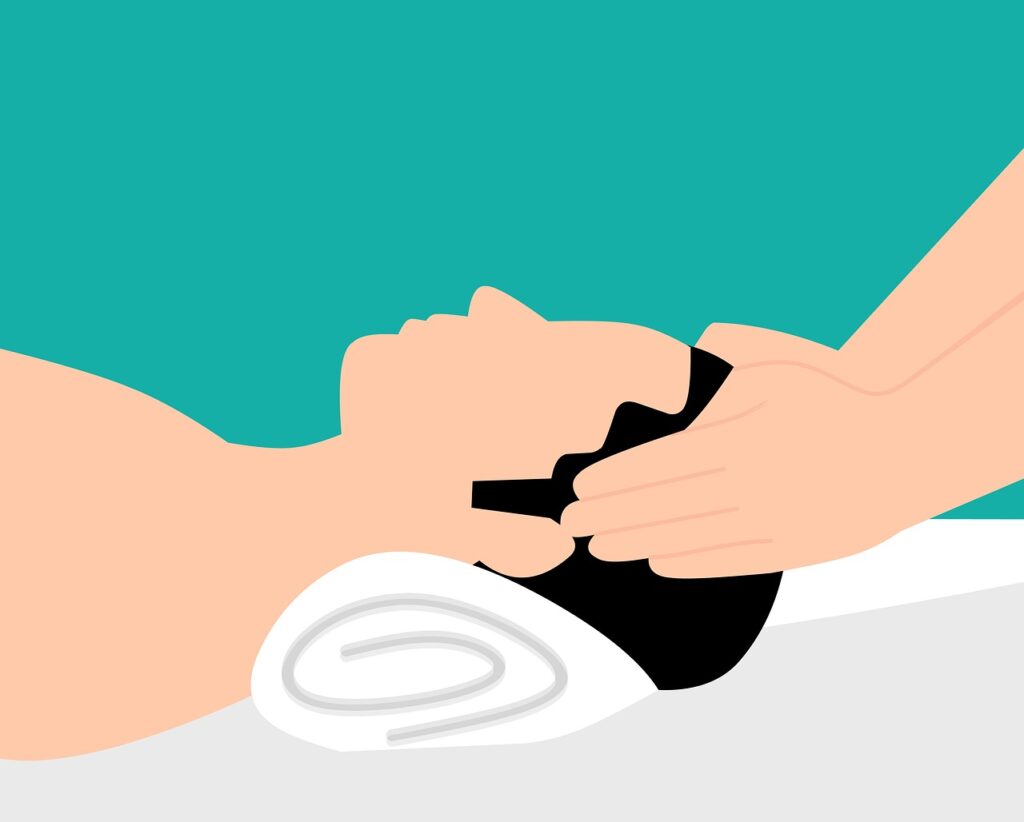
Effleurage is a gentle massage technique that involves long, sweeping strokes over the scarred area. This technique helps improve blood circulation, promote lymphatic drainage, and facilitate the healing process. To perform effleurage, apply a moisturizing lotion or oil to the scar and use your fingertips or palms to massage the area in smooth, upward strokes. Repeat this motion for a few minutes each day to achieve the best results.
Friction Massage
Friction massage is a technique that involves firm pressure and circular motions over the scarred area. This technique can help break down scar tissue, improve blood flow, and reduce the appearance of scars. To perform friction massage, warm up the scarred area with a warm compress, then apply a moisturizing oil or lotion. Use your fingertips or palm to apply firm pressure and move in circular motions over the scar. Continue for a few minutes each day, gradually increasing the intensity if desired.
Scar Massage Rollers
Scar massage rollers are specially designed tools that can aid in scar healing and improve their appearance. These rollers typically have small, textured wheels that can be rolled over the scarred area, providing a gentle massage and stimulating blood circulation. Scar massage rollers can be used in conjunction with a moisturizing lotion or oil to promote better absorption and enhance the effectiveness of the massage.
Lymphatic Drainage Massage
Lymphatic drainage massage is a technique that aims to stimulate the lymphatic system and promote the removal of waste products and toxins from the body. This type of massage can help reduce swelling and inflammation associated with scars and improve the overall healing process. Lymphatic drainage massage should be performed by a qualified massage therapist who has experience with this technique.
Cross-Friction Massage
Cross-friction massage is a technique that involves applying pressure perpendicular to the scar tissue. This technique can help break down scar tissue and improve the flexibility and mobility of the surrounding skin. To perform cross-friction massage, warm up the scarred area with a warm compress, then apply a moisturizing oil or lotion. Use your fingertips or palm to apply pressure across the scar, moving in small, circular motions. Gradually increase the pressure if desired, but be mindful of any discomfort or irritation.
Makeup and Concealers
Color-Correcting Primers
Color-correcting primers are makeup products that are designed to even out skin tone and neutralize discoloration, including scars. These primers come in various shades that target specific color concerns. For example, green primers can help reduce redness associated with scars, while purple primers can counteract yellow or sallow tones. Apply a color-correcting primer to the scarred area before applying foundation or concealer for a smoother and more even complexion.
Full-Coverage Foundations and Concealers
Full-coverage foundations and concealers are makeup products that provide maximum coverage and can help camouflage scars. These products are typically highly pigmented and can effectively cover scars and other imperfections. Choose a shade that matches your natural skin tone and apply it directly to the scarred area using a brush or sponge. Blend the product well for a seamless finish.
Setting Powders
Setting powders are translucent or colored powders that are used to set foundation and concealer, prolonging their wear and preventing smudging or creasing. Applying a setting powder to the scarred area can help lock in the coverage provided by foundation or concealer, ensuring that it stays in place throughout the day.
Color Corrector Palettes
Color corrector palettes are makeup products that feature a range of colors designed to address specific color concerns on the skin. These palettes typically include shades for redness, discoloration, and dark spots. Using a color corrector palette, apply the appropriate shade to the scarred area before applying foundation or concealer to neutralize any discoloration and create a more even skin tone.
Camouflage Creams
Camouflage creams are highly pigmented concealers that are specifically designed to cover scars and other imperfections. These creams are usually waterproof and long-lasting, providing maximum coverage. Apply a small amount of camouflage cream to the scarred area using a brush or sponge and blend it well into the surrounding skin. Set the cream with a translucent or setting powder for a matte and long-lasting finish.
Home Remedies
Lemon and Sugar Scrub
A lemon and sugar scrub is a natural exfoliating treatment that can help reduce the appearance of scars. Lemon juice contains citric acid, which can help lighten the scar and exfoliate dead skin cells. Mix equal parts lemon juice and sugar to create a paste, then gently massage the mixture onto the scarred area using circular motions. Rinse off with warm water and moisturize the skin afterward.
Baking Soda Paste
Baking soda can act as an exfoliant and help remove dead skin cells, which can improve the appearance of scars. Mix baking soda with a small amount of water to create a paste, then apply it to the scarred area. Gently massage the paste onto the skin using circular motions, then rinse off with warm water. Moisturize the skin afterward to prevent dryness.
Apple Cider Vinegar
Apple cider vinegar is often used as a natural remedy for various skin conditions, including scars. It contains acetic acid, which can help exfoliate the skin and reduce the appearance of scars. Dilute apple cider vinegar with water in a 1:2 ratio, then apply the mixture to the scarred area using a cotton ball. Leave it on for a few minutes, then rinse off with warm water. Moisturize the skin afterward to prevent dryness.
Lavender Oil Compress
A lavender oil compress can help promote scar healing and reduce inflammation. Mix a few drops of lavender oil with warm water, then soak a clean cloth or towel in the mixture. Gently wring out the excess liquid and apply the compress to the scarred area. Leave it on for about 10 minutes, then rinse off with warm water. Lavender oil has a calming effect and can help soothe the skin.
Turmeric Mask
Turmeric has powerful anti-inflammatory and antibacterial properties that can help improve the appearance of scars. Mix turmeric powder with a small amount of water or honey to create a paste, then apply it to the scarred area. Leave the mask on for about 15 minutes, then rinse off with warm water. Turmeric can stain the skin, so it is advisable to avoid getting it on clothing or other surfaces.
Skin Care Routine
Exfoliation
Regular exfoliation is an essential step in a skincare routine for scar management. Exfoliating the skin helps remove dead skin cells and promotes the growth of new, healthy cells. This can help improve the texture and appearance of scars over time. Choose a gentle exfoliator that is suitable for your skin type and frequency of use. Avoid harsh scrubs or exfoliators that can irritate the skin.
Moisturization
Keeping the skin well-moisturized is important for scar healing and preventing dryness or irritation. Choose a moisturizer that is suitable for your skin type and apply it to the scarred area twice a day or as needed. Look for moisturizers that contain ingredients such as hyaluronic acid, ceramides, or shea butter, which can help hydrate and nourish the skin.
Sun Protection
Protecting the skin from sun exposure is crucial for scar management. Extended sun exposure can darken the scar tissue and make it more noticeable. Apply a broad-spectrum sunscreen with a high SPF to the scarred area, even if it is not directly exposed to the sun. Reapply sunscreen every two hours or as directed on the product label. Additionally, consider wearing protective clothing, such as hats or clothing with UPF, to shield the scarred area from UV radiation.
Hydration
Drinking an adequate amount of water is important for overall skin health and scar healing. Staying hydrated helps maintain skin elasticity and promotes the growth of healthy new skin cells. Aim to drink at least eight glasses of water per day, or more if you engage in physical activity or live in a dry climate.
Gentle Cleansing
Gentle cleansing is essential for scar management and overall skin health. Avoid using harsh or abrasive cleansers that can irritate the skin and delay the healing process. Opt for mild, soap-free cleansers that are suitable for your skin type. Gently cleanse the scarred area twice a day, using your fingertips or a soft cloth, and rinse with lukewarm water. Pat the skin dry with a clean towel, avoiding any rubbing or pulling on the scar.