
Ready to say goodbye to those pesky bacne scars? Look no further! In this article, we will explore a range of effective treatment options that can help banish bacne scars once and for all. Whether you’re struggling with mild or severe scarring, we’ve got you covered. Get ready to discover the solutions that will help restore your confidence and leave you with smooth and flawless skin. Say hello to a scar-free back!
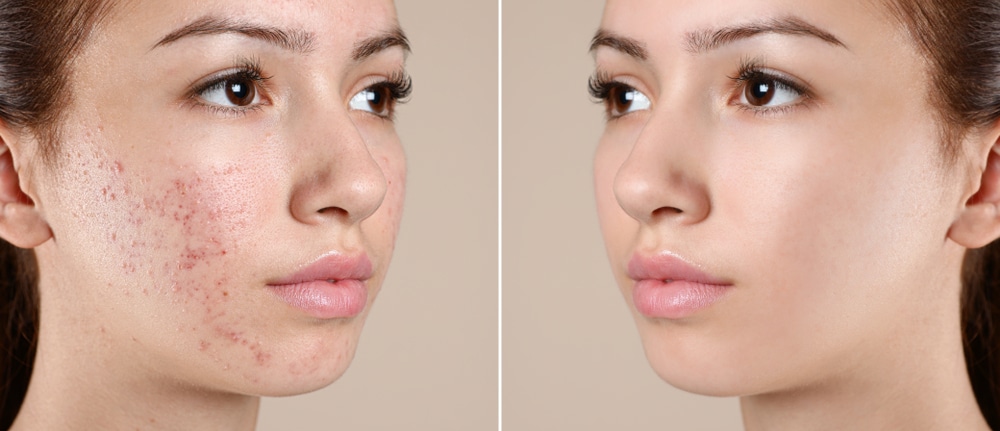
Types of Bacne Scars
Boxcar Scars
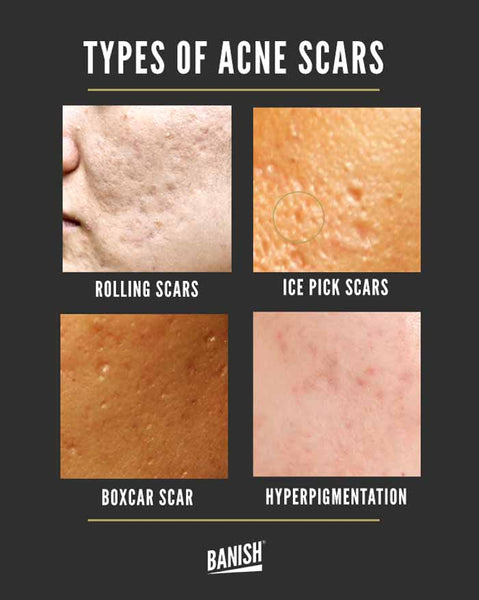
Boxcar scars are a common type of bacne scars that typically appear as shallow and indented depressions on the skin’s surface. These scars are characterized by their sharp edges and resemble the appearance of a boxcar. Boxcar scars can be caused by inflammatory acne, and they often occur on the cheeks and jawline. While these scars may fade over time, they can be challenging to treat without professional intervention.
Ice Pick Scars
Ice pick scars are deep and narrow scars that resemble the appearance of small puncture wounds. They are characterized by their V-shaped or U-shaped depressions that extend deeply into the skin. Ice pick scars are often caused by severe acne and can be challenging to treat due to their depth. These scars typically occur on the chest, back, and shoulders, and their treatment may require a combination of professional procedures and skincare products.
Rolling Scars
Rolling scars are broad depressions with smooth edges that give the skin a rolling or wavy appearance. These scars are caused by the pulling of the fibrous bands that connect the skin’s surface to deeper tissue. Rolling scars often occur on the back and chest and can be particularly challenging to treat. However, with the right skincare routine and professional treatments, significant improvement is possible.
Effective Topical Treatments
Salicylic Acid
Salicylic acid is a popular ingredient in many skincare products due to its ability to exfoliate the skin and unclog pores. When applied topically to bacne scars, salicylic acid helps to promote cell turnover and reduce the appearance of scars. It works by loosening the outer layer of the skin and helping to shed dead skin cells. Regular use of salicylic acid can also help prevent future breakouts, leading to smoother and clearer skin over time. It is important to note that salicylic acid may cause dryness and irritation, so it is essential to start with a lower concentration and gradually increase usage.
Benzoyl Peroxide
Benzoyl peroxide is an effective topical treatment for bacne scars, especially those associated with active acne breakouts. It works by reducing acne-causing bacteria and controlling excess oil production. Benzoyl peroxide can also help reduce inflammation and discoloration caused by acne scars. When using benzoyl peroxide, it is crucial to follow the instructions carefully and avoid excessive use, as it can cause dryness and irritation.
Retinoids
Retinoids, such as tretinoin and adapalene, are derivatives of vitamin A that are commonly used in the treatment of acne and acne scars. These topical medications work by promoting skin cell turnover, unclogging pores, and reducing inflammation. Regular use of retinoids can help fade bacne scars and improve the overall texture and tone of the skin. It is important to note that retinoids can cause initial flakiness and irritation, so it is best to start with a lower concentration and gradually increase usage.
Professional Treatments
Chemical Peels
Chemical peels are professional treatments that involve the application of a chemical solution to the skin to exfoliate the outer layer. This process encourages the growth of new, healthier skin and helps to fade bacne scars. Chemical peels are available in various strengths, and the type of peel used will depend on the severity of the scars and the desired results. It is essential to consult with a dermatologist to determine the most suitable chemical peel for your specific needs.
Microdermabrasion
Microdermabrasion is a non-invasive procedure that involves the use of a handheld device to exfoliate the skin’s surface. This treatment removes dead skin cells and stimulates the production of collagen, resulting in smoother and more even skin texture. Microdermabrasion can be an effective treatment for bacne scars, especially when combined with other skincare products and professional procedures.
Laser Resurfacing
Laser resurfacing is a more advanced and intensive treatment option for bacne scars. It involves the use of laser technology to remove the outer layer of the skin, promoting collagen production and creating a smoother and more even skin surface. Laser resurfacing can target specific areas affected by bacne scars and provide long-lasting results. However, it is important to discuss the potential risks and benefits with a dermatologist before undergoing this procedure.
Natural Remedies for Bacne Scars
Aloe Vera
Aloe vera is a natural remedy that has been used for centuries to soothe and heal the skin. It has anti-inflammatory properties that can help reduce redness and swelling associated with bacne scars. Aloe vera also promotes cell regeneration, which can aid in the fading of scars over time. Simply apply a small amount of pure aloe vera gel to the affected areas and leave it on overnight. Regular use can help improve the appearance of bacne scars and promote overall skin health.
Coconut Oil
Coconut oil is another natural remedy that can be beneficial in treating bacne scars. It contains vitamins and fatty acids that help nourish and moisturize the skin, promoting healing and reducing the appearance of scars. Massage a small amount of coconut oil onto the scars in circular motions until absorbed. However, it is important to note that coconut oil may clog pores and cause breakouts in some individuals. If you have oily or acne-prone skin, it is best to patch test the oil on a small area before applying it to larger areas.
Lemon Juice
Lemon juice contains natural properties that can help lighten and fade bacne scars. The citric acid in lemon juice acts as a natural exfoliant, helping to remove dead skin cells and promote new cell growth. It also has skin-brightening properties that can improve the overall appearance of scars. However, lemon juice can be drying and irritating to the skin, so it is essential to dilute it with water before applying to the scars. It is also important to avoid sun exposure after using lemon juice, as it can increase the skin’s sensitivity to UV rays.
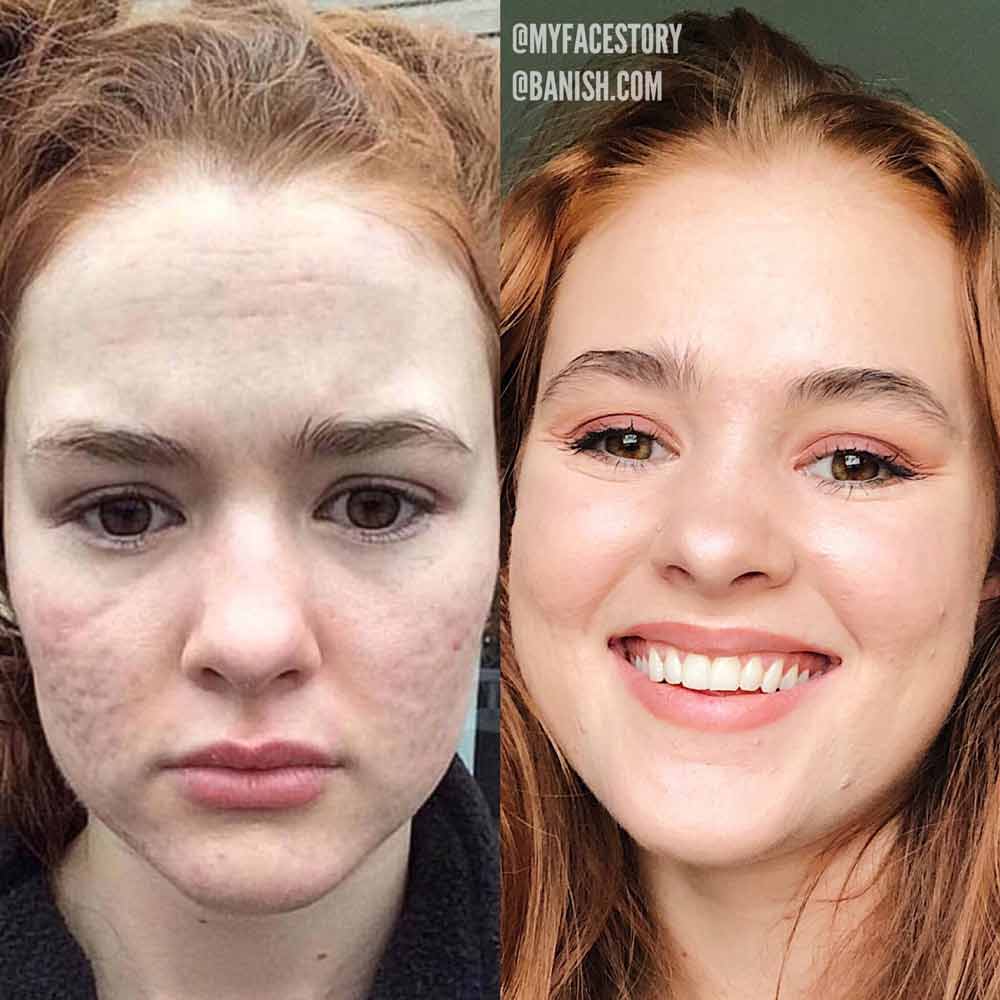
Dietary Changes to Reduce Bacne Scars
Increase Water Intake
Drinking an adequate amount of water is essential for maintaining healthy skin and promoting the healing of bacne scars. Water helps to flush toxins from the body, hydrate the skin, and support overall skin health. Aim to drink at least eight glasses of water per day and incorporate hydrating foods, such as fruits and vegetables, into your diet.
Eat a Healthy Diet
A balanced and nutritious diet can play a significant role in reducing bacne scars. Include foods that are rich in vitamins A, C, and E, as these vitamins have antioxidant properties that can aid in the healing process. Incorporate foods like leafy greens, citrus fruits, berries, nuts, and seeds into your meals to support skin health.
Avoid Dairy Products
Some studies suggest a connection between dairy consumption and acne breakouts. Dairy products, particularly those with high levels of hormones, can trigger inflammation and increase sebum production, leading to the formation of acne and bacne scars. Opt for alternative sources of calcium and minimize your intake of dairy products to see if it has a positive impact on your skin.
Preventing Bacne Scarring
Keep Skin Clean and Exfoliated
Maintaining a regular skincare routine is crucial in preventing the formation of bacne scars. Cleanse the affected areas with a gentle cleanser twice a day to remove dirt, oil, and bacteria. Exfoliating the skin once or twice a week can also help remove dead skin cells and prevent clogged pores, which can lead to acne and scarring.
Avoid Picking or Squeezing Pimples
Resist the temptation to pick or squeeze pimples, as this can lead to further inflammation and scarring. Picking at acne lesions can cause the bacteria to spread and make the healing process more difficult. Instead, allow the pimples to heal naturally, and focus on using targeted treatments to reduce inflammation and promote healing.
Wear Loose-Fitting Clothing
To prevent friction and irritation on the back and shoulders, opt for loose-fitting clothing made from breathable fabrics. Tight clothing can trap sweat and bacteria, leading to breakouts and bacne scars. Choosing lightweight and breathable fabrics, such as cotton, can help reduce the likelihood of acne formation and scarring.

Consulting with a Dermatologist
Evaluation of Scars and Treatment Recommendations
If you are struggling with bacne scars, it is advisable to consult with a dermatologist for a comprehensive evaluation of your scars. A dermatologist can determine the type of scars you have and recommend the most effective treatment options based on your specific skin type and scar severity.
Prescription Medications and Procedures
In some cases, dermatologists may prescribe medications or perform procedures to treat bacne scars. Prescription medications, such as topical retinoids or oral antibiotics, may be recommended to reduce inflammation and promote healing. Dermatologists may also suggest professional procedures, such as corticosteroid injections or surgical scar revision, for severe or stubborn scars.
Follow-Up Care
After starting a treatment plan recommended by a dermatologist, it is important to follow up regularly to assess the effectiveness of the treatments and make any necessary adjustments. Your dermatologist will monitor your progress, provide guidance on skincare routines, and offer additional treatment options if needed.
Combining Treatments for Maximum Results
Using Topical Treatments and Natural Remedies
To achieve maximum results in fading bacne scars, consider combining topical treatments with natural remedies. For example, you can use a salicylic acid or benzoyl peroxide-based cleanser as part of your daily skincare routine, and incorporate natural remedies like aloe vera or coconut oil as spot treatments for targeted scar healing.
Pairing Professional Treatments with Home Remedies
For more stubborn or severe bacne scars, it may be beneficial to combine professional treatments with home remedies. Professional procedures like chemical peels or laser resurfacing can provide significant improvements, while natural remedies can be used in between treatments to enhance the healing process and maintain results.
Maintaining a Healthy Lifestyle alongside Treatments
While treatments can help fade bacne scars, it is important to maintain a healthy lifestyle to support the healing process. Ensure you are getting regular exercise, eating a balanced diet, and managing stress levels. Taking care of your overall health can improve the appearance of your skin and help prevent further breakouts and scarring.
Managing Expectations and Patience
Understanding the Timeframe for Results
When treating bacne scars, it is important to understand that results may take time. Different treatments and natural remedies may yield varying results, and patience is key. It may take several weeks or months of consistent use to notice significant improvements in the appearance of scars.
Being Realistic about Scar Improvement
While treatments can help fade bacne scars and improve the overall appearance of the skin, it is important to be realistic about scar improvement. Complete removal of deep scars may not be possible, but significant fading and improvement are achievable. Embrace the progress and focus on creating healthier and more radiant skin.
Staying Committed to Treatment
Consistency is key when treating bacne scars. Whether using topical treatments, natural remedies, or undergoing professional procedures, it is important to stay committed to the treatment plan. Follow the instructions provided by dermatologists or skincare professionals and be patient. Remember, healing takes time, but with dedication, you can achieve noticeable results.
Conclusion
Finding the right treatment approach for bacne scars requires a comprehensive strategy that combines effective topical treatments, professional procedures, natural remedies, and lifestyle changes. Understanding the different types of bacne scars and the available treatment options can help you make informed decisions about your skincare journey. Remember to consult with a dermatologist for personalized recommendations and guidance. With patience, commitment, and the right combination of treatments, you can banish bacne scars and achieve smoother, clearer, and more confident skin.
