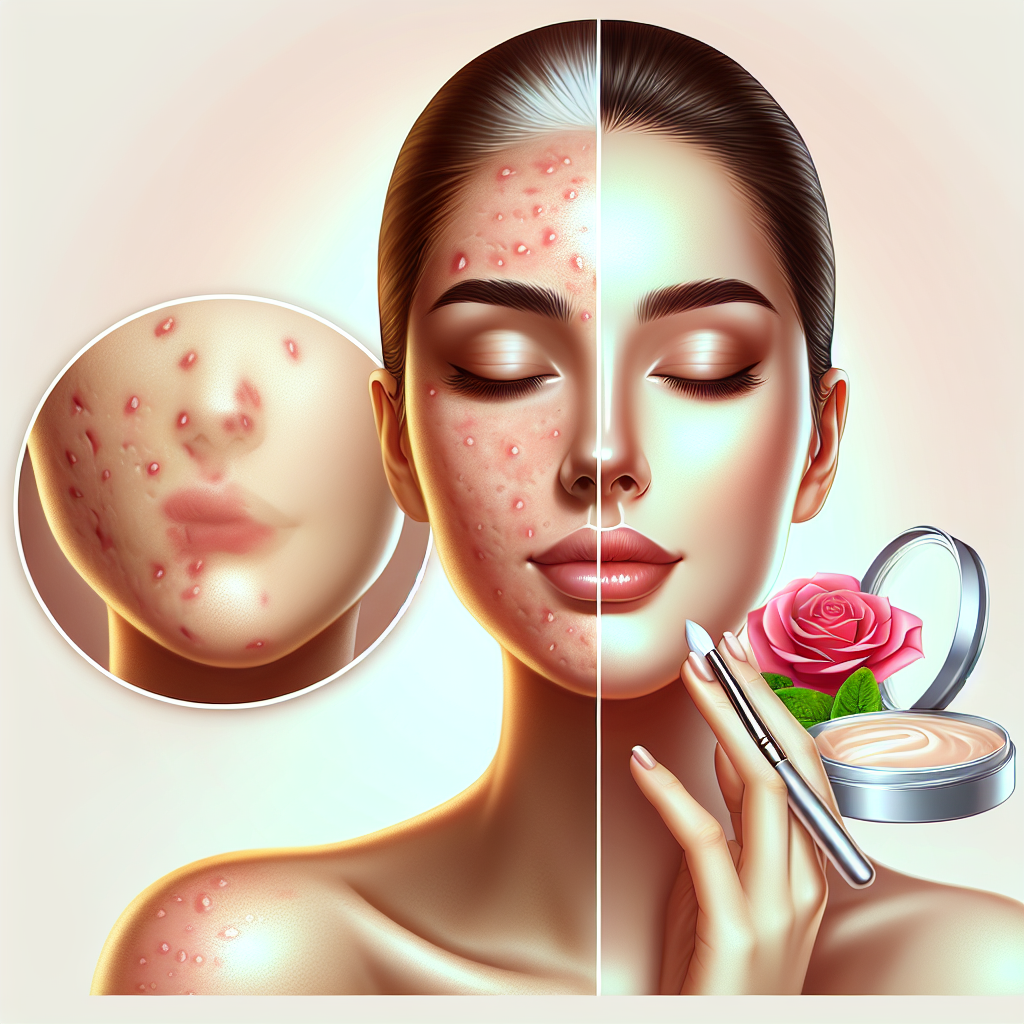
Are you tired of dealing with stubborn acne scars that just won’t seem to fade away? Look no further! In this article, we bring you expert recommendations on how to choose the best products for treating acne scars. Whether you’re struggling with dark spots, uneven texture, or deep scars, our experts have curated a list of top-notch products that can help you achieve smooth, blemish-free skin. Say goodbye to acne scars and hello to a confident, radiant complexion with these tried-and-tested recommendations.
Understanding Acne Scars
Acne scars can be a frustrating and unwelcome aftermath of breakouts. These scars can range from minor indentations to deep, pitted scars that can affect your confidence. Understanding the different types of acne scars is crucial in finding the right treatment for your skin.
Types of Acne Scars
There are various types of acne scars, each requiring a different approach to treatment. The most common types include:
-
Ice pick scars: These are deep, narrow scars that look like small holes in the skin, often caused by inflamed acne.
-
Boxcar scars: These scars have sharp, defined edges and appear as round or oval depressions on the skin’s surface. They are usually wider than ice pick scars.
-
Rolling scars: These scars have a wave-like appearance and are caused by damage to the underlying tissue. They give the skin a rolling or uneven texture.
-
Hypertrophic scars: These scars are raised and occur when the skin produces too much collagen during the healing process. They are more common in individuals with a tendency for keloid scarring.
-
Post-inflammatory hyperpigmentation: Although not exactly a scar, this condition causes dark spots on the skin after acne has healed. It can take months for these dark spots to fade naturally.
Causes of Acne Scars
Acne scars can develop as a result of several factors, including the severity and duration of acne, as well as individual skin characteristics. Here are some common causes of acne scars:
-
Picking and popping: Squeezing or picking at acne lesions can cause inflammation and damage to the skin, leading to scarring.
-
Cystic acne: Deep and inflamed acne lesions, known as cystic acne, are more likely to leave scars due to the severity of the inflammation.
-
Delayed treatment: Failing to treat acne promptly can increase the risk of scarring. Timely intervention is crucial to minimize the chance of long-term scarring.
-
Genetics: Some individuals are more prone to developing acne scars due to their genetic makeup.
-
Poor wound healing: If your skin has difficulty healing wounds, it may also struggle to repair itself after acne breakouts, leading to increased scarring.
Treating Acne Scars
Treating acne scars requires a multi-faceted approach that combines professional dermatological treatments, effective skincare products, and consistent lifestyle habits. It’s important to understand that complete scar removal may not be possible, but, with the right treatment, the appearance of scars can be significantly improved.
Factors to Consider
When deciding on the best treatment for your acne scars, several factors should be taken into account. These factors can greatly impact the effectiveness of the treatment and your overall satisfaction with the results.
Skin Type
Your skin type plays a significant role in determining the suitable treatment options for your acne scars. Oily skin, for instance, may benefit from oil-free or water-based products, while dry skin may require more hydrating and moisturizing ingredients. Understanding your skin type will help you choose products and treatments that address the specific needs of your skin.
Severity of Scarring
The severity of your acne scars will also impact the choice of treatment. Mild scars may respond well to topical treatments, while more severe scars may require more aggressive interventions such as laser therapy or chemical peels. Consulting with a dermatologist can provide valuable insights into the best course of action based on the severity of your scars.
Budget
It’s essential to consider your budget when selecting acne scar treatments. While some dermatological procedures can be costly, there are also effective over-the-counter products available at more affordable price points. Understanding your budget and prioritizing your skincare needs will help you find the most suitable options for treating your acne scars.
Consulting a Dermatologist
When dealing with acne scars, consulting a dermatologist is highly recommended. Dermatologists are medical professionals who specialize in diagnosing and treating skin conditions. Seeking their expertise can ensure that you receive personalized advice and access to the most effective treatments available.
Importance of Professional Advice
A dermatologist is trained to assess your specific skin condition and recommend the most appropriate treatments for your acne scars. They can diagnose the type and severity of your scars, consider other underlying skin conditions, and create a comprehensive treatment plan tailored to your needs. Professional advice helps ensure that you make informed choices and avoid potentially harmful or ineffective treatments.
Dermatological Treatments for Acne Scars
Dermatologists have access to advanced treatments for acne scars that can effectively improve their appearance. Some common dermatological treatments for acne scars include:
-
Chemical peels: This procedure involves applying a chemical solution to the skin to remove the outer layer, revealing smoother skin underneath. Chemical peels can help reduce the appearance of acne scars.
-
Laser therapy: Laser treatments target the scarred areas of the skin using concentrated beams of light, stimulating collagen production and promoting skin rejuvenation.
-
Microneedling: This procedure involves creating controlled micro-injuries to the skin using tiny needles. It stimulates collagen production and helps reduce the appearance of acne scars.
-
Dermal fillers: Injecting dermal fillers into depressed acne scars can help smooth out the skin’s surface. The effects are temporary but can provide noticeable improvement.
Consulting a dermatologist will give you access to these and other treatments that are specifically tailored to your individual needs.
Ingredients to Look for
When selecting skincare products for treating acne scars, certain ingredients have shown promise in improving the overall appearance of the skin.
Retinoids
Retinoids, derived from Vitamin A, are a powerful ingredient in combating acne scars. They work by increasing cell turnover, promoting the growth of new skin cells, and reducing the appearance of scars. Look for products that contain retinol, a milder form of retinoid, or consult a dermatologist for prescription-strength retinoids.
Vitamin C
Vitamin C is well-known for its antioxidant properties and the ability to boost collagen production. This makes it a valuable ingredient in reducing the appearance of acne scars. Look for serums or creams that contain stable forms of Vitamin C, such as L-ascorbic acid, for maximum effectiveness.
Alpha Hydroxy Acids
Alpha hydroxy acids (AHAs), including glycolic acid and lactic acid, help to exfoliate the skin, remove dead skin cells, and promote skin cell turnover. Regular use of AHAs can help improve the texture and tone of the skin, minimizing the appearance of acne scars.
Product Recommendations
Finding the right products for acne scars can be overwhelming due to the sheer number of options available. Here are some recommendations for products that have garnered positive feedback from users:
Best Retinoid-based Products
-
Product 1: This retinoid-based cream is formulated with a blend of retinol, peptides, and antioxidants to help diminish the appearance of acne scars while improving overall skin texture and tone. Users have reported visible improvements after consistent use.
-
Product 2: This prescription-strength retinoid offers a higher concentration of retinol for those with more severe acne scars. It is recommended for use under the guidance of a dermatologist to ensure optimal results.
Top Vitamin C Serums
-
Product 1: This Vitamin C serum contains a stable form of Vitamin C along with hyaluronic acid to hydrate and plump the skin. Users have seen improvements in the clarity and brightness of their skin, as well as a reduction in the visibility of acne scars.
-
Product 2: This Vitamin C serum is known for its lightweight and fast-absorbing formula. It is formulated to target hyperpigmentation and acne scars while providing antioxidant protection.
Effective Alpha Hydroxy Acid Products
-
Product 1: This glycolic acid toner helps exfoliate the skin, improve skin texture, and reduce the appearance of acne scars. Users have reported smoother and clearer skin after regular use.
-
Product 2: This AHA-based serum combines glycolic acid, lactic acid, and other skin-loving ingredients to promote cell turnover and fade acne scars. It has received positive reviews from users for its gentle yet effective formula.
Natural Remedies for Acne Scars
If you prefer natural remedies, several ingredients have been found to be beneficial in reducing the appearance of acne scars.
Aloe Vera Gel
Aloe vera gel is a popular natural remedy for various skin conditions, including acne scars. Its soothing and moisturizing properties can help fade scars gradually. Apply a thin layer of pure aloe vera gel to the affected areas and leave it on overnight for best results.
Rosehip Oil
Rosehip oil is rich in essential fatty acids and antioxidants that nourish the skin and promote skin regeneration. Gently massage a few drops of rosehip oil into the skin twice daily to help reduce the appearance of acne scars over time.
Tea Tree Oil
Tea tree oil has antibacterial properties that can help prevent acne breakouts and reduce inflammation. Dilute a few drops of tea tree oil with a carrier oil, such as jojoba oil, and apply it to the acne scars using a cotton pad or ball. Leave it on for a few hours or overnight before rinsing off.
Lifestyle Changes to Support Healing
In addition to using the right products and treatments, making certain lifestyle changes can support the healing process of acne scars.
Protecting your Skin from Sun Damage
Sun exposure can darken acne scars and make them more noticeable. Always wear sunscreen with a high SPF and broad-spectrum protection to shield your skin from harmful UV rays. Additionally, wearing a wide-brimmed hat and seeking shade during peak sun hours can further protect your skin from sun damage.
Maintaining a Healthy Diet
A balanced diet rich in fruits, vegetables, and whole grains can provide the nutrients necessary for healthy skin regeneration. Focus on foods containing antioxidants, such as berries, leafy greens, and nuts, which can support skin health and minimize the appearance of acne scars.
Avoiding Irritating Ingredients
Certain skincare ingredients, such as fragrances, alcohol, and harsh chemicals, can irritate the skin and exacerbate the appearance of acne scars. Read product labels carefully and opt for gentle, non-comedogenic formulations that are less likely to cause irritation or clog pores.
Prevention and Early Treatment
Preventing and treating acne as early as possible is essential in minimizing the risk of scarring.
Importance of Early Intervention
Treating acne promptly can help prevent the formation of deep scars. At the first sign of breakouts, cleanse your skin gently and use targeted acne treatments containing ingredients like benzoyl peroxide or salicylic acid. Avoid picking or squeezing pimples to reduce the risk of scarring.
Recommended Skincare Routine
Establishing a consistent skincare routine can help maintain healthy skin and reduce the likelihood of acne scars. Follow these simple steps:
-
Cleanse: Use a gentle facial cleanser to remove dirt, oil, and impurities from your skin. Look for a cleanser specifically formulated for your skin type.
-
Treat: Apply acne spot treatments or targeted treatments to active breakouts to prevent them from becoming more severe.
-
Moisturize: Use a lightweight, oil-free moisturizer to keep your skin hydrated without clogging pores.
-
Protect: Apply a sunscreen with at least SPF 30 daily to shield your skin from harmful UV rays.
User Reviews and Testimonials
Reading user reviews and testimonials can provide valuable insights into the effectiveness of various products for acne scars. Here are some popular products with positive feedback:
Popular Products with Positive Feedback
-
Product 1: Users have praised this product for its ability to significantly fade acne scars and improve overall skin texture. Many have reported visible results within a few weeks of regular use.
-
Product 2: This product has garnered positive feedback for its ability to reduce the appearance of acne scars and even out skin tone. Users have seen improvements in the overall clarity and radiance of their skin.
Real-life Experiences of Customers
Customers have shared their experiences with different products and treatments for acne scars, highlighting the effectiveness and the impact on their confidence. Real-life testimonials can offer valuable insights and help you make informed decisions when choosing products for your own skincare journey.
Frequently Asked Questions
Here are some frequently asked questions about treating acne scars:
How long before I see results?
The timeline for visible results varies depending on the severity of the scars, the chosen treatment, and individual factors. Mild to moderate improvements may be noticeable within a few weeks to a few months, while more significant improvements can take several months or even a year.
Can these products be used on sensitive skin?
Some products may be formulated specifically for sensitive skin, but it’s important to read the labels and conduct patch tests before applying them to the entire face. If you have sensitive skin, it’s advisable to consult a dermatologist to determine the most suitable products for your skin type.
Are there any side effects to be aware of?
Some skincare products and treatments may have potential side effects, such as redness, irritation, or increased sensitivity to the sun. It’s recommended to follow the instructions provided with each product, and if you experience any adverse reactions, discontinue use and consult a dermatologist.