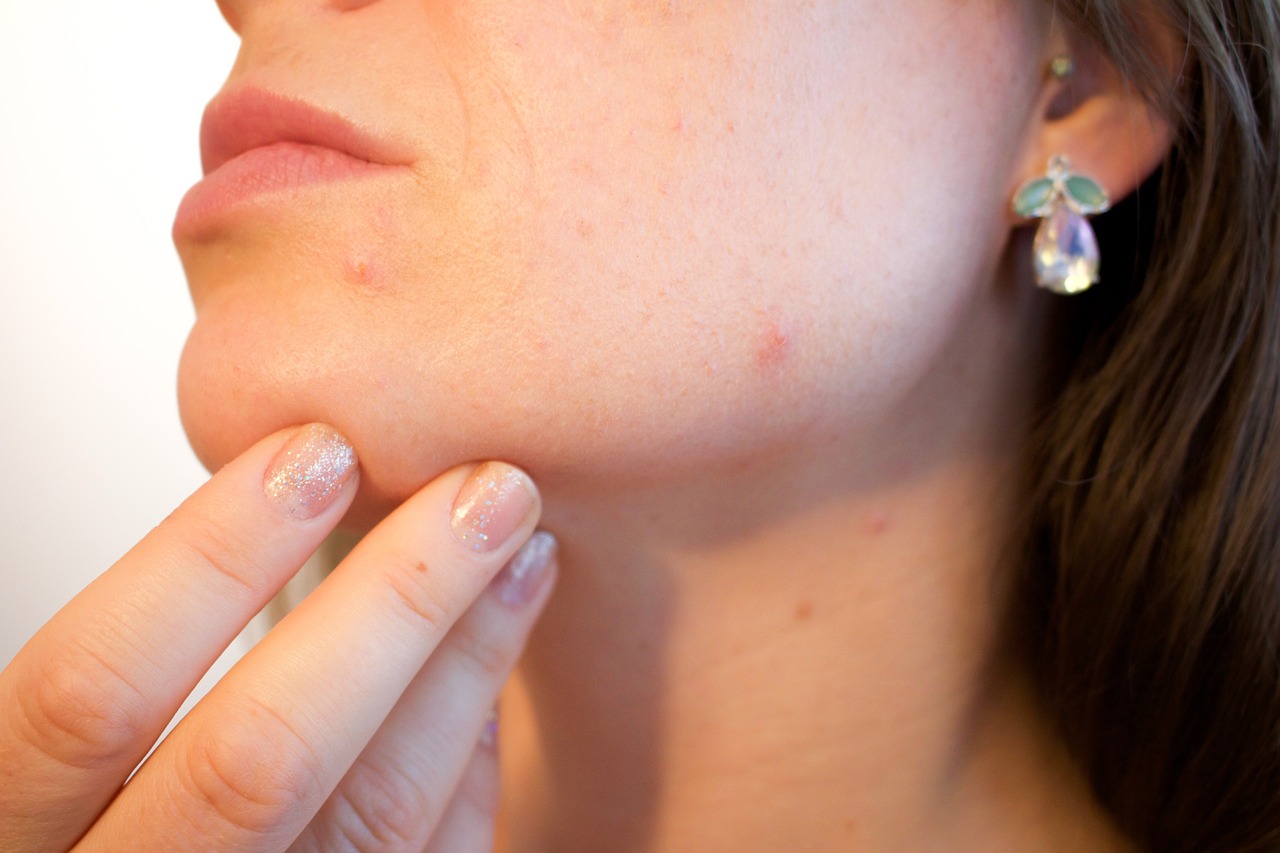
Are you tired of feeling self-conscious about your facial scars? Look no further, because in this article, we will explore effective strategies for achieving clear and smooth skin. From topical treatments to surgical options, we will discuss a variety of approaches that can help diminish the appearance of face scars. Whether you’re dealing with acne scars or scars from accidents or surgeries, this comprehensive guide will provide you with the information you need to regain confidence in your complexion. Say goodbye to hiding behind makeup and hello to a radiant, scar-free face.
Understanding Face Scars
Face scars can be a cause of concern for many individuals, affecting their self-confidence and overall appearance. However, understanding the different types and causes of face scars is the first step towards finding effective treatment options. By familiarizing yourself with this topic, you can make informed decisions about the best approach to address your specific scars.
Types of Face Scars
There are several types of face scars that people may experience. One common type is hypertrophic scars, which are raised and typically red or purple in color. These scars are caused by an overproduction of collagen during the healing process. Another type is atrophic scars, which are usually depressed or sunken in appearance. Atrophic scars often result from conditions such as acne or chickenpox. Lastly, keloid scars are characterized by their raised, thickened appearance and can extend beyond the boundaries of the original wound.
Causes of Face Scars
Understanding the causes of face scars can help you take preventative measures to minimize their occurrence. Facial scars may result from injuries or accidents, such as cuts, burns, or abrasions. Acne is another common cause of facial scars, especially when pimples are picked or popped, leading to further inflammation and damage to the skin. Surgical procedures, like those used to remove skin cancer, can also leave behind scars. It’s important to keep these causes in mind when considering scar treatments and prevention strategies.
Preventing Face Scars
While it may not always be possible to completely prevent face scars, there are steps you can take to minimize their development. By protecting your skin and practicing proper wound care, you can significantly reduce the risk of scarring.
Protecting Your Skin
Shielding your skin from the sun’s harmful rays is crucial in preventing scars, especially ones caused by acne or surgical wounds. Applying a broad-spectrum sunscreen with an SPF of 30 or higher can help protect the healing skin from damage. Wearing a wide-brimmed hat, using umbrellas, and seeking shade during peak sun hours are also effective ways to shield your face from the sun.
Proper Wound Care
Proper wound care plays a significant role in preventing the formation of scars. Cleanse the wound gently with mild soap and water, and cover it with a sterile dressing to protect it from dirt and bacteria. Avoid picking scabs or scratching the affected area, as this can lead to further damage and scarring. If you have any concerns about a wound’s healing process, consult with a healthcare professional for proper guidance and care.
Non-Surgical Scar Treatments
There are various non-surgical scar treatments available that can help improve the appearance of face scars. These treatments range from topical creams and gels to more advanced techniques such as microneedling and chemical peels.
Topical Creams and Gels
Topical creams and gels are widely available over-the-counter and can help fade scars when used consistently. Look for products that contain ingredients like silicone, vitamin E, or onion extract, as these have been shown to be effective in promoting scar healing and reducing their appearance.
Silicone Sheets
Silicone sheets are another non-surgical option for scar treatment. These thin sheets are applied directly to the scarred area and exert pressure, which can help flatten and smoothen the scar over time. Silicone sheets have been found to be particularly effective for hypertrophic and keloid scars.
Microneedling
Microneedling is a procedure that involves using a device with tiny needles to create controlled injuries in the skin. This stimulates collagen production and promotes skin regeneration, leading to a reduction in the appearance of scars. It is often performed by dermatologists or trained skincare professionals and may require multiple sessions for optimal results.
Chemical Peels
Chemical peels involve applying a chemical solution to the skin, which causes the outer layers to peel off, revealing smoother and healthier skin underneath. This treatment can help improve the appearance of various types of scars, including acne scars and sun damage. However, it is essential to consult with a professional to determine the appropriate strength and type of chemical peel for your specific needs.
Surgical Scar Treatments
In some cases, surgical interventions may be necessary to address more severe or extensive scars. These treatments are generally performed by plastic surgeons and require careful consideration and evaluation.
Skin Grafting
Skin grafting is a surgical procedure that involves taking healthy skin from one area of the body and transplanting it to the scarred area. This technique is commonly used for large, deep scars or burns. Skin grafts can help improve the appearance and functionality of the affected area, although multiple surgeries may be necessary in some cases.
Scar Revision Surgery
Scar revision surgery aims to improve the appearance of a scar by altering its shape, length, or position. This procedure is often performed on scars that are raised, sunken, or have an unsightly shape. It may involve techniques such as excision, dermabrasion, or laser resurfacing.
Laser Resurfacing
Laser resurfacing is a non-invasive surgical procedure that uses laser technology to remove the outer layers of the skin. This treatment can effectively reduce the appearance of scars by stimulating collagen production and encouraging skin regeneration. Laser resurfacing may require multiple sessions and appropriate aftercare to achieve optimal results.
Natural Remedies for Face Scars
If you prefer to explore natural remedies, several options can help improve the appearance of face scars. These remedies are often easily accessible and may be used in combination with other scar treatments.
Aloe Vera
Aloe vera is a plant known for its soothing and healing properties. Applying pure aloe vera gel to scars can help moisturize the skin, reduce inflammation, and potentially improve the overall appearance of the scar. It is important to use 100% pure aloe vera gel to ensure maximum benefits.
Lemon Juice
Lemon juice is a natural bleaching agent that can help lighten the appearance of scars. Dilute lemon juice with water and apply it to the scarred area using a cotton ball or pad. Leave it on for about 10 minutes before rinsing off. Be cautious when using lemon juice, as it can cause skin irritation in some individuals. If irritation occurs, discontinue use.
Honey
Honey has antibacterial properties and can aid in wound healing. Applying raw honey to scars can moisturize the skin, reduce redness, and promote healing. Opt for organic, raw honey for the best results. Leave the honey on the scar for at least 20 minutes before rinsing off.
Coconut Oil
Coconut oil is a popular natural remedy for scars due to its moisturizing and nourishing properties. Apply virgin coconut oil to scars and massage gently in circular motions. Leave it on for a few hours or overnight to allow the oil to penetrate the skin. Regular use can help soften scars and improve their appearance over time.
Home Remedies for Face Scars
In addition to natural remedies, certain home remedies can also be effective in minimizing the visibility of face scars.
Ice Therapy
Ice therapy is a simple home remedy that can help reduce swelling and redness associated with recent scars. Wrap ice cubes in a clean cloth and gently apply it to the scarred area for about 10 minutes at a time. Repeat this process several times a day as needed.
Onion Extract
Onion extract is a commonly used ingredient in scar creams and gels. However, you can also make your own onion extract at home by grating an onion and squeezing out the juice. Apply the juice to the scarred area and leave it on for about 10 minutes before rinsing off. Regular application may help fade the appearance of scars.
Tea Tree Oil
Tea tree oil is renowned for its antimicrobial and anti-inflammatory properties. Dilute a few drops of tea tree oil with a carrier oil, such as coconut oil, and apply it to the scar. Leave it on for a few hours or overnight, and rinse off. Be cautious when using tea tree oil, as it can cause skin irritation in some individuals. If irritation occurs, discontinue use.
Seeking Professional Help
If home remedies and non-surgical treatments do not yield satisfactory results, it may be time to seek professional help. Dermatologists and plastic surgeons are medical professionals who specialize in various aspects of skin health and can offer expert advice and treatment options.
Dermatologists
Dermatologists are healthcare professionals who specialize in the diagnosis and treatment of skin conditions, including scars. They can assess your specific situation and provide personalized treatment plans based on your individual needs. Dermatologists may employ a combination of modalities, such as medications, laser treatments, or injections, depending on the type and severity of the scar.
Plastic Surgeons
Plastic surgeons are medical professionals who specialize in surgical procedures to enhance and reconstruct various parts of the body, including the face. If your scars require surgical intervention, a plastic surgeon can guide you through the process and perform the necessary procedures to improve the appearance of your scars.
Post-Treatment Care
Proper post-treatment care is crucial in maximizing the effectiveness of scar treatments and ensuring optimal healing.
Protecting and Moisturizing
After any scar treatment, it is important to protect the treated area from further damage and keep it moisturized. Follow the recommendations provided by your healthcare professional and use appropriate skincare products to help maintain skin health.
Avoiding Sun Exposure
Exposure to the sun’s harmful UV rays can cause discoloration and make scars more prominent. It is essential to protect your skin from the sun’s rays by wearing sun-protective clothing, using sunscreen with a minimum SPF of 30, and seeking shade whenever possible. This precautionary measure can help prevent the development of new scars and minimize the visibility of existing ones.
Combining Treatment Approaches
In certain cases, combining different scar treatment approaches can yield the best results. Custom treatment plans tailored to your specific needs may involve a combination of non-surgical and surgical treatments, as well as natural or home remedies.
Custom Treatment Plans
Each individual’s scars are unique, requiring a personalized treatment approach. Consulting with a healthcare professional can help in developing a custom treatment plan that takes into account the type, severity, and location of your scars. This comprehensive approach ensures that multiple treatment modalities are employed to target different aspects of scar healing and improvement.
Sequential Therapy
Sequential therapy involves the use of different treatments in a specific order or sequence to achieve the desired results. For instance, your healthcare professional may recommend starting with non-surgical options such as topical creams or silicone sheets, followed by more advanced treatments such as microneedling or laser resurfacing if necessary. This systematic approach maximizes the potential benefits of each treatment and allows for gradual improvement in scar appearance.
Lifestyle Changes and Scar Management
Apart from specific treatments and remedies, certain lifestyle changes can positively impact scar healing and management.
Smoking and Alcohol
Smoking and excessive alcohol consumption can impair your body’s healing processes. These habits can potentially delay scar healing and increase the risk of complications. Quitting smoking and reducing alcohol intake can significantly improve your overall health and enhance the effectiveness of scar treatments.
Proper Nutrition
A balanced diet rich in essential nutrients, vitamins, and minerals is crucial for skin health and healing. Including foods such as fruits, vegetables, whole grains, lean proteins, and healthy fats can promote optimal scar healing and overall skin health. Consult with a healthcare professional or registered dietitian to develop a personalized nutrition plan that supports your scar healing journey.
Regular Exercise
Regular exercise promotes blood circulation and overall well-being, which can contribute to improved scar healing. Engage in activities such as walking, jogging, or yoga to increase blood flow to the scarred area. However, it is important to avoid excessive strain or pressure on the scar to prevent further damage.
By understanding the types, causes, and treatment options available for face scars, you are equipped to make informed decisions about managing and improving their appearance. Remember that every scar is unique, and results may vary depending on individual factors. Consulting with healthcare professionals and following their guidance will ensure the most effective approach to achieving clear and smooth skin. With patience and diligence, successful scar treatment is within reach, allowing you to regain confidence in your appearance.