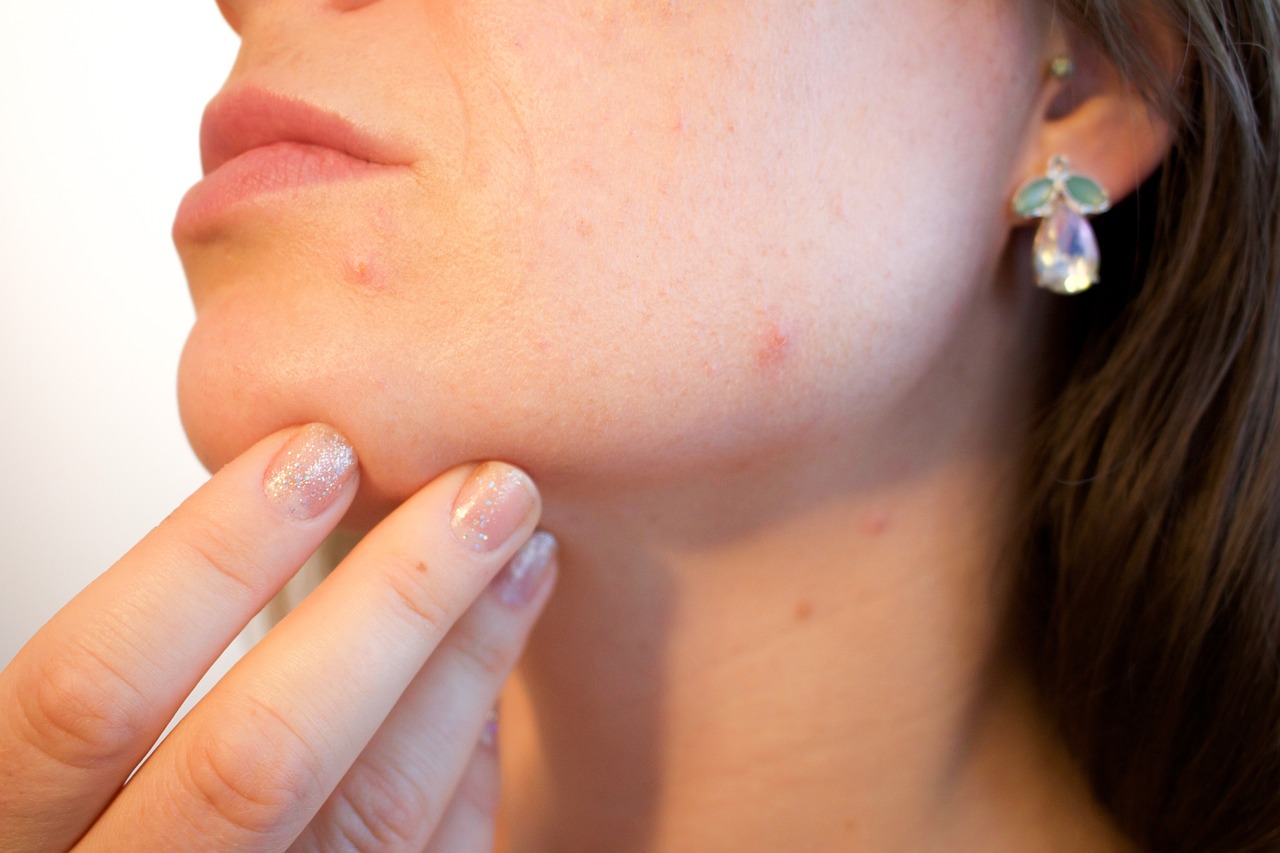
If you’re tired of battling with stubborn acne scars, you’ve come to the right place. In this article, we unveil a collection of expert-backed strategies to help you say goodbye to those pesky reminders of past breakouts. Whether you’re dealing with discoloration, hyperpigmentation, or indentations, we’ve got you covered. Say hello to a clearer, smoother complexion as we reveal the secrets to getting rid of acne scars fast.
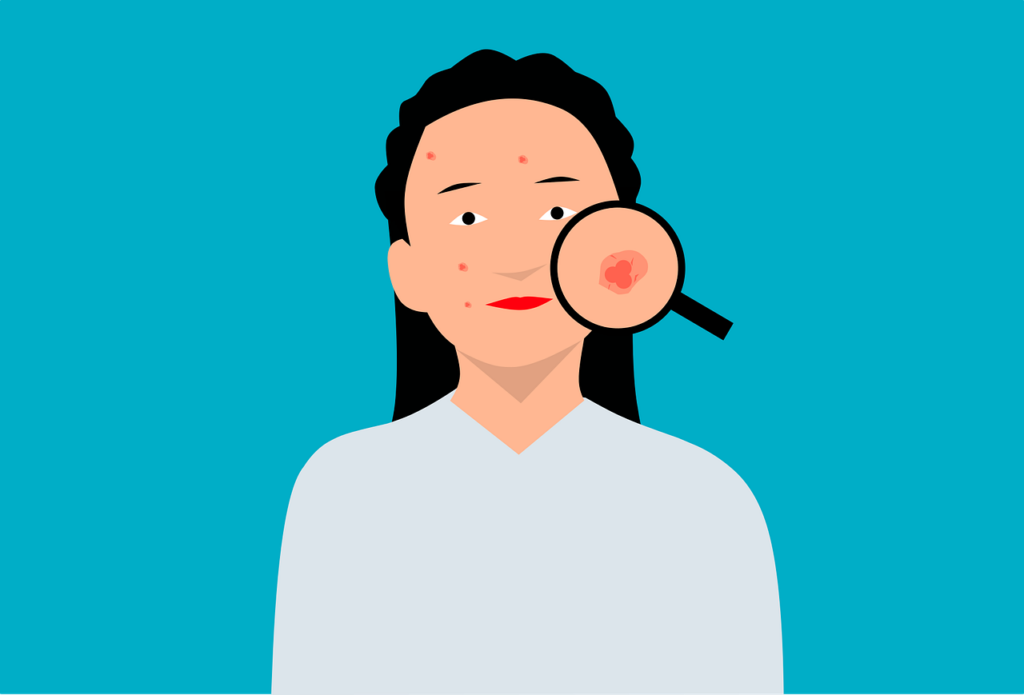
Understanding Acne Scars
Acne scars can be a frustrating and persistent reminder of a previous battle with acne. Understanding the different types of acne scars and their causes is crucial in finding effective solutions for their treatment. Acne scars can vary in appearance and severity, ranging from shallow depressions or pits on the skin to raised, thickened areas. Knowing the type of acne scars you have will help determine the best course of action to treat them effectively.
Different Types of Acne Scars
There are several types of acne scars, including icepick scars, boxcar scars, rolling scars, and hypertrophic scars. Icepick scars are narrow and deep, resembling small puncture marks on the skin. Boxcar scars are wider and have sharper edges, resulting in a depressed area on the skin. Rolling scars, on the other hand, have a wavy appearance and give the skin a rolling or uneven texture. Hypertrophic scars are raised and often form when the skin produces too much collagen during the healing process.
Causes of Acne Scarring
Acne scarring occurs when the skin’s tissue is damaged during the acne healing process. Picking, squeezing, or popping pimples can increase the likelihood of scarring because it can cause further inflammation and damage to the skin. Severe or cystic acne is also more likely to result in scarring due to the deeper inflammation and damage it causes. Other factors, such as genetics, skin type, and the body’s healing response, can also contribute to the development of acne scars.
Factors Affecting Acne Scarring
Several factors can affect the severity and formation of acne scars. The type and severity of the acne itself play a significant role, with severe or cystic acne being more likely to cause scarring. Skin type and genetics also influence the likelihood of scarring, with some individuals being more prone to scarring than others. Additionally, the effectiveness of skincare routines and early treatment can impact the extent of scarring. Sun exposure and certain medications can also affect the healing process and increase the risk of scarring.
Consulting a Dermatologist
If you are concerned about acne scarring or have already developed scars, it is important to consult a dermatologist. A dermatologist is a medical professional specializing in skin health and can provide expert advice and treatment options specifically tailored to your skin. They can assess the type and severity of your acne scars, recommend appropriate treatments, and guide you through the process of improving your skin’s appearance.
Prevention and Early Treatment
While it may not be possible to completely prevent acne scarring, early treatment and proper skincare routines can significantly reduce the likelihood and severity of scarring.
Proper Skincare Routine
Establishing a proper skincare routine is essential in preventing acne and minimizing scarring. This should include gentle cleansing twice a day, using non-comedogenic products, and moisturizing to keep the skin hydrated. Incorporating products with ingredients like salicylic acid or benzoyl peroxide can also help control acne breakouts.
Avoiding Picking or Squeezing
Avoid the temptation to pick or squeeze acne lesions, as this can lead to further inflammation and damage, increasing the risk of scarring. Instead, allow acne to heal naturally and use spot treatments to speed up the healing process.
Using Sunscreen
Protecting your skin from harmful UV rays is crucial in preventing post-inflammatory hyperpigmentation, which can occur as a result of acne healing. Apply a broad-spectrum sunscreen with at least SPF 30 daily, even on overcast or cloudy days, to prevent sun damage and reduce the risk of acne scarring.
Using Retinoids or Vitamin C
Incorporating retinoids or vitamin C serums into your skincare routine can help reduce the appearance of acne scars. Retinoids encourage skin cell turnover and collagen production, promoting smoother skin texture and fading scars. Vitamin C is a powerful antioxidant that can help brighten and even out skin tone, reducing the visibility of acne scars.
Chemical Peels for Early Scarring
For early signs of acne scarring, chemical peels can be an effective treatment option. Chemical peels involve the application of a chemical solution to the skin, which exfoliates the top layers and stimulates collagen production. This process can improve the overall texture and appearance of the skin, reducing the visibility of acne scars.
Home Remedies for Acne Scars
While there are numerous medical treatments available for acne scars, there are also some natural remedies that you can try at home to help fade their appearance.
Lemon Juice
Lemon juice contains natural bleaching properties that can help lighten acne scars. Squeeze fresh lemon juice and apply it to the affected areas using a cotton pad or swab. Leave it on for 10-15 minutes before rinsing off with water. Due to its acidity, lemon juice may cause irritation and should be used with caution, especially if you have sensitive skin.
Aloe Vera
Aloe vera has soothing and healing properties that can help reduce inflammation and promote the healing of acne scars. Apply fresh aloe vera gel directly to the scars and leave it on for 30 minutes before rinsing off. Regular use can help fade the appearance of scars over time.
Honey
Honey has antibacterial and anti-inflammatory properties, and its natural moisturizing effects can help improve the healing process of acne scars. Apply raw honey to the affected areas and leave it on for 20-30 minutes before rinsing off with warm water. Regular use can help reduce the appearance of scars.
Tea Tree Oil
Tea tree oil has antimicrobial properties that can help kill acne-causing bacteria and reduce inflammation. Dilute tea tree oil with a carrier oil, such as jojoba or coconut oil, and apply it to the scars using a cotton swab. Leave it on overnight and rinse off in the morning. Be cautious when using tea tree oil, as it can cause skin irritation in some individuals.
Coconut Oil
Coconut oil is known for its moisturizing properties and can help improve the appearance of acne scars by hydrating the skin and reducing inflammation. Apply a small amount of virgin coconut oil to the scars and massage it into the skin in circular motions. Leave it on overnight and rinse off in the morning. Be mindful of the comedogenic nature of coconut oil, as it may not suit everyone’s skin type.
Baking Soda
Baking soda has exfoliating properties that can help fade acne scars over time. Mix baking soda with water to form a paste and apply it to the scars. Gently massage the paste into the skin using circular motions and rinse off after a few minutes. Avoid excessive use of baking soda, as it can be abrasive and may cause skin irritation.
Medical Treatments for Acne Scars
If home remedies and over-the-counter treatments do not effectively fade acne scars, several medical procedures can provide more targeted and intensive solutions.
Microdermabrasion
Microdermabrasion is a non-invasive procedure that involves the use of a handheld device to exfoliate the outer layer of the skin. This treatment can help reduce the appearance of acne scars by stimulating collagen production and promoting smoother skin texture.
Chemical Peels
Similar to the earlier mentioned home remedy, medical-grade chemical peels involve the application of a chemical solution to the skin to exfoliate and improve its overall appearance. Chemical peels can effectively reduce the visibility of acne scars by promoting cell turnover and collagen production.
Dermabrasion
Dermabrasion is a more intensive exfoliating technique compared to microdermabrasion. It involves the use of a rotating instrument to remove the outer layer of the skin, allowing a new layer to regenerate. Dermabrasion can be effective in reducing the depth and visibility of acne scars.
Microneedling
Microneedling, also known as collagen induction therapy, involves the use of a device with tiny needles that create microscopic punctures in the skin. This process stimulates collagen production and can improve the appearance of acne scars over time.
Fractional Laser Therapy
Fractional laser therapy utilizes laser beams to target the deep layers of the skin and stimulate collagen production. This treatment can effectively reduce the appearance of acne scars by promoting skin rejuvenation and the development of new, healthier tissue.
Punch Techniques
Punch techniques are surgical procedures that involve removing individual acne scars using a specific tool, such as a punch biopsy instrument. This technique may be used for deep, icepick scars and can provide significant improvement in their appearance.
Subcision
Subcision is a procedure that involves using a needle or a small blade to break up the fibrous bands beneath the skin that cause rolling acne scars. This technique can help release the scar tissue and stimulate new collagen production, resulting in smoother skin texture.
Dermal Fillers
Dermal fillers can be used to temporarily fill in depressed acne scars, resulting in a smooth and even skin surface. These fillers are injected into the scars and help plump up the skin, reducing the visibility of the scars.
Laser Resurfacing
Laser resurfacing is a procedure that uses laser technology to remove the outer layer of the skin, allowing a new layer to regenerate. This treatment can improve the texture and appearance of acne scars by promoting collagen production and skin rejuvenation.
Skin Surgery
In some cases, more extensive skin surgeries may be necessary to address severe or persistent acne scars. Surgical options include skin grafts, excision, and scar revision techniques.
Prescription Medications
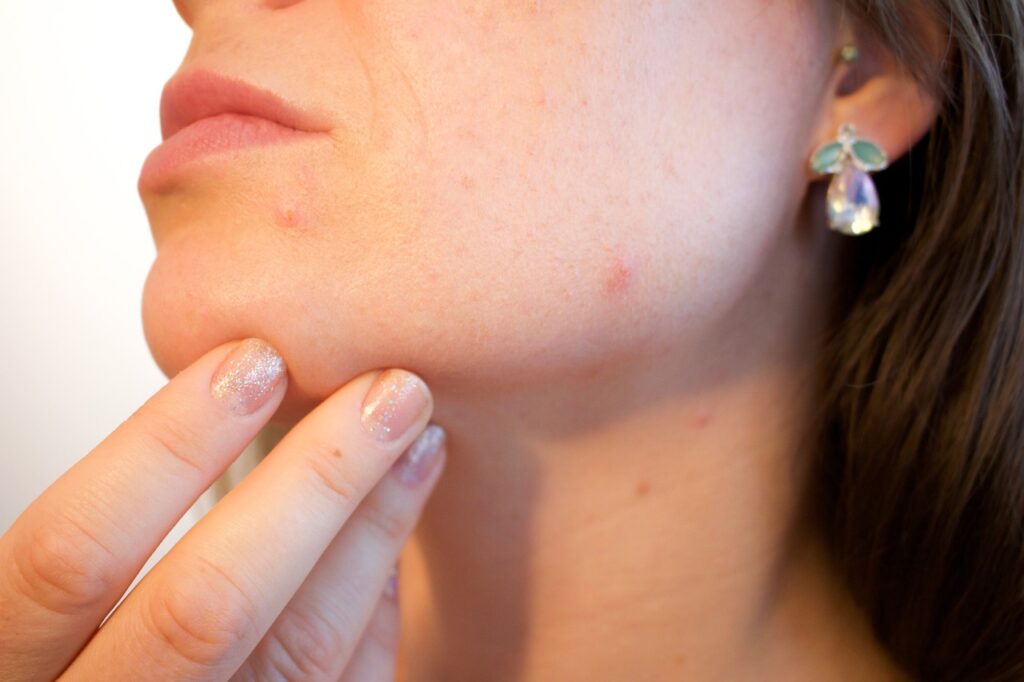
For more severe or persistent acne scars, prescription medications may be recommended by dermatologists to help fade their appearance and promote healthy skin.
Retinoids
Retinoids are a class of medications derived from vitamin A that promote skin cell turnover and collagen production. Prescription-strength retinoids can help improve the appearance of acne scars by encouraging the growth of new, healthier skin.
Corticosteroid Injections
Corticosteroid injections are used to reduce the inflammation associated with raised acne scars. These injections can help flatten hypertrophic scars and keloids, improving their appearance.
Antibiotics
In certain cases, antibiotics may be prescribed to control acne breakouts and reduce the risk of scarring. Oral or topical antibiotics can help manage bacterial infections and prevent new acne lesions from forming.
Antifungal Medications
If fungal infections are present alongside acne scars, antifungal medications may be prescribed to treat the underlying cause.
Topical Whitening Agents
Topical whitening agents, such as hydroquinone or azelaic acid, may be recommended to lighten hyperpigmented acne scars. These medications work by inhibiting melanin production and promoting a more even skin tone.
Professional Procedures
Combining different professional procedures can often yield the best results in treating acne scars. Here are some common procedures performed by dermatologists and skincare professionals.
Radiofrequency and Microneedling
Radiofrequency combined with microneedling is a powerful treatment that stimulates collagen production and reduces the appearance of acne scars. The radiofrequency energy is delivered through microneedles, which creates controlled injuries to the skin, triggering the body’s natural healing response.
Intense Pulsed Light Therapy (IPL)
Intense pulsed light therapy, or IPL, uses broad-spectrum light to target pigmented areas and stimulate collagen production. This treatment can improve the appearance of acne scars, including hyperpigmentation.
Fractional Radiofrequency
Fractional radiofrequency treatments use radiofrequency energy to target deep layers of the skin, promoting collagen production and reducing the visibility of acne scars.
Microdermabrasion with Infusion
Microdermabrasion with infusion combines the exfoliating benefits of microdermabrasion with the infusion of serums or solutions directly into the skin. This procedure can help improve the appearance of acne scars by promoting collagen production and hydrating the skin.
Platelet-Rich Plasma (PRP) Therapy
Platelet-rich plasma therapy involves extracting platelets from the patient’s own blood and injecting the concentrated platelet-rich plasma into the skin. PRP stimulates collagen and elastin production, promoting the healing of acne scars and improving skin texture.
Acne Scar Surgery
For more severe acne scars, acne scar surgery may be necessary. This procedure involves physically removing the scarred tissue and using sutures to close the incisions. Scar revision techniques may also be performed to optimize the outcome.
Combining Treatments for Best Results
Achieving optimal results in treating acne scars often requires a combination of different treatments.
Determining the Right Combination
Consulting a dermatologist is crucial in determining the right combination of treatments for your specific acne scars. A dermatologist will assess your skin type, the severity of the scars, and recommend a tailored treatment plan to address your individual needs.
Sequential Treatment Plans
Sequential treatment plans involve combining different treatments in a specific order to maximize their effectiveness. This approach ensures that each treatment target is addressed sequentially, optimizing the outcome.
Combining Different Procedures
Combining different procedures, such as laser therapy with microneedling or dermal fillers with chemical peels, can provide more comprehensive results in treating acne scars. Dermatologists will determine the most effective combination based on individual scar characteristics and patient preferences.
Monitoring Progress and Adjusting
Throughout the treatment process, close monitoring of acne scar improvement is essential. Dermatologists can adjust the treatment plan as necessary, ensuring the most effective results are achieved.
Homecare and Lifestyle Changes
In addition to professional treatments, certain lifestyle changes and homecare practices can help optimize the effectiveness of acne scar treatments.
Protecting Skin from Sun Damage
Sun damage can worsen the appearance of acne scars and lead to hyperpigmentation. Protecting your skin from the sun by wearing sunscreen with at least SPF 30, seeking shade when the sun is strongest, and wearing protective clothing can minimize further damage.
Diet and Nutrition
While diet alone may not directly impact acne scars, maintaining a balanced diet rich in antioxidants, vitamins, and minerals can support overall skin health and promote healing.
Stress Management
Stress can trigger or exacerbate acne breakouts and negatively affect the healing process of acne scars. Incorporating stress management techniques, such as exercise, meditation, or therapy, can help reduce the impact of stress on your skin.
Regular Exercise
Exercise promotes blood circulation and oxygen flow to the skin, which can support the healing process and improve the appearance of acne scars. Additionally, exercise helps reduce stress levels, which can contribute to healthier skin.
Avoiding Harsh Products and Irritation
Avoid using harsh skincare products or exfoliants that can further irritate the skin and potentially worsen acne scars. Opt for gentle and non-irritating products suitable for your skin type.
Managing Dryness and Hyperpigmentation
Keep your skin adequately hydrated to minimize dryness, which can make acne scars appear more pronounced. Use moisturizers suitable for your skin type and consider incorporating hydrating serums or oils into your skincare routine. To address hyperpigmentation, consult your dermatologist for suitable treatments like topical whitening agents.
Addressing Emotional Impact of Acne Scars
Acne scars can have a significant emotional impact, affecting self-esteem and confidence. It’s important to address these emotional aspects along with the physical treatment of acne scars.
Confidence and Self-esteem
If you are struggling with confidence and self-esteem due to acne scars, remember that you are not alone. Seek support from family, friends, or professionals who can provide encouragement and reassurance.
Support Groups and Counseling
Participating in support groups or seeking counseling can be beneficial for individuals dealing with the emotional impact of acne scars. Connecting with others who have had similar experiences can provide a sense of community and understanding.
Makeup Tips and Techniques
Makeup can be an effective tool in concealing acne scars and boosting self-confidence. Learning makeup techniques specifically suited to concealing scars can help you feel more confident in your appearance.
Professional Psychological Help
If the emotional impact of acne scars becomes overwhelming, seeking professional psychological help from a therapist or counselor can provide valuable support and guidance in coping with these feelings.
When to See a Dermatologist
While home remedies and over-the-counter treatments can be effective in fading mild acne scars, there are instances where it is essential to consult a dermatologist.
Persistent or Severe Acne Scars
If your acne scars are persistent or severe, it is important to consult a dermatologist for an accurate assessment and treatment recommendation. Dermatologists can provide more advanced treatments tailored to your specific needs.
Scar Treatment after Acne Removal
If you have recently had acne removed or treated, consulting a dermatologist regarding scar prevention and early treatment is essential. Addressing scars early can prevent them from becoming more prominent and difficult to treat in the future.
Consultation for Effective Solutions
A dermatologist is the best resource for understanding your specific acne scars and the most effective treatment options available. By scheduling a consultation, you can receive personalized advice and guidance to help you achieve the best possible results in treating your acne scars.
In conclusion, acne scars can be a source of distress, but with the right understanding and comprehensive approach, their appearance can be significantly improved. By incorporating proper skincare routines, leveraging both home remedies and medical treatments, consulting dermatologists, adopting lifestyle changes, addressing emotional impacts, and seeking professional help when needed, you can effectively manage and minimize the appearance of acne scars. The key is to be patient, persistent, and proactive in your journey to regain smooth and healthy skin.