
Acne scars can be a frustrating reminder of our past battles with acne, but there’s good news: with time and patience, they can fade away. You may be wondering, how long does it actually take for acne scars to fade? It’s a question many of us have asked, and in this article, we’ll explore the timeline for fading scars and the importance of being patient throughout the process. So, get ready to embark on a journey of transformation as we discover just how patience truly does pay off when it comes to acne scars.
Factors that Influence the Healing Process
When it comes to the healing process of acne scars, several factors can influence the speed and effectiveness of fading. Understanding these factors is crucial in managing expectations and implementing the right skincare routine.
Type of Acne Scars
Not all acne scars are created equal. Different types of scars require various treatment approaches and can impact the overall healing time. The four main types of acne scars include ice pick scars, boxcar scars, rolling scars, and hypertrophic scars. Each type has its own distinct characteristics and requires specific treatment methods for optimal results.
Severity of Scarring
The severity of scarring plays a significant role in determining how long it will take for acne scars to fade. Superficial scarring may fade more quickly, while deep scars may require more time and intensive treatments. It is essential to consult with a dermatologist who can assess the severity of your acne scars accurately.
Skin Type
Another factor that influences the healing process is your skin type. Different skin types have varying levels of sensitivity, ability to regenerate, and natural healing mechanisms. For example, individuals with oily skin may experience slower scar fading compared to those with dry or normal skin. Understanding your skin type can help in tailoring the right skincare routine and treatments.
Quality of Skincare Routine
The quality of your skincare routine can significantly impact the healing process of acne scars. Consistency and using the right products can enhance scar fading. A skincare routine that includes gentle cleansing, exfoliation, moisturizing, and the application of scar-fading ingredients can help speed up the healing process. It is crucial to consult with a dermatologist or skincare professional to design a personalized routine that addresses your specific skin concerns.
Overall Health
Your overall health and well-being can also affect the healing process of acne scars. A healthy lifestyle, including regular exercise, balanced nutrition, and adequate sleep, can promote better healing and skin regeneration. On the other hand, poor lifestyle choices, such as smoking, excessive alcohol consumption, and a nutrient-deficient diet, can hinder the healing process. Taking care of your overall health is essential for optimizing the recovery of acne scars.
Different Types of Acne Scars
Understanding the different types of acne scars can help in determining the most appropriate treatment options and managing expectations for scar fading.
Ice Pick Scars
Ice pick scars are characterized by small, deep, and narrow indentations on the skin. They resemble small puncture wounds and can be challenging to treat. These scars are caused by the destruction of collagen fibers, and they require specific treatments such as punch excision, laser resurfacing, or chemical peels.
Boxcar Scars
Boxcar scars are shallow to medium-depth depressions with well-defined edges. They resemble the appearance of scars left by chickenpox or acne lesions. These scars can be effectively treated with various procedures, including laser therapy, microdermabrasion, or dermal fillers.
Rolling Scars
Rolling scars have a wave-like or uneven appearance, giving the skin a “rolling” texture. These scars are caused by the disruption of collagen bands beneath the skin. Treatments such as subcision, filler injections, or fractional laser resurfacing can help improve the appearance of rolling scars.
Hypertrophic Scars
Hypertrophic scars are raised, thickened scars that form due to excessive collagen production during the healing process. These scars can be red or pink and may become itchy or painful. Treatments for hypertrophic scars include corticosteroid injections, silicone gel sheets, or laser therapy.

Timeline for Acne Scar Fading
It is important to have realistic expectations when it comes to the timeline for acne scar fading. While some improvement may be noticeable within a few weeks, complete scar fading can take quite some time. Here is a general timeline that can guide you through the healing process:
First Few Weeks: Inflammation Subsides
During the first few weeks after scar formation, the inflammation begins to subside. This can lead to a slight improvement in the appearance of acne scars. However, significant results may not be visible during this early stage.
First Month: Visible Improvement
After the first month, you may start to see visible improvement in the appearance of your acne scars. The skin texture may begin to smoothen out, and the scars may become less noticeable. However, the extent of improvement may vary depending on the severity of the scars and the treatments being used.
3-6 Months: Noticeable Reduction
Between 3 and 6 months, a noticeable reduction in the appearance of acne scars can be expected. The skin may appear smoother, and the scars may appear lighter and less prominent. This stage requires consistent treatment and care to achieve optimal results.
6-12 Months: Continued Improvement
Continued improvement can be seen between 6 and 12 months. The scars will continue to fade, and the skin’s texture will increasingly become smoother. It is essential to maintain a consistent skincare routine and follow any recommended treatments during this time.
1-2 Years: Scars Continue to Fade
Between 1 and 2 years, the healing process will be in full swing, and scars will continue to fade. While the improvement may be significant, complete scar fading may not yet occur. At this stage, it is crucial to continue with any recommended treatments and maintain a healthy skincare routine.
Beyond 2 Years: Gradual Healing
Beyond the 2-year mark, scar fading tends to occur gradually. The scars will continue to diminish over time, but the progress may be slower compared to the earlier stages of healing. Consistency in skincare and patience are key during this prolonged healing period.
Effective Treatments for Acne Scars
There are various treatment options available to help fade acne scars. The effectiveness of each treatment may depend on the type and severity of scars. Consulting with a dermatologist can help determine the most suitable treatment plan for your specific situation. Here are some commonly used treatments for acne scars:
Topical Creams and Gels
Topical creams and gels containing ingredients like retinoids, hydroquinone, or vitamin C can be used to fade acne scars. These products work by promoting cell turnover, reducing pigmentation, and improving collagen production. Regular application over a period of time can help reduce the appearance of scars.
Chemical Peels
Chemical peels involve the application of a chemical solution to the skin, which exfoliates the outer layer and stimulates new skin cell growth. This process helps in fading acne scars and improving skin texture. The depth and strength of the peel will depend on the severity of the scars.
Microdermabrasion
Microdermabrasion is a non-invasive procedure that exfoliates the skin using a handheld device. It removes the outer layer of dead skin cells, promoting the growth of new skin cells. This treatment can reduce the appearance of acne scars, although multiple sessions may be needed for optimal results.
Laser Therapy
Laser therapy involves the use of high-energy lasers to resurface the skin and stimulate collagen production. Different types of lasers, such as fractional laser or pulsed-dye laser, can be used to target different types of acne scars. Laser therapy can effectively fade scars and improve overall skin texture.
Dermal Fillers
Dermal fillers are injectable substances that can plump up depressed acne scars, reducing their appearance. Fillers such as hyaluronic acid or collagen can be injected beneath the scar to elevate the skin and create a smoother surface. The results are temporary and may require regular touch-ups.
Microneedling
Microneedling involves using a device with tiny needles to create controlled micro-injuries on the skin. This process stimulates collagen production and helps in reducing the appearance of acne scars. Multiple sessions may be required to achieve optimal results.
Surgical Procedures
For severe and deep acne scars, surgical procedures such as punch excision, subcision, or skin grafting may be necessary. These procedures involve physically removing or lifting the scar tissue to improve the skin’s appearance. Surgical interventions are typically reserved for more extreme cases and should be performed by a qualified dermatologist or plastic surgeon.
Home Remedies to Aid Scar Fading
In addition to professional treatments, several home remedies can aid in the fading of acne scars. These remedies can complement professional treatments and contribute to the overall improvement of the skin’s appearance. Here are some home remedies to consider:
Regular Exfoliation
Gentle exfoliation of the skin can help remove dead skin cells and promote cell turnover, leading to a smoother complexion. However, it is important to avoid over-exfoliating, as it can cause irritation and worsen acne scars. Choose a gentle exfoliator and limit exfoliation to 1-2 times per week.
Moisturizing with Natural Ingredients
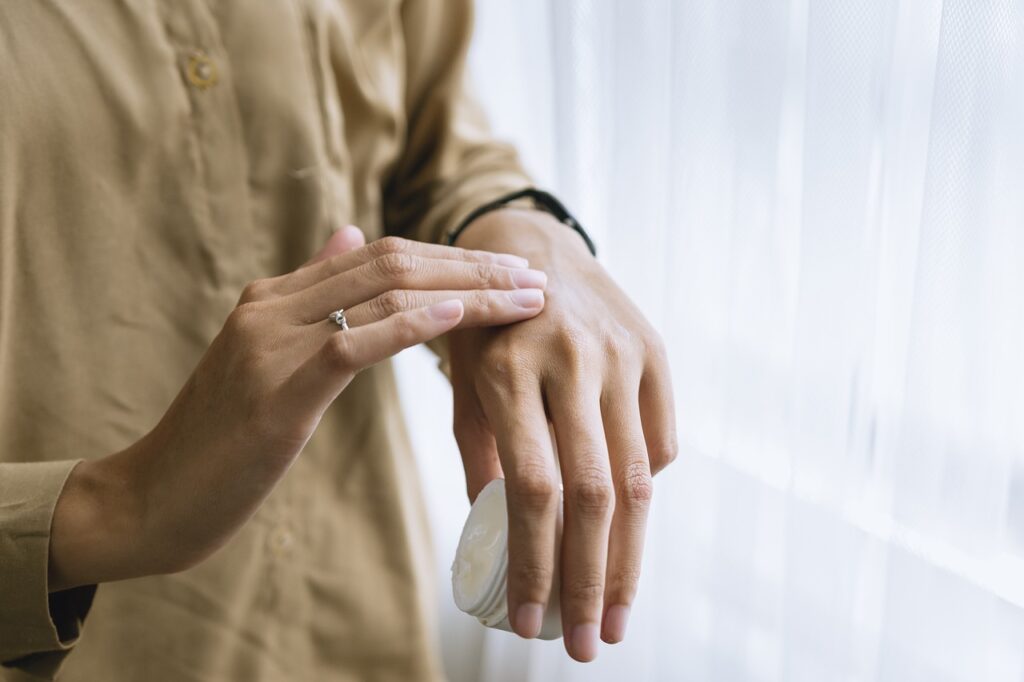
Keeping the skin hydrated is crucial for scar healing and minimizing the appearance of scars. Look for moisturizers containing natural ingredients like aloe vera, shea butter, or hyaluronic acid. These ingredients can help improve skin texture and promote scar fading.
Applying Vitamin C Serums
Vitamin C is known for its antioxidant properties and its ability to boost collagen production. Applying a vitamin C serum to acne scars can help in fading them over time. Look for serums with a concentration of at least 10% vitamin C for maximum effectiveness.
Using Aloe Vera Gel
Aloe vera gel has soothing and healing properties that can benefit acne scars. Apply a thin layer of aloe vera gel to the scars and leave it on for a few minutes before rinsing off. Regular use can help reduce inflammation and promote scar fading.
Massaging with Essential Oils
Certain essential oils, such as lavender, rosehip, or tea tree oil, can aid in scar fading. Dilute the essential oil of your choice with a carrier oil, such as coconut or jojoba oil, and massage it gently onto the scars. This can improve blood circulation, promote healing, and reduce the appearance of scars.
Protecting from Sun Exposure
Exposure to sunlight can worsen the appearance of acne scars and cause them to darken. Protecting your skin from the sun’s harmful UV rays using sunscreen with at least SPF 30 is essential. Additionally, wearing protective clothing and avoiding excessive sun exposure can help fade scars more effectively.
Maintaining a Healthy Diet
Eating a well-balanced diet rich in fruits, vegetables, and high-quality proteins can support overall skin health and aid in scar fading. Foods containing antioxidants, such as berries, leafy greens, and nuts, can help promote collagen production and improve the healing process.
Prevention and Lifestyle Changes
While it may not be possible to prevent all acne scars, there are measures you can take to minimize their occurrence. Implementing these prevention techniques and making positive lifestyle changes can contribute to healthier skin and a reduced risk of scarring. Here are some tips to consider:
Proper Acne Treatment
Seeking early and effective treatment for acne can minimize the risk of scarring. Consult with a dermatologist to develop a customized acne treatment plan that addresses your specific skin concerns. Treating acne promptly and effectively can help prevent the formation of permanent scars.
Avoiding Picking or Squeezing Pimples
Picking or squeezing pimples can damage the skin and increase the risk of scarring. It can lead to the spread of bacteria and cause inflammation, further complicating the healing process. Resist the temptation to pick or squeeze pimples and allow them to heal naturally.
Protecting Skin from Sun Damage
Excessive sun exposure can worsen acne scars and cause hyperpigmentation. Protect your skin from the sun’s harmful UV rays by wearing sunscreen, seeking shade, and using protective clothing. Sun protection is essential not only for scar fading but also for overall skin health.
Regularly Changing Pillowcases
Dirty pillowcases can harbor bacteria and oils that can exacerbate acne and increase the risk of scarring. Change your pillowcases regularly, ideally every 2-3 days, to prevent the buildup of dirt and bacteria. This simple habit can contribute to a healthier complexion and reduce the risk of scarring.
Avoiding Exposure to Harsh Chemicals
Harsh chemicals found in certain skincare products can irritate the skin and potentially worsen acne scars. Avoid products with harsh ingredients like alcohol, fragrances, and sulfates. Opt for gentle and non-comedogenic products that are specifically formulated for acne-prone skin.
Reducing Stress Levels
Stress has been known to worsen acne breakouts and delay the healing process. Reducing stress levels through techniques like exercise, meditation, or engaging in hobbies can promote healthier skin and minimize the risk of scarring. Prioritizing self-care and stress management is crucial for overall skin health.
Consulting a Dermatologist
If you are struggling with acne scars and finding it challenging to fade them on your own, it is essential to seek professional help. Dermatologists are trained experts who can assess your specific situation and develop a personalized treatment plan. Here are the benefits of consulting a dermatologist:
Diagnosing the Type and Severity of Scarring
A dermatologist can accurately diagnose the type and severity of your acne scars, which is crucial in determining the most effective treatment options. They will assess factors such as scar depth, texture, and color to develop a targeted treatment plan.
Developing a Personalized Treatment Plan
Based on the assessment of your acne scars, a dermatologist can develop a personalized treatment plan that addresses your specific concerns. They may recommend a combination of professional treatments, topical products, and lifestyle modifications to optimize scar fading.
Professional Scar Treatments
Dermatologists have access to advanced treatments and technologies that are not available over-the-counter or at-home. They can perform procedures such as laser therapy, microdermabrasion, or chemical peels with precision and expertise, ensuring the best possible results.
Monitoring Progress and Adjusting Treatment
Throughout the scar fading process, a dermatologist can monitor your progress and make necessary adjustments to the treatment plan. They can provide guidance, support, and reassurance, ensuring that you are on the right track towards achieving your desired results.
Dealing with Emotional Impact
Acne scars can have a significant emotional impact on individuals, affecting their self-esteem, confidence, and overall well-being. It is important to address the psychological effects of acne scars and seek the necessary support. Here are some strategies to help manage the emotional impact:
Understanding the Psychological Effects
Acne scars can lead to feelings of embarrassment, shame, and self-consciousness. It is important to recognize and acknowledge these emotions, understanding that they are valid and normal. Building awareness around the psychological effects can help in finding appropriate coping mechanisms.
Seeking Support from Loved Ones
Reach out to your loved ones and share your feelings and concerns about your acne scars. Opening up about your struggles can provide a sense of relief and support. Loved ones can offer empathy, understanding, and encouragement, making the healing process more bearable.
Consulting a Mental Health Professional
If the emotional impact of acne scars becomes overwhelming or affects your daily life, it may be beneficial to seek professional help. A mental health professional, such as a therapist or counselor, can provide guidance and support in navigating the emotional challenges associated with acne scars.
Practicing Self-Care and Building Confidence
Engage in self-care practices that promote self-love, self-acceptance, and confidence. This can include activities such as practicing mindfulness, engaging in hobbies, exercising, or connecting with nature. Taking care of your mental and emotional well-being is just as important as taking care of your physical health.
Managing Expectations
It is crucial to have realistic expectations when it comes to scar fading. While treatments and skincare routines can greatly improve the appearance of acne scars, complete eradication may not always be possible. Here are some important factors to consider when managing expectations:
Realistic Timeframe for Scar Fading
Acne scar fading requires time and patience. It is important to understand that significant improvement may not occur overnight. It can take several months or even years to achieve the desired results. Setting realistic expectations in terms of timeline can prevent disappointment and frustration.
Individual Variations in Healing
Individual variations in healing response can also impact the scar fading process. Some individuals may experience faster results, while others may require more time. Factors such as genetics, overall health, and skin type can influence how quickly scars fade.
Maintenance Routine for Long-Term Results
Once acne scars begin to fade, it is important to maintain a consistent skincare routine and continue with any recommended treatments. Scar fading results require ongoing care and maintenance. Regular follow-up appointments with a dermatologist can help ensure that the progress is maintained and any necessary adjustments are made.
Final Thoughts
Dealing with acne scars can be challenging, but with the right approach and mindset, you can successfully navigate the healing process. Remember to be patient and persistent, as scar fading takes time. Consult with a dermatologist, implement effective treatments, and prioritize self-care throughout your journey. Embrace the healing process, take care of your physical and emotional well-being, and have confidence in your ability to achieve healthier, clearer skin.